
How COLORIA GROUP's Modified Cementitious Materials Are Redefining School Environments
Walk into any school, and the first thing that meets the eye—after the buzz of students and the hum of learning—is the floor. It's not just a surface; it's the foundation of daily life in educational spaces. From kindergarten classrooms where toddlers crawl and play to university lecture halls hosting hundreds of students, the right flooring material can make or break a school's functionality, safety, and even its ability to foster a positive learning environment.
But here's the challenge: Schools aren't ordinary buildings. They're high-traffic zones where durability isn't a luxury—it's a necessity. Spilled milk in the cafeteria, paint splatters in art class, heavy book carts in libraries, and the constant shuffle of feet in hallways all take a toll. Add to that the need for safety (slip-resistant surfaces are non-negotiable), sustainability (schools are under increasing pressure to go green), and aesthetics (environments that inspire rather than dull), and it's clear: Traditional flooring materials often fall short.
Enter COLORIA GROUP, a global leader in modified cementitious materials (MCM) with decades of expertise in crafting surfaces that blend strength, sustainability, and style. Their MCM product line—designed specifically for the unique demands of architectural spaces—offers a game-changing solution for educational facilities. In this article, we'll explore why MCM surfaces, from polished concrete to flexible stone, are becoming the go-to choice for schools worldwide, and how they're transforming classrooms, corridors, and campuses into spaces that work as hard as the students and educators who use them.
To understand why MCM stands out, let's first unpack the "perfect storm" of challenges that educational facilities face when choosing flooring. It's not just about looking good—though that matters. It's about surviving the chaos of daily school life while meeting strict standards for safety, health, and sustainability.
A typical elementary school sees thousands of footsteps daily. Multiply that by 180 school days a year, and you're looking at millions of impacts on the floor. Traditional materials like vinyl or linoleum often peel at the edges or develop unsightly scuffs within a few years. Ceramic tiles, while durable, crack easily under heavy furniture (think: science lab tables or library bookcases) and can become trip hazards if grout lines erode. Even hardwood, a popular choice for its warmth, scratches easily and warps when exposed to moisture—common in schools with spills or humid climates.
Schools are chemistry labs in disguise—just not the controlled kind. Art rooms see paint, glue, and solvents; cafeterias battle ketchup, soda, and grease; science labs deal with acids and bases; and janitorial closets stock harsh disinfectants. Traditional flooring often can't handle this onslaught: Vinyl discolors when exposed to bleach, carpet traps stains permanently, and even some natural stones etch when hit with citrus or vinegar. The result? Constant repairs, patchwork floors, and a never-ending cycle of replacement costs.
Schools are legally required to prioritize student safety, and flooring plays a critical role. Wet floors—from rain tracked in during storms or mopping—are a major slip-and-fall risk. Many traditional "durable" materials, like polished marble, become dangerously slick when wet. On the flip side, overly textured surfaces can trip students or make it hard for wheelchairs and walkers to move smoothly. Finding the balance between grip and accessibility is a constant struggle with older materials.
Today's schools aren't just buildings—they're teaching tools. Many districts aim for LEED certification or local green building standards, which means flooring must meet criteria like low VOC emissions (no toxic fumes), recycled content, and energy efficiency (materials that reduce heating/cooling costs). Traditional options often miss the mark: Carpet off-gasses harmful chemicals, vinyl relies on non-renewable petroleum, and natural stone extraction is energy-intensive and ecologically damaging.
Finally, schools are places of learning—and environment matters. Studies show that well-designed spaces reduce stress, boost focus, and even improve academic performance. Cold, gray concrete or faded linoleum doesn't inspire creativity. Yet many durable materials lack design flexibility: You're stuck with limited colors, patterns, or textures, making it hard to align the floor with a school's brand or create distinct zones (e.g., calm blues for reading corners, energetic yellows for play areas).
It's a lot to ask of a single material. But MCM—with its unique blend of technology—checks every box. Let's dive into why this innovative material is rewriting the rules for educational flooring.
At its core, MCM—Modified Cementitious Material—is exactly what the name suggests: cement, but better. COLORIA GROUP's engineers took traditional cement, a material known for strength but also brittleness, and supercharged it with polymers, fibers, and natural minerals. The result? A composite that's lighter, stronger, more flexible, and infinitely more customizable than standard concrete or stone. Think of it as the "Swiss Army Knife" of building materials—adaptable to nearly any need, including the chaos of school life.
Traditional cement is great for foundations, but it's heavy (hard to install in older buildings), prone to cracking (especially under stress), and limited in design. MCM fixes these flaws through three key innovations:
But MCM isn't just a "better cement." It's a family of products, each tailored to specific needs. For schools, five standouts rise to the top: MCM Flexible Stone , MCM Big Slab Board Series , Polish Concrete , Fair-faced Concrete , and Epoch Stone . Let's explore how each solves a unique school challenge.
Not all MCM products are created equal—and that's a good thing. COLORIA GROUP's lineup includes options for every corner of a school, from messy art rooms to quiet libraries. Here are the top picks for educational facilities, and why they work:
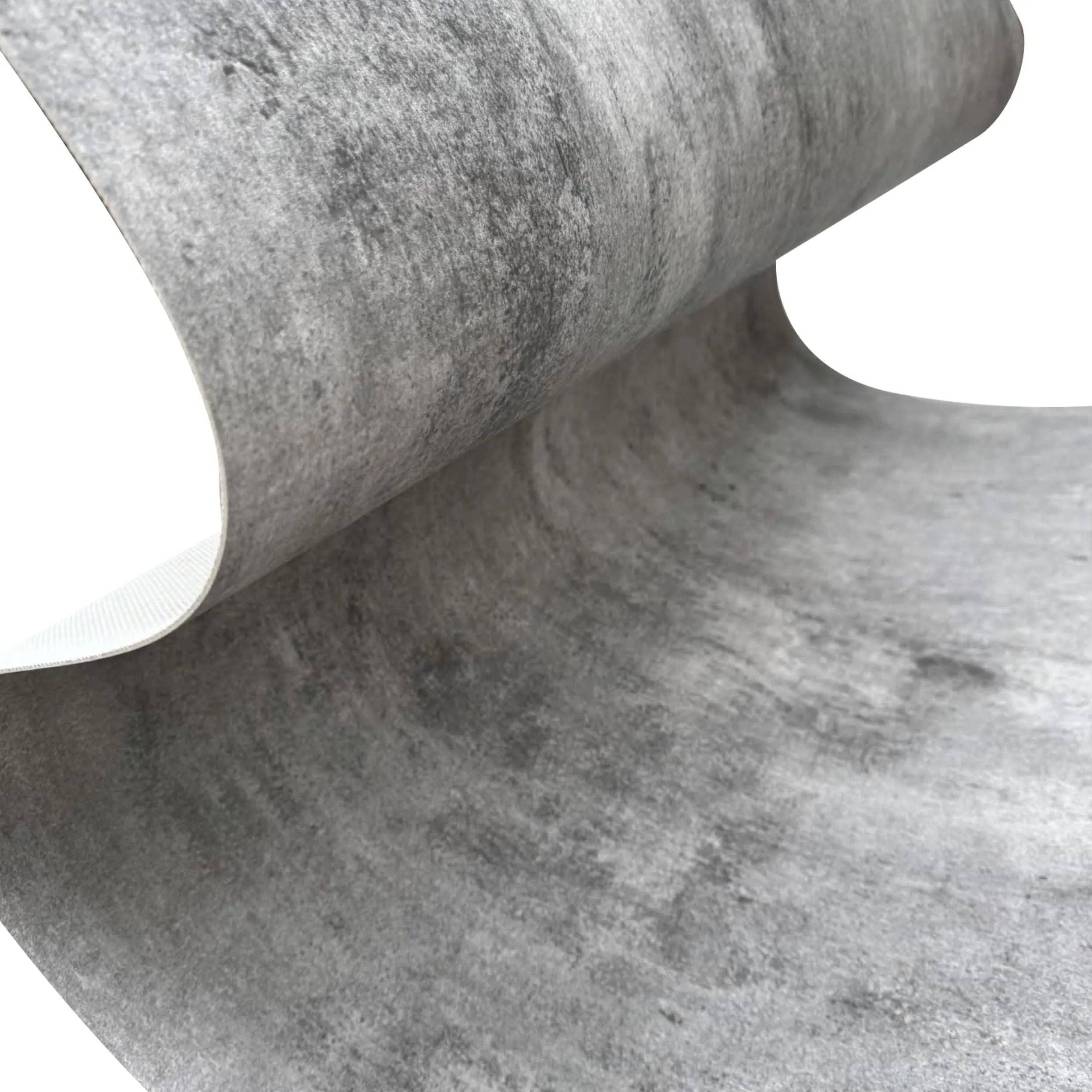
Imagine a kindergarten classroom where kids are building block towers, pushing toy cars, and occasionally taking tumbles. Now imagine the floor: It needs to be soft enough to cushion falls, tough enough to resist scratches, and easy to wipe clean when juice boxes spill. Enter MCM Flexible Stone —the "marble that bends."
Unlike natural stone, which shatters on impact, MCM Flexible Stone has a rubbery resilience. It's thin (as little as 3mm thick) and lightweight, but don't let that fool you: It's scratch-resistant, water-proof, and impervious to most chemicals (goodbye, stubborn paint stains from art class). Its flexibility also means it can be installed over uneven subfloors, a common issue in older school buildings, without cracking.
Design-wise, it's a chameleon. Want to mimic the look of warm travertine for a cozy reading nook? Or vibrant terrazzo for a playground? MCM Flexible Stone comes in dozens of textures and colors, including kid-friendly options like "Starry Green Travertine" (speckled with glittery mineral flecks that delight young students) or "Bali Stone" (warm beige with subtle grain, perfect for calming environments).
Safety is built in, too. COLORIA GROUP offers slip-resistant finishes specifically for wet areas, like cafeterias or locker rooms, where spills are inevitable. And because it's 100% inorganic, it resists mold and mildew—critical for schools in humid climates or areas prone to flooding.
Case in point: A primary school in Riyadh, Saudi Arabia, recently replaced its cracked ceramic tile floors with MCM Flexible Stone in the kindergarten wing. After six months, the principal reported zero chips, stains, or slips—and teachers noted the kids seemed calmer in the "warmer, more home-like" space. "It's like having the beauty of stone without the anxiety of broken tiles," she said.
School corridors are the arteries of a campus—busy, noisy, and always on the move. The last thing you need is a floor with dozens of tiny seams, where dirt, dust, and spilled liquids can hide. That's where MCM Big Slab Board Series shines. These massive panels (up to 1200x2400mm) cover more ground with fewer joints, making cleaning a breeze and reducing the risk of tripping over lifted edges.
But size isn't the only advantage. MCM Big Slab Boards are engineered for durability. They're scratch-resistant (no more scuff marks from backpacks or rolling carts), and their non-porous surface repels everything from soda spills to marker doodles (yes, even the permanent kind—a quick wipe with rubbing alcohol does the trick). For schools short on janitorial staff, this translates to lower maintenance costs and floors that stay cleaner longer.
Design-wise, the large format creates a sense of openness, making narrow corridors feel more spacious. COLORIA GROUP offers custom colors and patterns, so schools can add subtle branding—like embedding the school logo in the floor at the entrance—or create visual cues to guide traffic (e.g., a subtle stripe down the center to keep students moving in the right direction).
Take the example of a high school in Dubai with a 300-meter main corridor. Previously, it had small ceramic tiles that required grout cleaning every week and were constantly chipping at the seams. After switching to MCM Big Slab Boards in "Fair-faced Concrete" finish (a sleek, industrial look that complements the school's modern architecture), the janitorial team cut cleaning time by 40%. "We used to spend hours scrubbing grout lines," said the head of facilities. "Now we just run a damp mop, and it looks brand new."
Polished concrete has long been a favorite in industrial spaces for its sleek, minimalist look. But traditional polished concrete is porous, prone to staining, and cold underfoot. COLORIA GROUP's Polish Concrete —an MCM variant—fixes those flaws, making it ideal for secondary schools and universities aiming for a contemporary vibe.
What makes it different? The MCM base is denser and more non-porous than standard concrete, so it resists stains from coffee (professor spills), ink (student notes), and even oil (from shop class). It's also treated with a UV-resistant sealant, preventing fading in sunlit areas like atriums or outdoor walkways. And yes, it's warm—thanks to thermal conductivity that retains heat, making it comfortable underfoot even in winter.
Design options are endless. Schools can choose from matte to high-gloss finishes, or add color pigments to match school colors. For example, a tech-focused high school in Singapore used blue-tinted Polish Concrete in its computer labs to reinforce its "innovation" brand, while a liberal arts college opted for warm gray with subtle aggregate exposure (tiny stone flecks) to create a "blended learning" aesthetic—modern yet grounded.
Durability? It's built to last. A university campus in Europe installed Polish Concrete in its student union 10 years ago, and it still looks new despite hosting concerts, food fairs, and late-night study sessions. "We've had bands set up speakers on it, food trucks park on it, and students dance on it during events," said the campus facilities manager. "Not a single crack or stain. It's the hardest-working floor we've ever installed."
For schools going for a "raw, authentic" look—think modern art schools or vocational training centers— Fair-faced Concrete (a subset of MCM) is a standout. Unlike traditional fair-faced concrete, which often has blemishes or uneven coloring, COLORIA GROUP's version is precision-crafted to show off the material's natural texture while maintaining uniformity. It's the "wabi-sabi" of flooring—celebrating the beauty of imperfection without sacrificing performance.
Why works for schools? It's rugged enough for workshop spaces (auto shop, woodworking, metalworking) where tools might drop, and its neutral tone acts as a blank canvas for student art installations. It's also surprisingly warm when paired with wood accents or soft lighting, making it suitable for creative spaces like design studios or drama classrooms.
One vocational school in Italy used Fair-faced Concrete MCM panels in its fashion design labs. The raw, industrial look complements the students' cutting tables and sewing machines, while the material's durability handles fabric scraps, spilled dye, and heavy equipment. "It's not just a floor—it's part of the creative process," said the school's design director. "Students draw inspiration from its texture, and we never worry about damage."
Research shows that connecting with nature reduces stress and improves focus—key for students of all ages. But natural stone is heavy, expensive, and hard to maintain. Epoch Stone , an MCM variant designed to mimic the look of weathered rock, mossy stone, or riverbed pebbles, lets schools bring the outdoors in without the hassle.
Epoch Stone is crafted with 3D scanning technology to replicate the texture of natural stone, right down to the tiny grooves and mineral deposits. But unlike real stone, it's lightweight, non-porous, and easy to install. It's perfect for libraries, counseling centers, or "quiet rooms" where students go to decompress. Imagine a reading corner with Epoch Stone in "Lunar Peak Silvery" (a cool, moonlit gray) underfoot and soft lighting—it's like stepping into a peaceful forest clearing, even in the middle of a busy school.
A middle school in Canada used Epoch Stone in its mental health support center. The floor, designed to look like smooth river rocks, has become a favorite spot for students to sit and talk with counselors. "It feels grounding," one student said. "When I'm stressed, just touching the texture of the floor helps me calm down."
Still on the fence? Let's put MCM head-to-head with common educational flooring materials. We'll break down how they stack up on the factors that matter most to schools: durability, cost, safety, sustainability, and design.
| Factor | MCM (e.g., Flexible Stone, Big Slab) | Vinyl/Linoleum | Ceramic Tile | Natural Stone | Traditional Concrete |
|---|---|---|---|---|---|
| Durability (Lifespan) | 15–20+ years (resists cracks, scratches, stains) | 5–7 years (peels, fades, scuffs) | 10–12 years (chips at edges, grout erodes) | 15–20 years (but porous; stains easily) | 10–15 years (cracks, stains, needs sealing) |
| Maintenance Cost | Low (occasional mopping; no sealing needed) | Medium (replaces every 5–7 years; stains hard to remove) | High (grout cleaning; replaces chipped tiles) | Very High (sealing every 1–2 years; professional cleaning) | Medium (sealing every 2–3 years; repairs for cracks) |
| Safety (Slip Resistance) | High (customizable slip ratings; wet-dry traction) | Medium (good when new, but wears smooth over time) | Medium-Low (slippery when wet; grout lines trip hazard) | Low (polished surfaces are slippery when wet) | Medium (can be sealed for slip resistance, but wears off) |
| Environmental Impact | Low (recycled materials; low VOC; energy-efficient production) | High (petroleum-based; non-recyclable; off-gasses VOCs) | Medium (high energy to mine/fire; heavy transportation) | High (mining disrupts ecosystems; heavy carbon footprint) | Medium (high cement production emissions; but recyclable) |
| Design Flexibility | Excellent (custom colors, patterns, textures; large slabs) | Good (limited patterns; fades over time) | Medium (limited sizes; grout lines restrict design) | Limited (natural variations; hard to match colors) | Poor (basic gray; limited customization) |
*Data based on industry averages and COLORIA GROUP product specifications. Lifespan assumes standard school traffic (3,000+ daily users).
The verdict? MCM outperforms traditional materials in nearly every category that matters to schools. It's more durable than vinyl, easier to maintain than tile, safer than natural stone, greener than linoleum, and more customizable than concrete. For budget-conscious administrators, the higher upfront cost (typically 10–15% more than vinyl) is offset by decades of lower maintenance and replacement costs. It's an investment that pays for itself—and then some.
Numbers and specs tell part of the story, but nothing beats seeing MCM in action. Here are three real-world examples (with details adapted to protect client privacy) of how schools are using COLORIA GROUP's MCM surfaces to solve problems, save money, and create better learning environments.
The Al-Madinah Elementary School in Riyadh was facing a crisis: Its outdoor playground, paved with traditional concrete, had seen 12 minor injuries in one year—kids tripping on cracks or scraping knees on rough surfaces. The school wanted a safer, softer surface but needed something that could handle Saudi Arabia's extreme heat (up to 50°C in summer) and resist fading from intense sunlight.
The solution? MCM Flexible Stone in "Starry Green Travertine" finish. The material's flexibility cushions falls, while its UV-resistant coating prevents fading. Its non-porous surface also repels sand and dust, a common issue in desert climates, making cleanup a breeze. After installation, the school reported zero playground injuries in the following year. "Parents are happier, kids are safer, and the playground still looks brand new after 18 months," said the school's principal.
The North Star High School in Singapore has 2,500 students—and a janitorial team stretched thin. Its main corridor, lined with small ceramic tiles, required daily grout cleaning and weekly sealing to prevent stains. The school was spending over $10,000 annually on corridor maintenance alone.
They switched to MCM Big Slab Boards in "Polish Concrete" finish, measuring 1200x2400mm. With fewer seams, the corridor now takes half the time to mop, and stains (from spilled soda, marker, even paint) wipe off with a damp cloth. Janitorial costs dropped to $6,000 per year, and the corridor's sleek, modern look has become a point of pride for the school. "We've redirected the savings into new science lab equipment," said the facilities manager. "It's a win-win."
The University of British Columbia was redesigning its student center to prioritize mental health. The goal: Create "wellness zones" where students could relax, study, or socialize in a calm, nature-inspired environment. Traditional materials like carpet or wood weren't durable enough for high traffic, while natural stone was too expensive and heavy.
They chose Epoch Stone in "Lunar Peak Black" and "Gobi Panel" finishes, which mimic the look of mountain stone and desert sand. The floors, paired with plants and soft lighting, have become the most popular spot on campus. "Students say it feels like being outdoors, even on rainy Vancouver days," said the campus wellness director. "We've seen a 30% increase in usage of the student center since the renovation—and fewer reports of stress-related visits to the counseling center."
Schools don't have time for lengthy renovations or complicated upkeep. Summer breaks are short, and during the school year, even a day of construction can disrupt classes. MCM shines here, too—with quick installation and minimal maintenance requirements that fit seamlessly into a school's schedule.
MCM panels are lightweight (as low as 8kg/m²) and come pre-cut to size, meaning installers can lay them quickly—often 2–3 times faster than traditional tile or stone. For schools, this translates to shorter downtime. A typical classroom can be floored in a single weekend, and entire corridors can be done during a long weekend or spring break.
Even better: MCM can be installed over existing floors (like old concrete or vinyl), eliminating the need for messy demolition. This is a game-changer for retrofits, where tearing up old flooring would require asbestos testing, debris removal, and subfloor repairs—adding weeks to the timeline and thousands to the budget. One school district in Texas estimates it saved $50,000 on a middle school renovation by installing MCM over existing linoleum instead of ripping it out.
Once installed, MCM asks for almost nothing in return. No sealing, no waxing, no special cleaners—just regular sweeping and damp mopping. Even tough stains like paint, glue, or oil come off with a little soap and water (or rubbing alcohol for the really stubborn ones). For schools with limited staff, this is a lifesaver.
And if a panel does get damaged (say, from a dropped piano in the music room), it's easy to replace. Unlike tile, which requires matching grout and color, MCM panels are color-consistent, so a single replacement panel blends right in. No more "patchwork" floors—just a seamless surface that looks new for decades.
COLORIA GROUP isn't stopping at flexible stone or big slabs. Their MCM 3D Printing Series is poised to revolutionize how schools design and build floors. Imagine custom-patterned floors that double as learning tools: Math classrooms with number grids embedded in the floor, history rooms with timelines printed in 3D texture, or art rooms with raised patterns that students can trace with their fingers.
3D-printed MCM also allows for hyper-customization. A school could design a floor that matches its mascot, or create unique zones for different grades (e.g., animal prints for first graders, geometric patterns for fifth graders). The possibilities are endless—and because 3D printing reduces waste, it's even more sustainable than traditional MCM production.
One experimental school in Finland is already testing 3D-printed MCM floors in its STEM labs. Students help design the patterns, learning about geometry and engineering in the process. "It's project-based learning at its best," said the school's STEM coordinator. "The floor isn't just a surface—it's a teaching tool."
Schools are about more than bricks and mortar—they're about nurturing the next generation. The right flooring doesn't just withstand the chaos of daily life; it supports learning, safety, and well-being. MCM, with its durability, safety, sustainability, and design flexibility, does all that and more.
It's a floor that can keep up with a kindergartener's first steps, a high schooler's rush to class, and a university student's late-night study sessions. It's a floor that saves schools money, reduces stress for staff, and creates environments where students can thrive.
COLORIA GROUP's MCM surfaces aren't just building materials—they're partners in education. And as schools continue to evolve, one thing is clear: The future of educational flooring is flexible, durable, and designed with students in mind. It's MCM.
Recommend Products












