
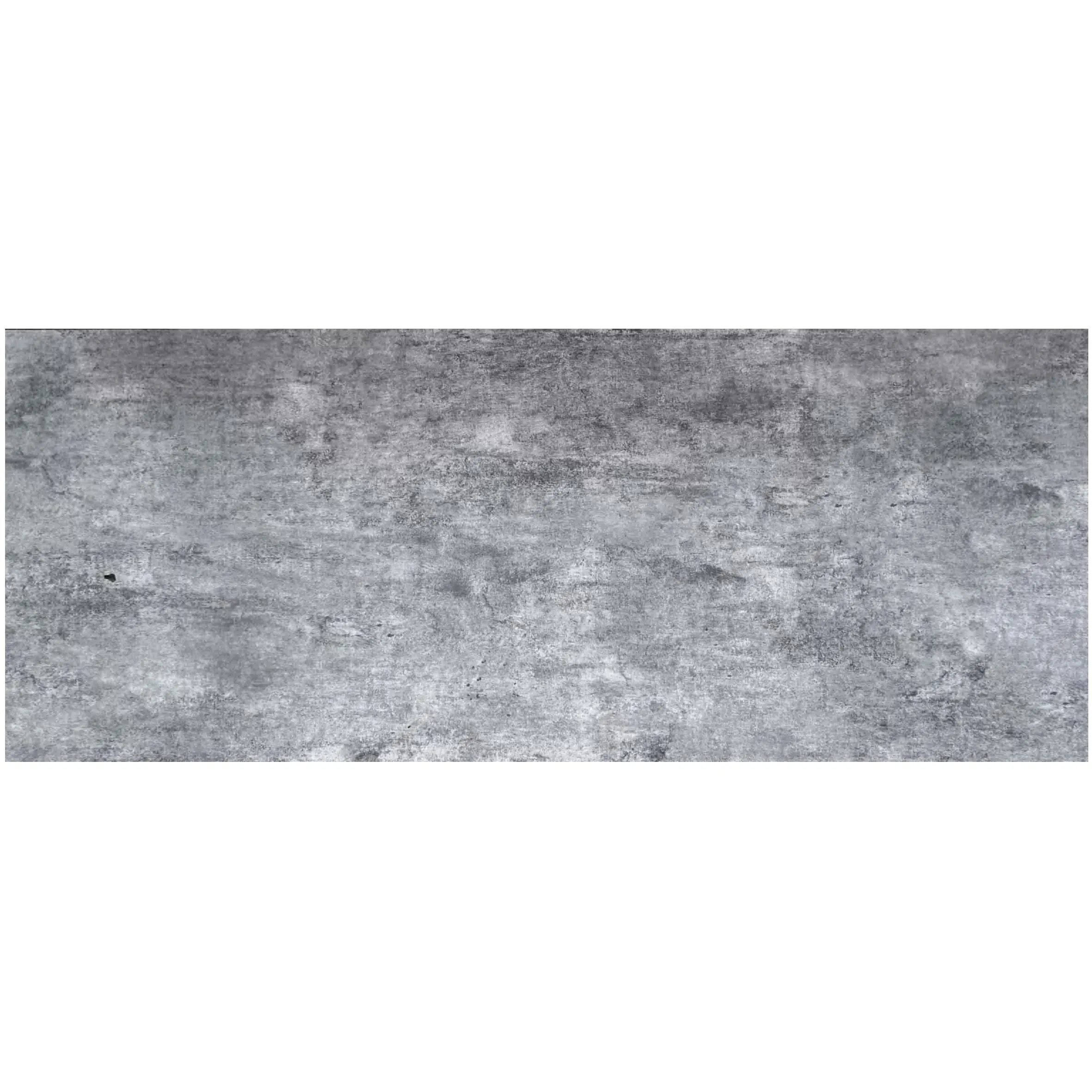
If you're planning a commercial space or residential project in Saudi Arabia, you've probably wrestled with material choices. The floors and walls aren't just about covering surfaces—they set the mood, tell a story, and even affect how people feel in a room. Durability matters too, especially with Saudi's climate swings, but so does staying on budget. That's where COLORIA GROUP comes in. As a one-stop building materials provider with decades of experience, their Saudi agents offer some of the most competitive rates for premium options like polish concrete floors, plus a range of innovative materials that blend style, sustainability, and practicality.
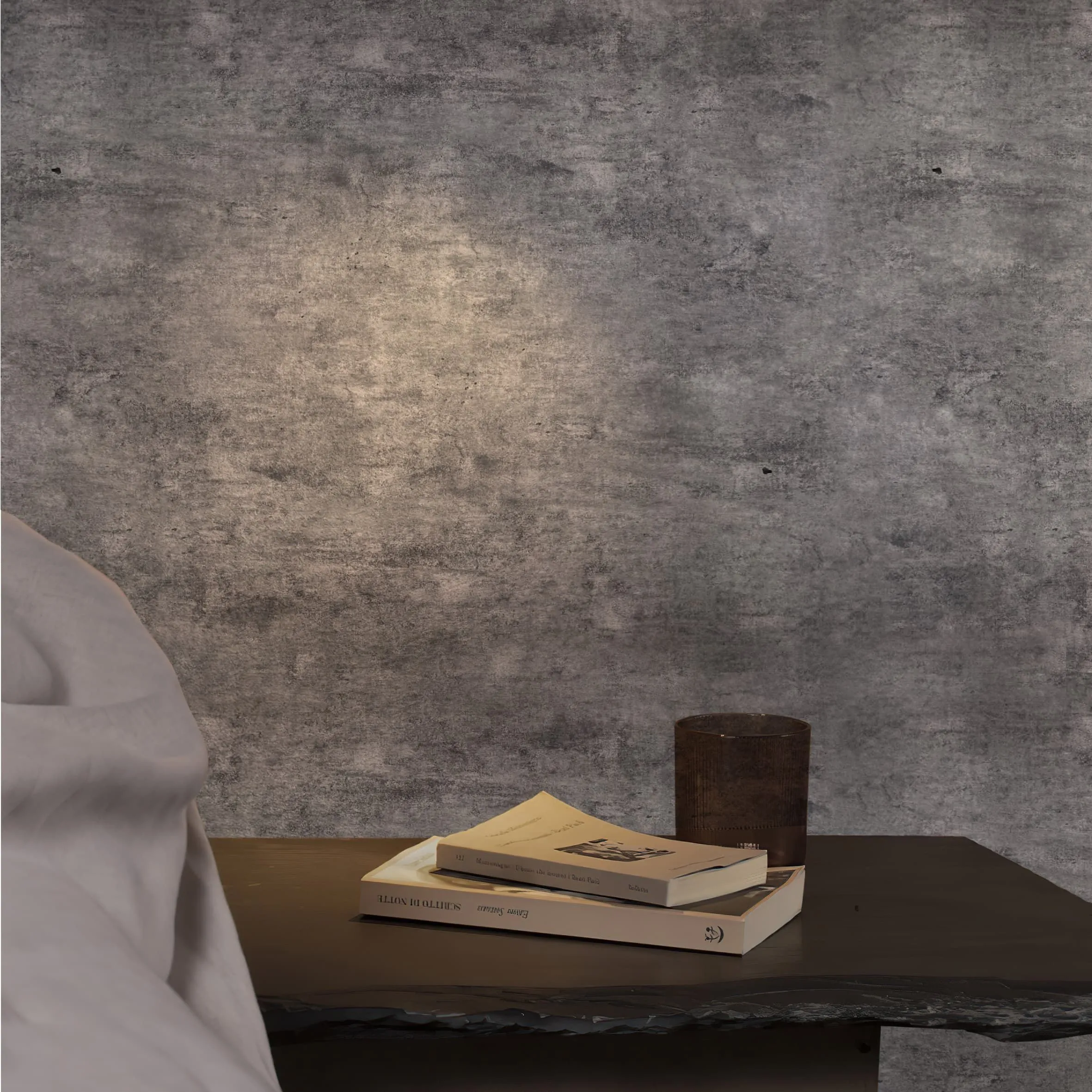
Walk through Riyadh's new business districts or Jeddah's coastal developments, and you'll notice a trend: architects and developers are ditching generic tiles for something with more character. Polish concrete is leading that shift. It's not just the sleek, industrial-chic look—though that's a big part of it. Imagine a lobby where the floor has a subtle sheen, catching the light from floor-to-ceiling windows, but still feels warm enough for a hotel or a café. That's polish concrete done right.
Saudi clients love it because it's low-maintenance (perfect for high-traffic areas like malls or airports), resistant to heat and humidity, and surprisingly customizable. You can stain it to match brand colors, add aggregates for texture, or keep it minimalist with a natural gray tone. And here's the kicker: when sourced through COLORIA GROUP's Saudi agents, it's often more affordable than imported marble or granite, especially for large projects.
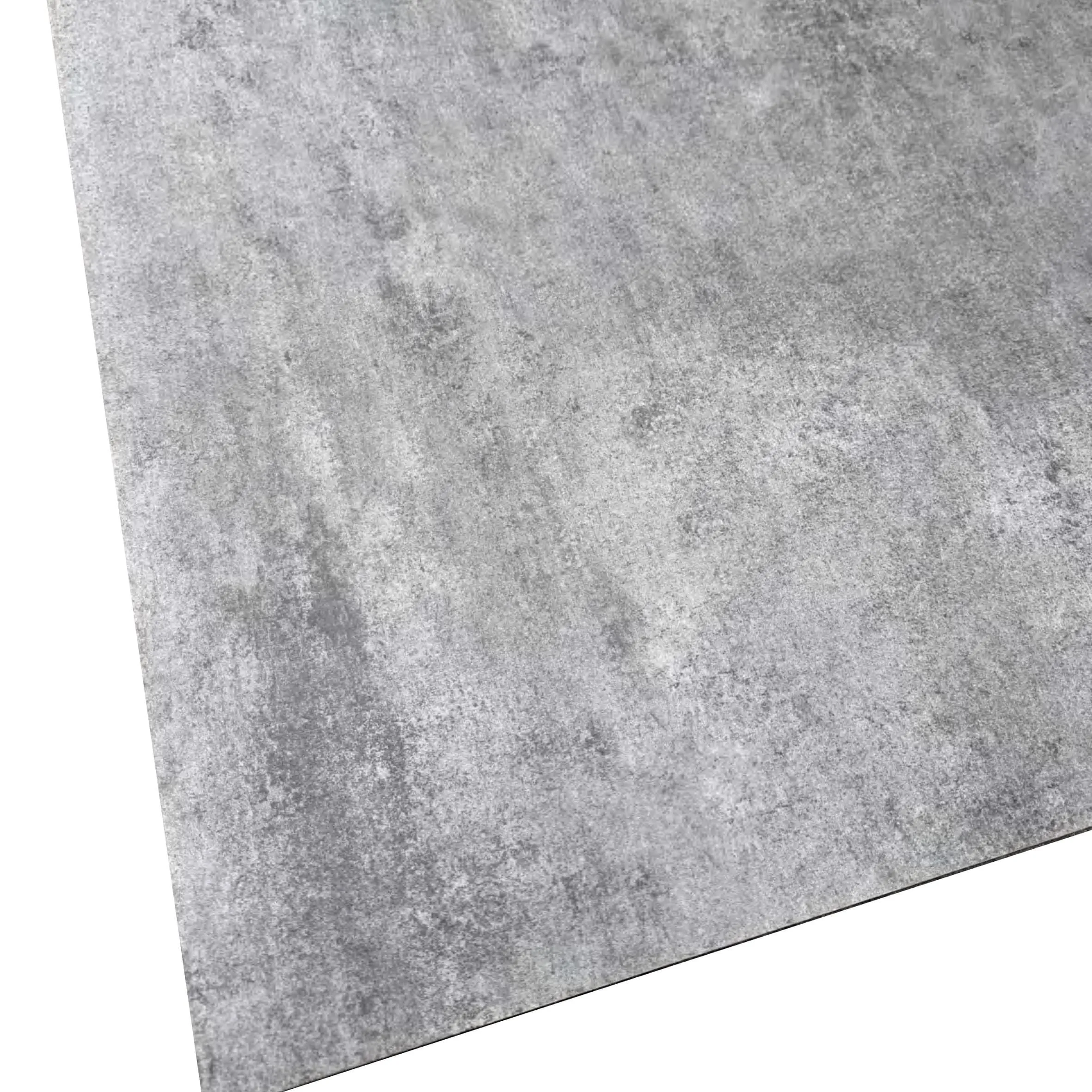
Not all polish concrete is created equal. COLORIA's version, part of their modified cementitious material (MCM) lineup, uses a special blend that's stronger and more flexible than traditional concrete. Think of it as concrete with a "smart upgrade"—it's less prone to cracking in temperature changes, which is a game-changer in Saudi's hot summers and cooler nights.
| Feature | Traditional Concrete | COLORIA's Polish Concrete |
|---|---|---|
| Durability | Prone to cracking over time | High tensile strength, resists thermal expansion |
| Customization | Limited color/stain options | Stainable, aggregate options, matte/gloss finishes |
| Installation Time | Long curing periods | Faster curing with MCM technology |
| Environmental Impact | High carbon footprint | Low VOC, recycled materials option |
And let's talk sustainability—a big topic in Saudi's Vision 2030 push for greener construction. COLORIA's MCM materials, including polish concrete, are low in volatile organic compounds (VOCs) and often use recycled aggregates. That means your project can meet LEED or Estidama standards without sacrificing style. For developers aiming for eco-friendly certifications, this is a huge plus.
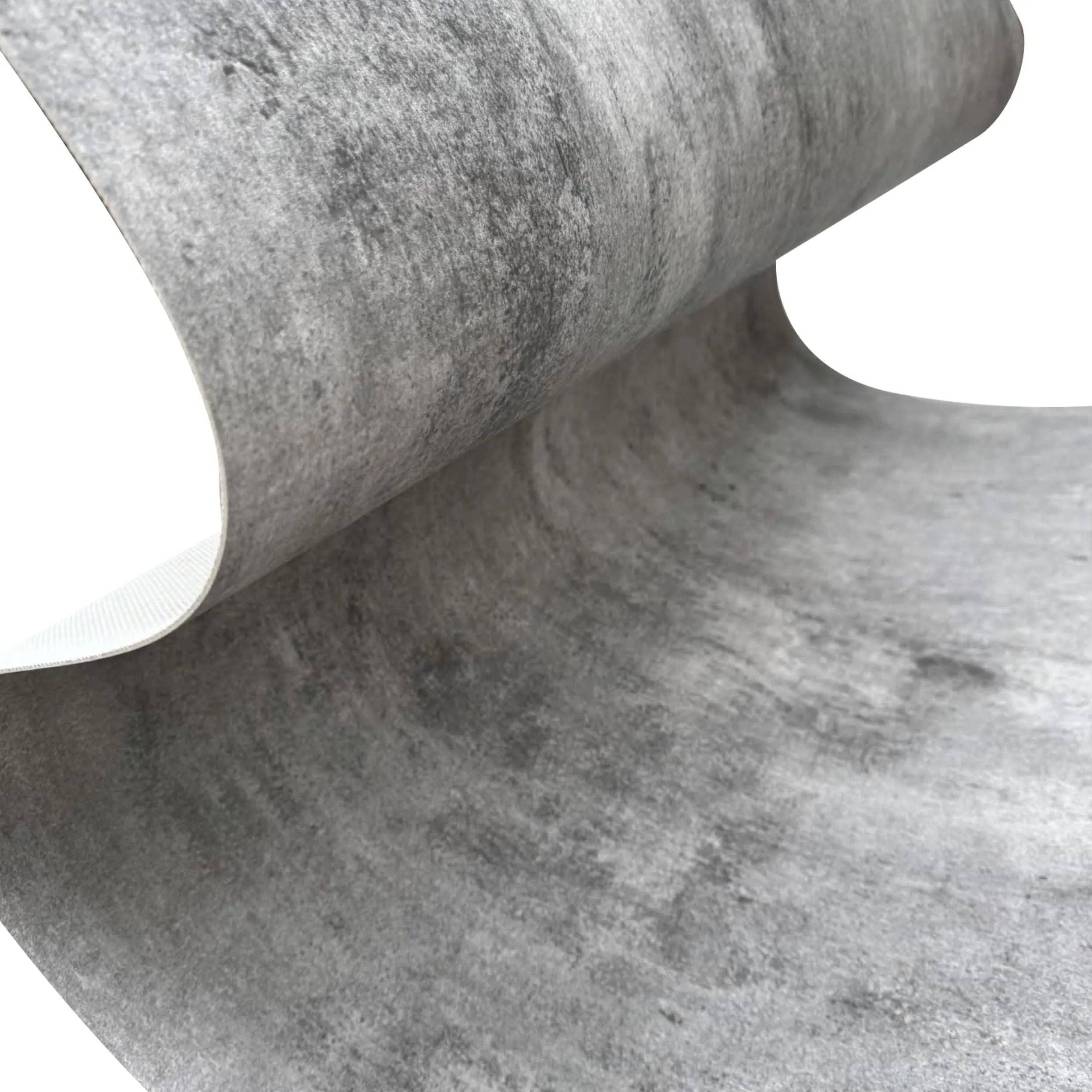
Now, the question everyone asks: how much does it cost? Prices vary based on project size, customization, and finish, but COLORIA's Saudi agents offer rates that are competitive with local suppliers—often 15-20% lower than European imports. Here's a rough guide for 2025 (contact their agents for exact quotes, as bulk orders get better discounts):
Remember, these are ballpark figures. A hotel lobby with intricate aggregate patterns will cost more than a warehouse floor, but even the premium end is often cheaper than natural stone. Plus, COLORIA's agents handle delivery and can coordinate with local contractors, saving you time and logistics headaches.
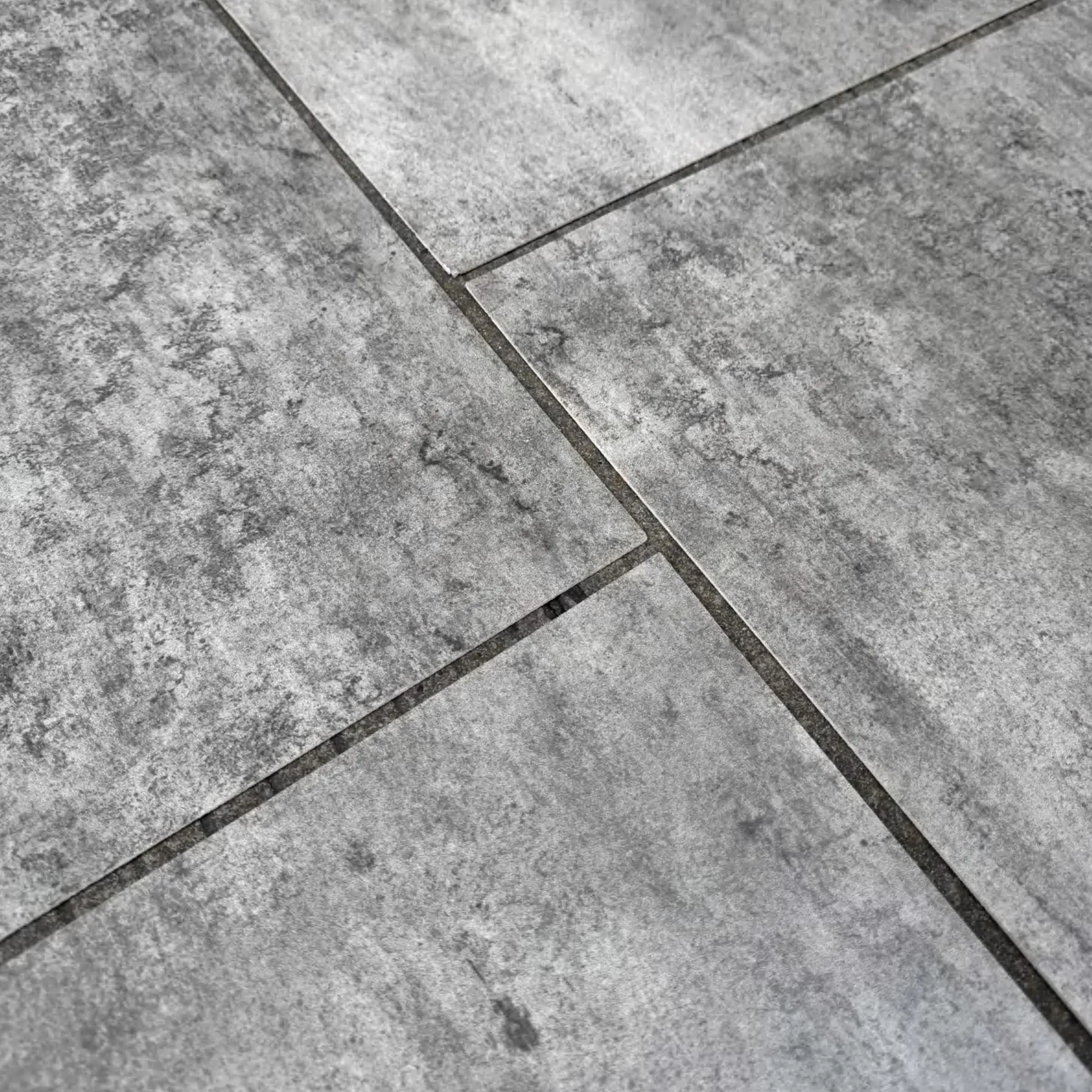
Polish concrete is just the start. COLORIA's real strength is their one-stop approach—why source floors from one supplier and walls from another when you can get everything under one roof? Here are a few other MCM stars that pair perfectly with polish concrete in Saudi projects:
Ever wanted a stone wall but thought it was too heavy or expensive? MCM Flexible Stone changes the game. It's thin (about 3-5mm), lightweight, and flexible enough to wrap around curves—think feature walls in a boutique hotel or a curved staircase in a luxury villa. It mimics the look of natural stone (marble, travertine, even rusted metal) but weighs 70% less than traditional stone cladding. That means easier installation and lower structural costs, which Saudi contractors love.
Popular picks in Saudi? The travertine (starry green) variant, with its subtle blue-green veins that evoke oasis vibes, and rust mosaic stone for an industrial-chic look in restaurants or co-working spaces.
For large open spaces—like conference centers or airport terminals—nothing beats the MCM Big Slab Board Series . These slabs come in sizes up to 1200x2400mm, so you can cover walls or floors with minimal seams. Imagine a retail store where the walls and floor flow together seamlessly, no grout lines breaking the visual flow. It's sleek, modern, and surprisingly lightweight for its size, making installation a breeze even in high-rise buildings.
Saudi developers are using these for exterior cladding too. The fair-faced concrete finish, with its raw, textured look, is a hit for office buildings aiming for that "understated luxury" vibe.
No discussion of Saudi building materials is complete without travertine . This classic stone, with its signature pitted texture, has been used in Middle Eastern architecture for centuries (think ancient Roman ruins, but with a modern twist). COLORIA's travertine series, including travertine (vintage gold) and travertine (starry blue) , combines that timeless look with MCM durability. It's stain-resistant, easier to clean than natural travertine, and available in large slabs to reduce installation time.
Saudi's Vision 2030 isn't just about economic growth—it's about building a sustainable future. COLORIA gets that. All their MCM products are low-carbon, with recycled materials in the mix, and they're designed to last decades, reducing the need for frequent replacements (which saves resources long-term). Their flexible stone, for example, uses 60% less energy to produce than traditional stone cladding, and their big slabs cut down on waste since you need fewer pieces to cover a space.
For clients chasing LEED or Estidama certifications, this isn't just a nice-to-have—it's a requirement. And COLORIA's Saudi agents can provide all the green credentials and test reports you need, so you don't have to jump through hoops to prove sustainability.
You might be thinking, "Can't I just buy concrete locally?" Sure, but COLORIA's agents offer more than just materials—they offer peace of mind. With a local office in Saudi, they understand the market: they know the best contractors, the ins and outs of import regulations, and how to adjust products for local conditions (like adding extra heat resistance for Jeddah's coastal humidity).
Plus, their one-stop model saves you from juggling multiple suppliers. Need polish concrete floors, flexible stone walls, and travertine accents for a hotel? Their agents can bundle it all, often with bulk discounts. And if you're working with a tight deadline (common in Saudi's fast-paced construction scene), they prioritize quick turnaround times—no waiting months for shipments from Europe or Asia.
At the end of the day, building in Saudi Arabia is about balancing tradition and innovation, durability and design. COLORIA GROUP's MCM products—from polish concrete to flexible stone—let you do both. And with their Saudi agents offering competitive rates and local support, you don't have to choose between quality and budget.
Whether you're designing a boutique hotel, a corporate headquarters, or a residential complex, these materials don't just fill space—they create experiences. Imagine walking into a lobby where the polish concrete floor gleams softly, the walls are wrapped in warm travertine, and every detail feels intentional. That's the COLORIA difference. And in Saudi's competitive market, that difference might just make your project the one everyone's talking about.
Recommend Products












