
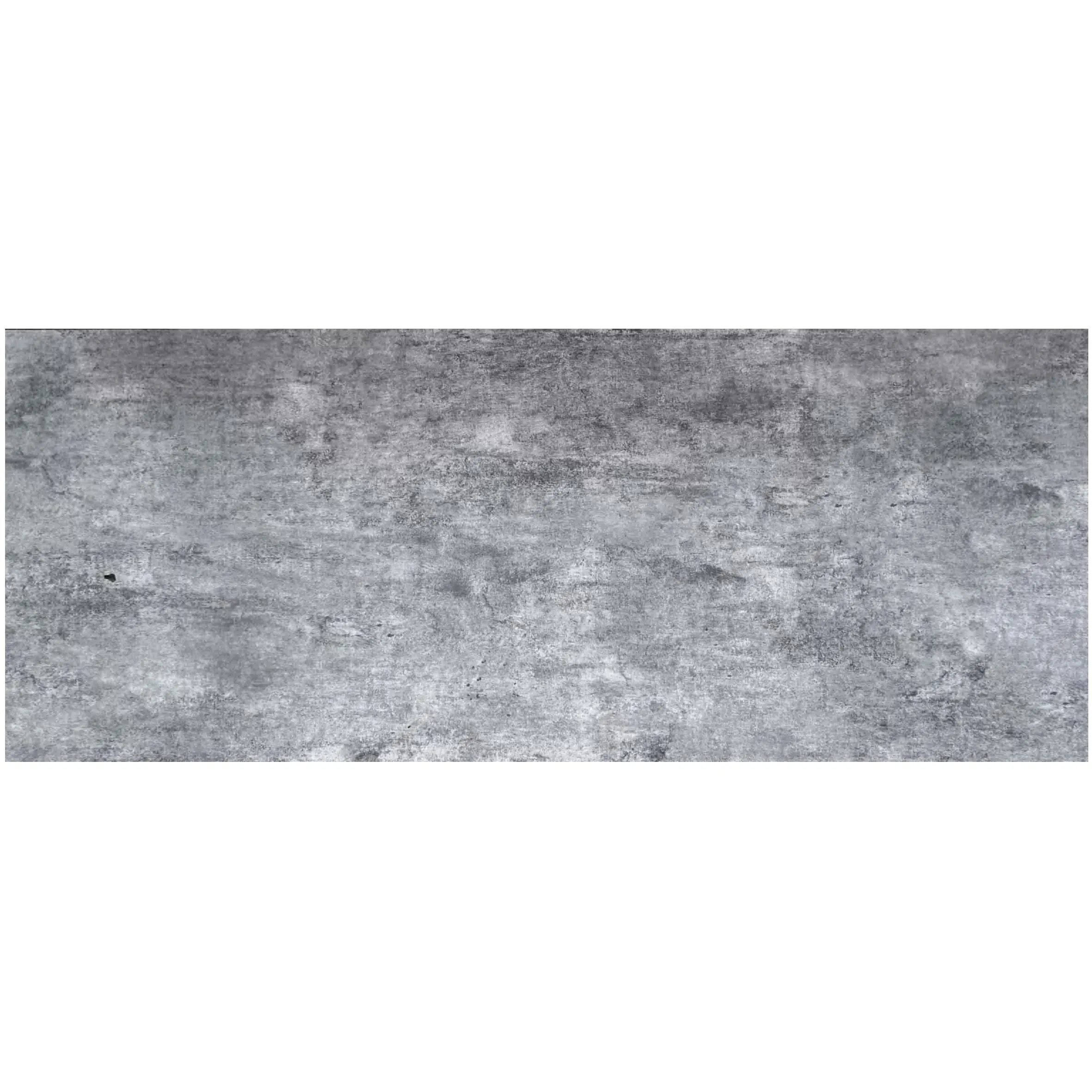
Blending durability, aesthetics, and local resilience—how COLORIA's expertise is redefining polished concrete in the Kingdom
Step into a Riyadh office tower, a Jeddah luxury hotel, or a Dammam retail complex, and you'll likely encounter a flooring trend that's taking Saudi Arabia by storm: polished concrete. It's not just about sleek looks—this material carries the weight of the Kingdom's architectural ambitions: standing up to scorching summers, echoing the desert's raw beauty, and meeting the demand for sustainable, low-maintenance design. But achieving that perfect balance of strength and style? That's where COLORIA GROUP comes in. With decades of experience in modified cementitious materials (MCM) and a team of engineers dedicated to Saudi projects, we're not just supplying materials—we're crafting flooring solutions that feel like they belong here, in the heart of the Middle East.
Saudi Arabia's climate is unforgiving: temperatures soar above 50°C in summer, sandstorms scour building exteriors, and humidity spikes along the coast. Flooring materials here can't just "look good"—they need to perform . Traditional marble cracks under thermal expansion; ceramic tiles loosen in moisture; even standard concrete dulls quickly under heavy foot traffic. Polished concrete, when done right, solves these pain points. It's heat-resistant, easy to clean (critical in desert environments), and develops a natural sheen that ages beautifully—no need for constant waxing or sealing.
But "done right" is the key phrase. In Riyadh's bustling financial district or Jeddah's waterfront developments, clients don't just want durable floors—they want floors with character. Maybe a texture that mimics the ripples of sand dunes, or a color that evokes the Hijaz Mountains at sunset. That's where COLORIA's MCM technology and engineering support turn a basic material into something extraordinary.
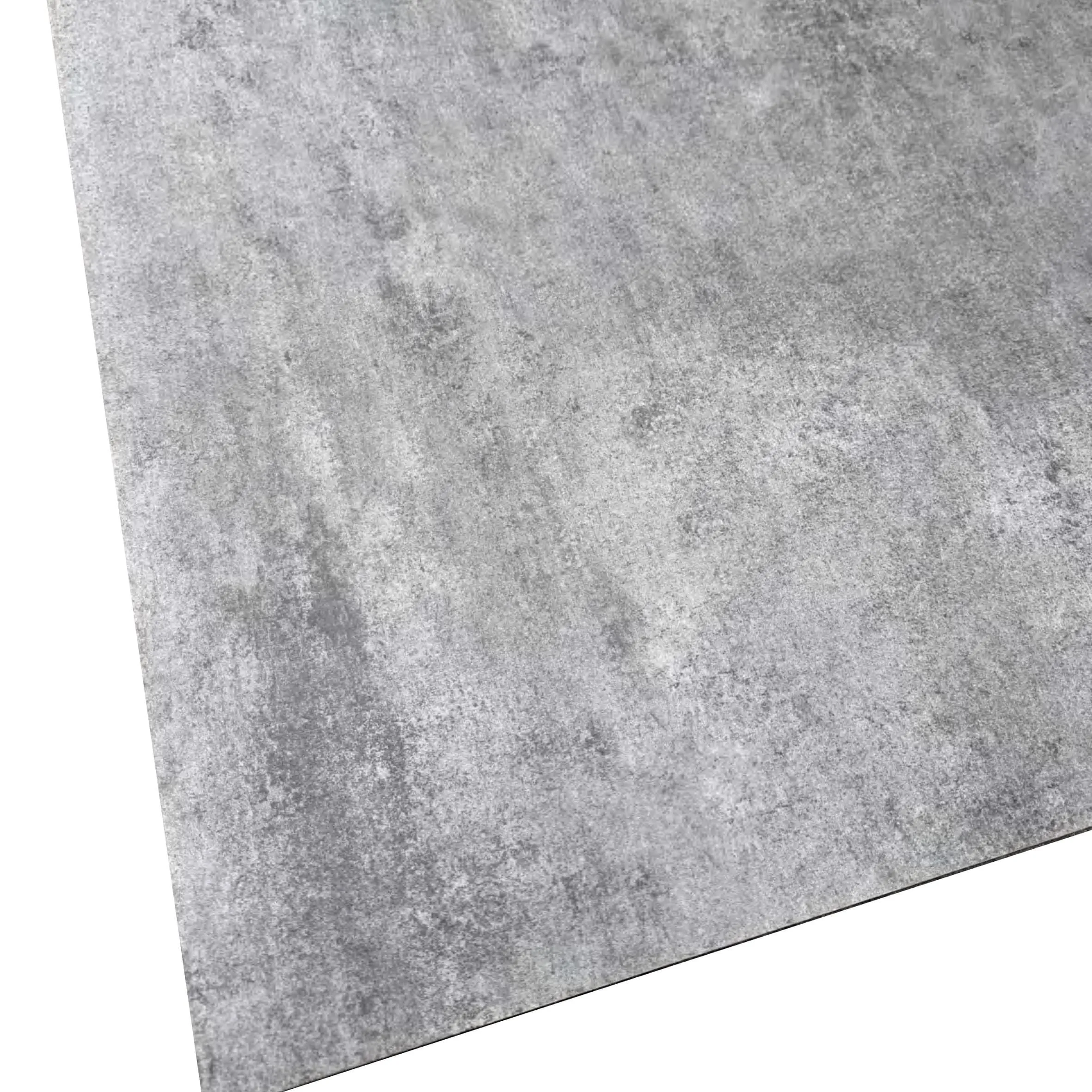
Based in China but with deep roots in the Middle East (our Saudi agency has been operational for over a decade), COLORIA isn't new to the region's needs. We specialize in modified cementitious materials (MCM)—a family of products engineered to be lighter, stronger, and more versatile than traditional construction materials. For polished concrete floors, this translates to three game-changing advantages: customization, durability, and sustainability—all backed by our on-the-ground engineering team.
"Our engineers don't just hand over a product spec sheet," says Khalid Al-Mansoori, COLORIA's Regional Technical Director for the Middle East. "We walk the site with architects, study the building's orientation, even test local sand and water samples. In Saudi Arabia, every project is unique—your solution should be too."
While polished concrete is the star, it rarely works alone. COLORIA's MCM product lines complement and enhance its performance, adding design flexibility and technical resilience. Let's dive into the key players:
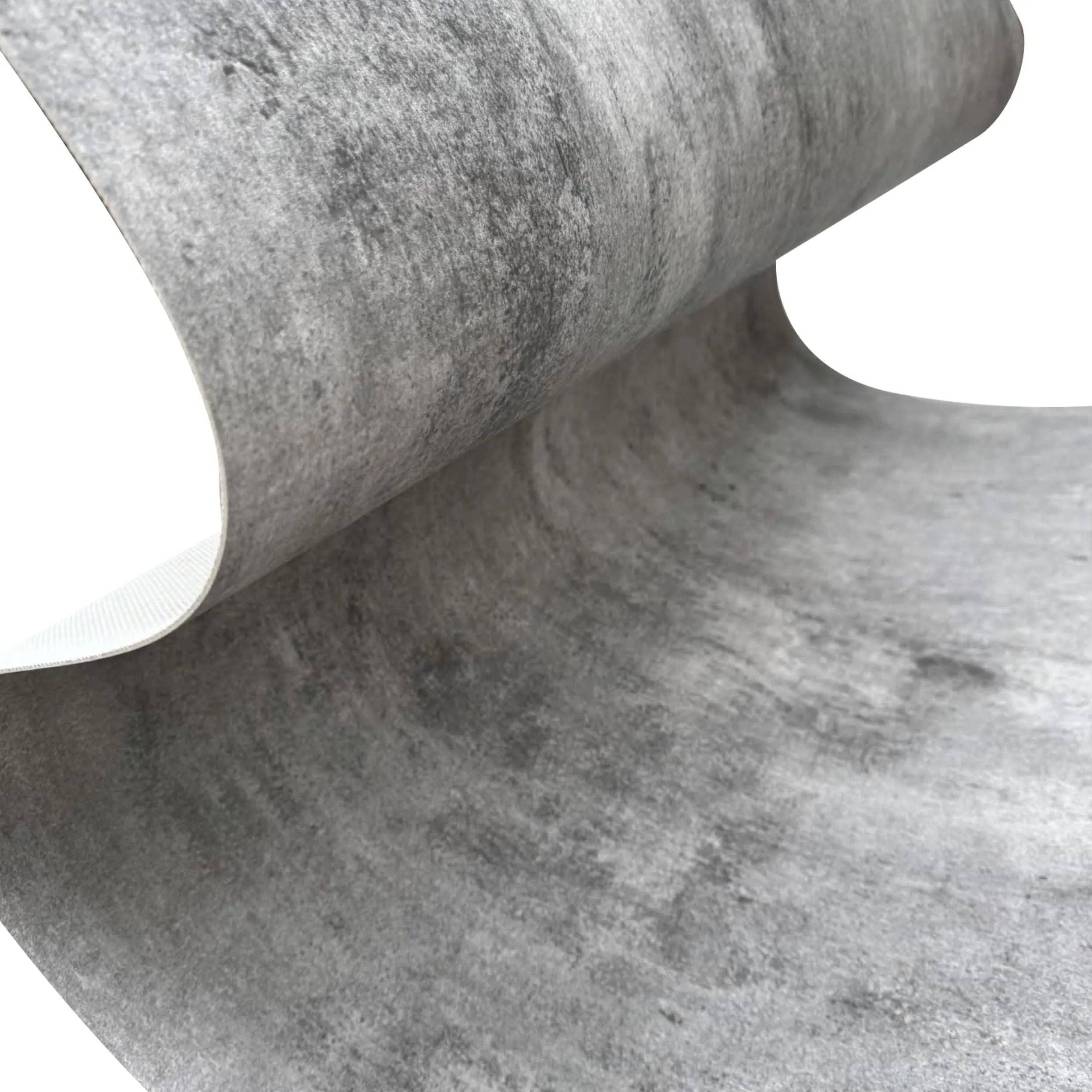
Imagine a material that bends like rubber but withstands Saudi summer heat—that's mcm flexible stone . Traditional stone cladding is heavy and brittle, making it risky for high-rise floors. Our flexible stone, by contrast, is just 4-6mm thick and weighs 8kg/m² (half the weight of marble). This lightness reduces structural load, a huge plus for skyscrapers in Riyadh or Dammam.
But its real magic? It can be shaped to mimic any texture—from the rough grain of pine bark board to the smooth flow of wave panel . For polished concrete floors, we often pair it with concrete as an inlay or border. In a recent Jeddah hotel project, designers used flexible stone in travertine (starry green) —a deep, iridescent shade that shimmers like the Red Sea at dusk—to create accent strips along the lobby floor. The result? A floor that's both durable enough for daily use and visually striking enough to become a talking point.
Want a polished concrete floor with geometric patterns inspired by Najdi architecture? Or a logo embedded directly into the concrete? Enter mcm 3d printing series . Our 3D printers can create precast concrete panels with intricate designs—from semicircle board edges to rust mosaic stone inlays—that are then integrated into the polished floor system.
"In Riyadh's new tech campus, the client wanted the floors to tell a story," explains Lina Hassan, a COLORIA 3D Printing Specialist. "We 3D-printed panels with binary code patterns (using our fine line stone (grey) texture) and embedded them into the polished concrete. Now, every step across the floor feels like walking through a digital desert landscape." The best part? 3D printing cuts production time by 40% compared to traditional carving, which meant the project stayed on schedule despite tight deadlines.
Nothing breaks the flow of a polished concrete floor like visible seams. mcm big slab board series solves this with slabs up to 3m x 1.5m—large enough to cover expansive areas without unsightly joins. These slabs are made from high-density MCM, so they're scratch-resistant (ideal for shopping malls in Riyadh's King Abdullah Financial District) and stain-proof (a must for restaurant kitchens in Jeddah's Corniche).
Installation is a breeze too. Traditional concrete slabs require heavy machinery and weeks of curing; COLORIA's big slabs are lightweight enough for a two-person team to handle and cure in just 72 hours. "On a recent hospital project in Medina, we installed 500m² of big slab polished concrete in under a week," says Hassan. "The client was amazed—they'd budgeted three weeks for that phase alone."
For clients who love the raw, industrial look, fair-faced concrete is a revelation. Unlike polished concrete (which is ground and sealed to a high shine), fair-faced concrete is left in its natural state—with visible aggregate, subtle color variations, and a matte texture that feels warm underfoot. It's perfect for boutique hotels in Al-Ula, where designers want to blend modernity with the region's ancient rock-cut architecture.
COLORIA's fair-faced concrete uses locally sourced aggregates (we often incorporate Saudi desert sand for an authentic look) and additives that prevent cracking in extreme temperature swings. "In Tabuk, where winters can dip below 0°C, traditional fair-faced concrete would develop hairline cracks," notes Al-Mansoori. "Ours? We installed it in a resort there two years ago, and it still looks brand new."
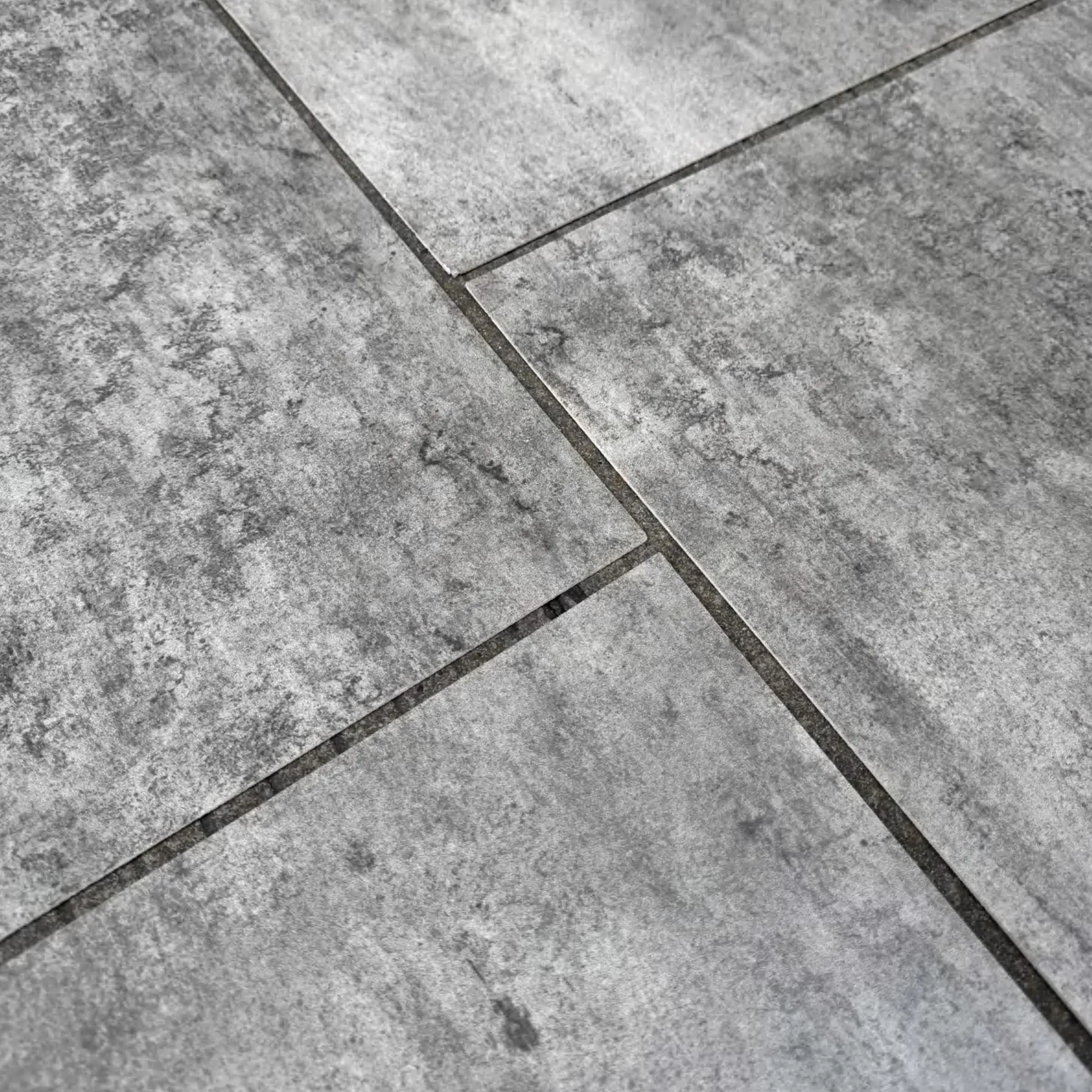
Great products need great technical support—and in Saudi Arabia, where construction timelines are tight and standards are high, this support can make or break a project. COLORIA's engineering team offers end-to-end assistance, from initial design to post-installation follow-up.
"No two sites in Saudi Arabia are the same," says Al-Mansoori. "The soil in Riyadh is sandy; in Dammam, it's clay-rich; in Jizan, it's saline. Each affects how concrete cures and adheres." COLORIA engineers start with a full site analysis: soil testing, moisture mapping, and thermal imaging to identify potential hotspots (critical for preventing floor warping in summer).
For example, in a Riyadh villa project, initial soil tests revealed high clay content, which expands when wet. Our engineers adjusted the concrete mix with MCM additives to improve drainage, and recommended a sub-base of gobi panel (a porous MCM product that acts like a "sponge" for excess moisture). The result? A floor that's stable even during rare but heavy Saudi downpours.
"Clients don't just want a floor—they want a floor that fits their brand or building's narrative," explains Lina Hassan. For a luxury hotel in Mecca, the client wanted floors that felt "timeless, like the city itself." COLORIA's team blended historical pathfinders stone (a weathered MCM texture) into the concrete mix, then polished it to a soft sheen. The final effect? A floor that looks like it's been walked on for centuries, yet is brand-new and built to last.
We also factor in practical needs. For a Riyadh airport terminal, where foot traffic exceeds 10,000 people daily, we added foamed aluminium alloy board (vintage silver) fibers to the concrete mix, increasing abrasion resistance by 30% compared to standard polished concrete. "Three years later, those floors still shine—no visible wear, even in high-traffic zones," says Al-Mansoori.
Even the best mix design fails without proper installation. COLORIA engineers stay on-site during the entire process, guiding contractors through mixing ratios, pouring techniques, and polishing sequences. "In Saudi Arabia, many contractors are experts in traditional materials but new to MCM," says Hassan. "We don't just train them—we work alongside them until they're confident."
Take the recent expansion of a Jeddah shopping mall. The contractor was used to installing ceramic tiles, not polished concrete. Our engineers set up a mock installation area, demonstrated how to use our lightweight trowels (designed for MCM products), and even adjusted the polishing schedule to avoid peak midday heat (which can cause concrete to dry too quickly). "By the end of the first week, the team was working faster than we'd projected," Hassan laughs. "They even asked if they could use our techniques on other projects!"
COLORIA's support doesn't end when the floor is polished. We offer a 10-year warranty on all MCM products, and our engineers conduct annual check-ups for the first three years. "In Yanbu, a client noticed some minor discoloration in their warehouse floor after six months," recalls Al-Mansoori. "We sent a team within 48 hours, identified the issue (a chemical spill that had seeped under a baseboard), and repaired it at no cost. That's the advantage of having local engineers—we're not just a phone call away; we're in the same time zone, same region."
| Feature | Traditional Polished Concrete | COLORIA MCM (Flexible Stone + 3D Printing + Big Slab) | Advantage for Saudi Projects |
|---|---|---|---|
| Weight (kg/m²) | 240-280 | 80-120 | Reduces structural load—ideal for high-rises in Riyadh |
| Installation Time | 7-10 days per 100m² | 2-3 days per 100m² | Meets tight deadlines for Saudi mega-projects |
| Thermal Resistance | Prone to cracking above 45°C | Stable up to 80°C | Withstands Saudi summer heat without damage |
| Customization Options | Limited (basic colors, minimal texture) | Unlimited (3D patterns, stone inlays, gradient colors) | Matches cultural and brand aesthetics |
| Maintenance Cost (10-year lifespan) | $5-8/m²/year | $1-2/m²/year | Lower long-term costs for budget-conscious clients |
Let's walk through a real-world example of how COLORIA's products and engineering support came together for a Saudi project. The Al-Majd Tower, a 25-story office building in Riyadh's King Abdullah Financial District, needed floors that were: (1) durable enough for 2,000+ daily employees, (2) visually striking to reflect the company's innovative brand, and (3) sustainable (a requirement for LEED certification).
The tower's lobby spans 800m², with a design inspired by the meeting of desert and modernity. The architect wanted a floor that transitioned from "rough desert" (near the entrance) to "sleek modern" (near the elevators). Traditional materials couldn't achieve this gradient without seams or high costs.
"The floor became the building's 'wow factor,'" says the project architect, Sarah Al-Zahrani. "Visitors stop to take photos of the transition from rough to smooth—it tells our company's story without a single word." The project was completed 2 weeks ahead of schedule, and the LEED audit praised the use of locally sourced materials (reducing carbon footprint) and MCM's low-VOC emissions.
Saudi Arabia's Vision 2030 prioritizes sustainable construction, and COLORIA's MCM products align perfectly with this goal. Our materials are:
"We recently completed a LEED Platinum-certified school in Riyadh using MCM flexible stone and fair-faced concrete," notes Al-Mansoori. "The floors have reduced the school's annual maintenance costs by 40%, and the students love the star gravel texture we added—it feels like walking on a desert night sky."
Polished concrete floors in Saudi Arabia aren't just about function—they're about telling a story. A story of desert resilience, modern innovation, and cultural pride. With COLORIA GROUP's MCM products and on-the-ground engineering support, you're not just installing a floor—you're creating a foundation that lasts for decades, adapts to Saudi's unique challenges, and looks stunning while doing it.
Whether you're building a luxury hotel in Jeddah, a tech campus in Riyadh, or a residential complex in Dammam, our team is ready to bring your vision to life. Because in Saudi Arabia, great architecture deserves great floors—and great floors deserve great technical support.
"At the end of the day, we don't just sell materials," says Al-Mansoori. "We build partnerships. And in Saudi Arabia, partnerships are how we build the future."
Recommend Products












