
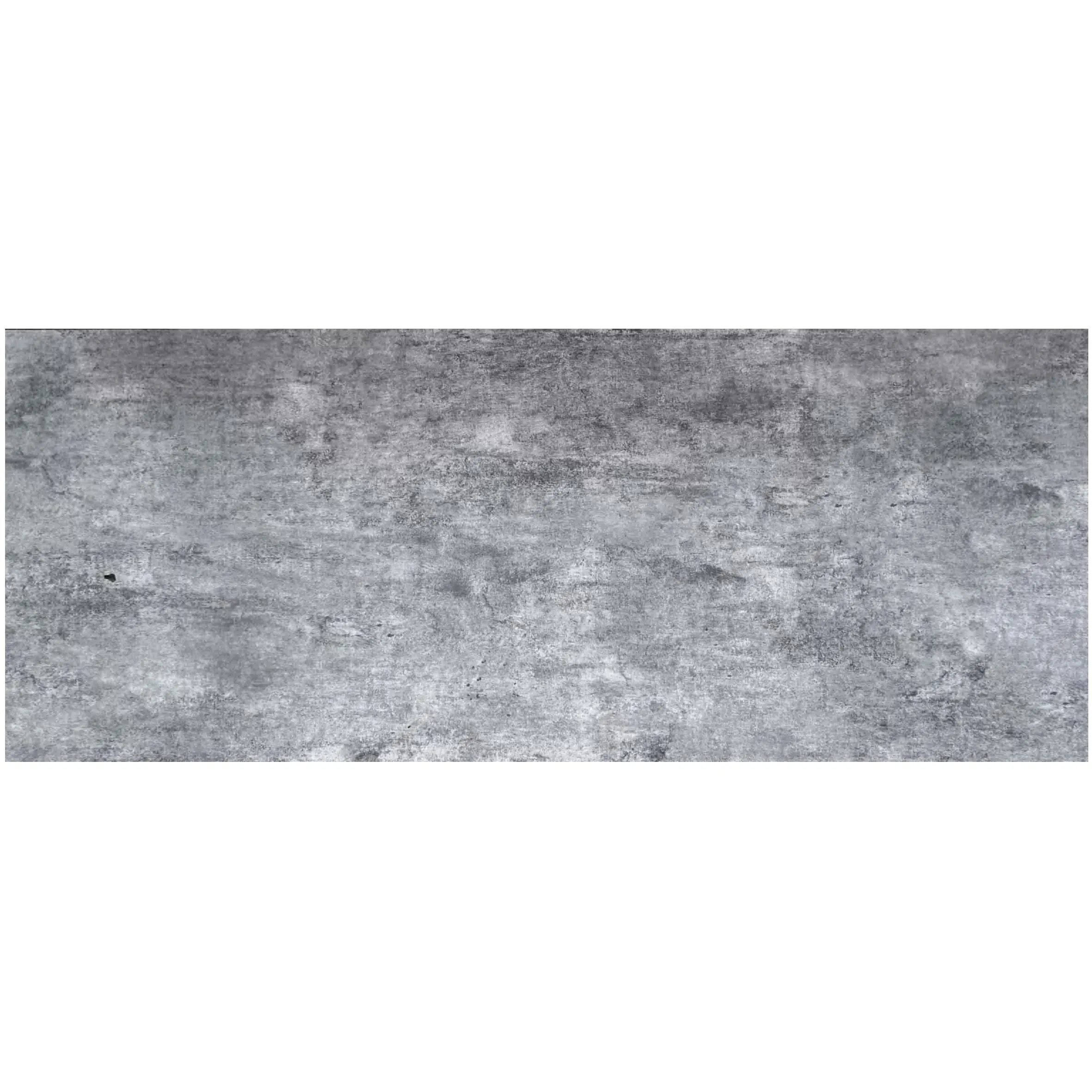
In the heart of the Middle East, where the sun blazes relentlessly and sandstorms test the limits of durability, Saudi Arabia's construction landscape is undergoing a remarkable transformation. As cities like Riyadh, Jeddah, and Dammam rise with sleek skyscrapers, sprawling malls, and cultural hubs, the demand for building materials that can withstand extreme heat, resist (sandstorms), and still exude elegance has never been higher. Among these, polished concrete floors have emerged as a star player—blending industrial ruggedness with modern (aesthetics), low maintenance, and long-term cost efficiency. But here's the catch: achieving that perfect polish, ensuring it stands up to Saudi Arabia's harsh climate, and aligning it with architectural visions isn't just about pouring concrete. It requires expertise, innovation, and on-the-ground support. That's where COLORIA GROUP steps in, with a team of engineers dedicated to turning challenges into stunning, lasting results.
As a one-stop solution provider with decades of experience in the building materials industry—and a local presence in Saudi Arabia—COLORIA GROUP isn't just selling products; they're building partnerships. Their secret weapon? A deep understanding of the region's unique demands and a portfolio of modified cementitious materials (MCM) designed to thrive where others falter. Today, we're diving into how COLORIA's engineers are redefining polished concrete floors in Saudi Arabia, supported by game-changing products like their MCM Big Slab Boards, Flexible Stone, and Lunar Peak series. Let's start by unpacking why polished concrete has become the go-to choice here—and why technical support makes all the difference.
Walk into any modern commercial space in Riyadh or a luxury villa in Jeddah, and chances are you'll find yourself standing on polished concrete. Why? Let's break it down. First, durability : Saudi Arabia's temperatures soar above 45°C in summer, and traditional flooring materials like marble or tiles often crack under thermal stress or wear down quickly in high-traffic areas. Polished concrete, when done right, can handle heavy foot traffic, resist fading from UV rays, and stand up to the occasional sandstorm grit. Second, low maintenance : In a region where water conservation is critical, polished concrete floors require minimal cleaning—no need for harsh chemicals or frequent waxing. A quick sweep and damp mop are usually enough to keep them gleaming. Third, design flexibility : Gone are the days when concrete meant "dull gray." Today's polished concrete can be stained, dyed, or embedded with aggregates to mimic stone, metal, or even wood, fitting seamlessly into both industrial-chic cafes and high-end hotel lobbies.
But here's the reality check: Many contractors in Saudi Arabia have faced frustrations with polished concrete projects gone wrong. Maybe the surface cracked after the first summer, or the polish faded within a year, or the installation took twice as long as planned due to material inconsistencies. These issues often stem from using generic concrete mixes not tailored to the region's climate, or a lack of technical guidance on surface preparation, curing, and sealing. That's where COLORIA GROUP's engineers become invaluable. They don't just supply materials—they roll up their sleeves, assess the project site, and craft solutions that account for everything from soil composition to local weather patterns.
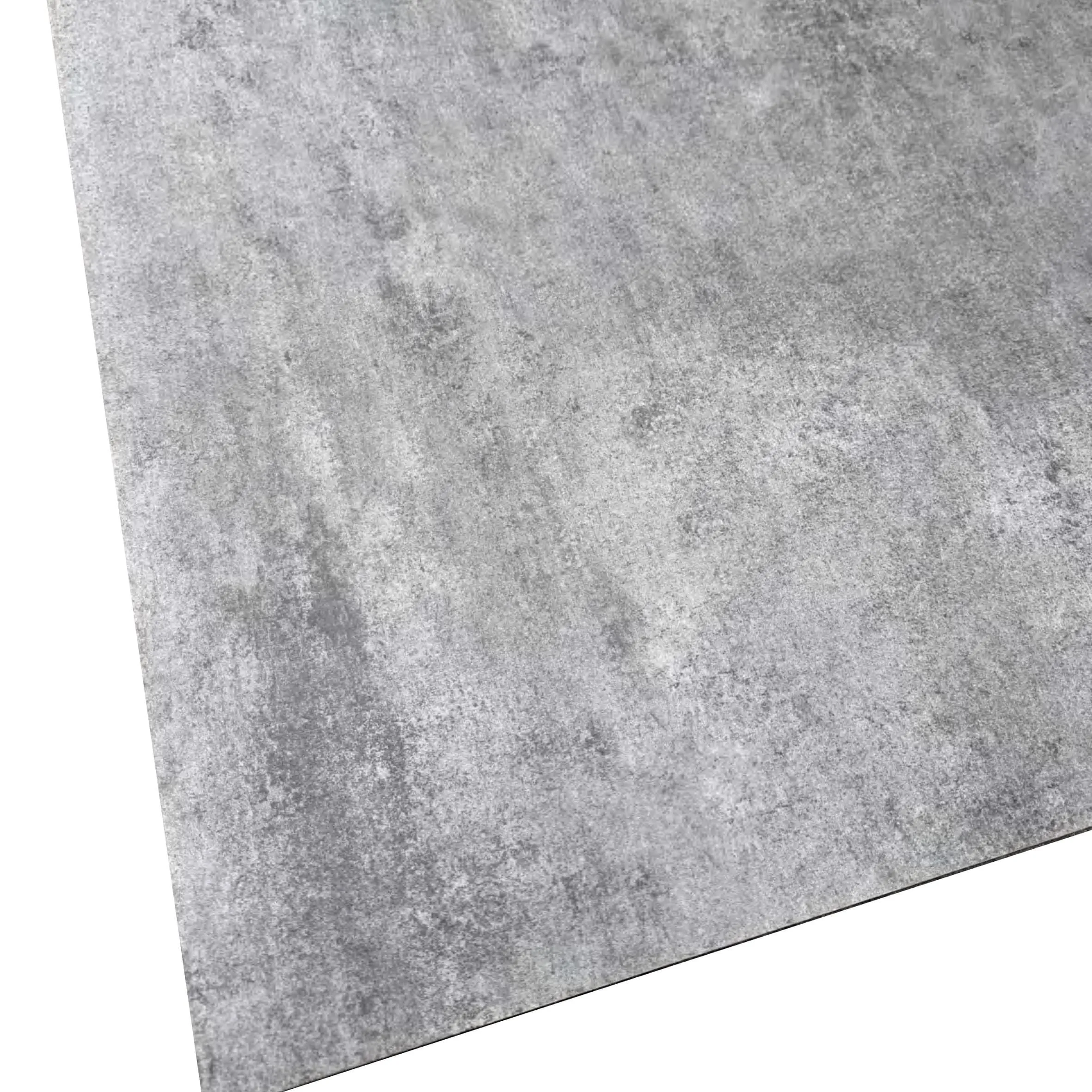
Before we dive into the products, let's get to know the team behind the scenes. COLORIA GROUP isn't new to the game. With decades of experience in the global building materials market, they've built their reputation on two pillars: innovation and reliability. Their focus on MCM (Modified Cementitious Material) products—engineered to be stronger, lighter, and more versatile than traditional cement-based materials—has made them a favorite among architects and contractors worldwide. And in Saudi Arabia, where they've established a local agency, their engineers are on call to provide end-to-end support: from initial design consultations to on-site installation supervision and post-project maintenance tips.
"We don't just hand over a product spec sheet and wish you luck," says Ahmed, a senior COLORIA engineer based in Riyadh. "Every project in Saudi Arabia is unique. A mall in Jeddah has different needs than a villa in Al Khobar. We start by asking questions: What's the foot traffic like? Will the area be exposed to direct sunlight all day? Are there existing structural constraints? Then we tailor our approach—whether that means adjusting the MCM mix, recommending a specific sealing process, or suggesting complementary materials like our Flexible Stone for accent walls."
Now, let's explore the stars of the show: the products that, when paired with COLORIA's engineering support, are elevating polished concrete floors in Saudi Arabia.
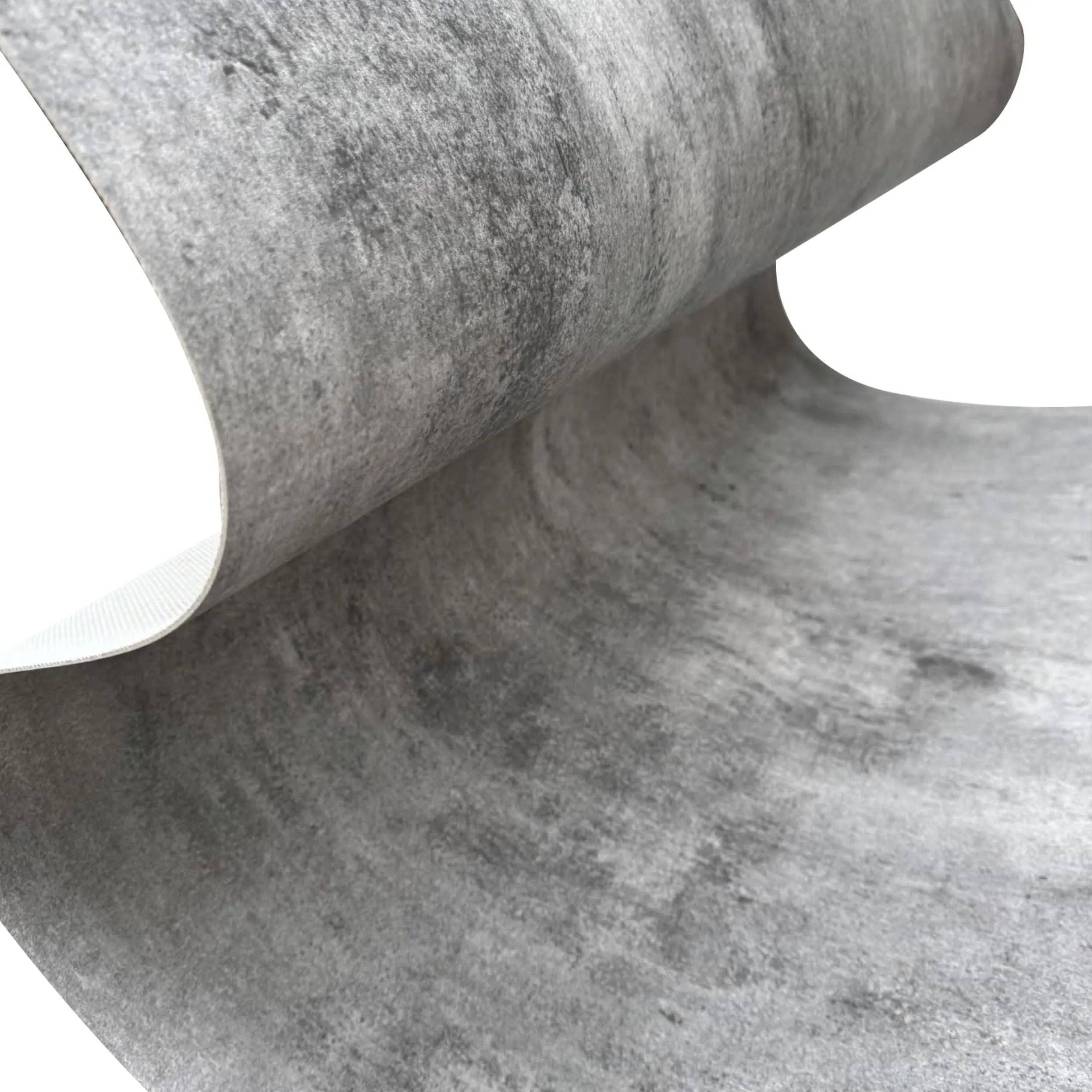
At the core of COLORIA's polished concrete offering is their proprietary MCM-based mix. Unlike standard concrete, which can be porous and prone to cracking in extreme temperatures, COLORIA's polish concrete is engineered with modified additives that enhance its density, reduce water absorption, and boost thermal stability. "In Saudi Arabia, the biggest enemy of polished concrete is thermal expansion," explains Ahmed. "When the sun beats down, the floor heats up; at night, it cools rapidly. That cycle can cause micro-cracks over time. Our MCM mix reduces that expansion by up to 25%, and our surface hardening treatment creates a barrier that resists oil, stains, and even the occasional coffee spill in a busy café."
What truly sets it apart, though, is the finish. COLORIA's engineers use diamond grinding techniques tailored to the aggregate in the mix, bringing out subtle flecks of color or texture that add depth to the floor. Whether it's a matte finish for a minimalist office or a high-gloss shine for a luxury retail space, the result is a surface that reflects light beautifully without being slippery—critical in areas with air conditioning (and thus, occasional moisture).
Imagine installing a polished concrete floor in a 10,000 sq ft shopping mall. With traditional concrete slabs, you'd be looking at dozens of expansion joints, which not only disrupt the visual flow but also trap dirt and sand—major headaches in Saudi Arabia's dusty environment. Enter COLORIA's MCM Big Slab Board Series: massive, lightweight panels (up to 3m x 1.5m) that cover more area with fewer seams. "These slabs are a game-changer for large projects," says Sarah, a COLORIA project manager who recently oversaw a mall installation in Riyadh. "We reduced the number of joints by 60% compared to standard 60cm x 60cm tiles. That means faster installation, less maintenance, and a floor that looks like one continuous, sleek surface—perfect for high-end retail where aesthetics matter as much as function."
But size isn't the only advantage. The MCM Big Slab Boards are pre-cured in controlled environments, ensuring consistent quality that's hard to achieve with on-site poured concrete. They're also lighter than traditional slabs (around 20kg per sq m), making them easier to transport and install in high-rise buildings. And yes, they can be polished to the same high standard as poured concrete, with the added bonus of being ready for foot traffic within 48 hours of installation—no waiting weeks for curing.
Not all polished concrete projects are about vast, flat floors. Sometimes, architects dream of curved walls, accent niches, or integrating flooring with vertical surfaces—and that's where MCM Flexible Stone shines. This innovative material is exactly what it sounds like: thin, bendable sheets that mimic the look of natural stone (think travertine, granite, or even the stunning travertine (starry green) with its galaxy-like veining) but weigh a fraction of the real thing. "We recently used Flexible Stone in a boutique hotel in Jeddah, where the designer wanted the polished concrete floor to flow up a curved accent wall," Sarah recalls. "Traditional stone would have been too heavy and brittle to bend without cracking. Flexible Stone? We wrapped it around the curve like wallpaper, then polished the edges to blend seamlessly with the floor. The result? A showstopper wall that's become the hotel's Instagram hotspot."
Starry Green Travertine, in particular, has become a favorite for adding a touch of luxury. Its deep green base with flecks of gold and silver (reminiscent of a desert night sky) pairs stunningly with polished concrete's neutral tones, creating a space that feels both grounded and ethereal. And because it's part of the MCM family, it shares the same heat resistance and durability as COLORIA's other products—no fading, no chipping, even in direct sunlight.
For projects that demand a futuristic, high-end look, COLORIA's lunar peak silvery , lunar peak golden , and lunar peak black series deliver. These MCM-based materials combine the durability of polished concrete with a metallic sheen that shimmers like moonlight on desert sand. "We developed the Lunar Peak line for clients who want something beyond traditional gray," explains Ahmed. "The silvery variant is popular in tech offices, where it pairs with glass and steel to create a sleek, modern vibe. The golden version? It's a hit in luxury hotels, adding warmth to polished concrete floors in lobbies and restaurants."
What's impressive is how the metallic finish holds up over time. Unlike paint or coatings that chip or fade, the Lunar Peak color is integrated into the MCM matrix, so it won't wear off—even in high-traffic areas. And yes, it's polishable too, allowing for a seamless transition between the metallic panels and standard polished concrete floors. In a recent project in Dammam, an IT company combined Lunar Peak Silvery panels with matte polished concrete, creating a floor that looks like a starlit landscape—fitting for a business focused on innovation.
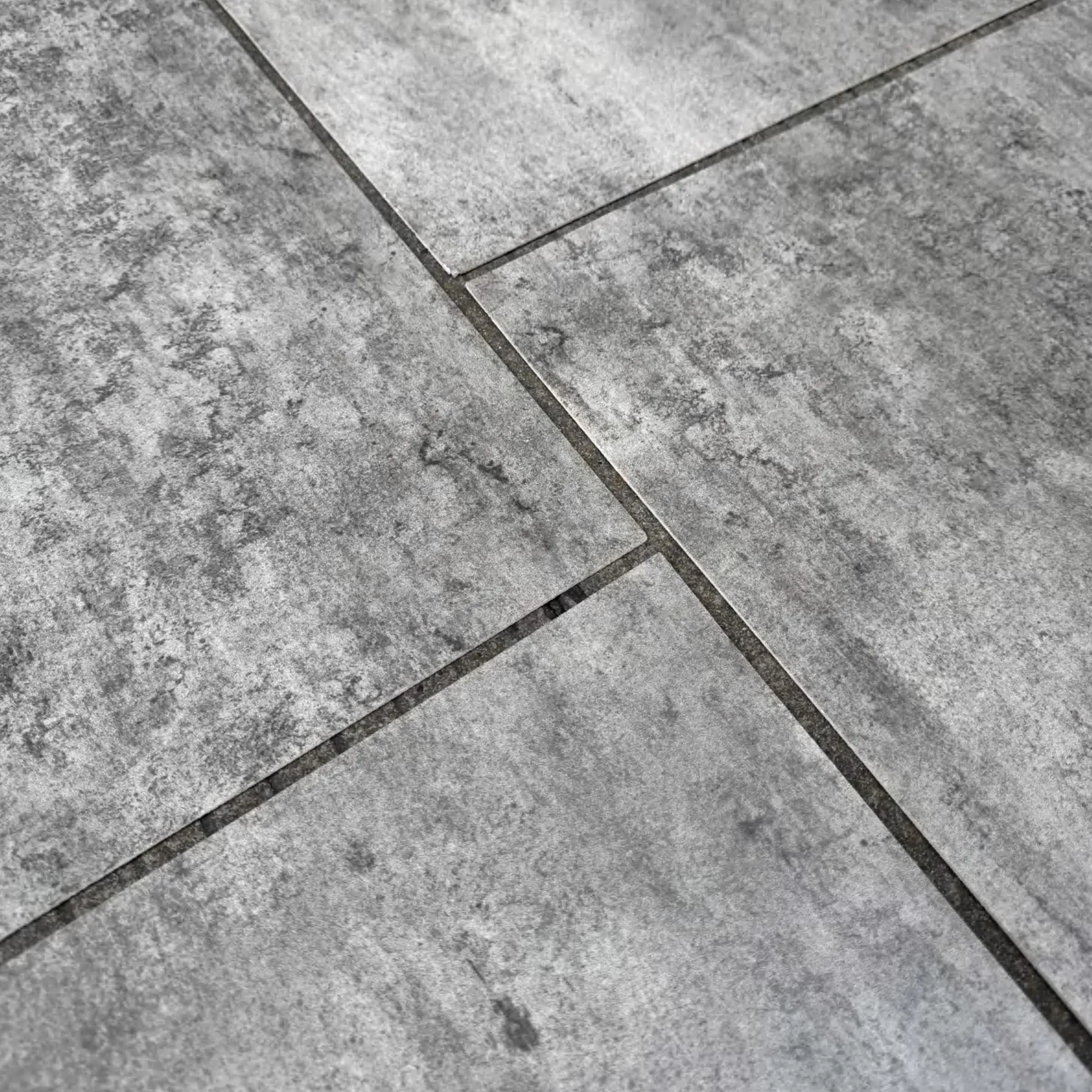
Products are only as good as the support behind them, and COLORIA's engineers take pride in being hands-on from day one. Let's walk through their typical process for a polished concrete project in Saudi Arabia:
Let's put this all into context with a real-world example. In 2024, a leading tech firm in Riyadh wanted to renovate their 10-story office tower, focusing on creating a modern, energy-efficient workspace that reflected their innovative brand. The key request? Polished concrete floors throughout the common areas—lobbies, corridors, and breakout spaces—that could handle 500+ employees daily, resist coffee spills, and align with their "tech meets nature" design theme.
COLORIA's team started with a site assessment and quickly identified challenges: the building's original 1990s concrete slabs had minor cracks, and the lobby area featured a curved wall that the architects wanted to integrate with the floor. Here's how they solved it:
The result? A workspace that employees love ("It feels open and bright, not sterile," one staff member noted) and a design that's become a talking point in Riyadh's architectural circles. And because the installation was completed 20% faster than projected, the client saved on labor costs—proving that technical support doesn't just improve quality; it boosts efficiency, too.
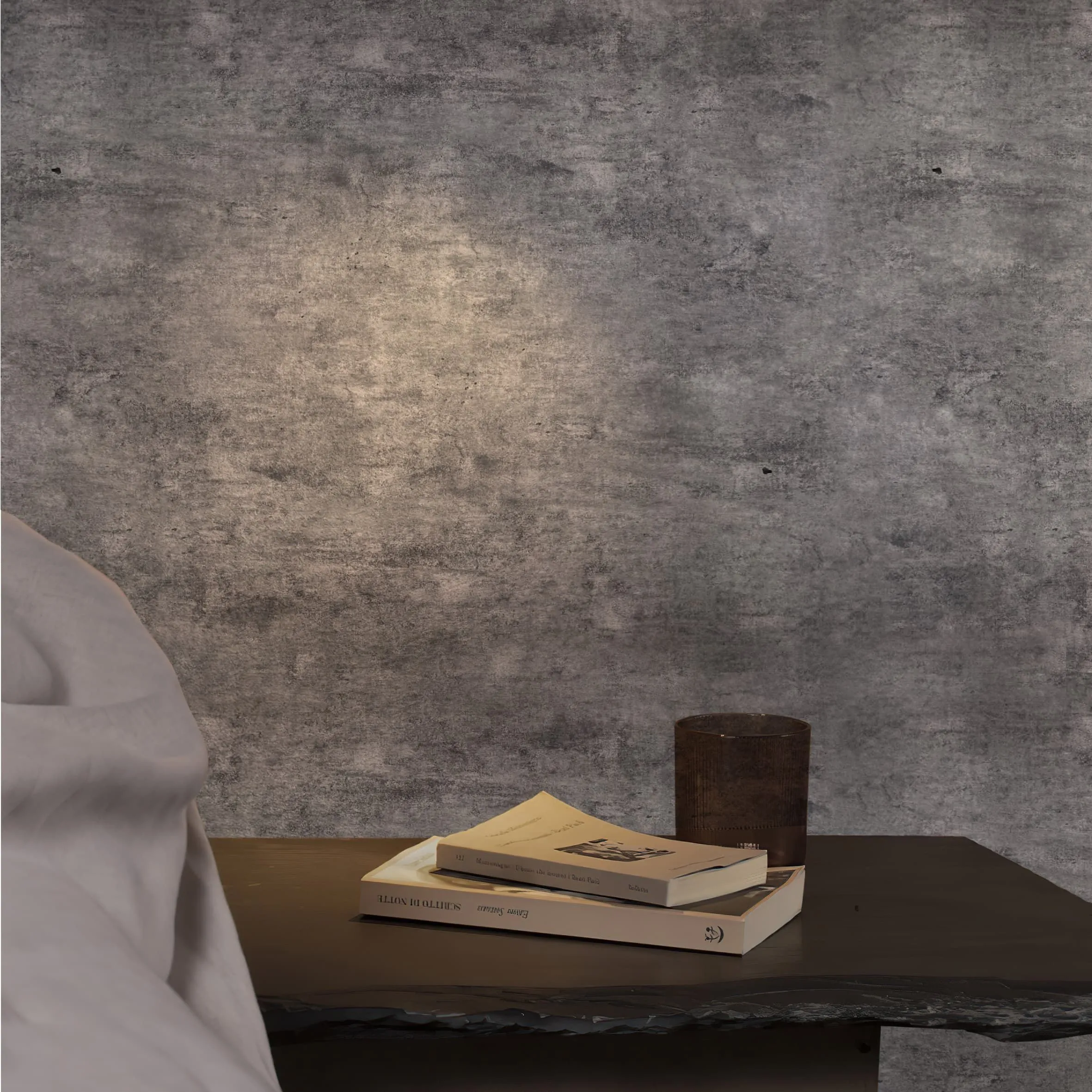
Polished concrete floors in Saudi Arabia aren't just a trend—they're a smart, sustainable choice for a region that demands both beauty and resilience. And with COLORIA GROUP's combination of innovative MCM products and on-the-ground engineering support, the days of settling for "good enough" are over. Whether it's a sprawling mall, a boutique hotel, or a cutting-edge office tower, COLORIA isn't just delivering floors; they're delivering peace of mind—knowing that the polished surface underfoot will look as good in 10 years as it does on day one.
So, to all the architects, contractors, and building owners in Saudi Arabia: If you're dreaming of polished concrete floors that can handle the desert heat, resist the sand, and turn heads, look no further than COLORIA GROUP. Their engineers don't just understand materials—they understand Saudi Arabia. And in a market where the difference between a project that thrives and one that falters lies in the details, that understanding is priceless.
After all, building in Saudi Arabia isn't just about constructing structures—it's about creating spaces that stand the test of time, climate, and change. With COLORIA GROUP, you're not just getting a supplier. You're getting a partner in building that future.
Recommend Products












