
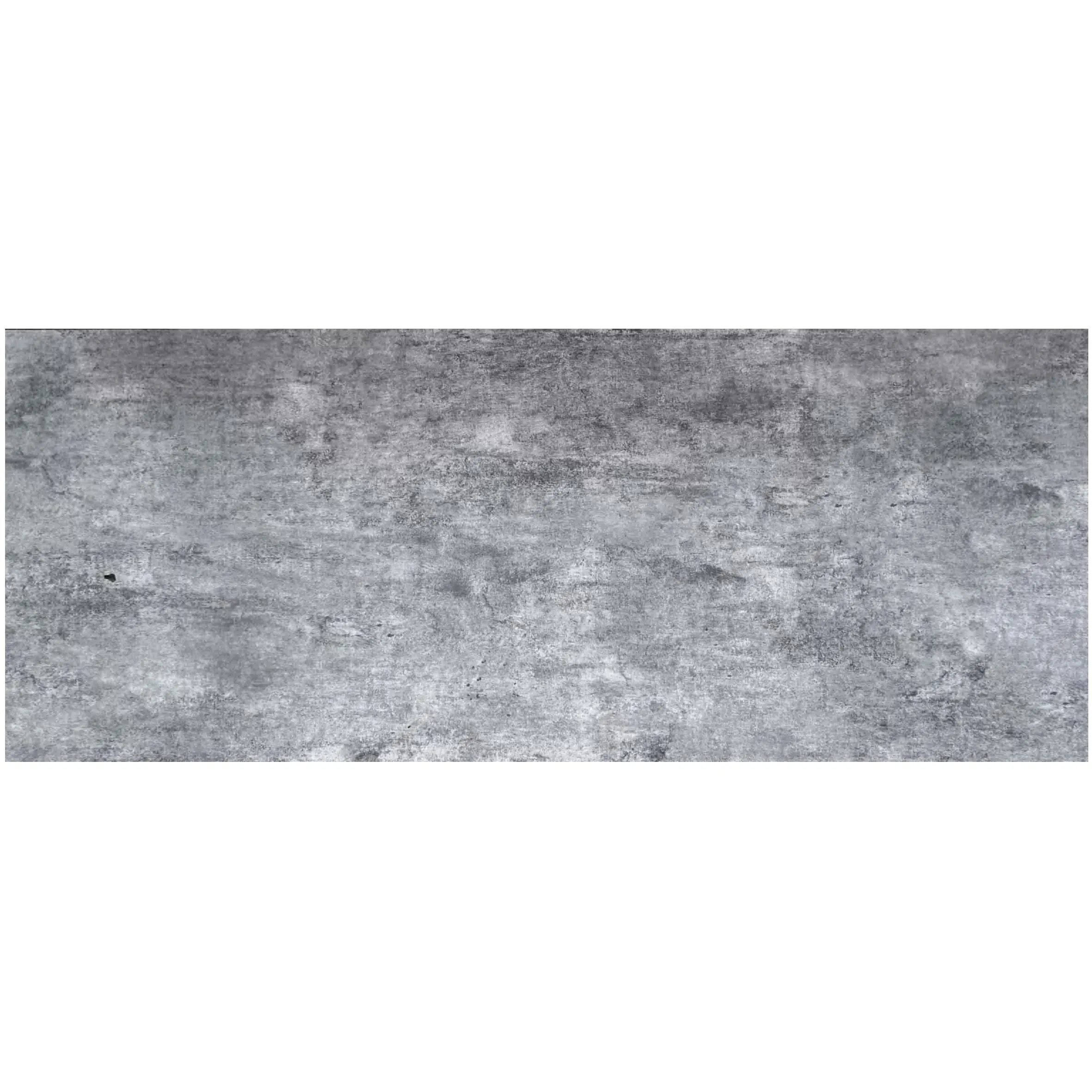
Step into the main hallway of Greenview High School on a bustling Monday morning, and your eyes are immediately drawn to the floors. They're smooth, with a subtle sheen that catches the sunlight streaming through the skylights, yet there's not a scratch in sight—despite the hundreds of students who've already rushed past, backpacks swinging, coffee mugs in hand, and the occasional art supply spill from a freshman's overstuffed bag. This isn't just any flooring; it's a testament to how educational spaces are reimagining durability and design. In a world where schools, universities, and learning centers face the dual challenge of withstanding daily chaos and inspiring young minds, the materials chosen for these environments matter more than ever.
Educational institutions aren't just buildings; they're living, breathing spaces where learning unfolds, ideas spark, and memories are made. But with that comes a unique set of demands. From kindergarten classrooms where tiny feet stampede during recess to university lecture halls where hundreds gather daily, the floors, walls, and surfaces in these spaces take a beating. Spills—whether it's milk, paint, or coffee—are inevitable. Scratches from chairs, backpacks, and even the occasional skateboard (we've all been there) are par for the course. And yet, these spaces also need to feel welcoming, not sterile. They need to reflect the creativity and ambition of the students and staff who inhabit them. So, what's the balance between tough-as-nails durability and design that doesn't just function, but inspires?
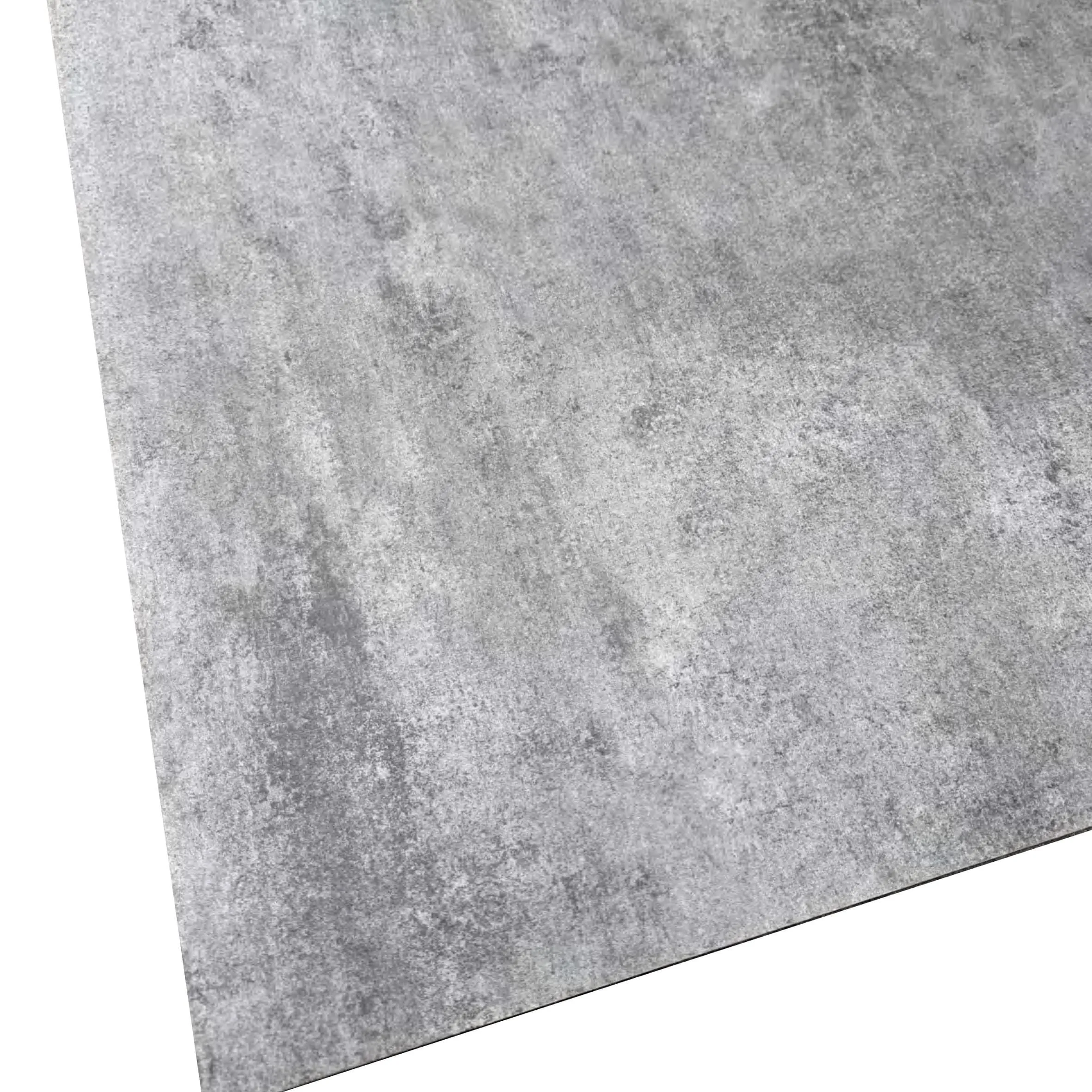
For years, polish concrete has been a go-to for many schools. Its reputation for toughness is well-earned—when properly installed and sealed, it can handle heavy foot traffic, resist stains, and maintain its finish for decades. Walk into any modern community college or tech school, and you'll likely find polish concrete floors in their common areas, cafeterias, and labs. It's cost-effective, too, especially when compared to natural stone or hardwood, and its neutral, industrial-chic look has a way of making spaces feel open and airy.
But polish concrete isn't without its limitations. It's heavy, which can add to construction costs and limit its use in retrofits. Its color palette, while versatile, is often restricted to earthy tones or stark whites. And for schools aiming for a more unique or warm aesthetic, it can feel a bit… plain. Imagine a art school trying to foster creativity with floors that look like every other office building's lobby. It misses the mark.
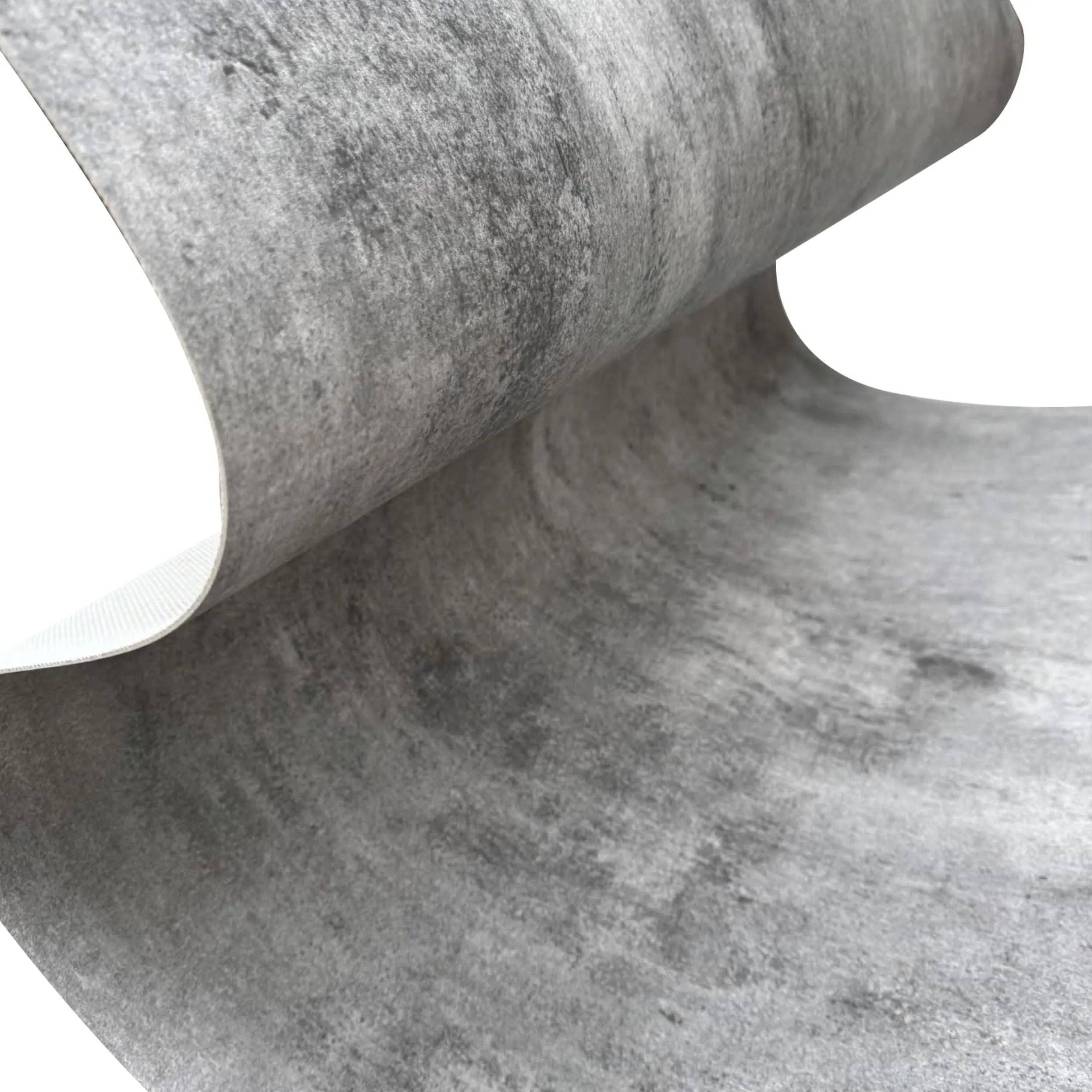
That's where the MCM project board series comes in. A relative newcomer to the educational design scene, MCM (Modified Composite Material) boards are redefining what's possible for high-traffic spaces. Picture a material that combines the durability of polish concrete with the lightweight flexibility of modern composites, and the design versatility of natural stone. That's MCM project board in a nutshell.
Why MCM Stands Out: Unlike traditional concrete or stone, these boards are engineered to be thin and lightweight—typically 3-6mm thick—making them easier and cheaper to install, even in older buildings where structural weight is a concern. But don't let their lightness fool you—they're tough. Made from a blend of mineral composites and reinforced fibers, MCM project boards can withstand the same wear and tear as polish concrete, if not more. And when it comes to spills? A quick wipe with a damp cloth is usually all it takes to keep them looking fresh, even after years of juice box accidents and science experiment mishaps.
What truly sets the MCM project board series apart is its design flexibility. Unlike polish concrete, which often leans into a uniform, industrial look, MCM boards can mimic the texture and appearance of almost any material—including travertine, lunar peak finishes, and even wood grain. For example, a primary school wanting to create a warm, nature-inspired library might opt for MCM boards that look like weathered oak, without the maintenance headaches of real wood. A high school with a focus on STEM could choose a sleek, lunar peak silver finish for their innovation lab, giving the space a futuristic, cutting-edge vibe that matches the curriculum.
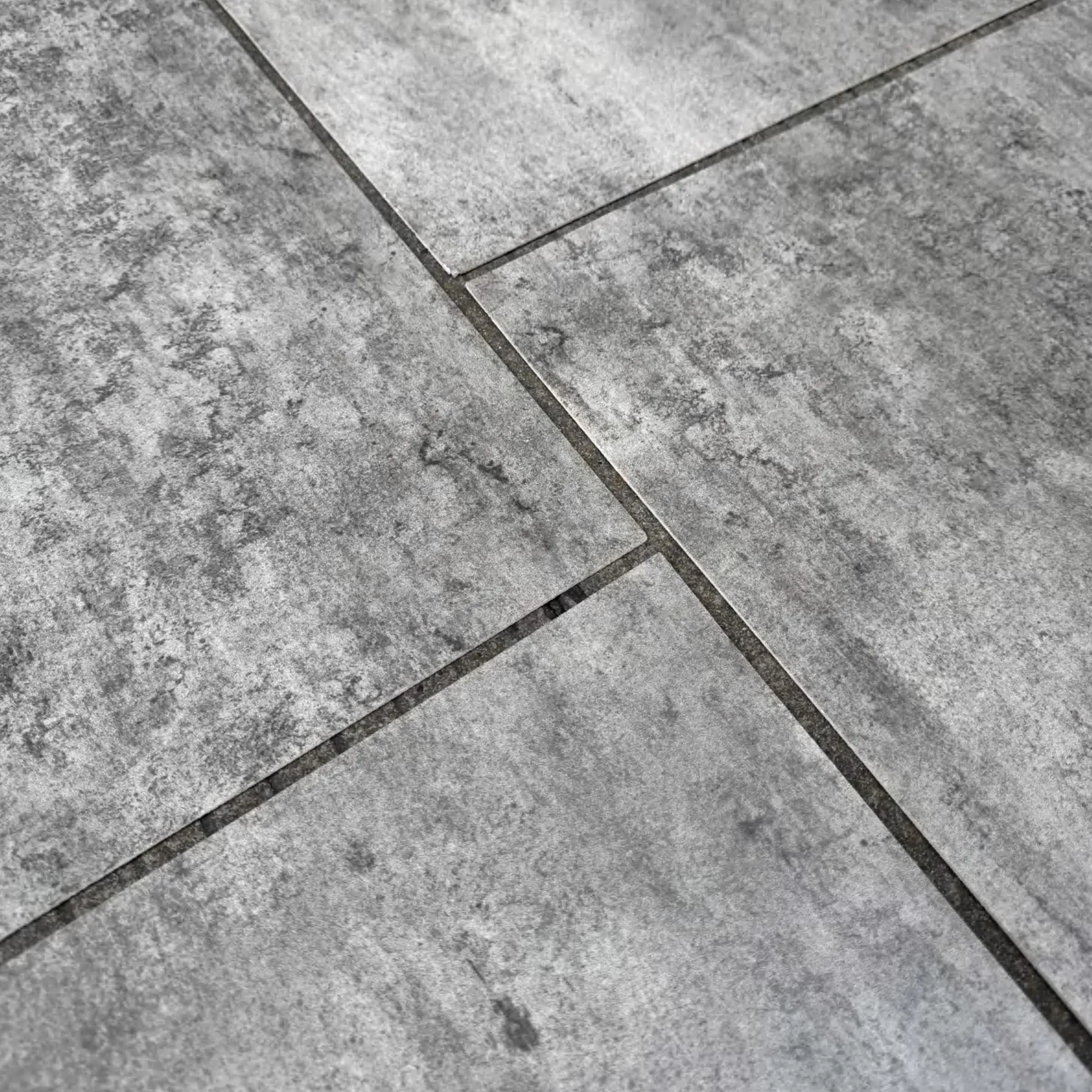
Let's put MCM project boards head-to-head with two common alternatives: fair-faced concrete and natural travertine.
Fair-Faced Concrete: Known for its raw, unadorned beauty, fair-faced concrete shows off the marks of its creation—formwork lines, slight color variations—and has a way of grounding a space with its earthy presence. But it's heavy and can be prone to cracking if not properly installed. MCM's fair-faced concrete lookalike boards are lighter, more resistant to cracking, and can be installed in thinner panels, reducing material waste. Plus, they're available in a range of shades, from soft off-whites to deep charcoals, allowing designers to fine-tune the mood.
Travertine: A natural stone beloved for its warm, pitted texture and organic charm, travertine adds timeless elegance to any space. However, it's porous, requiring regular sealing to prevent stains, and its weight makes installation costly. MCM project boards replicate travertine's look—down to the subtle veining and pitting—without the upkeep. A middle school in Portland recently swapped travertine for MCM travertine-look boards in their auditorium, cutting maintenance costs by 40% while keeping the same inviting aesthetic.
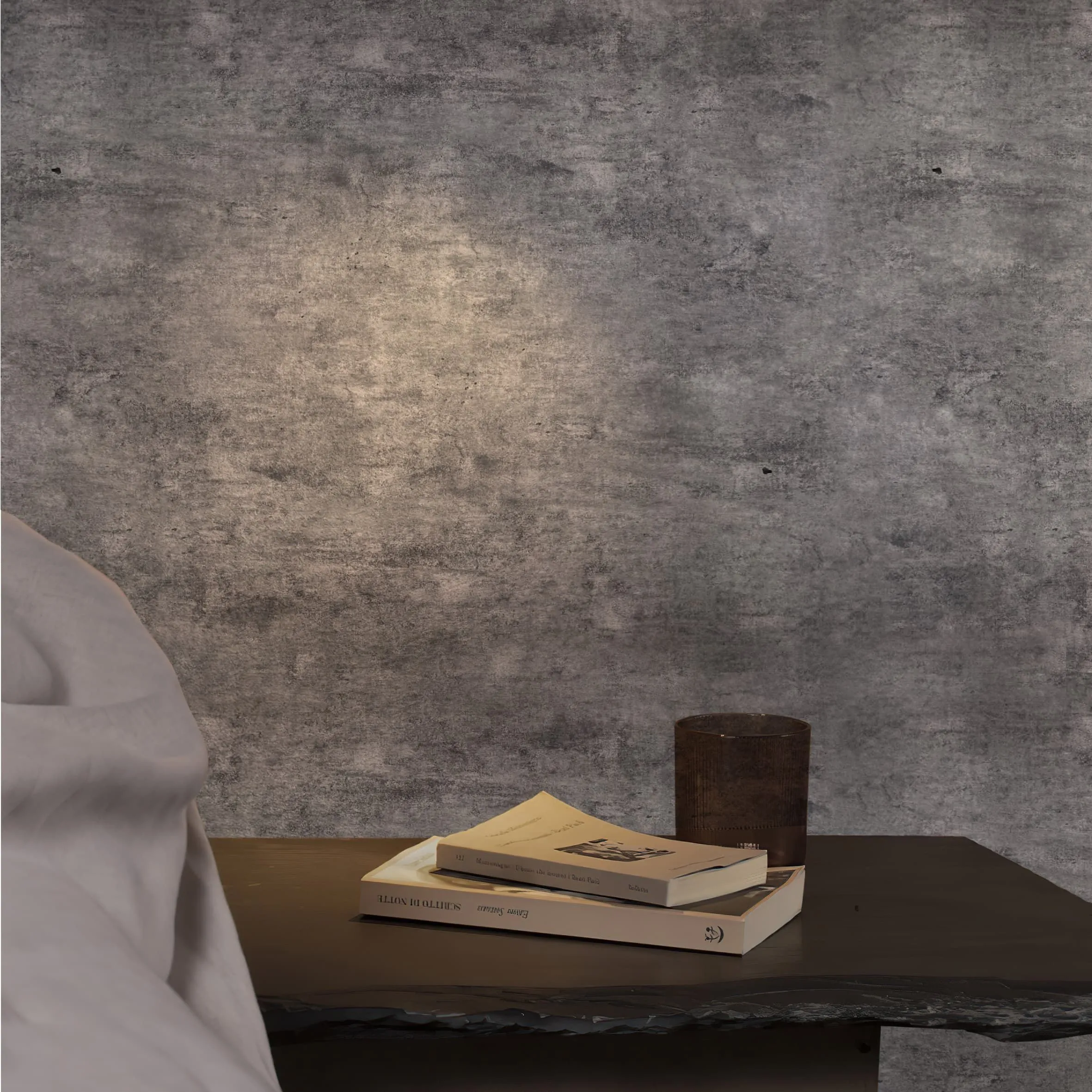
Take the recent renovation of Riverton University's School of Engineering. The design team wanted a space that felt both industrial and innovative, reflecting the school's focus on hands-on learning. Initially, they considered fair-faced concrete walls and polish concrete floors—a classic combo for STEM buildings. But budget constraints and the need to keep the building operational during renovations led them to explore alternatives.
Enter the MCM project board series. They opted for MCM panels in a lunar peak black finish for the walls, mimicking the look of polished basalt, and paired them with MCM travertine-look floors. The result? A space that feels both rugged and refined, with walls that can withstand the occasional bump from a rolling cart of lab equipment and floors that stay scratch-free despite daily foot traffic. Best of all, the renovation was completed two weeks ahead of schedule, thanks to the lightweight MCM panels, which were easier to transport and install than traditional concrete.
Over at Lincoln High School, the cafeteria renovation tells a similar story. Before, the space felt cold and institutional, with chipped tile floors and gray cinder block walls. Students rushed through meals, eager to escape. Now, with MCM project boards in a warm travertine finish, the cafeteria feels like a community hub. Teachers report seeing more students lingering to study or chat, and the school has even started hosting morning coffee events for parents there. It's a small change, but one that's had a big impact on school culture.
Today's educational institutions aren't just focused on durability—they're also prioritizing sustainability. MCM project boards deliver here, too. Traditional materials like travertine often require extensive mining and transportation, contributing to high carbon emissions. Polish concrete, while durable, has a significant carbon footprint due to cement production. MCM boards, by contrast, are often made with recycled materials and require less energy to produce and transport, thanks to their lightweight design. Riverton University estimates that by choosing MCM over natural travertine, they reduced their project's carbon footprint by nearly 30%—a point of pride in their sustainability report.
For facility managers, the bottom line matters. A beautiful material is useless if it requires constant upkeep. Here, MCM project boards and polish concrete both excel, but MCM edges ahead in long-term value. Polish concrete may need resealing every 5-10 years, disrupting school operations. MCM boards? They're virtually maintenance-free. A weekly sweep and damp mop keep them looking new for decades. Over 50 years—the typical lifespan of a school building—that adds up to significant savings in time and money.
As educational institutions continue to evolve, so too do the materials that shape them. Polish concrete will always have its place, offering reliability and affordability in spaces where function is paramount. But for schools aiming to inspire, innovate, and lead by example—whether through sustainability, design, or both—the MCM project board series represents a new standard.
It's a material that doesn't just endure the chaos of school life; it enhances it. By blending durability with design, practicality with inspiration, MCM project boards are helping to create educational spaces that don't just house learning—they nurture it. And in the end, isn't that what every school is striving for?
Recommend Products












