
Walk into a modern office today, and you'll quickly realize it's no longer just a place to work. It's a reflection of a company's identity, a space that shapes employee mood, and a tool that can even boost productivity. From the moment someone steps through the door, every design choice—from lighting to furniture to the very materials underfoot and on the walls—tells a story. In this era of hybrid work and competitive talent retention, offices are evolving into environments that balance functionality with inspiration. And at the heart of this evolution? The materials we choose to build them with.
Two materials have been making waves in contemporary office design: polish concrete and COLORIA MCM flexible stone. Both bring unique strengths to the table, but together, they unlock a level of design flexibility that's hard to match. Whether you're aiming for an industrial-chic startup vibe, a sleek corporate headquarters, or a warm, collaborative creative studio, these materials adapt to your vision—without compromising on durability or practicality. Let's dive into why they're becoming staples in forward-thinking office spaces.
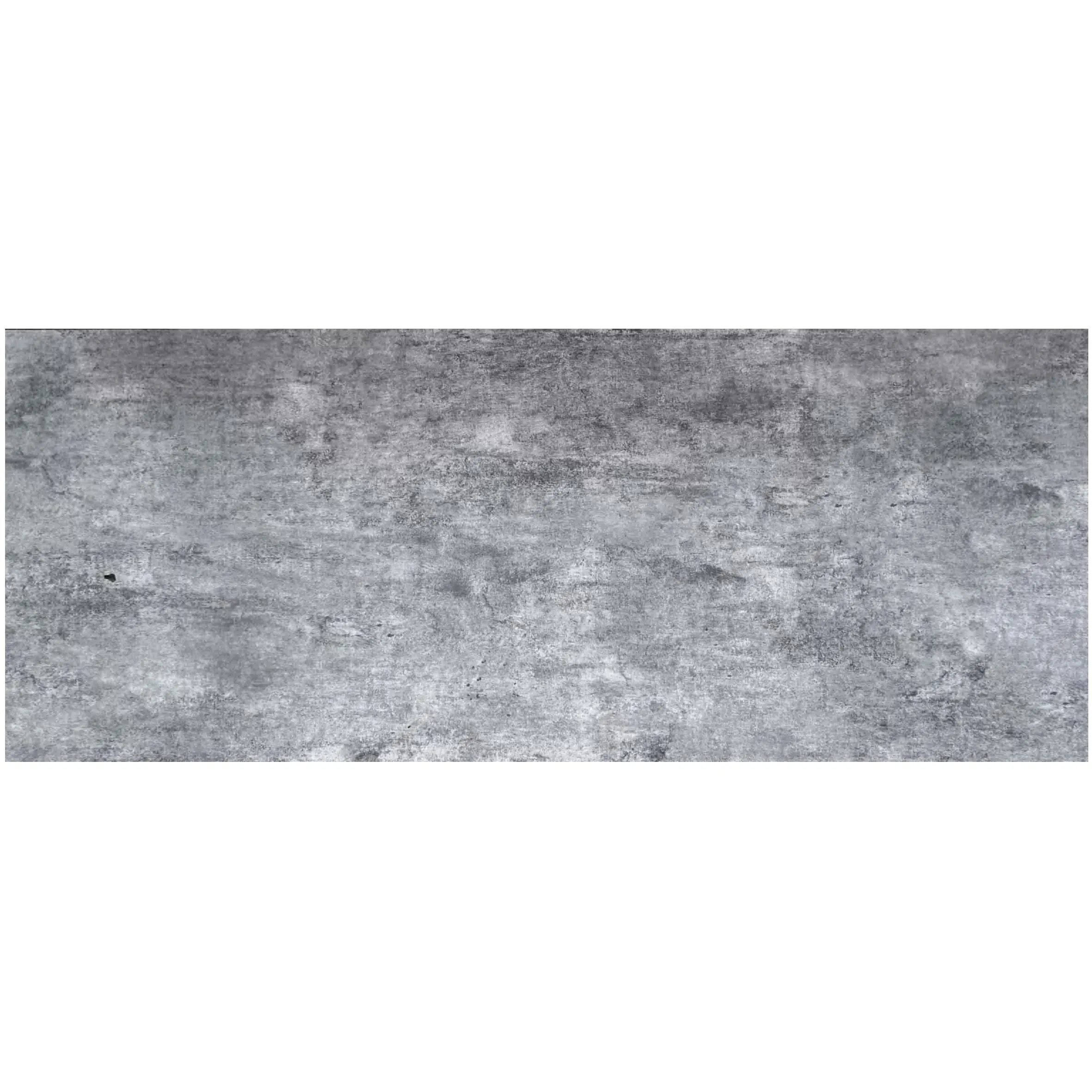
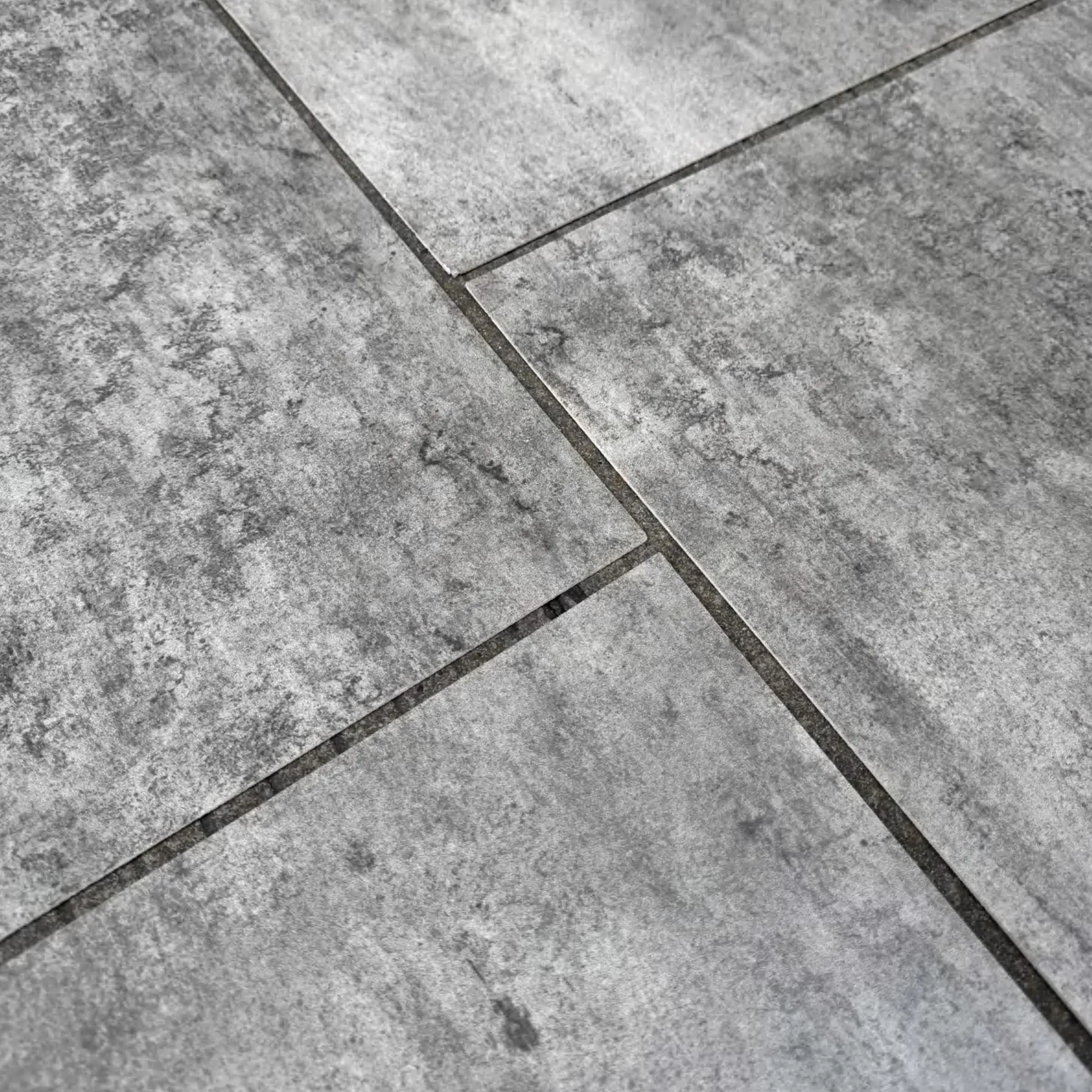
Polish concrete has come a long way from its humble origins as a utilitarian material for warehouses and garages. Today, it's a design powerhouse, celebrated for its raw, understated elegance and surprising versatility. So what exactly is polish concrete? At its core, it's regular concrete that's been ground down and polished using specialized tools, often sealed with a protective layer to enhance shine and durability. The result? A surface that feels both organic and refined—like a slab of stone that's been smoothed by time, but with a modern edge.
In offices, polish concrete shines (literally and figuratively) for a few key reasons. First, its durability is unmatched. Offices see heavy foot traffic, rolling chairs, and the occasional coffee spill—and polish concrete takes it all in stride. Unlike carpet, it won't stain or trap allergens; unlike hardwood, it won't scratch or warp with humidity. A well-installed polish concrete floor can last decades, making it a smart long-term investment for businesses looking to avoid frequent renovations.
But durability is just the start. Aesthetically, polish concrete is a blank canvas with endless possibilities. Want a cool, industrial look? Leave it with a matte finish and visible aggregate (the stones mixed into the concrete) for texture. Prefer something more minimalist? Opt for a high-gloss polish that reflects light, making small spaces feel larger. And color? Forget the drab gray of yesteryear—modern polish concrete can be tinted in soft beiges, warm grays, or even bold hues (though subtlety often works best in offices). It pairs seamlessly with other materials, too: think exposed brick walls, metal accents, or wooden furniture for a balanced, layered look.
Sustainability is another feather in its cap. Polish concrete uses locally sourced materials, reducing transportation emissions, and its long lifespan means less waste over time. Many formulations also incorporate recycled aggregates, making it a favorite for LEED-certified offices. Plus, its thermal mass helps regulate indoor temperatures, reducing heating and cooling costs—a win for both the planet and your budget.
Perhaps most importantly, polish concrete sets a tone of calm focus. In a world of constant visual noise, its smooth, uniform surface creates a sense of order and tranquility. Employees report feeling less distracted in spaces with polish concrete floors, as the material doesn't compete for attention with busy patterns. It's a subtle detail, but in high-pressure work environments, every bit of calm counts.
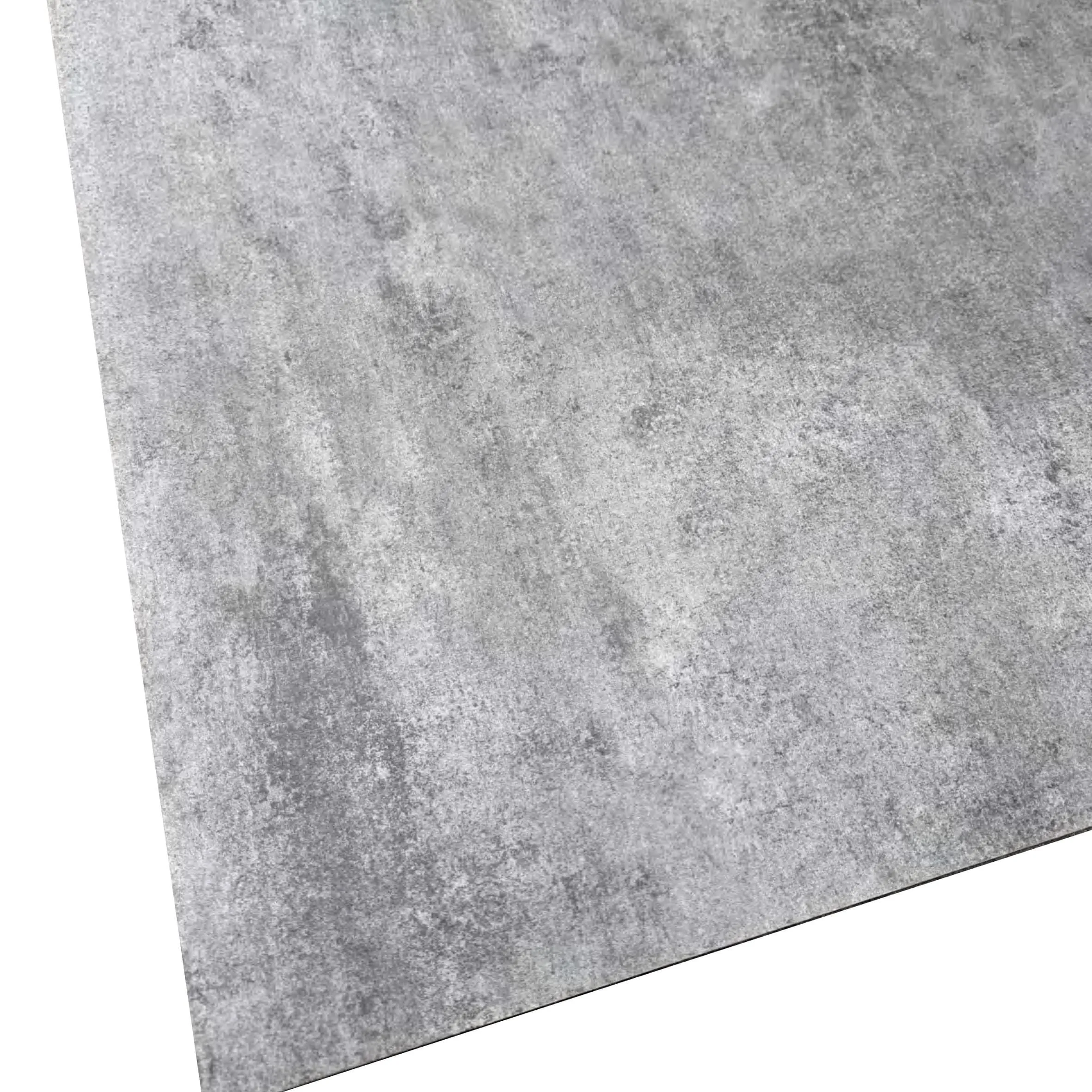
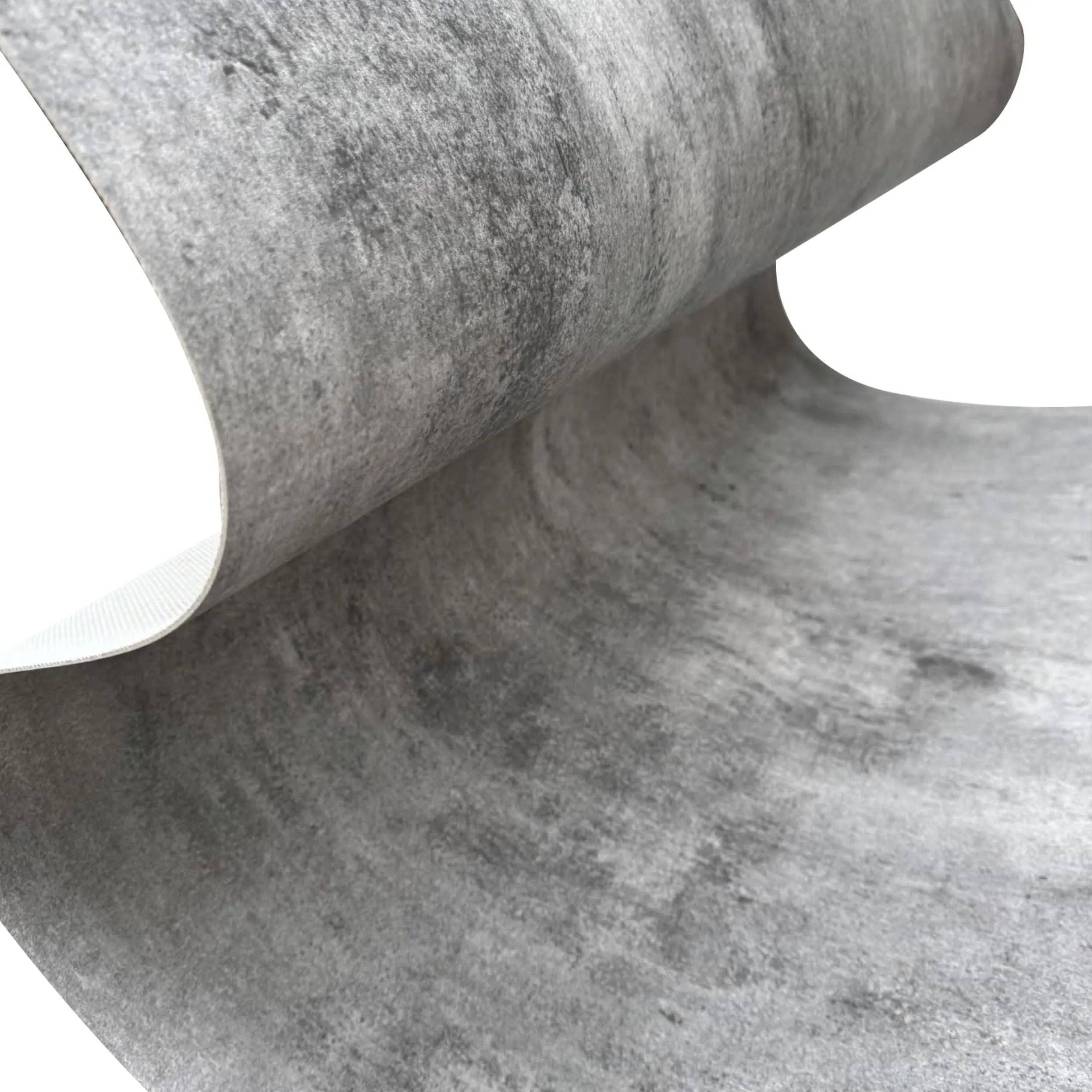
If polish concrete is the backbone of modern office design, COLORIA MCM flexible stone is the creative soul. MCM, or Modified Composite Material, is a game-changer in the world of cladding and surfacing. Unlike traditional stone or tile, which is heavy and rigid, MCM flexible stone is lightweight, thin (often just 3-5mm thick), and—true to its name—flexible. This means it can bend around curves, adhere to uneven surfaces, and even be cut into custom shapes, opening up design possibilities that were once impossible.
But what makes COLORIA's MCM flexible stone stand out? For starters, its realism. Using advanced manufacturing techniques, it replicates the look and texture of natural materials with stunning accuracy—think travertine (beige) with its characteristic pitted surface, wood grain board that mimics the warmth of oak or walnut, or even the rough-hewn charm of masonry stone. Yet, unlike natural stone, it's affordable, easy to install, and far more sustainable (no quarrying required).
The design flexibility here is staggering. Imagine an accent wall in a meeting room clad in travertine (starry blue) MCM panels, adding a pop of color without overwhelming the space. Or a reception desk wrapped in wood grain board MCM, bringing warmth to a sleek, modern lobby. Need a curved feature wall? MCM flexible stone bends to the shape, no problem. It's also available in large slabs, reducing the number of seams and creating a seamless, high-end look.
Practicality isn't overlooked, either. MCM flexible stone is water-resistant, fire-retardant, and resistant to scratches and fading—perfect for high-traffic areas like hallways or break rooms. Installation is a breeze compared to traditional stone: since it's lightweight, it doesn't require heavy-duty structural support, and it can be applied directly to drywall, concrete, or even metal surfaces with adhesive. This cuts down on installation time and labor costs, minimizing disruption to your office during renovations.
Sustainability is a key focus for COLORIA. Their MCM flexible stone is often made with recycled materials, and its lightweight nature reduces transportation emissions. It's also low-maintenance: a quick wipe with a damp cloth is usually all it takes to keep it looking fresh. For offices aiming to reduce their environmental footprint without sacrificing style, this is a material that checks all the boxes.
Individually, polish concrete and MCM flexible stone are impressive. Together, they create a design synergy that elevates office spaces from functional to unforgettable. Let's break down how they complement each other, and why this pairing is becoming a favorite among interior designers.
Start with the visual balance. Polish concrete floors provide a neutral, grounding base, while MCM flexible stone walls or accents add texture and personality. For example, a polish concrete floor in soft gray sets the stage for a feature wall clad in travertine (beige) MCM panels, bringing warmth and organic texture to the space. The contrast between the smooth floor and the tactile wall creates visual interest without clashing.
Then there's the versatility in design styles. Want an industrial look? Pair a matte polish concrete floor with rust square line stone MCM walls for a raw, edgy vibe. Going for minimalist modern? High-gloss polish concrete and marble veil white MCM panels create a sleek, monochromatic palette that feels airy and sophisticated. For a more natural, biophilic design (which studies show boosts employee well-being), combine wood grain board MCM with a polish concrete floor tinted to match warm earth tones. The possibilities are limited only by your imagination.
| Feature | Polish Concrete (Floors) | MCM Flexible Stone (Walls/Accents) |
|---|---|---|
| Durability | Exceptional (50+ year lifespan with proper care) | Very good (20+ year lifespan, resistant to scratches/fading) |
| Aesthetic Options | Tints, finishes (matte/gloss), aggregate exposure | Replicates natural materials (travertine, wood, stone), custom colors, textures |
| Installation | Requires professional pouring/grinding (1-3 days for small offices) | DIY-friendly (adhesive application), quick (hours to 1 day) |
| Maintenance | Low (sweep/mop, reseal every 5-10 years) | Very low (wipe clean with water, no sealing needed) |
| Sustainability | High (local materials, recycled aggregates, long lifespan) | High (recycled content, lightweight, low transportation emissions) |
| Best For | Open floor plans, high-traffic areas, minimalist/industrial styles | Accent walls, reception areas, curved surfaces, biophilic designs |
Theory is great, but seeing these materials in action is where the inspiration really hits. Let's look at a few examples of offices that used polish concrete and MCM flexible stone to create standout spaces.
A fast-growing tech company in Austin wanted an office that felt energetic and collaborative, without feeling cold. They opted for a polish concrete floor in a warm gray tint with exposed aggregate (small pebbles) for texture, which set a rugged, industrial base. For the walls, they chose MCM flexible stone in wood grain board (light oak finish) for the meeting room walls and travertine (beige) for the reception area. The result? A space that balances the raw energy of industrial design with the warmth of natural materials, encouraging employees to relax and collaborate.
A prestigious law firm in Chicago needed an office that projected professionalism and trust, but wanted to avoid feeling stuffy. They went with a high-gloss polish concrete floor in soft beige, which reflects light and makes their spacious lobby feel even larger. For the elevator banks and conference room accents, they used MCM flexible stone in marble veil white, which mimics the look of natural marble but at a fraction of the cost and weight. The polished concrete keeps the space feeling modern, while the marble-like MCM adds a touch of timeless luxury—perfect for impressing clients.
A Brooklyn-based creative agency wanted their office to be a canvas for inspiration. They paired a matte polish concrete floor (tinted charcoal gray) with MCM flexible stone in bold, unexpected finishes: a feature wall in travertine (starry red) behind the reception desk, and weaving (khaki) panels in the break room for a bohemian touch. The contrast between the dark, moody floor and the vibrant walls creates a dynamic space that sparks creativity—exactly what a creative team needs to thrive.
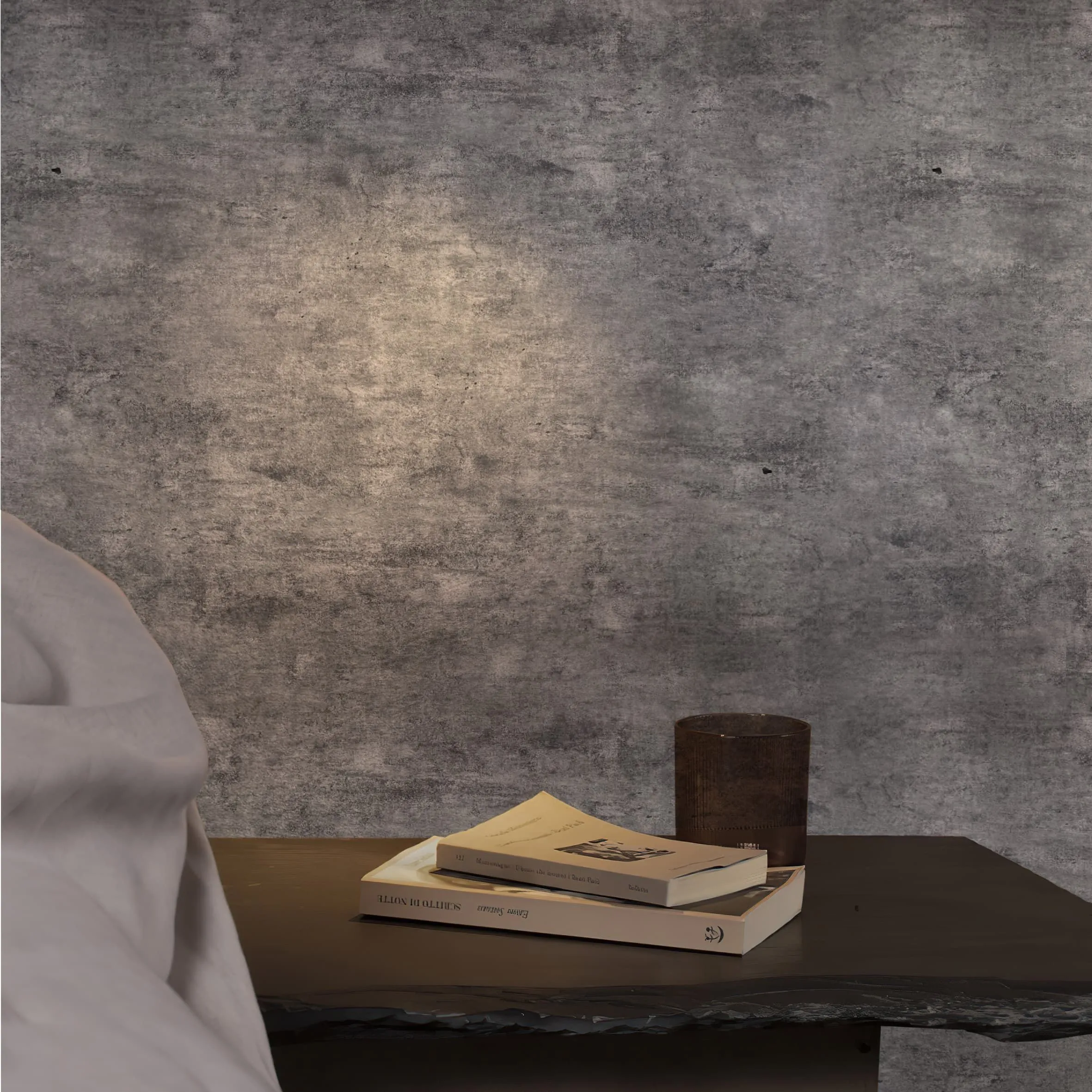
Ready to incorporate these materials into your office? Here are a few tips to ensure your design hits the mark:
As offices continue to evolve—becoming more than just workspaces, but hubs for collaboration, creativity, and well-being—the materials we choose play a crucial role. Polish concrete and COLORIA MCM flexible stone embody this shift: they're durable enough for the demands of daily office life, flexible enough to adapt to changing needs, and aesthetically versatile enough to create spaces that feel human, not sterile.
Whether you're renovating an existing office or building from the ground up, these materials offer a path to a design that's both timeless and forward-thinking. They're not just about looks—they're about investing in a space that supports your team, impresses clients, and stands the test of time. And in a world where the line between work and life is increasingly blurred, that's a value that's hard to overstate.
Polish concrete and COLORIA MCM flexible stone are more than just building materials—they're tools for storytelling. They let you craft an office that reflects your company's culture, values, and personality, all while keeping practicality and sustainability in mind. From the sleek, polished floors that ground your space to the flexible, textured walls that add character, these materials work together to create environments where people want to be—where ideas flow, collaboration thrives, and work feels less like a chore and more like a journey.
So, if you're ready to transform your office from a generic workspace into something truly memorable, consider the power of polish concrete and MCM flexible stone. The design flexibility is there. The durability is there. And the potential to create something extraordinary? That's all yours to unlock.
Recommend Products












