
Transportation hubs—airports, train stations, bus terminals, and metro centers—are the beating hearts of modern cities. They're places where thousands of stories intersect daily: a traveler rushing to catch a flight, a commuter heading to work, a family reuniting after months apart. But behind the scenes, these spaces face a unique set of challenges. Imagine the constant foot traffic (millions of steps annually), the grind of rolling luggage, the impact of weather (for open-air stations), and the need to maintain a welcoming, polished aesthetic that reflects a city's identity. It's a tough balancing act—one that demands building materials that can keep up with the chaos while still looking good.
Enter COLORIA MCM, a brand synonymous with innovative, high-performance building solutions. Among their extensive lineup, polish concrete has emerged as a standout choice for transportation hubs worldwide. But polish concrete is just the beginning. From the raw elegance of fair-faced concrete to the versatility of MCM flexible stone and the rugged charm of boulder slab, COLORIA MCM offers a spectrum of materials designed to thrive in high-traffic environments. In this article, we'll dive into why polish concrete is revolutionizing transportation hub design, explore complementary materials that elevate both form and function, and uncover how COLORIA MCM is setting new standards for durability and beauty in public spaces.
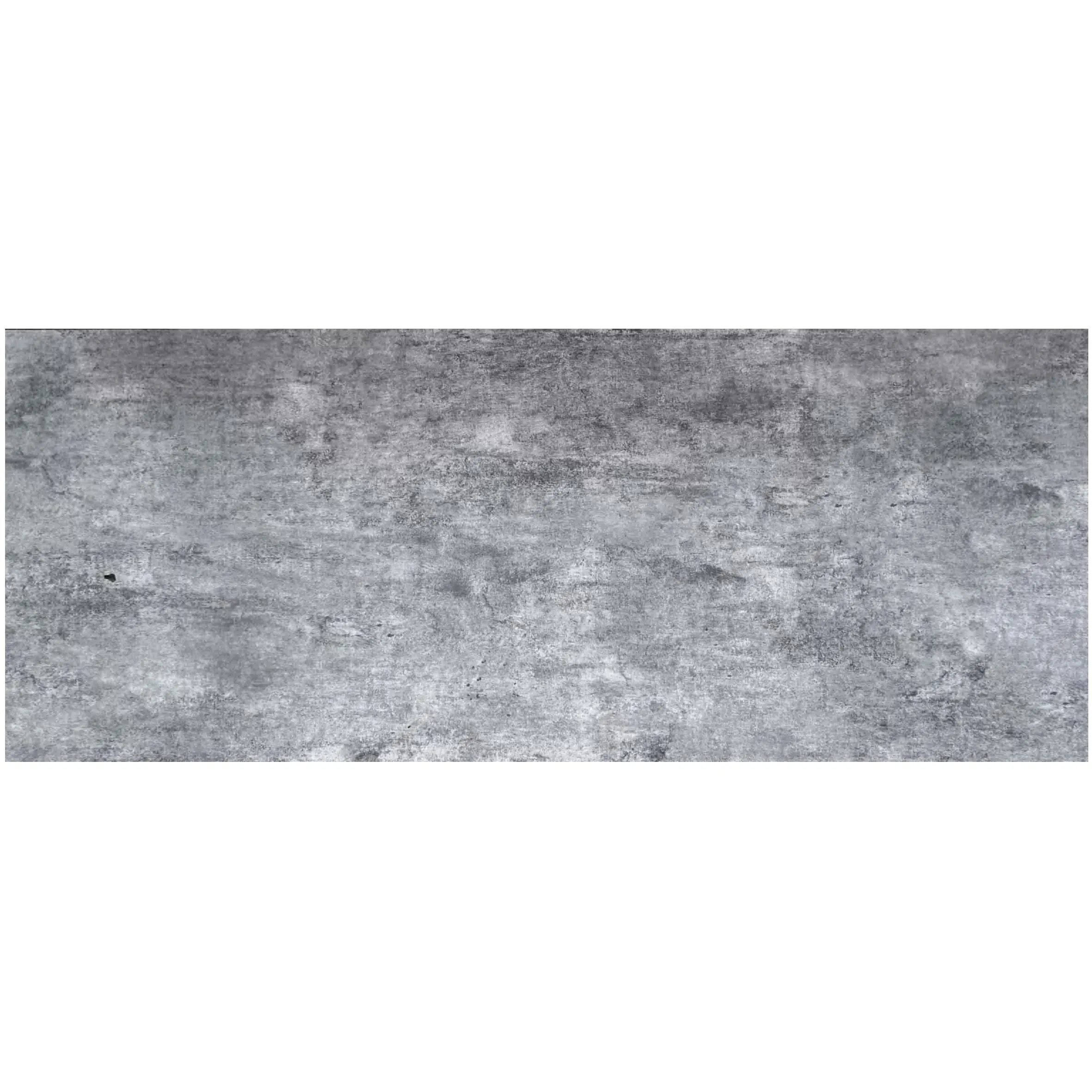
At first glance, polish concrete might seem like a simple choice—after all, concrete has been a staple in construction for decades. But COLORIA MCM's polish concrete isn't your average sidewalk material. It's a carefully engineered product that marries strength, sustainability, and design flexibility, making it ideal for spaces where performance and aesthetics can't be compromised.
Let's start with the basics: durability. In a busy airport terminal, the floor alone can see upwards of 50,000 footsteps per day. Add in the weight of rolling suitcases (some packed with heavy souvenirs or business equipment), the occasional dropped luggage, and even the wear from cleaning machines, and you've got a recipe for material fatigue. Traditional flooring options—like marble or standard tile—often crack under this pressure, requiring frequent repairs or replacements that disrupt operations and drain budgets.
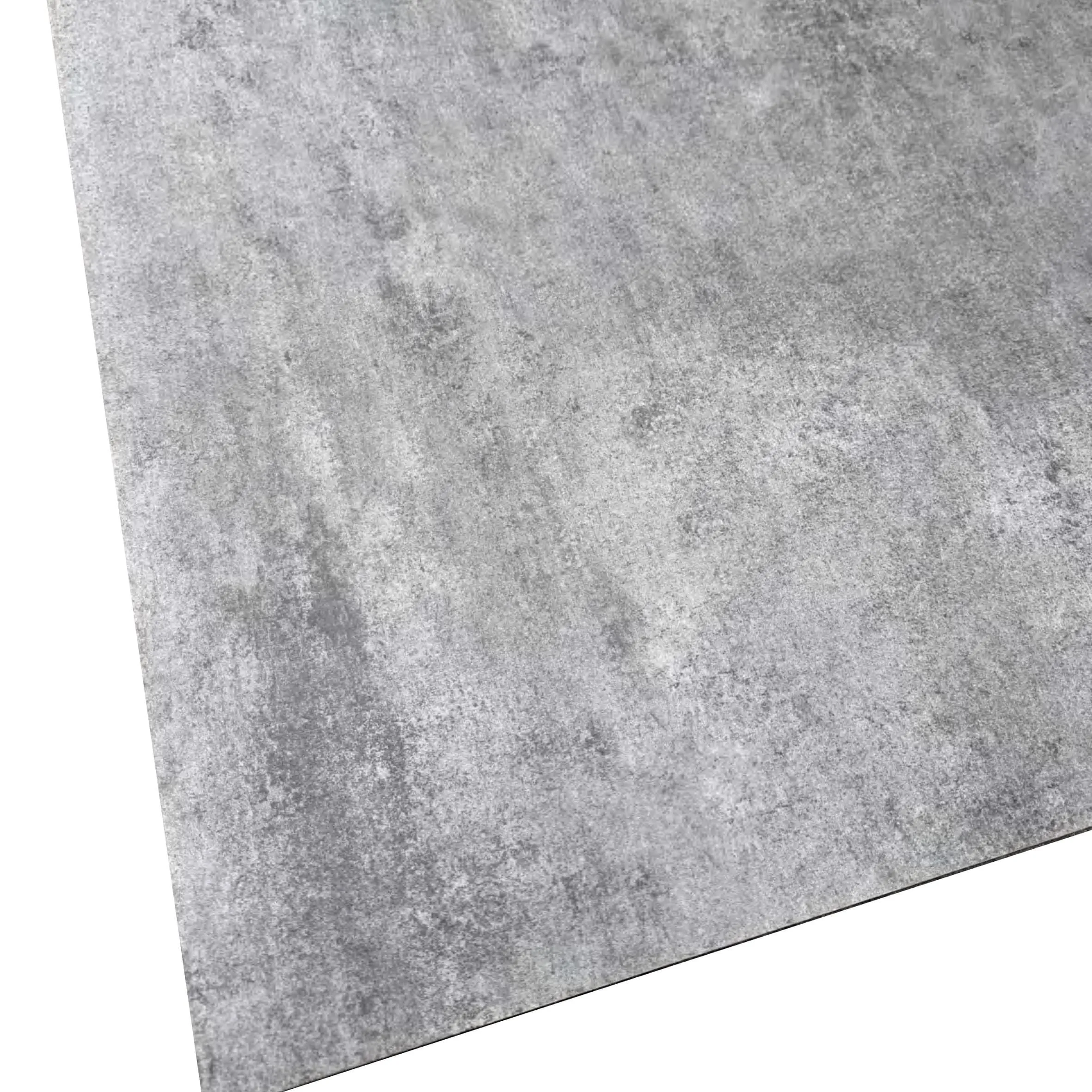
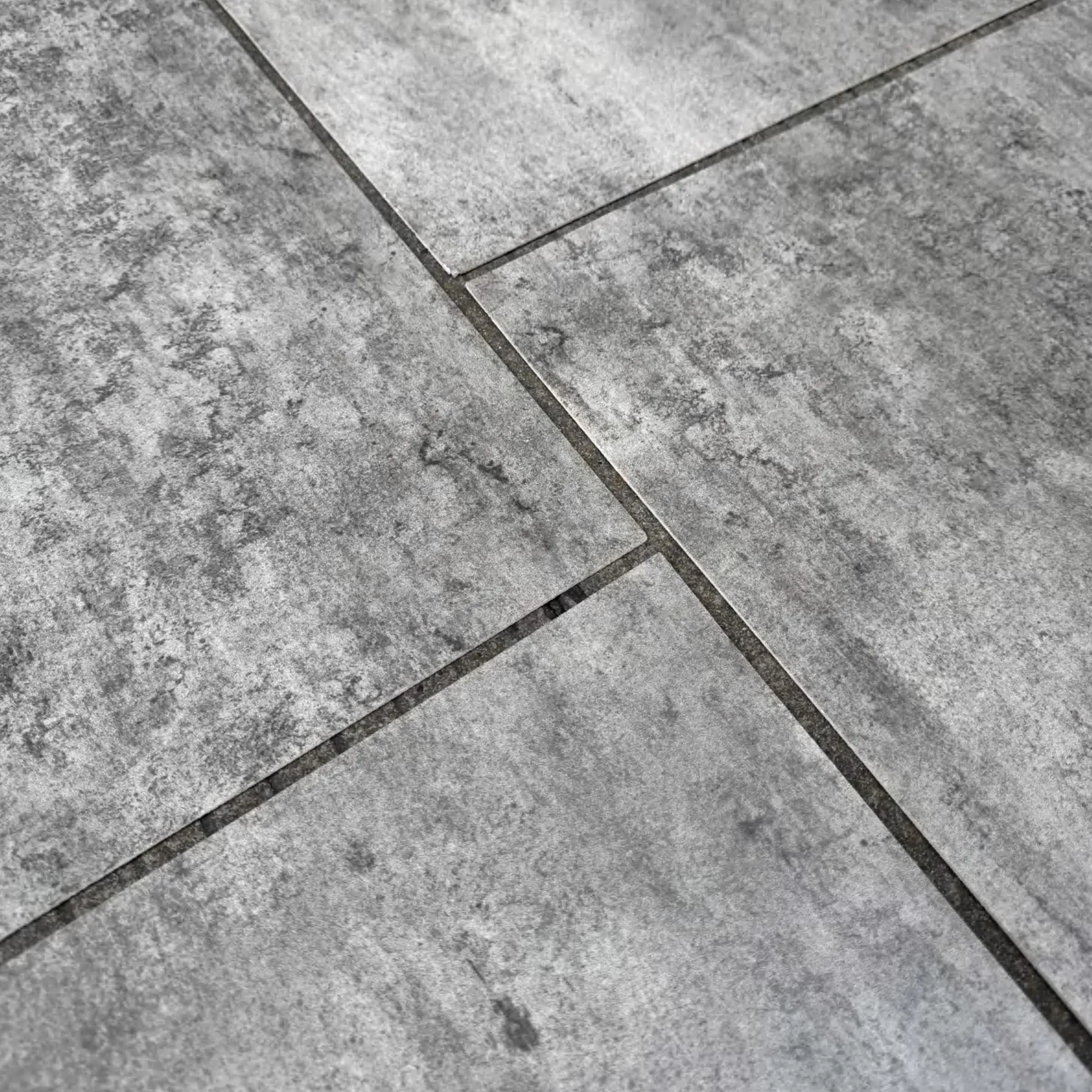
Polish concrete, however, is built to last. COLORIA MCM's formulation uses a high-density concrete mix reinforced with specialized additives that enhance tensile strength. When polished, the surface becomes dense and non-porous, resisting stains, scratches, and abrasions. Unlike tile, there are no grout lines to collect dirt or harbor mold—a huge plus for hygiene in public spaces. In fact, tests show that properly installed polish concrete can withstand over 20 years of heavy use with minimal maintenance, making it a cost-effective choice in the long run.
Gone are the days when concrete was limited to a dull, gray palette. COLORIA MCM's polish concrete offers a world of design possibilities, allowing architects and designers to tailor spaces to a hub's unique identity. Want a sleek, modern airport terminal that feels calm and spacious? Opt for light-toned polish concrete with subtle aggregate exposure, creating a bright, airy atmosphere. Need a train station that pays homage to a city's industrial heritage? Add metallic pigments or exposed aggregate (like crushed granite or quartz) for a rugged, artisanal look.
Even better, polish concrete can be customized with decorative saw cuts, staining, or stamping to mimic more expensive materials like marble or natural stone—without the high cost or maintenance demands. For example, a terminal aiming for a luxury feel might use polish concrete stained in soft beige tones with vein-like saw cuts, achieving the elegance of marble at a fraction of the price and with far greater durability.
In transportation hubs, safety is non-negotiable. Slippery floors can lead to accidents, especially in areas prone to spills (think coffee shops, food courts) or moisture (outdoor platforms in rainy climates). COLORIA MCM's polish concrete addresses this with specialized finishing techniques that enhance slip resistance without sacrificing the surface's smoothness. By adjusting the polishing grit size and applying anti-slip sealants, the material meets strict safety standards (like the Americans with Disabilities Act's guidelines for accessible surfaces), ensuring that even in high-traffic, wet conditions, travelers can move with confidence.
Fun Fact: A major international airport in Asia recently replaced its traditional marble floors with COLORIA MCM's polish concrete in high-traffic zones. Within two years, maintenance costs dropped by 40%, and passenger feedback surveys noted a 25% increase in perceived cleanliness—proof that durability and aesthetics can go hand in hand.
While polish concrete steals the spotlight for flooring, transportation hubs are multi-dimensional spaces that require materials for walls, ceilings, facades, and even outdoor areas. COLORIA MCM's product range is designed to complement polish concrete, offering solutions that meet specific functional and aesthetic needs. Let's explore a few standout options.
Fair-faced concrete—also known as "architectural concrete"—is all about embracing the material's natural texture and character. Unlike polished concrete, which has a smooth, reflective finish, fair-faced concrete is left exposed, showcasing the imprint of the formwork (wood, metal, or plastic molds) used during casting. The result? A surface with subtle patterns, grain, and color variations that feel organic and alive.
In transportation hubs, fair-faced concrete shines on walls and structural elements. Imagine a train station where the ticket counter is wrapped in fair-faced concrete, its rough-hewn texture contrasting with sleek glass partitions—a blend of industrial grit and modernity. Or an airport's baggage claim area with fair-faced concrete pillars, each telling a unique story through the marks left by the formwork. It's a material that ages gracefully, developing a patina over time that adds depth to the space rather than detracting from it.
But fair-faced concrete isn't just about looks. Like polish concrete, it's incredibly durable, resistant to fire, and requires minimal upkeep. It's also eco-friendly: COLORIA MCM uses locally sourced aggregates and low-carbon cement in its production, reducing the material's carbon footprint—a win for hubs aiming for LEED or BREEAM certifications.
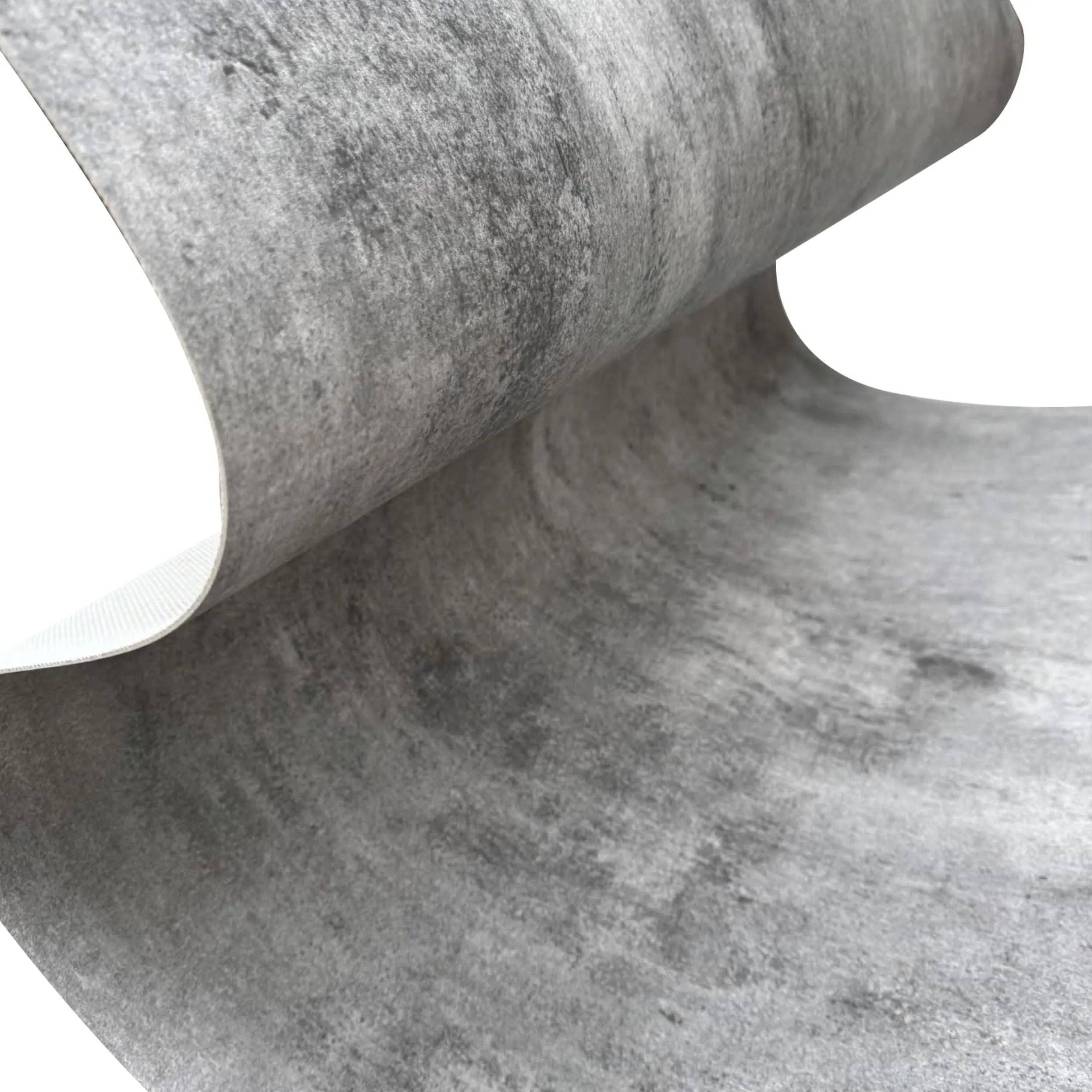
Curved walls, undulating facades, and intricate ceiling designs—these architectural features can transform a transportation hub from functional to unforgettable. But traditional stone or concrete is rigid, making it difficult to achieve such organic shapes. That's where MCM flexible stone comes in. As the name suggests, this innovative material is lightweight and bendable, allowing it to conform to curved surfaces without cracking or losing structural integrity.
MCM flexible stone is made by bonding thin layers of natural stone (like travertine or slate) to a reinforced fiberglass backing, creating a product that's up to 80% lighter than traditional stone slabs. This not only makes installation faster and more cost-effective (less structural support is needed), but it also opens up new design possibilities. For example, a metro station with a curved entrance canopy could clad it in MCM flexible stone, mimicking the look of natural rock but with the flexibility to follow the canopy's arc. Or an airport's interior walls could feature custom patterns cut from flexible stone, adding visual interest without the weight of solid stone.
And don't let its flexibility fool you—MCM flexible stone is tough. It's resistant to impact, moisture, and UV rays, making it suitable for both indoor and outdoor use. In a recent project, a bus terminal in Europe used MCM flexible stone (in a warm, earthy travertine finish) on its exterior walls. After three years of exposure to rain, snow, and pollution, the material still looks as vibrant as the day it was installed—proof that flexibility doesn't mean sacrificing durability.
For transportation hubs aiming for a bold, natural aesthetic, boulder slab is a game-changer. Inspired by the raw, weathered look of river rocks and mountain boulders, COLORIA MCM's boulder slab series (available in vintage silver, gold, and black finishes) adds a touch of the outdoors to urban spaces. These slabs are characterized by their irregular edges, textured surfaces, and rich, earthy tones—perfect for creating focal points that ground a hub in nature.
Boulder slab is ideal for accent walls, check-in counters, or outdoor plazas. Imagine a train station's main hall with a feature wall clad in vintage black boulder slab, complemented by warm lighting that highlights the slab's natural crevices and color variations. It's a design choice that feels both timeless and contemporary, inviting travelers to pause and appreciate the beauty of natural materials amid the hustle and bustle.
Like all COLORIA MCM products, boulder slab is built to last. Its thick, dense composition resists chipping and scratching, and its non-porous surface (sealed during manufacturing) repels stains and moisture. For outdoor spaces, it's also frost-resistant, making it suitable for cold climates where freeze-thaw cycles can damage weaker materials.
Some transportation hubs are more than just transit points—they're landmarks, steeped in a city's history. For these spaces, epochs stone offers a way to honor the past while embracing the future. Designed to mimic the look of ancient stone (think weathered limestone, aged travertine, or historic masonry), epochs stone adds a sense of timelessness to modern construction.
Take, for example, a restored train station originally built in the 1920s. Instead of replacing its original stone walls (which had deteriorated over time), architects used epochs stone to replicate the look of the original masonry, ensuring the station retained its historic charm while meeting modern safety and durability standards. The result? A space that feels both nostalgic and fresh, connecting travelers to the city's heritage without compromising on functionality.
Epochs stone is available in a range of finishes, from rough-hewn "antique" textures to smoother, more refined surfaces, making it versatile enough for both restoration projects and new builds. It's also eco-friendly, as it reduces the need for quarrying new stone, instead using recycled materials in its composition.
With so many options, choosing the right material for a transportation hub can feel overwhelming. To simplify, we've compared five of COLORIA MCM's top products—polish concrete, fair-faced concrete, MCM flexible stone, boulder slab, and epochs stone—on key factors like durability, aesthetics, and sustainability. Whether you're designing an airport terminal, a train station, or a bus depot, this breakdown will help you find the perfect fit.
| Material | Key Features | Durability (1-5) | Aesthetic Appeal | Best For | Sustainability |
|---|---|---|---|---|---|
| Polish Concrete | Smooth, dense surface; customizable color/aggregate; slip-resistant finish | 5 | Modern, sleek, customizable (minimalist to bold) | High-traffic floors, food courts, baggage claim areas | Made with recycled aggregates; low VOC sealants; long lifespan reduces replacement needs |
| Fair-Faced Concrete | Exposed texture from formwork; natural color variations; raw, organic look | 4.5 | Industrial, rustic, or minimalist; ages gracefully | Walls, structural columns, outdoor plazas | Low-carbon cement; locally sourced materials; minimal processing |
| MCM Flexible Stone | Lightweight; bendable; thin natural stone layers on fiberglass backing | 4 | Natural stone look (travertine, slate); flexible design options | Curved walls, canopies, accent features (indoor/outdoor) | Reduces material waste; lightweight = lower transportation emissions |
| Boulder Slab | Irregular edges; textured surface; vintage silver/gold/black finishes | 4.5 | Rugged, natural, bold; mimics weathered boulders | Feature walls, check-in counters, outdoor seating areas | Recycled stone content; durable = less frequent replacement |
| Epochs Stone | Replicates historic stone (limestone, masonry); antique or refined textures | 4 | Nostalgic, timeless; blends with historic architecture | Restoration projects, heritage hubs, indoor accent walls | Reduces need for new quarrying; uses recycled stone dust |
Numbers and specs tell part of the story, but real-world applications bring it to life. Let's take a look at three transportation hubs that turned to COLORIA MCM's materials to solve unique challenges—and the results speak for themselves.
Northstar Airport was struggling with high maintenance costs in its central terminal. The original marble floors, while elegant, were prone to scratching and staining, requiring frequent polishing and repairs. In 2020, the airport underwent a renovation, replacing 80% of its terminal floors with COLORIA MCM's polish concrete (in a light, neutral tone with subtle aggregate exposure). The results? Within a year, maintenance costs dropped by 35%, and passenger complaints about "dirty" floors decreased by 60%. The new floors also improved lighting reflectivity, making the terminal feel brighter and more spacious—an unexpected bonus that boosted traveler satisfaction scores.
MetroLink Central Station, a historic train station built in the 1930s, needed to expand its concourse while preserving its Art Deco heritage. Architects chose COLORIA MCM's epochs stone (in a weathered limestone finish) for the new wing's walls, matching the texture and color of the original masonry. To add modern flair, they paired the epochs stone with MCM flexible stone (in a sleek, silver travertine finish) on the ceiling beams. The result is a space that feels both historic and contemporary, with the epochs stone honoring the station's past and the flexible stone adding a touch of modernity. Since the expansion, foot traffic has increased by 20%, and the station has become a popular spot for locals to meet, proving that thoughtful material choices can turn a transit hub into a community gathering place.
Pacific Bus Terminal, located in a coastal city with high humidity and frequent rain, needed an exterior cladding material that could withstand the elements while maintaining its appearance. The design team opted for COLORIA MCM's boulder slab (vintage black finish) for the terminal's facade, drawn to its rugged look and weather resistance. They paired it with fair-faced concrete columns to create a striking contrast of textures. Three years later, the facade shows no signs of fading or water damage, and the terminal has become a local landmark, with travelers often stopping to take photos of the "rock-like" exterior. The boulder slab's durability has also reduced maintenance costs, as the terminal no longer needs to repaint or repair exterior walls annually.
In today's world, sustainability isn't just a trend—it's a responsibility. Transportation hubs, as high-profile public spaces, have a unique opportunity to lead by example, choosing materials that minimize environmental impact while maximizing performance. COLORIA MCM takes this commitment seriously, integrating sustainability into every step of the material lifecycle—from sourcing to production to installation.
Take polish concrete, for instance. COLORIA MCM uses recycled aggregates (like crushed concrete from demolished buildings) in its mix, reducing the need for quarrying new stone and diverting waste from landfills. The polishing process is also water-efficient, using recycled water where possible, and the sealants applied are low in volatile organic compounds (VOCs), improving indoor air quality for travelers and staff. And because polish concrete lasts for decades, it reduces the frequency of replacements—a key factor in lowering a building's carbon footprint over time.
MCM flexible stone is another sustainability standout. By using thin layers of natural stone, it reduces the amount of raw material needed, and its lightweight design cuts down on transportation emissions (fewer trucks are required to transport the same amount of material). Epochs stone, too, prioritizes sustainability by using recycled stone dust and avoiding the energy-intensive quarrying process associated with traditional historic stone replication.
Beyond the materials themselves, COLORIA MCM works with contractors to promote sustainable installation practices, like minimizing waste on job sites and recycling excess material. The brand also offers certifications (like LEED and BREEAM) for its products, making it easier for transportation hubs to earn green building credentials—a growing priority for cities aiming to reduce their carbon footprints.
The building materials market is flooded with options, so what makes COLORIA MCM different? It comes down to three core principles: innovation, quality, and customer-centricity. The brand doesn't just sell materials—it partners with architects, contractors, and city planners to solve complex design challenges. Whether it's creating a custom polish concrete color for a signature airport terminal or developing a new flexible stone finish for a historic restoration, COLORIA MCM's team of engineers and designers work closely with clients to bring their visions to life.
Quality is also non-negotiable. Every COLORIA MCM product undergoes rigorous testing—from impact resistance to slip testing to UV stability—to ensure it meets the highest industry standards. The brand's manufacturing facilities use state-of-the-art technology, and each batch of material is inspected for consistency, so clients can trust that what they see in the sample is what they'll get on the job site.
Finally, COLORIA MCM understands that transportation hubs are long-term investments. That's why they offer comprehensive after-sales support, including maintenance guides, warranty coverage, and even on-site training for contractors. It's this commitment to partnership that has made the brand a favorite among architects and builders worldwide—they know that with COLORIA MCM, they're not just buying a product; they're gaining a collaborator invested in their project's success.
Transportation hubs are more than just transit points—they're reflections of a city's personality, resilience, and vision for the future. To meet the demands of these dynamic spaces, builders need materials that can keep up with the chaos of daily life while still inspiring wonder and connection. COLORIA MCM's polish concrete, fair-faced concrete, MCM flexible stone, boulder slab, and epochs stone do just that—they're durable enough to withstand the millions of steps, the rolling luggage, and the test of time, while still being beautiful enough to turn a mundane commute into a memorable experience.
Whether you're designing a sleek, modern airport or restoring a historic train station, COLORIA MCM offers a material for every vision. And with sustainability at the forefront, these materials aren't just building for today—they're building for tomorrow. So the next time you step into a transportation hub, take a moment to look down at the floor, up at the walls, or out at the facade. Chances are, you're standing on (or admiring) COLORIA MCM's handiwork—proof that when durability meets design, the possibilities are endless.
Recommend Products












