
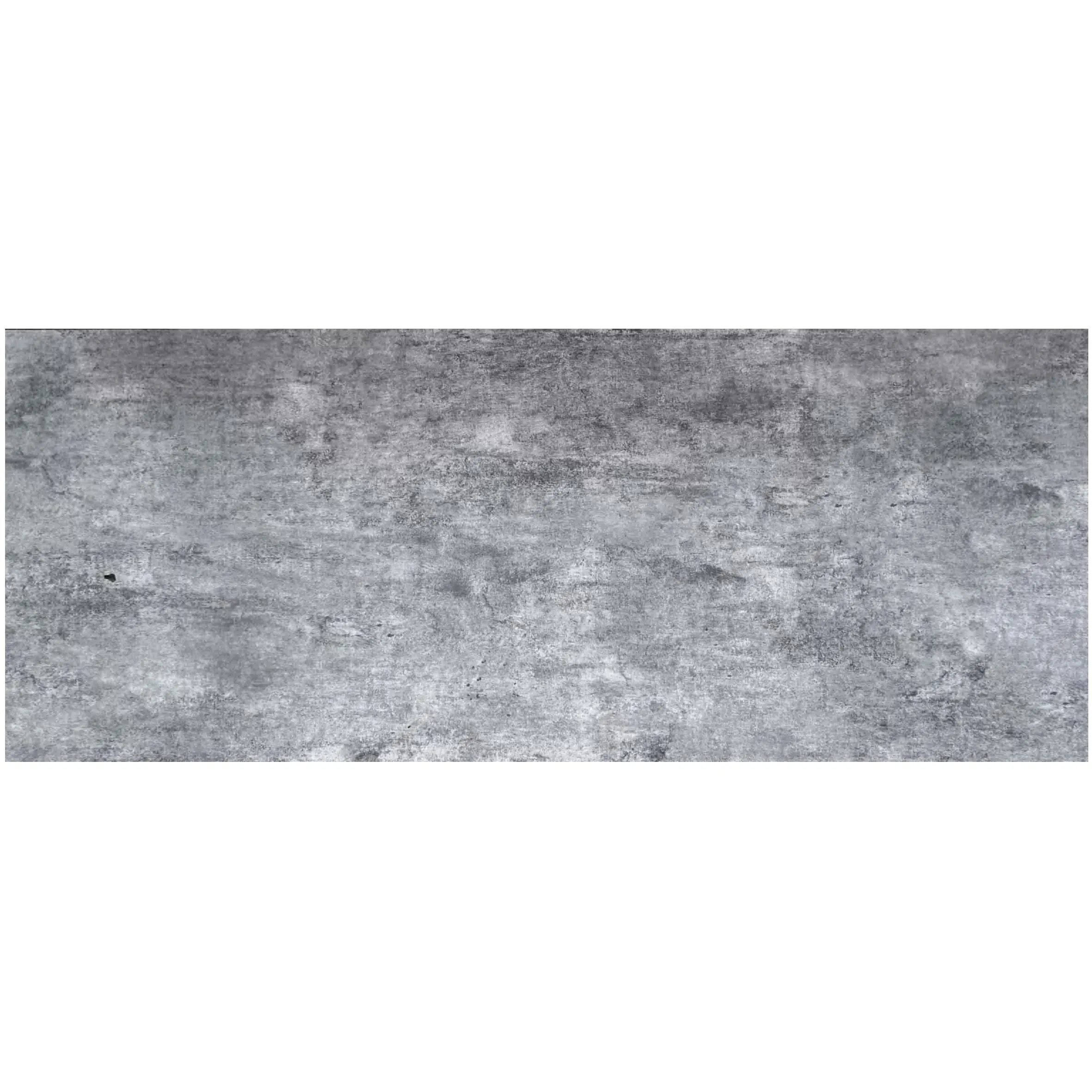
Redefining Surfaces, Crafting Unforgettable Guest Experiences
Walk into any memorable hotel, restaurant, or boutique resort, and you'll notice something immediately: it's not just the furniture or lighting that sticks with you—it's the surfaces. The cool touch of a lobby floor, the texture of a feature wall, the way light plays off a bar countertop—these elements don't just fill space; they tell a story. In an industry where guest experience is everything, the materials we choose have become silent storytellers, shaping how people feel from the moment they step through the door.
Lately, there's been a quiet revolution happening in hospitality design: a shift away from overly polished, generic surfaces toward materials that feel real . Think less "sterile luxury" and more "authentic warmth." And leading this charge? Polish concrete. Once confined to industrial lofts and warehouse conversions, it's now popping up in five-star lobbies, cozy bed-and-breakfasts, and trendy rooftop bars. But here's the thing: not all polish concrete is created equal. Enter COLORIA's MCM 3D Printing Series—a game-changer that's turning this humble material into something extraordinary, while blending it seamlessly with innovations like flexible stone and MCM big slab boards.
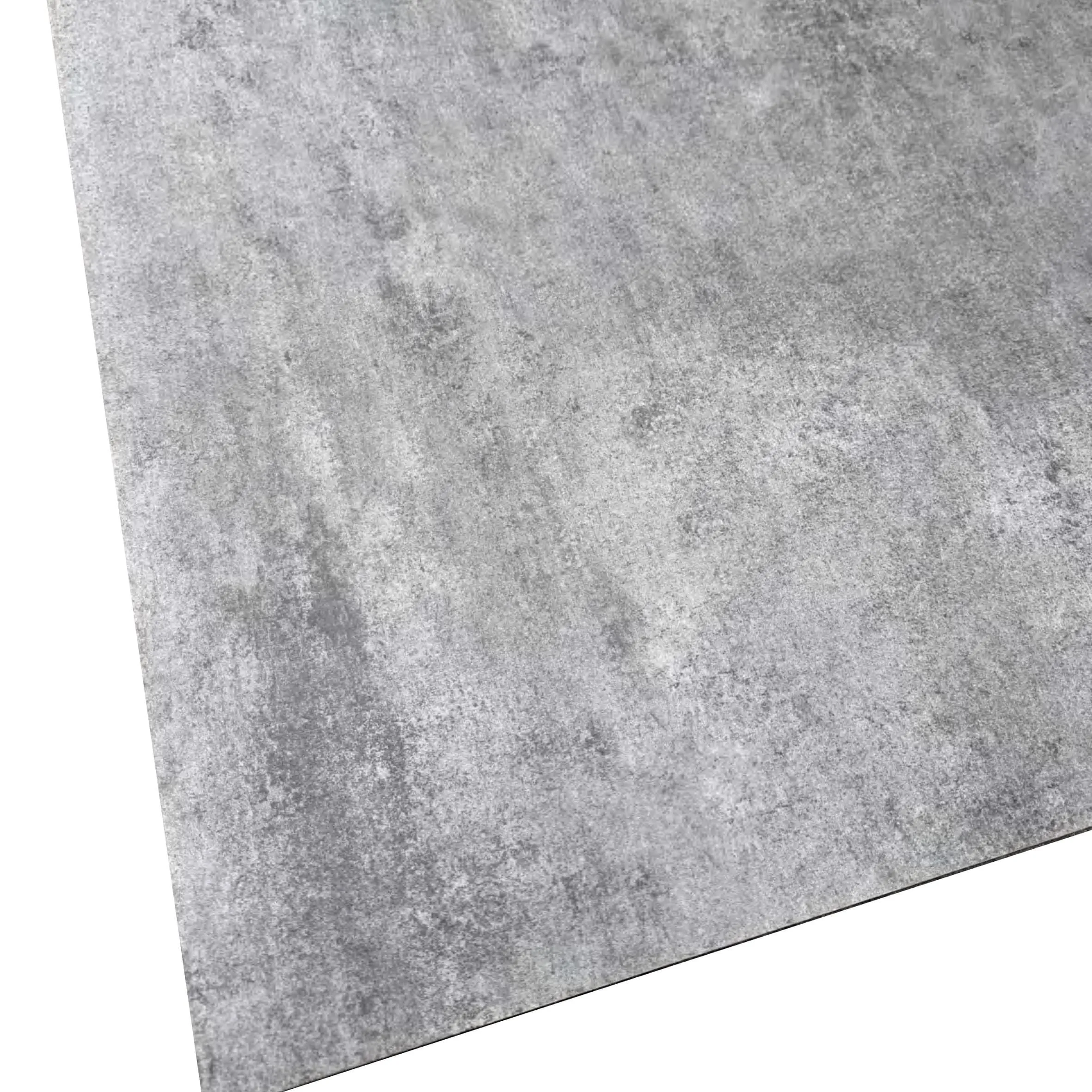
Let's start with the basics: What is polish concrete, really? Traditionally, it's concrete that's been ground down and sealed to create a smooth, glossy finish—think the floors of old factories, but with a modern twist. But in hospitality, "polish" doesn't just mean shiny. It means warmth. It means character. It means a surface that looks like it's been there for decades, even if it's brand new.
Designers love it because it's versatile. It can lean industrial with exposed aggregate, or soft and minimalist with a honed finish. It pairs beautifully with wood, metal, and stone, making it a chameleon in any space. But for years, polish concrete had a problem: it was heavy, hard to customize, and limited in the shapes it could take. Installing traditional concrete slabs meant dealing with weighty materials, long curing times, and seams that broke up the visual flow—hardly ideal for a boutique hotel aiming for a seamless, immersive vibe.
That's where COLORIA stepped in. Their MCM (Modified Composite Material) technology—paired with 3D printing—has turned those limitations on their head. Suddenly, polish concrete isn't just a flat surface; it's a canvas. Want a floor with a subtle wave pattern? 3D print it. Need a countertop that curves like a river? Done. And when you mix in COLORIA's flexible stone and big slab boards, you get a material ecosystem that's as functional as it is beautiful.
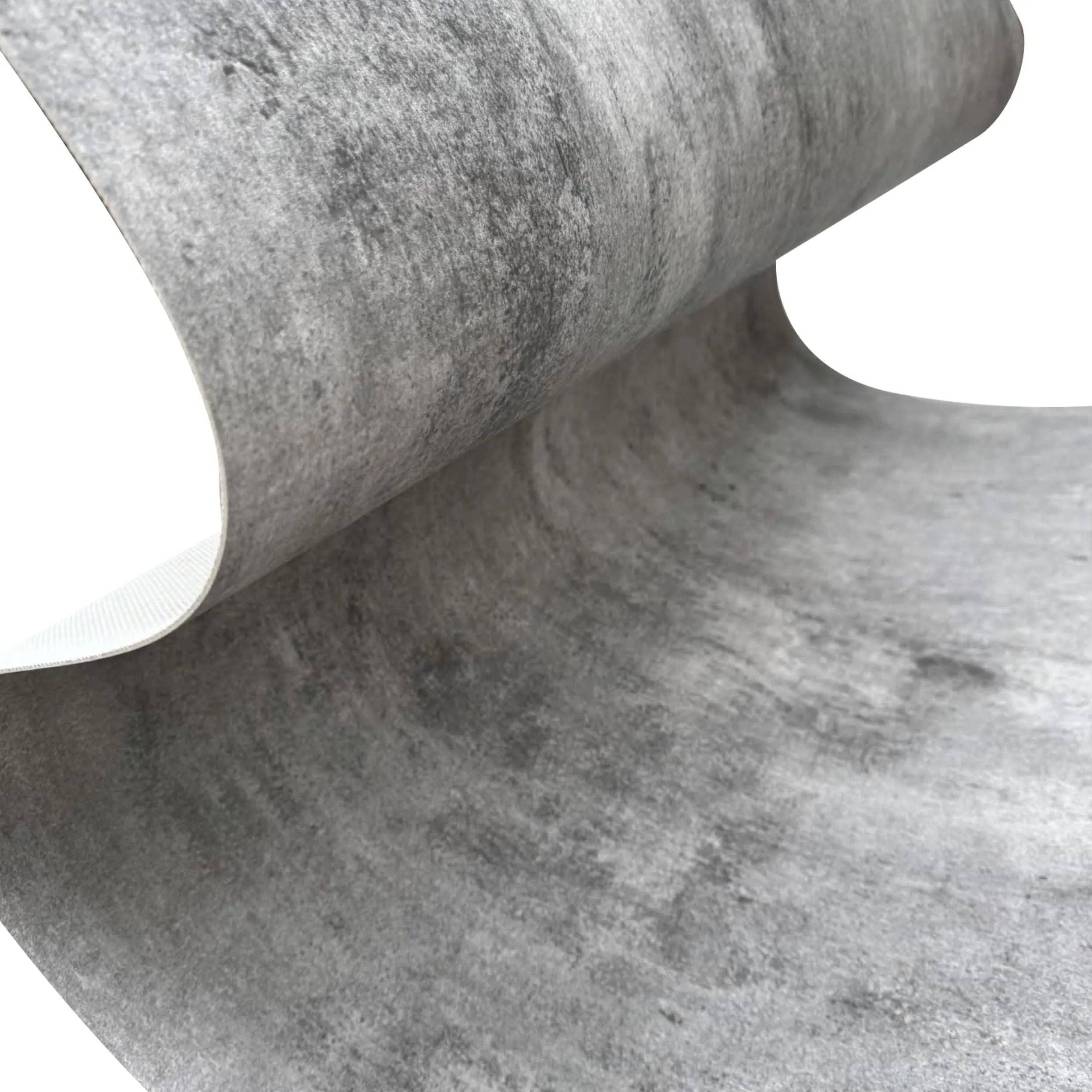
If you're imagining 3D printers churning out tiny trinkets, think again. COLORIA's 3D printing for construction materials is on a whole different scale. We're talking about large-format printers that lay down layers of MCM-infused polish concrete with pinpoint precision—creating everything from floor tiles with intricate linear travertine inlays to wall panels that mimic the texture of weathered stone.
"The beauty of 3D printing is the design freedom," says Maria Gonzalez, a hospitality designer who recently used COLORIA's 3D printed polish concrete in a beachfront resort. "We wanted the lobby floor to feel like the tide—gentle, flowing, never the same pattern twice. With traditional concrete, that would've meant custom molds, weeks of work, and a huge budget. With COLORIA's 3D printing? We uploaded the design, adjusted the texture density, and had the panels ready in days. The guests run their hands over it like it's a piece of art."
But it's not just about looks. 3D printing makes the material lighter, too. Traditional concrete slabs can weigh upwards of 200kg per square meter; COLORIA's 3D printed versions? Closer to 50kg. That's a game-changer for older buildings or structures with weight restrictions. Suddenly, a historic hotel can redo its lobby floors without reinforcing the foundation—and still get that sleek, polished concrete look.
And let's talk texture. 3D printing allows for micro-detail that's impossible with traditional pouring. Imagine a polish concrete wall with a 3D printed "starry" finish—tiny indentations that catch the light like constellations. Or a bar front with linear travertine lines 3D printed right into the concrete, creating a contrast of smooth and matte. These are the kinds of details that make guests stop and say, "Wow, what is this?"—and that's the magic of hospitality design.
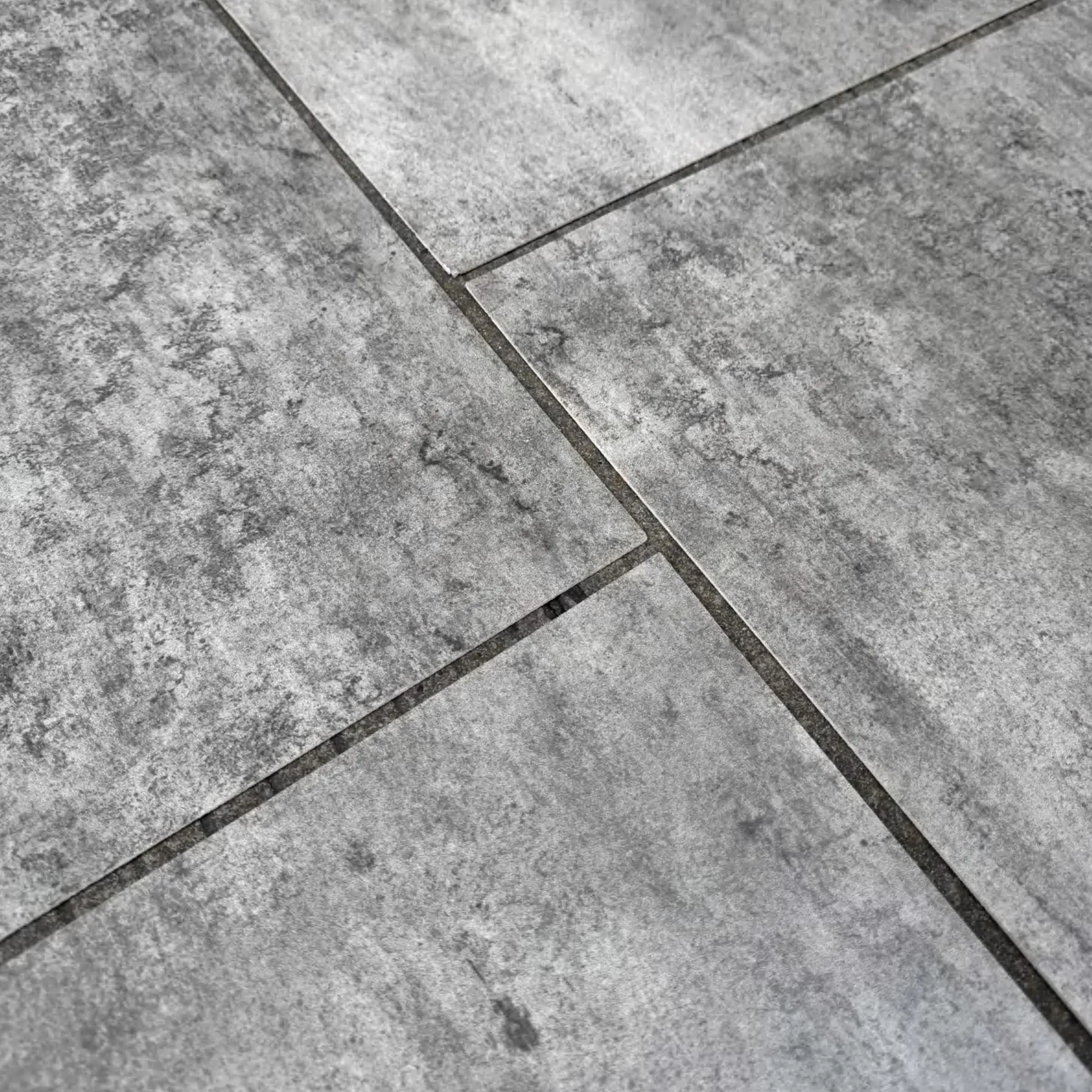
Polish concrete might be the star, but it rarely shines alone. That's where COLORIA's flexible stone and MCM big slab board series come in—they're like the supporting actors that make the lead look even better.
First, flexible stone. If you've ever tried to install natural stone on a curved wall, you know the struggle. It's heavy, brittle, and almost impossible to bend without cracking. Flexible stone changes that. Made from a composite of natural stone particles and a lightweight, bendable resin, it can wrap around columns, curve over arches, or even be applied to ceilings—all without the hassle of traditional stone. And COLORIA's range? Stunning. Take their travertine (starry green), for example: it has the earthy, pitted texture of natural travertine but in a vibrant, almost iridescent green that feels otherworldly. Imagine pairing that with 3D printed polish concrete floors in a hotel spa—cool, calm, and totally unique.
Then there are the MCM big slab boards. Traditional concrete slabs top out at around 3 meters in length; COLORIA's big slabs? Up to 6 meters long and 2.4 meters wide. That means fewer seams, a more seamless look, and less time spent on installation. For a restaurant aiming for a monolithic, "one with the environment" vibe, that's huge. No more grout lines breaking up the flow—just a single, sweeping surface that feels both grand and intimate.
| Feature | Traditional Concrete Slabs | COLORIA MCM Big Slab Boards |
|---|---|---|
| Weight (per sq.m) | 180–220 kg | 45–60 kg |
| Max Slab Size | 3m x 1.2m | 6m x 2.4m |
| Installation Time | 3–5 days (curing + laying) | 1–2 days (no curing needed) |
| Customization | Limited to basic colors/finishes | Unlimited textures, colors, and 3D patterns |
| Structural Load | Requires reinforced framing | Suitable for standard framing |
"We used the big slab boards for the reception desk at The Vue Hotel," says James Lee, the project manager. "It's a single 5-meter slab of polish concrete with a 3D printed wave pattern along the edge. No seams, no joints—just this smooth, flowing surface that guests can't help but lean on. And because it's so light, we didn't have to reinforce the floor beneath it. Installation took a day instead of a week. Our contractors couldn't believe it."
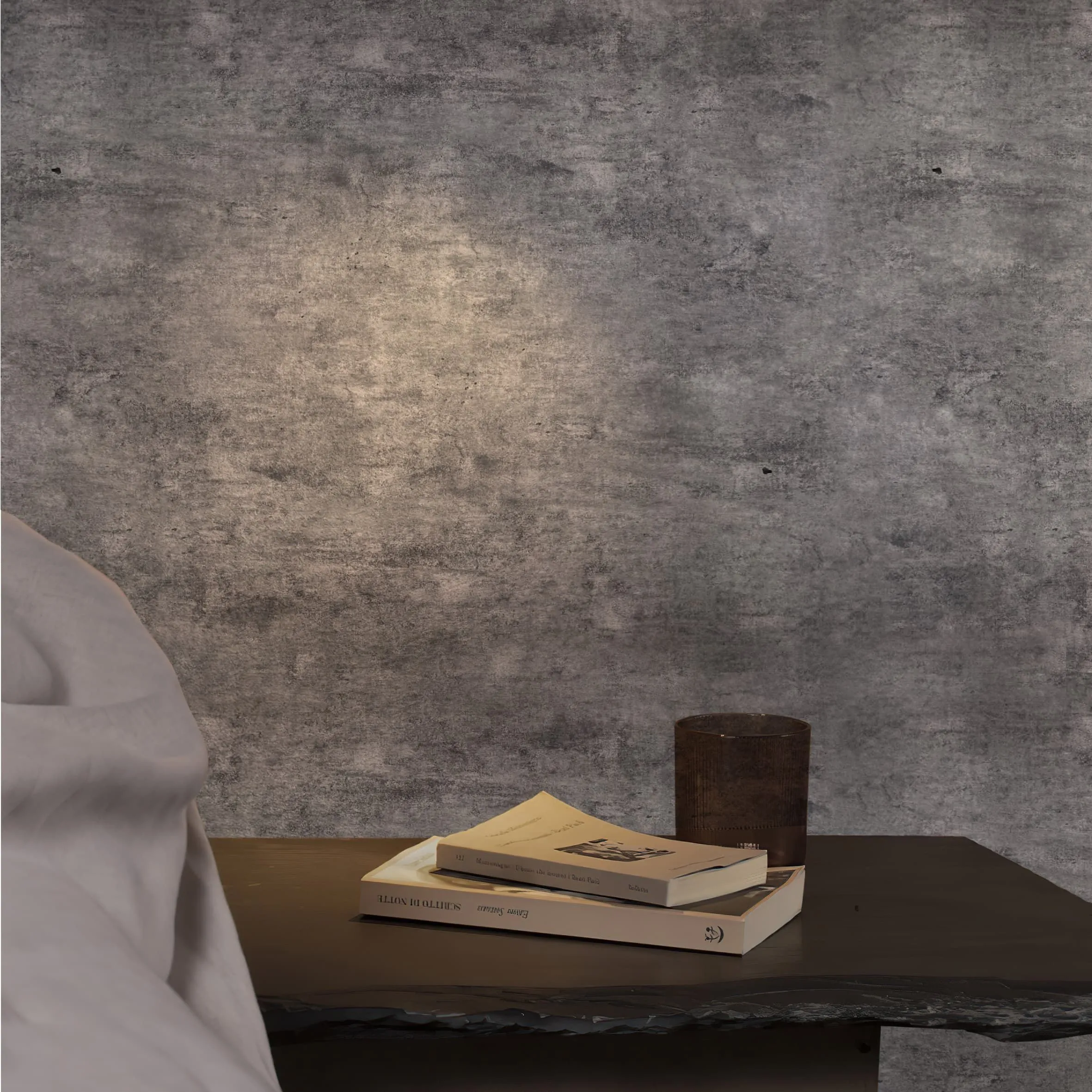
Let's get specific. What does this look like in real life? Let's take the Azure Sky Hotel, a boutique property in coastal California that underwent a $2 million renovation last year. Their goal? To blend industrial-chic with beachy warmth—and they turned to COLORIA's materials to pull it off.
The lobby is where it all comes together. The floor is 3D printed polish concrete with a subtle wave pattern—mimicking the ocean just outside. The waves are printed in varying depths, so when the morning light streams in, they cast soft shadows that shift throughout the day. Against this, the feature wall is clad in flexible stone in travertine (starry green), its pitted surface catching the light like sunlight on water. "We wanted guests to feel like they're stepping into a space that's connected to the coast, not just a generic hotel lobby," says the designer, Lila Patel. "The 3D printed concrete waves and starry green stone do that—they're calm, grounding, and totally unique to this location."
Upstairs, the guest rooms take a different approach. The headboards are made from MCM big slab boards in a honed polish concrete finish, paired with wood accents for warmth. The bathroom walls? Flexible stone in a neutral beige, curved around the shower to create a spa-like nook. "Guests rave about the headboards," says the hotel manager, Tom Reeves. "They're cool to the touch but not cold, and the big slab means no crevices for dust—huge for housekeeping. Plus, the flexible stone in the bathroom? It's impervious to moisture, so we don't have to worry about mold or water damage. Win-win."
Then there's The Forge, a trendy steakhouse in Chicago. They wanted an industrial vibe but with a luxe twist. Their solution? A bar top made from a single MCM big slab board in polish concrete, 3D printed with linear travertine lines running through it—like veins of stone in a slab of metal. The bar front? Flexible stone in a rusty red finish, bent into a gentle curve that invites guests to lean in. "It's rugged but refined," says the owner, Mike Torres. "People take photos of their drinks on that bar. It's become a talking point—and that's priceless for a new restaurant."
Let's be real: in hospitality, beauty only gets you so far. Materials need to work hard. They need to stand up to spilled drinks, scuffing suitcases, and the chaos of daily life. So how do COLORIA's materials hold up?
Durability is a big one. Polish concrete, when reinforced with MCM, is scratch-resistant and stain-proof. Spill red wine on it? Wipe it up with a cloth—no permanent mark. Drag a heavy chair across the floor? Not a scratch. The flexible stone is just as tough: it's resistant to moisture, so it works in bathrooms and pool areas, and it won't fade in sunlight, even in glass-walled lobbies.
Maintenance is a breeze, too. Unlike natural stone, which needs regular sealing, COLORIA's materials come pre-sealed and require minimal upkeep. A quick sweep and damp mop for floors, a wipe with mild soap for walls—no special cleaners, no hassle. "We used to spend hours sealing our old marble floors," says Tom from the Azure Sky Hotel. "Now, with the polish concrete, we just run a buffer over it once a month. It's saved us so much time and money."
Sustainability is another win. COLORIA's MCM materials are low in VOCs (volatile organic compounds), so they're better for indoor air quality—a big plus for guests with allergies. They're also made with recycled stone particles and require less energy to produce than traditional concrete, which aligns with the growing demand for eco-friendly hospitality options. "Our guests care about sustainability," Mike from The Forge notes. "We love being able to tell them our bar top is made with recycled materials and uses less energy to produce. It's not just good for the planet—it's good for business."
So, where do we go from here? If COLORIA's latest innovations are any indication, the future is all about customization and integration. Imagine 3D printed polish concrete that changes color based on temperature—warm in winter, cool in summer. Or flexible stone that incorporates subtle lighting, turning accent walls into works of light art. "We're already experimenting with gradient colors in our big slab boards," says a COLORIA product developer. "Imagine a wall that fades from starry blue to starry green—no seams, just a smooth transition. That's coming soon."
There's also a push toward biophilic design—materials that connect guests to nature. COLORIA's 3D printing can already mimic the texture of tree bark, the pattern of river stones, or the ripple of sand dunes. Pair that with flexible stone in earthy tones, and you've got a space that feels like a retreat, even in the heart of a city.
And let's not forget smart materials. "We're looking into integrating micro-sensors into our 3D printed concrete," the developer adds. "Imagine a hotel lobby floor that can detect spills and alert housekeeping, or a conference room table that wirelessly charges devices through the surface. The possibilities are endless."
At the end of the day, hospitality design is about more than creating pretty spaces. It's about creating experiences —moments that stick with people long after they check out. And the materials we choose are the foundation of those moments.
COLORIA's MCM 3D Printing Series, flexible stone, and big slab boards aren't just materials—they're tools for storytelling. They let designers craft spaces that feel authentic, tactile, and uniquely tailored to a brand's personality. Whether it's a beach hotel with 3D printed wave floors, a steakhouse with a rusty red stone bar, or a boutique inn with curved flexible stone walls, these materials turn ordinary spaces into something memorable.
So the next time you walk into a hotel lobby and find yourself running your hand over a wall or staring at the floor, take a second to appreciate the materials. Chances are, it's not just concrete or stone—it's the future of hospitality design, one 3D printed wave, flexible curve, and seamless slab at a time.
Recommend Products












