
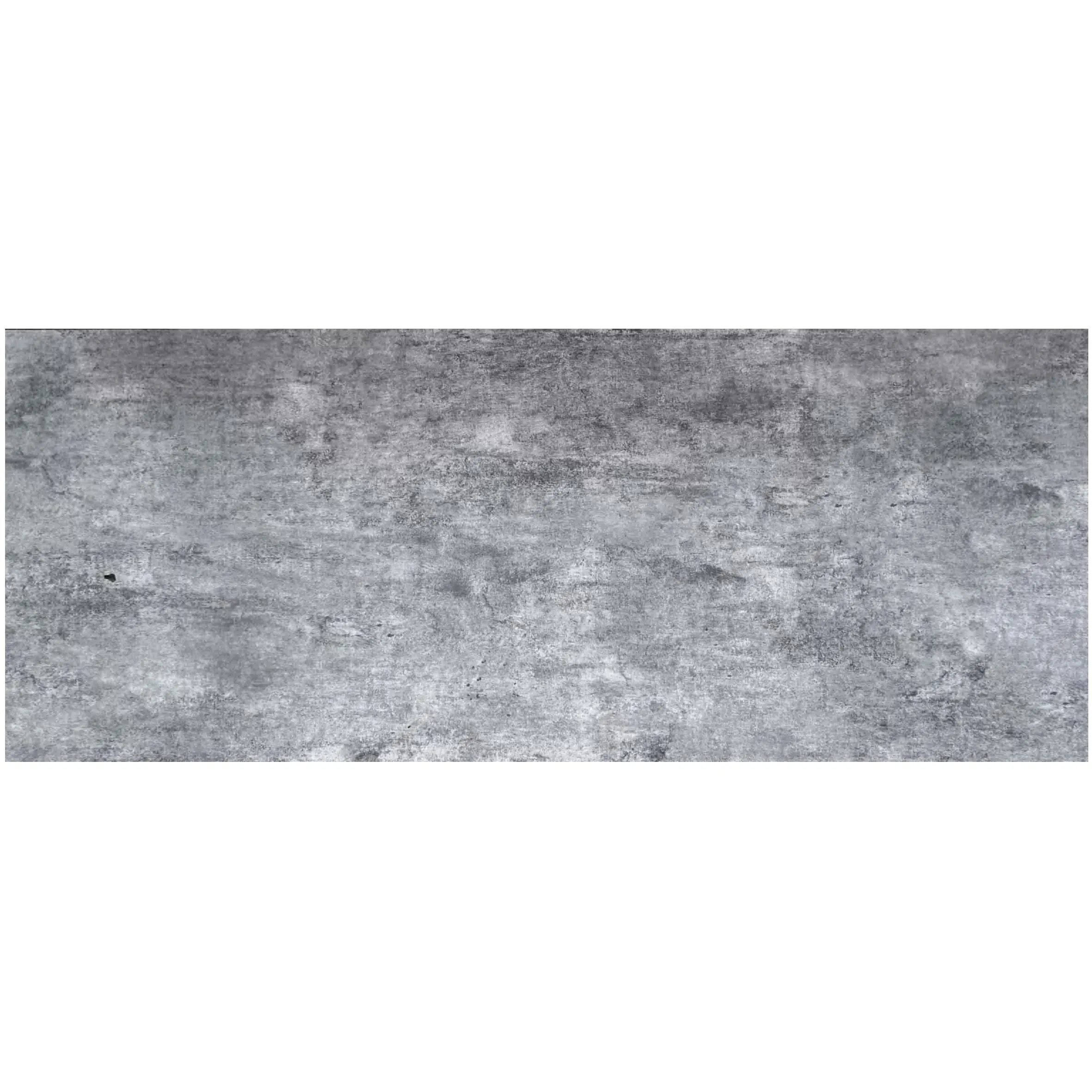
Let's start with a scenario we've all lived (or feared): You're a contractor juggling a commercial renovation. The client wants a sleek, modern lobby with polish concrete floors—trendy, durable, and perfect for their brand. But there's a catch: they need the space open in six weeks. Traditional polish concrete? You know that's a pipe dream. Curing alone takes nearly a month, and that's before grinding, polishing, and sealing. Panic sets in. Sound familiar? If so, you're not alone. In construction, time isn't just money—it's reputation, client trust, and staying ahead of the competition. That's where the debate between traditional polish concrete and innovative solutions like COLORIA MCM comes into play.
Before we dive into the methods, let's talk about why installation time isn't just a number on a schedule. For commercial projects—restaurants racing to open before peak season, offices relocating teams, or retail stores chasing holiday foot traffic—every day of delay can cost thousands in lost revenue. Residential clients? They're eager to move into their new homes or enjoy their renovated spaces without living in a construction zone for months. And let's not forget labor costs: more days on-site mean more hours paid, eroding profit margins. Traditional building materials often force a trade-off: beauty or speed. But what if you could have both?
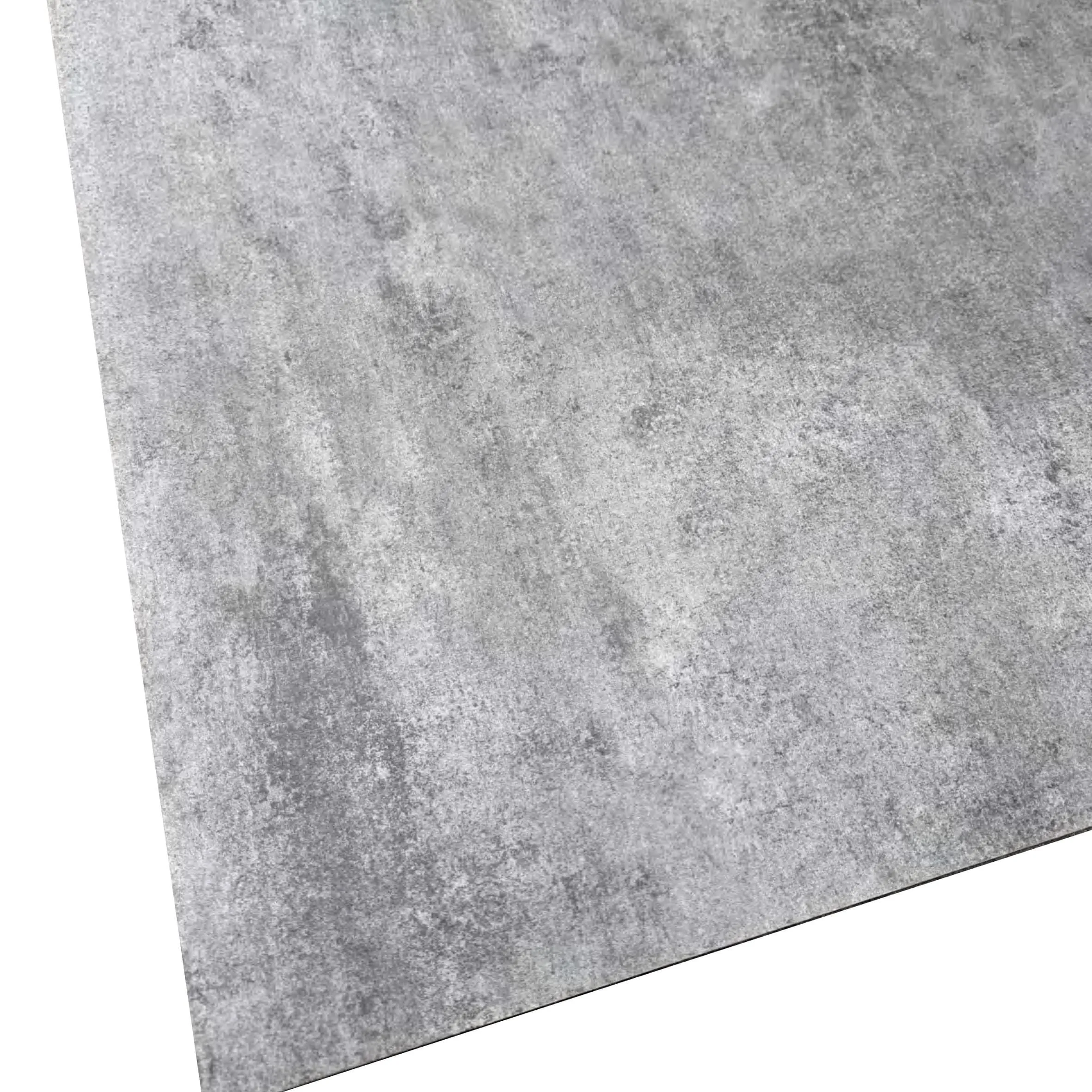
Polish concrete has been a go-to for decades, and for good reason. Its raw, industrial-chic look, durability, and low maintenance make it a favorite for everything from warehouses to high-end boutiques. But let's pull back the curtain on what "tried-and-true" really means for your timeline.
First, there's site preparation: clearing the area, ensuring the subfloor is perfectly level (any dip or bump will show through), and installing vapor barriers if needed. That's a day or two, maybe more if the site is uneven. Then comes pouring the concrete itself—a labor-intensive process requiring precise mixing, smoothing, and edge work. But here's the kicker: curing. Concrete doesn't just "dry"—it chemically hardens over time, and rushing this step is a recipe for cracks, weak spots, or a surface that won't polish properly. Most professionals recommend a full 28 days of curing before grinding. Yes, 28 days. That's nearly a month of waiting before you even touch a grinder.
Once cured, the real work begins: grinding. You'll start with coarse diamond pads to level the surface and expose the aggregate, then move to finer pads (think 400, 800, 1500 grit) for that signature sheen. Each pass takes time, and you'll need to clean the slurry between grinds to avoid gumming up the pads. After grinding comes polishing, often with a densifier applied to harden the surface further. Finally, sealing—another step that requires drying time. All told, for a 500 sq. ft. space, you're looking at 4–6 weeks from start to finish, and that's if everything goes perfectly. Weather delays? A rainy week during curing can extend it even more.
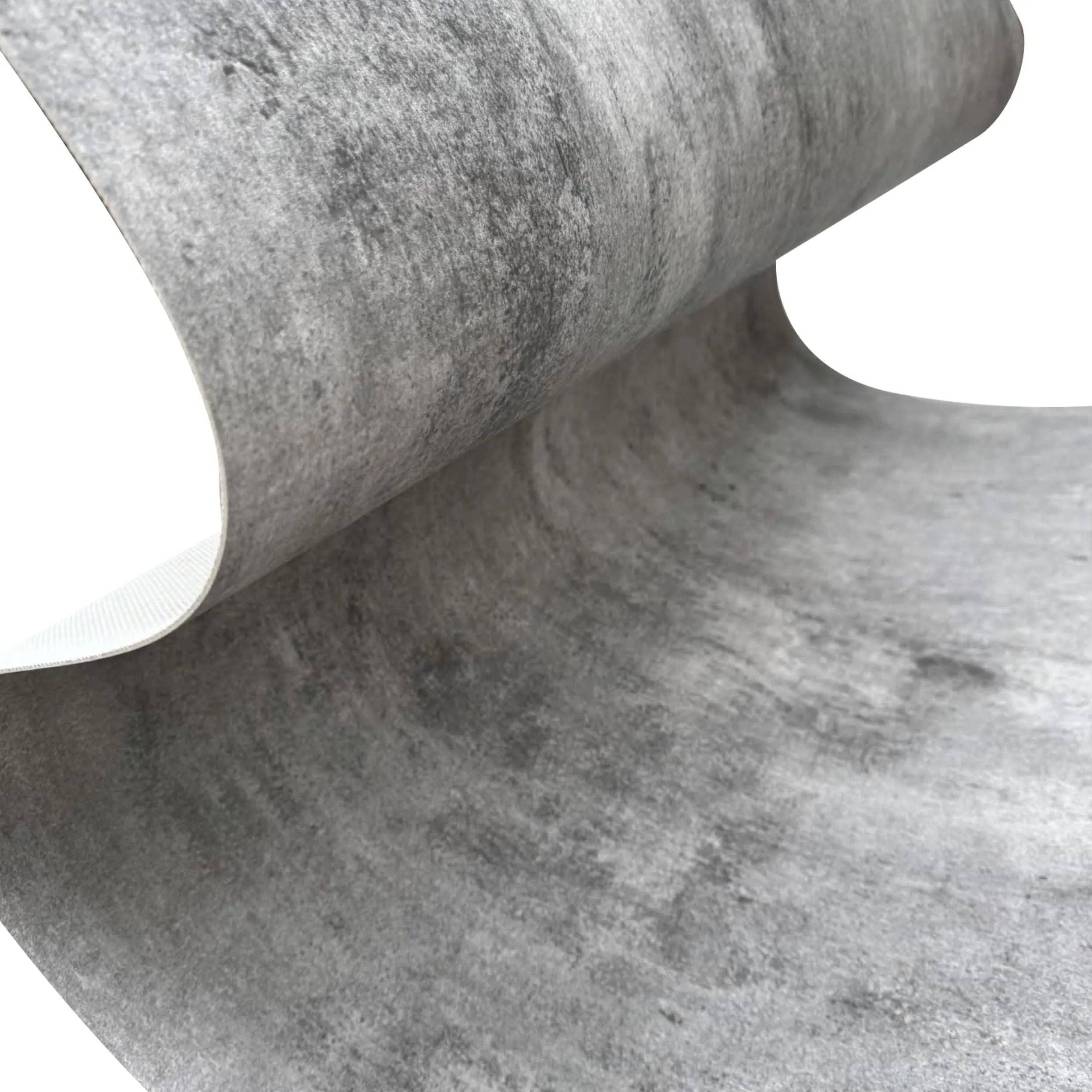
Enter COLORIA MCM. Short for Modified Composite Material, MCM is a game-changer in the world of building materials. Think of it as the "ready-to-wear" of construction: pre-fabricated, precision-engineered, and designed to cut installation time down to a fraction of traditional methods. And when it comes to polish concrete looks, COLORIA's MCM flexible stone and polish concrete panels are leading the charge.
So, what makes MCM different? For starters, these panels are crafted off-site in controlled factory conditions. That means no on-site mixing, pouring, or curing. Instead, you get lightweight, flexible sheets (often 3–5mm thick) that mimic the look of polished concrete—complete with subtle aggregates, matte or high-gloss finishes, and even custom colors like the warm tones of lime stone(beige) or the modern edge of lunar peak black. Because they're pre-finished, there's no need for on-site grinding or polishing. What you see is what you get, right out of the box.
Installation? It's refreshingly straightforward. Site prep is minimal: just ensure the substrate (concrete, drywall, even existing tile) is clean, dry, and flat. No need for extensive leveling—MCM panels conform to minor imperfections. Then, cut the panels to size with standard tools (a circular saw or utility knife works), apply a high-strength adhesive, and press them into place. Most panels set in 24 hours, and full curing takes just 48 hours. Sealing? Some MCM products come pre-sealed, but if not, a quick coat of penetrating sealer (applied in under an hour) is all it takes. For that same 500 sq. ft. space? You're looking at 3–5 days, start to finish. That's not a typo—days, not weeks.
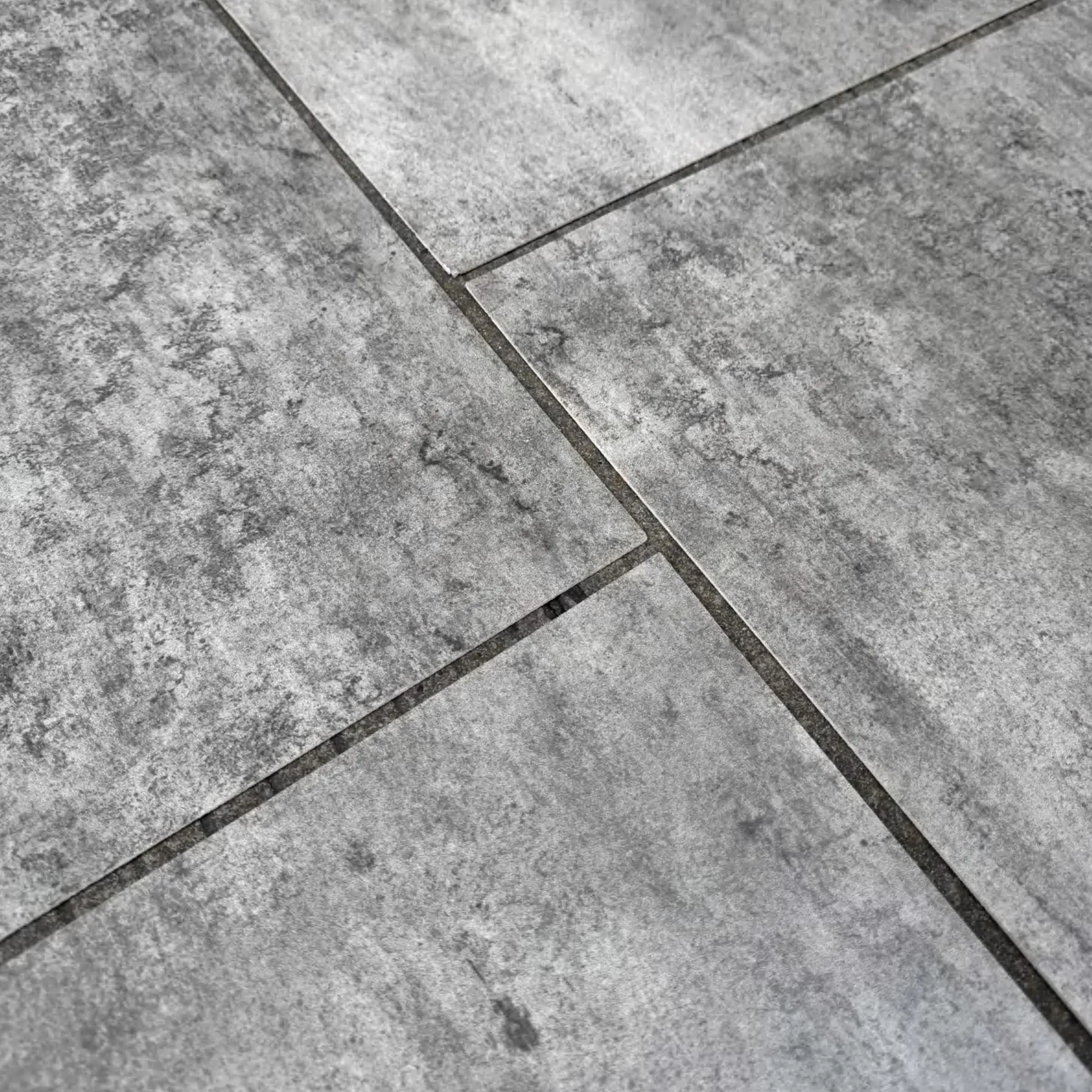
To really drive home the difference, let's break down the installation process step by step. The table below compares traditional polish concrete with COLORIA MCM polish concrete panels for a 1,000 sq. ft. commercial space—a common size for a small retail store or office lobby.
| Installation Phase | Traditional Polish Concrete | COLORIA MCM Polish Concrete |
|---|---|---|
| Site Preparation | 2–3 days (extensive leveling, vapor barriers) | 1 day (basic cleaning, minor surface prep) |
| Material Preparation | 1 day (mixing, pouring concrete) | 0 days (pre-fabricated panels ready to install) |
| Curing/Setting Time | 28 days (minimum curing before grinding) | 24–48 hours (adhesive sets, ready for use) |
| Grinding/Polishing | 0 days (pre-finished panels, no on-site polishing) | |
| Sealing | 1 day (plus 24 hours drying time) | 0.5 days (pre-sealed options available) |
| Total Project Time | 35–40 days | 5–7 days |
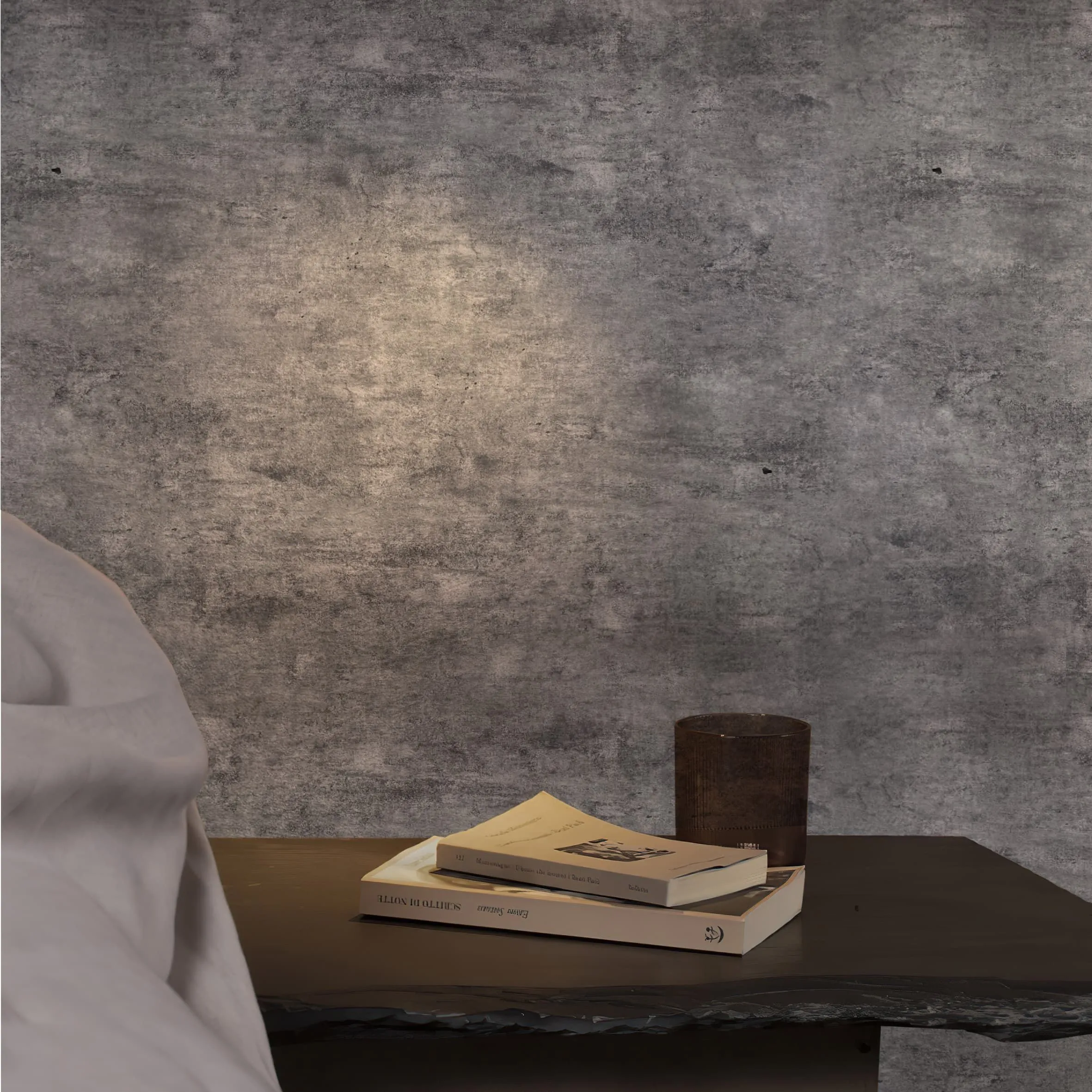
Speed is the headline, but COLORIA MCM offers more than just faster installation. Let's talk design flexibility—because why sacrifice style for speed? MCM panels come in a staggering array of finishes, from the organic texture of travertine (starry blue) to the sleek metallic sheen of foamed aluminium alloy board (vintage silver). Want the look of rough granite stone (medium grey) for a rustic vibe, or the clean lines of fair-faced concrete for a minimalist space? MCM has you covered. These aren't cheap imitations—advanced printing and texturing techniques mean the panels capture every nuance of natural stone, right down to the veining in marble or the pitting in travertine.
Durability? Don't let the lightweight nature fool you. MCM panels are scratch-resistant, water-resistant, and built to withstand heavy foot traffic. They're also impact-resistant, making them ideal for high-traffic areas like hallways or retail floors. And because they're so light (often 80% lighter than natural stone), they reduce structural load—perfect for retrofits or upper-floor installations where weight is a concern.
Labor costs? With traditional polish concrete, you need a crew of 3–4 skilled workers for pouring, grinding, and finishing. With MCM, 2 workers can handle installation—no specialized skills required. That cuts labor costs by 50% or more, adding to your bottom line.
Let's look at a real example: a boutique hotel in downtown Chicago needed to renovate their lobby and restaurant before the summer tourist season. The design called for polished concrete floors with a "lunar peak silvery" finish—modern, reflective, and on-brand. The contractor initially quoted 6 weeks using traditional methods, but the hotel needed it done in 3 to hit their opening date. Enter COLORIA MCM's lunar peak silvery panels. The team prepped the site on Monday, installed panels Tuesday–Wednesday, sealed Thursday, and by Friday, the space was ready for furniture. Total time? 5 days. The hotel opened on schedule, and the lobby's sleek, silvery floors became a social media hit—all because they skipped the 28-day curing wait.
Another example: a coffee shop chain expanding to a new location. They wanted the industrial look of rough granite stone (dark grey) but needed to open within 2 weeks to capitalize on a local festival. Traditional concrete would have forced them to miss the festival, costing an estimated $20,000 in revenue. COLORIA's MCM flexible stone panels were installed in 3 days, and the shop opened in time—turning that potential loss into profit.
At the end of the day, construction shouldn't be a choice between beauty and speed. Traditional polish concrete has its place, but in a world where deadlines are tighter than ever, COLORIA MCM offers a smarter alternative. With installation times cut by up to 85%, design options that rival natural materials, and durability that stands the test of time, it's no wonder more contractors and designers are making the switch.
So, the next time you're staring down a polish concrete project with a tight deadline, ask yourself: Can you afford to wait 28 days for curing? Or would you rather spend 5 days installing panels and moving on to the next job? For most of us, the answer is clear. COLORIA MCM isn't just a material—it's a time-saving, profit-boosting tool that lets you deliver stunning results, faster than ever before.
Recommend Products












