
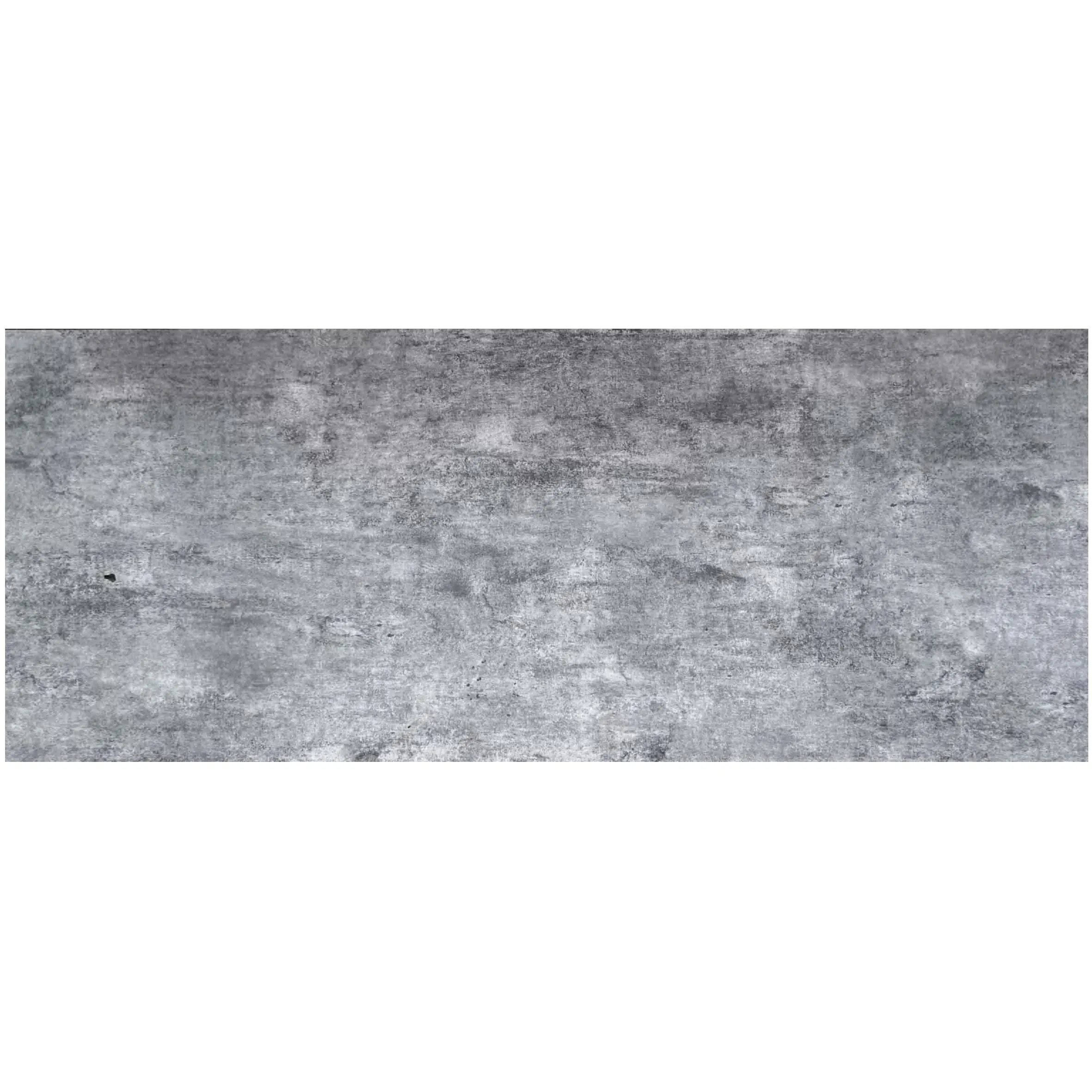
There's something almost magnetic about polished concrete. It's the way it catches the light—softly reflecting a room's warmth while holding onto that raw, industrial edge. It's in the way it feels underfoot: cool, smooth, and surprisingly comforting, like walking on a slab of history that's been polished to perfection. From cozy home living rooms to bustling café floors, from sleek office lobbies to boutique retail spaces, polished concrete has cemented itself (pun absolutely intended) as a design favorite. But here's the truth: even the toughest surfaces need a little TLC. Without proper care, that mirror-like shine can fade, stains can set in, and cracks can creep in, turning your once-stunning floor into a lackluster shadow of its former self. The good news? With the right maintenance habits and a little help from COLORIA MCM's innovative products, your polished concrete can stay vibrant, durable, and beautiful for decades. Let's dive into the how, the why, and the secret weapons that make it all possible.
First, let's talk about what makes polished concrete so special—and so susceptible to wear if neglected. Unlike regular concrete, which is porous and rough, polished concrete undergoes a multi-step process: grinding with diamond pads, sealing with hardeners, and buffing to a high gloss. This transforms the surface into something dense, non-porous (or nearly so), and incredibly strong. But "nearly non-porous" doesn't mean "invincible." Spills—whether it's a dropped glass of red wine, a splash of olive oil, or even a puddle of rain tracked in—can still seep in if left unattended. Foot traffic, especially with shoes that have grit or gravel stuck to the soles, can scratch the surface over time. And harsh cleaners? They can strip away the sealant that's keeping your concrete protected, leaving it vulnerable to stains and discoloration.
Think of it like a car: even a rugged SUV needs regular oil changes and tire rotations to keep running smoothly. Polished concrete is no different. It's an investment in your space's aesthetics and functionality, and like any investment, it pays off to protect it. The good news? Maintenance doesn't have to be complicated. It's about building small, consistent habits—and choosing the right products to make those habits even more effective.
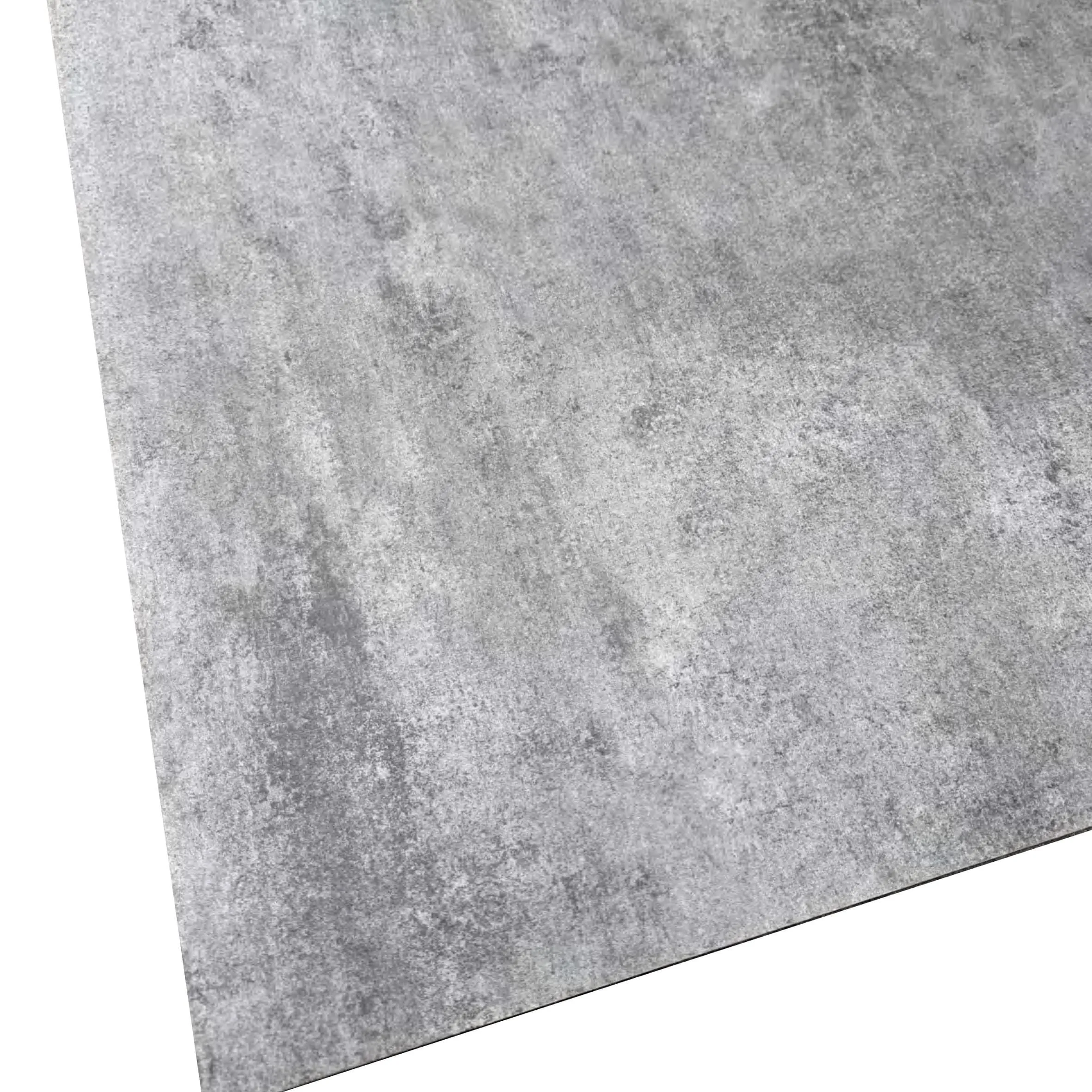
Let's start with the basics: daily cleaning. This isn't about deep scrubbing—it's about preventing dirt, dust, and debris from building up and causing micro-scratches. Imagine dragging a grain of sand across your concrete floor every time you walk by. Over weeks and months, those tiny scratches add up, dulling the shine. So, grab a soft-bristled broom or a dust mop (avoid stiff bristles—they can scratch!) and give your floor a quick once-over every morning or evening. For high-traffic areas like entryways or kitchen floors, you might even want to do this twice a day.
When it comes to mopping, skip the bucket of soapy water. Most household detergents are too harsh—they can leave a filmy residue that traps dirt and makes your floor look cloudy. Instead, use a microfiber mop dampened with warm water. If you need a little extra cleaning power (say, after a spill), mix in a pH-neutral cleaner specifically designed for polished concrete. Avoid vinegar, bleach, or ammonia-based cleaners at all costs—their acidity can eat away at the sealant and etch the surface.
Even with daily cleaning, spills happen. The key here is speed. The longer a spill sits, the more likely it is to stain. Let's break down common culprits and how to tackle them:
Pro tip: Always test any cleaner or stain remover on a small, inconspicuous area first. Better safe than sorry!
Sealing is the unsung hero of polished concrete maintenance. Think of it as a force field for your floor: a thin, protective layer that blocks stains, repels water, and locks in that glossy finish. But how often should you seal? It depends on foot traffic. In high-traffic areas (like a busy café or kids' playroom), plan to reseal every 1–2 years. In lower-traffic spaces (like a home office), every 2–3 years should do the trick.
How do you know when it's time? Here's a simple test: sprinkle a few drops of water on the floor. If the water beads up and rolls off, the sealant is still doing its job. If it soaks in or leaves a dark spot, it's time to reseal. When choosing a sealer, opt for a penetrating sealer (it soaks into the concrete) or a topical sealer (it sits on top), depending on your finish. Penetrating sealers are great for a natural look, while topical sealers can enhance shine—but either way, make sure it's designed for polished concrete.
Polished concrete is tough, but it's not indestructible. Heavy furniture, dragging chairs, or dropping sharp objects can cause chips or scratches. The fix here is simple: prevention. Add felt pads to the bottom of chairs, tables, and sofas—this keeps them from scraping the floor when moved. Use a dolly with rubber wheels when moving heavy appliances or furniture, and avoid dragging anything across the surface. For entryways, place a doormat outside and inside to trap dirt, gravel, and moisture before they hit your concrete. It's a small step, but it goes a long way in keeping scratches at bay.
Every 3–6 months, depending on foot traffic, it's a good idea to give your polished concrete a deeper clean. This isn't about scrubbing until your arms ache—it's about removing any built-up residue that daily mopping might miss. Start by sweeping or vacuuming thoroughly to remove loose dirt. Then, use a floor buffer with a soft, white pad (avoid aggressive pads like black or brown—they're too abrasive) and a pH-neutral cleaner. Work in small sections, overlapping each pass to ensure even cleaning. Rinse with clean water and dry with a microfiber cloth or a fan to prevent water spots.
| Maintenance Task | Frequency | Key Tip | COLORIA Product to Enhance Results |
|---|---|---|---|
| Daily Cleaning | Daily (morning/evening) | Use a soft dust mop; avoid harsh bristles | Fair-Faced Concrete Sealant (protects against daily wear) |
| Stain Removal | As spills occur (act within 5 minutes!) | Blot, don't wipe; use pH-neutral cleaners | Flexible Stone Coating (resists stains at the surface) |
| Sealing | Every 1–3 years (high/low traffic) | Test with water droplets to check sealant health | MCM Big Slab Board Series (pre-sealed for long-lasting protection) |
| Seasonal Deep Clean | Every 3–6 months | Use a buffer with a soft white pad | Wood Grain Board (textured surface hides minor wear, reducing cleaning effort) |
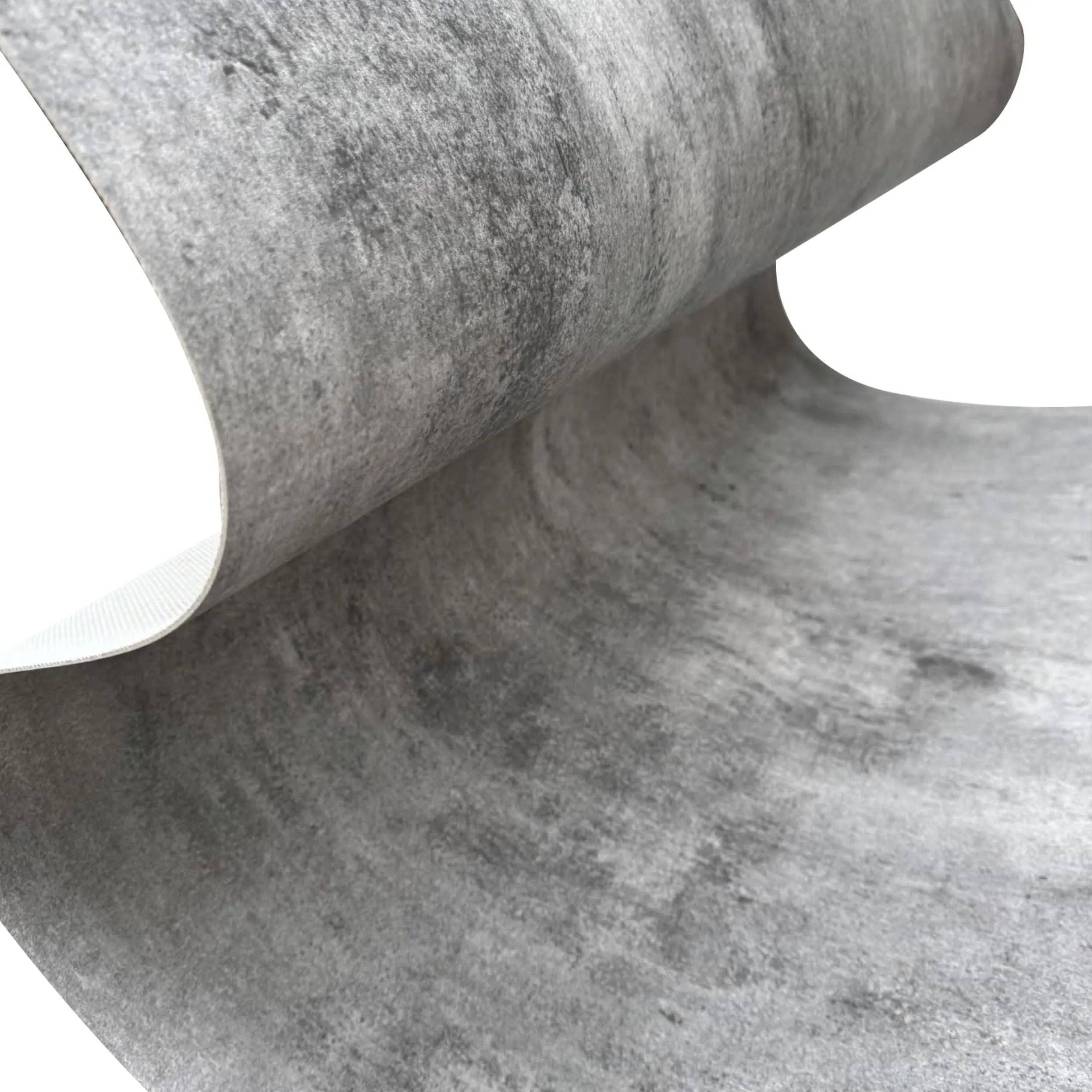
Now, let's talk about the game-changers: COLORIA MCM's products. What makes them different? They're designed with both durability and ease of maintenance in mind. No more choosing between beauty and practicality—these products give you both. Let's break down a few standout options and how they make your maintenance routine simpler, more effective, and even a little less stressful.
Traditional concrete is heavy, rigid, and prone to cracking if the ground shifts or there's impact. COLORIA's flexible stone, on the other hand, is a revelation. It's made from a blend of natural stone aggregates and advanced polymers, making it lightweight (easy to install!) and surprisingly flexible. This flexibility means it resists cracks from temperature changes or minor impacts—no more stressing about a dropped tool or a heavy piece of furniture leaving a permanent mark. And because it's non-porous, spills bead up instead of soaking in, making cleanup a breeze. Imagine a floor that can handle a spilled smoothie, a scuffed shoe, and a kid's toy truck without breaking a sweat. That's flexible stone.
One of the biggest headaches with traditional concrete is seams. More seams mean more places for dirt, grime, and moisture to hide—turning your cleaning routine into a never-ending battle with crevices. COLORIA's mcm big slab board series solves this with large, seamless slabs that cover more area with fewer joints. Think of it as a giant puzzle with only a few pieces—no tiny gaps to scrub or seal. These slabs are pre-sealed at the factory, too, so they arrive ready to install and resistant to stains from day one. Whether you're covering a commercial space or a home basement, fewer seams mean less maintenance, more durability, and a cleaner, more cohesive look.
For those who love the raw, unpolished look of concrete but still want durability, COLORIA's fair-faced concrete is a dream. It's designed to mimic the natural texture of concrete—rough around the edges, full of character—without the porosity that makes traditional fair-faced concrete so hard to maintain. COLORIA treats it with a special sealant that preserves that authentic, "unfinished" look while blocking stains and moisture. So you get the best of both worlds: the industrial charm you love, with the peace of mind that a spilled cup of coffee won't leave a permanent stain.
Sometimes, you want the warmth of wood with the durability of concrete. Enter COLORIA's wood grain board. It's a clever fusion: the surface mimics the rich, natural patterns of wood (think oak, maple, or walnut), but the core is tough, polished concrete. This means you get the cozy, inviting feel of wood floors without the scratches, water damage, or warping that comes with real wood. Cleaning? Just a quick sweep and damp mop—no special oils or waxes required. It's perfect for spaces where you want to balance industrial edge with homey warmth, like a kitchen or a bedroom.
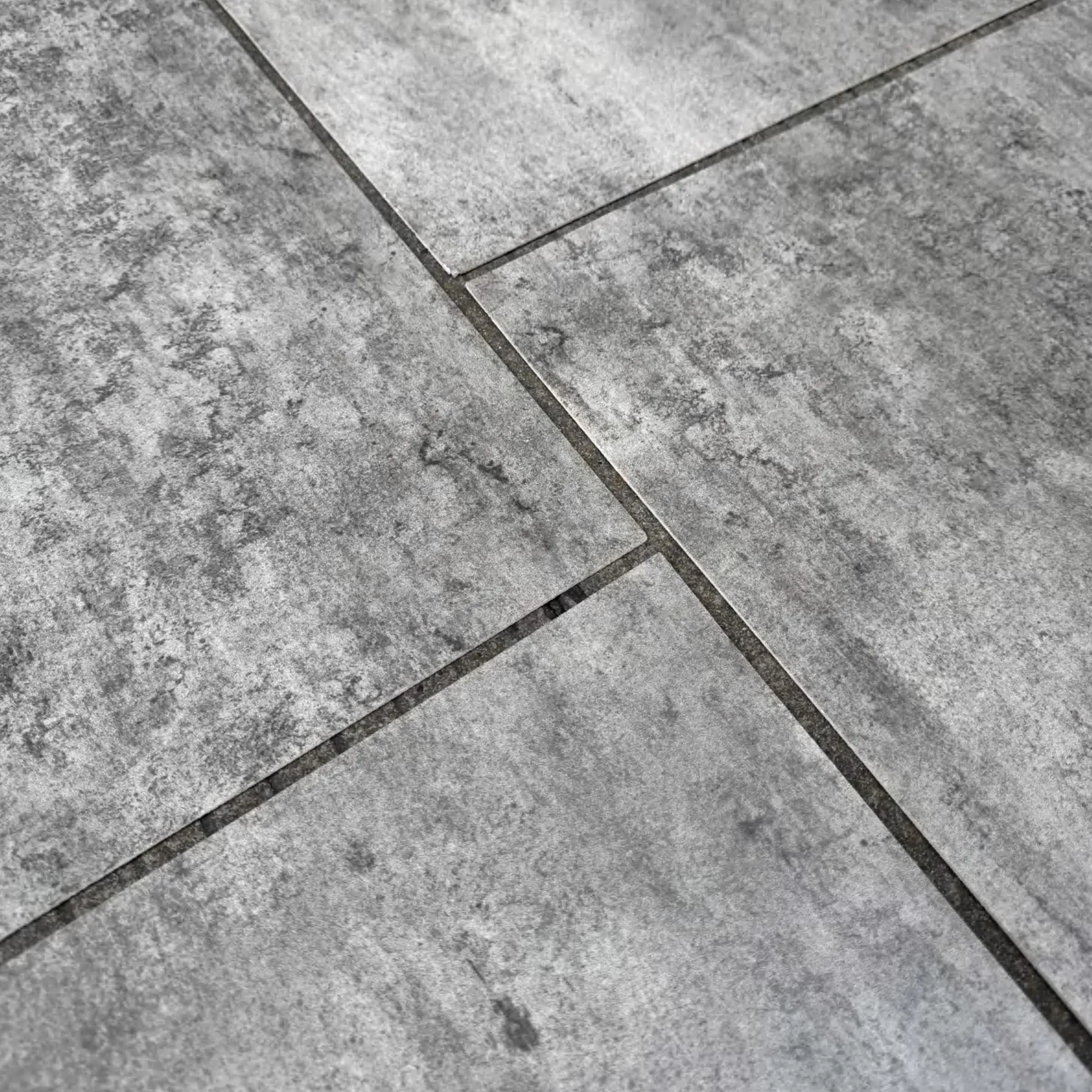
At the end of the day, maintaining polished concrete isn't about perfection—it's about consistency. A quick sweep here, a prompt spill cleanup there, and a seasonal deep clean to keep things fresh. And when you pair those habits with COLORIA MCM's products—flexible stone for durability, big slabs for seamless ease, fair-faced concrete for authentic charm, and wood grain board for warmth—you're not just maintaining a floor. You're preserving a space that reflects your style, your personality, and your commitment to quality.
Imagine walking into your home years from now, and your polished concrete floor still shines like the day it was installed. Imagine hosting a dinner party, laughing with friends, and not worrying about a spilled glass of wine. Imagine a commercial space where your floors look as good on year five as they did on opening day. That's the power of smart maintenance and the right products. Polished concrete isn't just a flooring choice—it's a legacy. And with a little care, it's a legacy that will last.
So grab your dust mop, stock up on pH-neutral cleaner, and consider upgrading to COLORIA MCM's innovative solutions. Your concrete (and your future self) will thank you.
Recommend Products












