
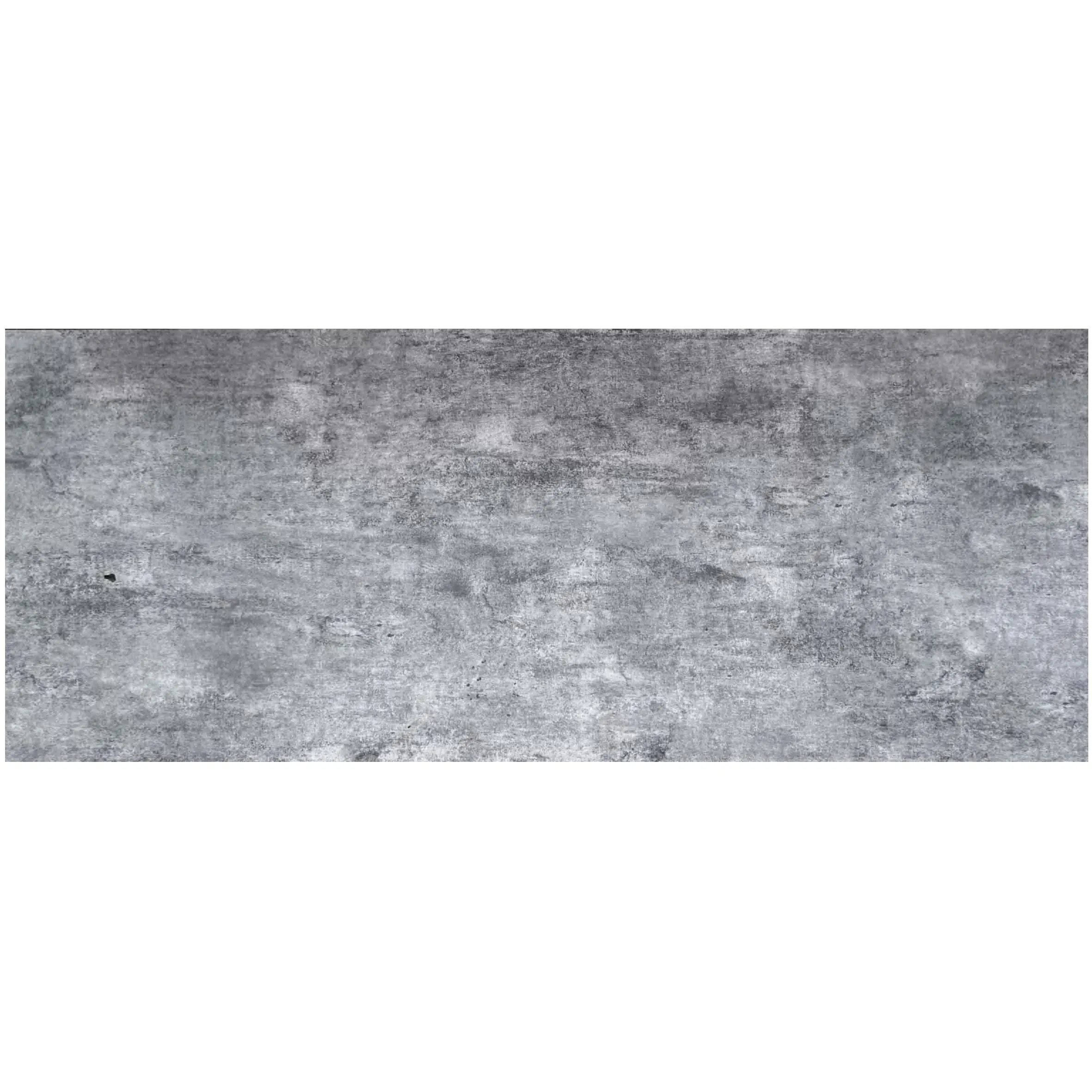
Buildings are more than just structures—they're storytellers. From the rough-hewn stone of ancient temples to the sleek glass of modern skyscrapers, every material whispers a tale of innovation, culture, and purpose. In recent decades, the construction industry has witnessed a quiet revolution: a shift from heavy, unyielding materials to lighter, more adaptable ones that blend durability with design freedom. At the heart of this revolution lies polish concrete, a material that has transcended its industrial roots to become a canvas for architectural creativity. And leading this charge is COLORIA MCM, whose modified cementitious formulations are redefining what polish concrete can be.
Concrete, once dismissed as a "workhorse" material—reliable but unremarkable—has undergone a dramatic transformation. Traditional concrete, composed of cement, sand, gravel, and water, served its purpose: it was strong, affordable, and abundant. But it lacked personality. It cracked under stress, limited design options, and often required heavy reinforcement. Enter polish concrete: a refined version where the surface is mechanically ground and polished to a high sheen, revealing the beauty of its aggregates and creating a smooth, durable finish. Yet even this was just the beginning. COLORIA MCM saw potential to push further—to modify the very composition of concrete, turning it into a material that's not just strong, but flexible, customizable, and even eco-friendly.
Today, COLORIA MCM's polish concrete isn't just a building material; it's a design tool. It's the reason a restaurant wall can mimic the texture of wood grain board , or a hotel lobby floor can shimmer like lunar peak silvery under ambient light. It's the bridge between industrial strength and artistic expression, and its secret lies in the science of modification.
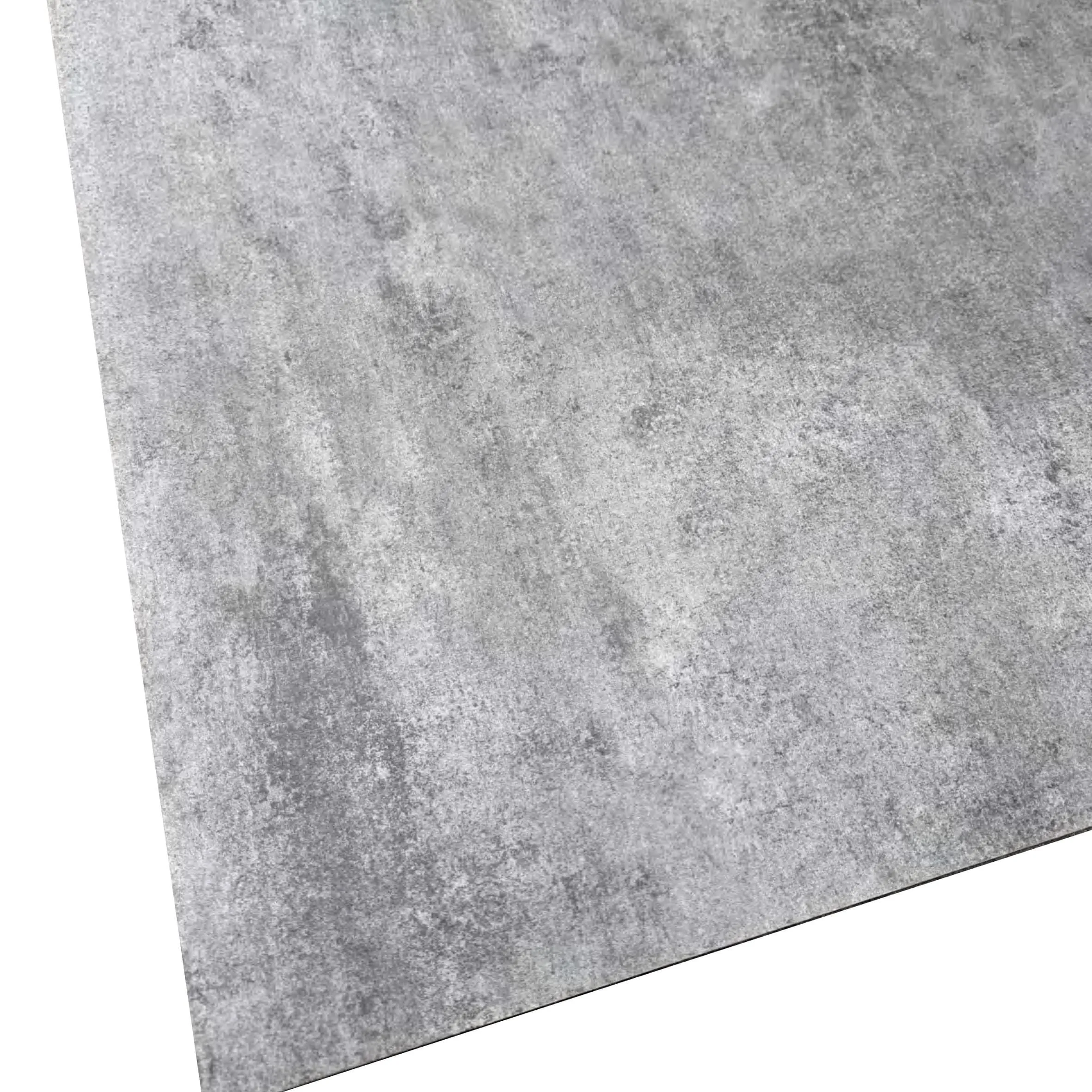
At its core, polish concrete still relies on the classic cementitious matrix, but COLORIA MCM's formula is a masterclass in material engineering. Let's dissect its key components and how they work together to create a superior product:
Traditional concrete uses ordinary Portland cement (OPC) and coarse aggregates like crushed stone. COLORIA MCM starts here but elevates the mix. They use high-performance cement blends, often incorporating fly ash or slag (industrial byproducts) to reduce carbon footprint while boosting strength. For aggregates, they're picky: instead of generic gravel, they source specialized materials like fine silica sand for a smoother polish, or recycled glass for a subtle, glittering effect. In some formulations, you'll even find traces of MCM flexible stone —a proprietary composite that adds flexibility without sacrificing hardness, making the concrete less prone to cracking under thermal stress or structural movement.
The real magic happens with polymers. COLORIA MCM adds polymer modifiers—usually acrylics or epoxies—to the concrete mix. These polymers act as tiny reinforcing fibers, binding the cement matrix together more tightly. The result? A material that's not just stronger (with compressive strengths exceeding 60 MPa) but also more flexible. This flexibility is game-changing: it allows polish concrete to be used in thin slabs (as little as 20mm thick) without compromising durability, making it ideal for retrofits or projects where weight is a concern. It also enhances the polishability of the surface, ensuring that the final finish is uniform, scratch-resistant, and radiant.
Gone are the days of gray-only concrete. COLORIA MCM's polish concrete comes in a spectrum of hues, from the earthy warmth of lime stone (beige) to the bold drama of lunar peak black . These colors aren't just surface-deep; they're integrated into the mix using iron oxide pigments or synthetic colorants that resist fading under UV light. For metallic finishes—like the shimmering lunar peak golden —they add microfine metal particles that catch the light, creating a finish that shifts with the angle of view. Additives like air-entraining agents improve freeze-thaw resistance, while superplasticizers reduce water content, making the mix easier to pour and shape without weakening it.
In line with the MCM 3D printing series , COLORIA MCM has optimized its polish concrete for additive manufacturing. The mix is tailored to flow smoothly through 3D printer nozzles while setting quickly enough to support vertical structures. This means architects can now design curved walls, intricate patterns, or custom facades that were once impossible with traditional casting methods. Imagine a museum facade printed in travertine (starry blue) polish concrete, with undulating lines that mimic ocean waves—all made possible by this modified, printable formula.
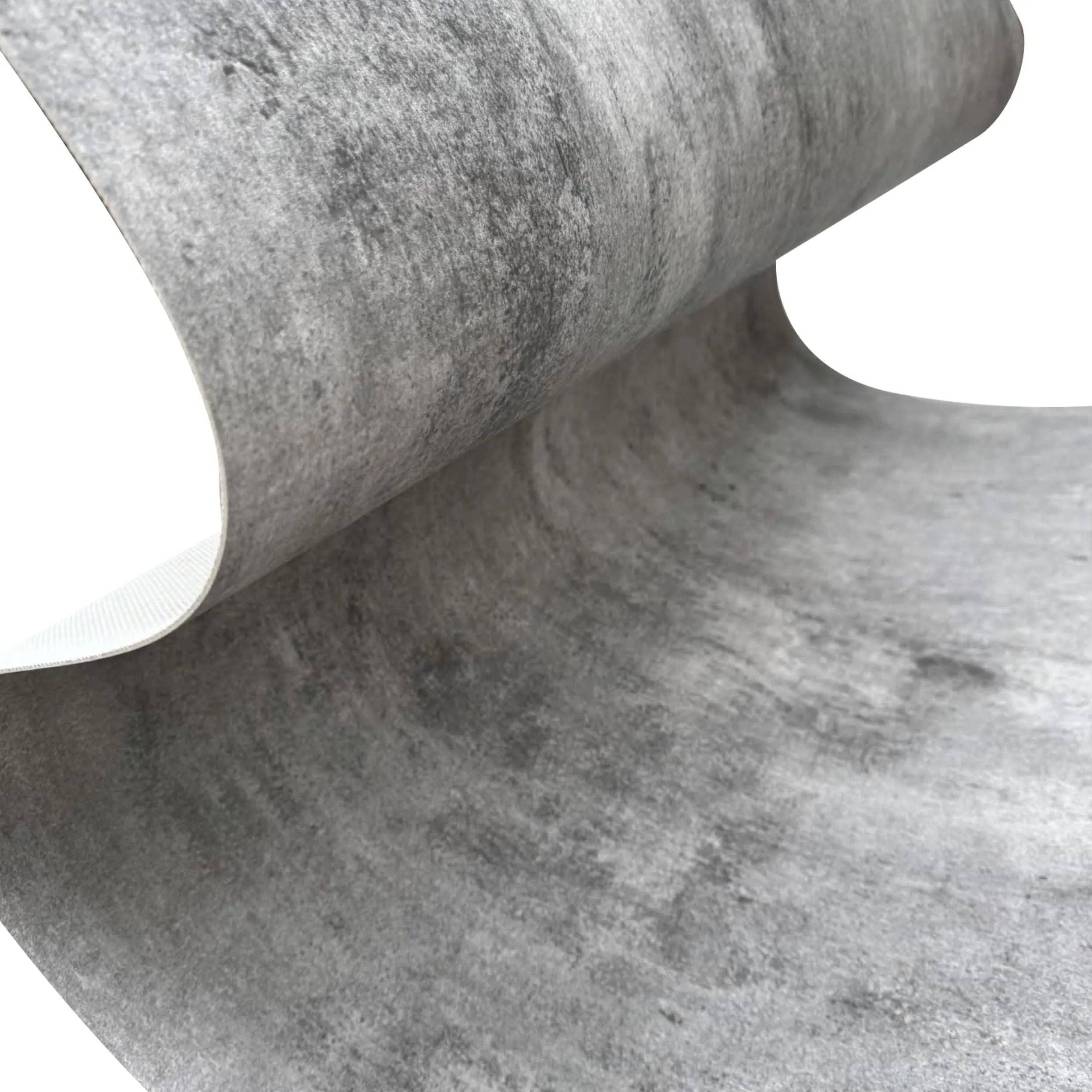
To truly appreciate COLORIA MCM's polish concrete, let's compare it to other common building materials. The table below highlights key differences in composition, performance, and design flexibility:
| Material | Key Composition | Strength (MPa) | Weight (kg/m²) | Design Flexibility | Typical Applications |
|---|---|---|---|---|---|
| Traditional Concrete | OPC, sand, gravel, water | 30–40 | 2400–2500 | Low (gray, flat finishes) | Foundations, driveways, industrial floors |
| COLORIA MCM Polish Concrete | High-performance cement, polymers, specialized aggregates, pigments | 50–70 | 2000–2200 (thinner slabs) | High (custom colors, textures, 3D shapes) | Lobbies, retail spaces, accent walls, custom facades |
| Fair-Faced Concrete | OPC, fine aggregates, minimal admixtures | 35–45 | 2300–2400 | Moderate (exposed aggregate, gray/white) | Modernist buildings, bridges, public art |
| MCM Flexible Stone | Cement, polymer fibers, natural stone particles | 40–50 | 1200–1500 | Very High (bends, thin panels, stone-like textures) | Cladding, interior walls, curved surfaces |
The data speaks for itself: COLORIA MCM's polish concrete outperforms traditional options in strength, weight, and design freedom. It's not just a material upgrade—it's a paradigm shift.
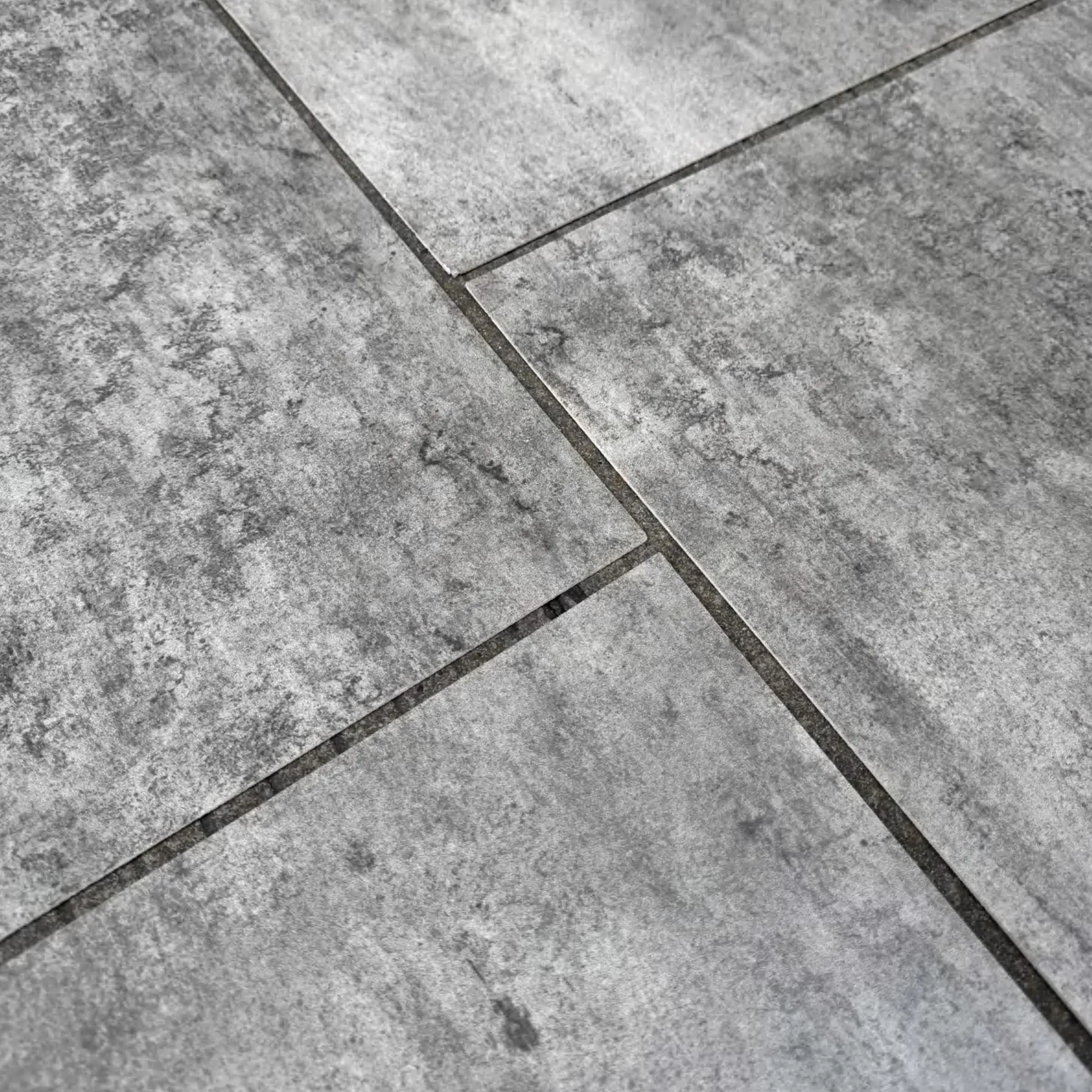
One of the most exciting aspects of COLORIA MCM's polish concrete is its chameleon-like ability to adapt to any design vision. Whether architects crave the industrial edge of fair-faced concrete or the warmth of natural wood, polish concrete can deliver—no expensive natural stone required.
Texture is where polish concrete truly shines. By adjusting the grinding and polishing steps, COLORIA MCM can create finishes ranging from matte to mirror-like. For a rustic, organic feel, they might leave the surface with a light grind, revealing the rough edges of aggregates—evoking the look of historical pathfinders stone or gobi panel textures. For a sleek, contemporary vibe, a high-gloss polish transforms the surface into a reflective canvas, perfect for modern lobbies or high-end retail spaces.
But the innovation doesn't stop there. Using stamping or 3D printing, COLORIA MCM can mimic other materials with accuracy. Want the look of wood grain board on a concrete wall? They'll imprint the texture during pouring, then polish to enhance the grain details. Dream of a floor that looks like travertine (starry red) ? Special aggregates and pigments create the appearance of natural stone veins, but with the durability of concrete.
COLORIA MCM's color palette draws inspiration from both the natural world and futuristic design trends. The lunar peak series —silvery, golden, and black—offers a sleek, otherworldly aesthetic, perfect for buildings aiming to make a bold statement. For warmer spaces, lime stone (beige) or rona yellow adds a cozy, earthy touch, while travertine (starry blue) or slate portoro introduces depth and drama.
What's most impressive is the consistency of these colors. Unlike natural stone, which varies in hue and pattern, COLORIA MCM's polish concrete delivers uniform color across large surfaces, ensuring a cohesive look for projects of any scale. And because the color is integral to the mix, it won't chip or fade over time—even in high-traffic areas.
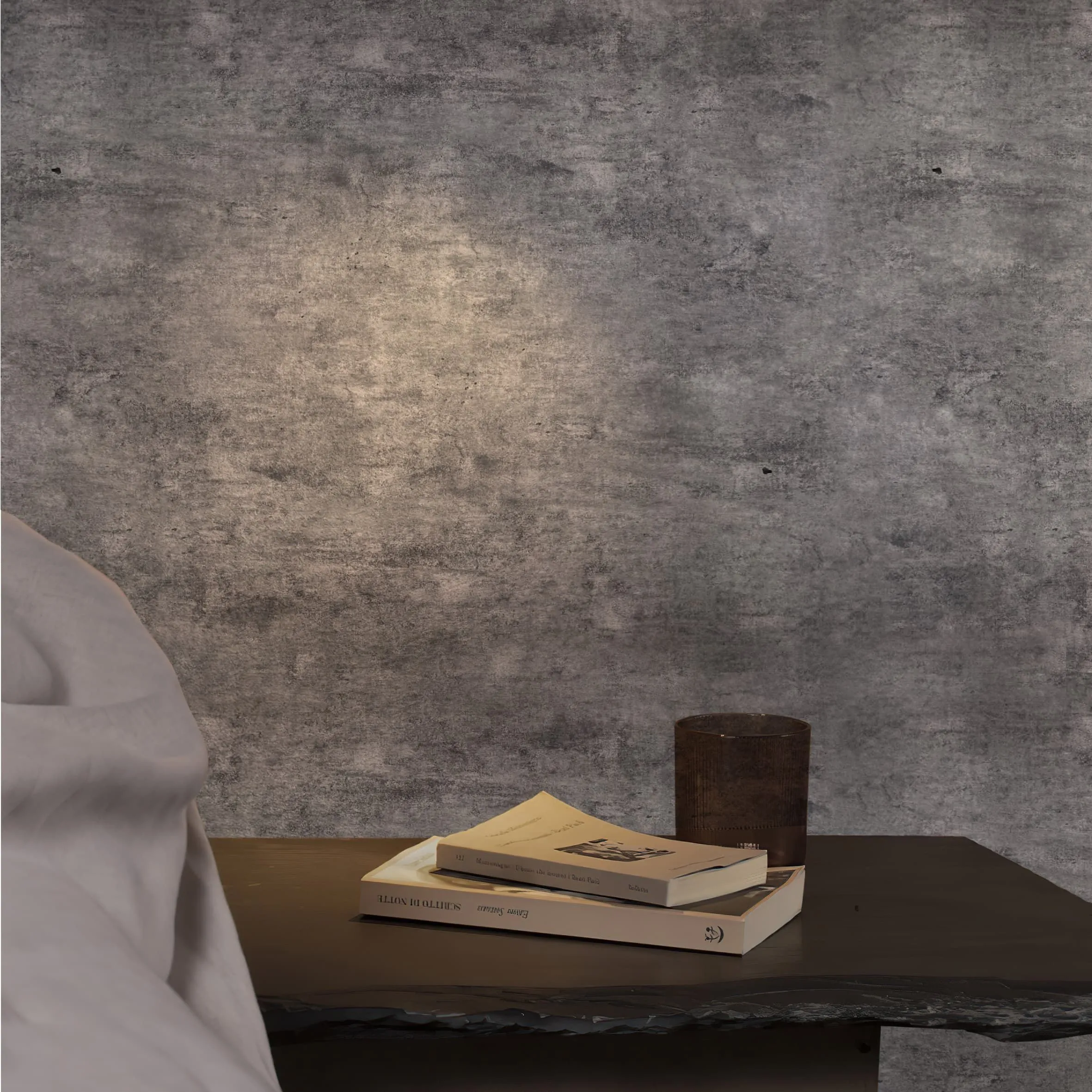
In an era where sustainability is no longer optional, COLORIA MCM's polish concrete checks all the boxes. Here's how:
When paired with other sustainable materials like foamed aluminium alloy board (vintage silver) or bamboo mat board , COLORIA MCM's polish concrete becomes part of a holistic green building strategy—proving that durability and eco-friendliness can go hand in hand.
To see COLORIA MCM's polish concrete in action, look no further than the Lunar Peak Tower, a 20-story mixed-use development in downtown Shanghai. Designed by award-winning architect Li Wei, the tower's facade is a striking example of how polish concrete can transform a building into a work of art.
The facade features lunar peak silvery polish concrete panels, 3D-printed into undulating, wave-like forms. The panels are thin (just 30mm thick) but incredibly strong, supported by a lightweight steel frame. During the day, the silvery finish reflects sunlight, reducing heat absorption and lowering cooling costs. At night, integrated LED lights illuminate the panels from behind, turning the tower into a glowing beacon that shimmers like moonlight on water.
Inside, the lobby floor uses travertine (starry blue) polish concrete, with embedded glass aggregates that catch the light, mimicking a starry night sky. The reception desk, made from lunar peak black polish concrete, features a seamless, curved design achieved through 3D printing—no seams, no joints, just a single, fluid surface that exudes modern elegance.
"Polish concrete gave us the freedom to create a building that's both bold and sustainable," says Wei. "The MCM 3D printing series allowed us to push the limits of what's possible with concrete, while the color options let us tie the design to our 'lunar' theme. It's not just a material—it's a collaborator in the creative process."
As we look to the future, COLORIA MCM shows no signs of slowing down. The company is already experimenting with self-healing polish concrete, incorporating bacteria that produce limestone to seal cracks automatically. They're also exploring smart materials—polish concrete embedded with sensors that monitor structural health or change color in response to temperature shifts.
The MCM project board series is another area of growth, offering prefabricated polish concrete panels that snap together like puzzle pieces, reducing construction time and waste. Imagine a low-rise office building constructed in weeks, not months, using these panels—each custom-colored to match the client's brand, with textures inspired by wood line or stream limestone (claybank) .
But perhaps the most exciting frontier is the fusion of polish concrete with other MCM innovations. For example, combining 3D printing series technology with flexible stone modifiers could lead to concrete that's not just strong and flexible, but also shape-shifting—able to bend or curve in response to environmental conditions. The possibilities are limited only by imagination.
COLORIA MCM's polish concrete is more than a building material; it's a testament to human ingenuity. By reimagining the composition of concrete—adding polymers for flexibility, specialized aggregates for texture, and pigments for color—they've turned a humble material into a tool for architectural storytelling. Whether it's mimicking the warmth of wood grain board , the drama of lunar peak black , or the innovation of 3D-printed forms , polish concrete is proving that the future of construction is both durable and delightful.
As we continue to build cities that are smarter, greener, and more beautiful, materials like COLORIA MCM's polish concrete will play a starring role. They remind us that the best buildings aren't just built—they're crafted, with care, creativity, and a deep respect for the materials that bring them to life. And in that craft, we find the true language of architecture: one that speaks to both the past and the future, one material at a time.
Recommend Products












