

Picture this: It's a Tuesday evening, and you're trying to unwind in your living room after a long day. Outside, a car backfires; upstairs, your neighbor's TV blares a reality show; and your partner, on a work call in the next room, is raising their voice to be heard over the chaos. Sound familiar? In our fast-paced, hyper-connected world, noise has become an invisible intruder—sneaking into our homes, offices, and public spaces, eroding our focus, our peace, and even our health. But what if the solution to this chaos isn't just better insulation or fancier headphones? What if it starts with the very walls, floors, and ceilings that surround us?
Building materials are the unsung heroes (or villains) of our acoustic experience. A sleek, modern lobby might look stunning with glossy marble, but step inside, and you'll quickly notice how every footstep echoes, every conversation feels amplified. On the flip side, a cozy café with wooden panels and textured walls wraps you in warmth—both visual and auditory—making even a crowded room feel intimate. The truth is, the materials we choose don't just shape how a space looks ; they shape how it feels to be in it. And when it comes to creating spaces that nurture calm, focus, and connection, acoustics reign supreme.
Let's talk about stress. Studies show that prolonged exposure to noise—even low-level background noise—raises cortisol levels, disrupts sleep, and impairs cognitive function. In offices, poor acoustics are linked to lower productivity and higher employee burnout. In homes, they turn family dinners into shouting matches and make remote work feel like a battle against distraction. We spend so much time curating our spaces for aesthetics—picking paint colors, furniture, and decor—that we often overlook the most basic human need: the ability to hear (and be heard) without strain.
This is where materials like polish concrete and MCM flexible stone step in. They're not just about durability or style (though they deliver on both); they're about reimagining how we interact with our environments. Let's start with polish concrete—a material that's taken the design world by storm for its raw, industrial-chic appeal. At first glance, it might seem like the last thing you'd want for acoustics: hard, smooth, and seemingly echo-prone. But dig deeper, and you'll find a material with surprising acoustic potential—especially when paired with innovations like MCM flexible stone.
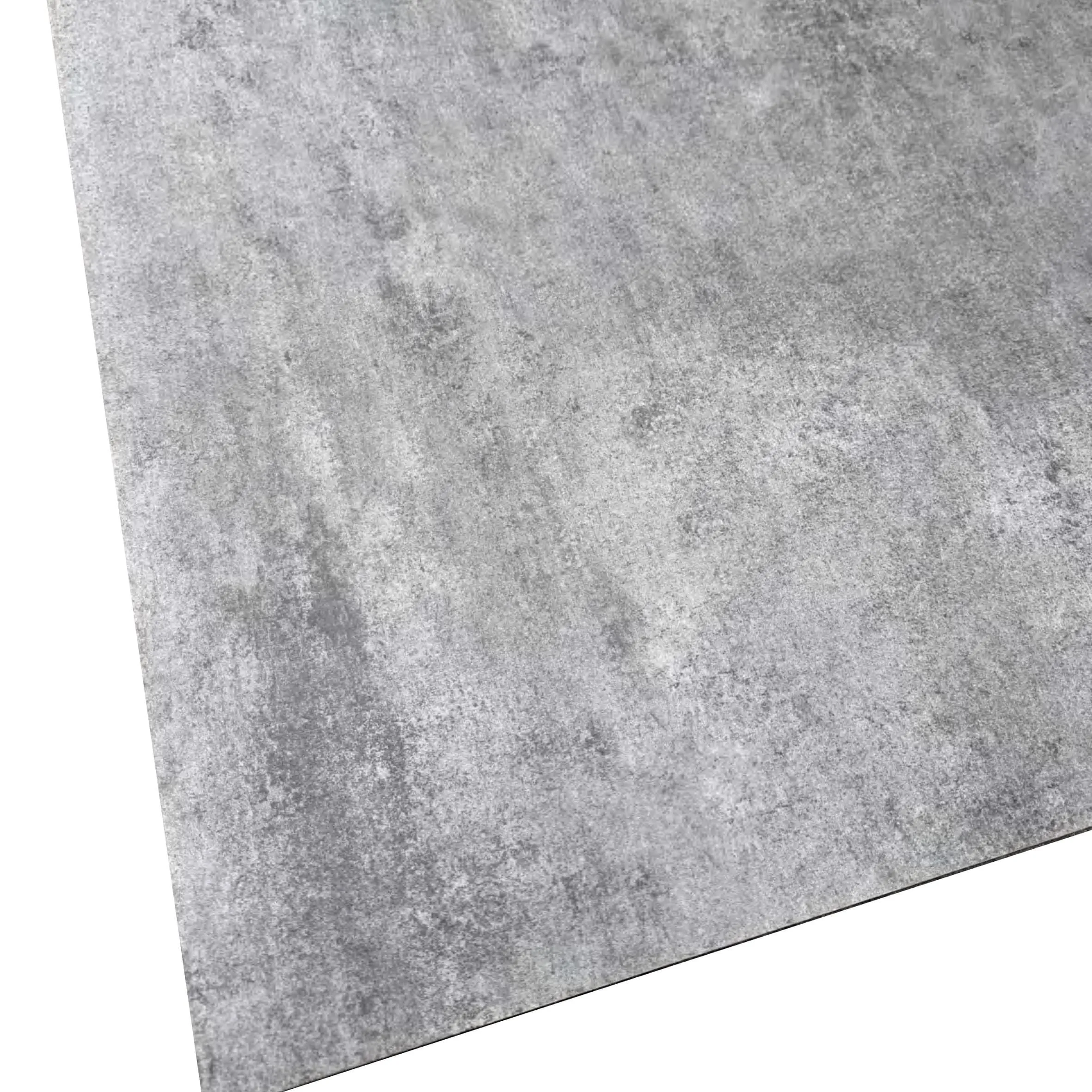
Polish concrete is exactly what it sounds like: concrete that's ground, polished, and sealed to a high-gloss finish. It's the material of lofts, art galleries, and modern homes, prized for its durability, low maintenance, and seamless, monolithic look. But here's the acoustic twist: when treated with the right techniques—like adding aggregates or integrating porous additives—polish concrete can actually absorb sound rather than reflect it. Its density helps block airborne noise (think traffic from outside), while textured finishes or honed surfaces reduce echo by breaking up sound waves.
I visited a home office in Chicago last year that perfectly showcased this. The owner, a freelance designer, had chosen polish concrete floors for their sleek look and durability (they have two energetic golden retrievers). But they were worried about noise—until their contractor added a specialized sealant with micro-porous properties. "Now, when the dogs run around, it's more of a soft thud than a clatter," they told me. "And my video calls? No more echoes making me sound like I'm in a cave. It's the little things, you know? Like being able to concentrate without wearing headphones all day."
But polish concrete isn't a one-size-fits-all solution. In spaces where sound absorption is critical—like music studios or open-plan offices—it often needs a partner. That's where mcm flexible stone comes in: a material that combines the best of durability, design, and acoustic performance.
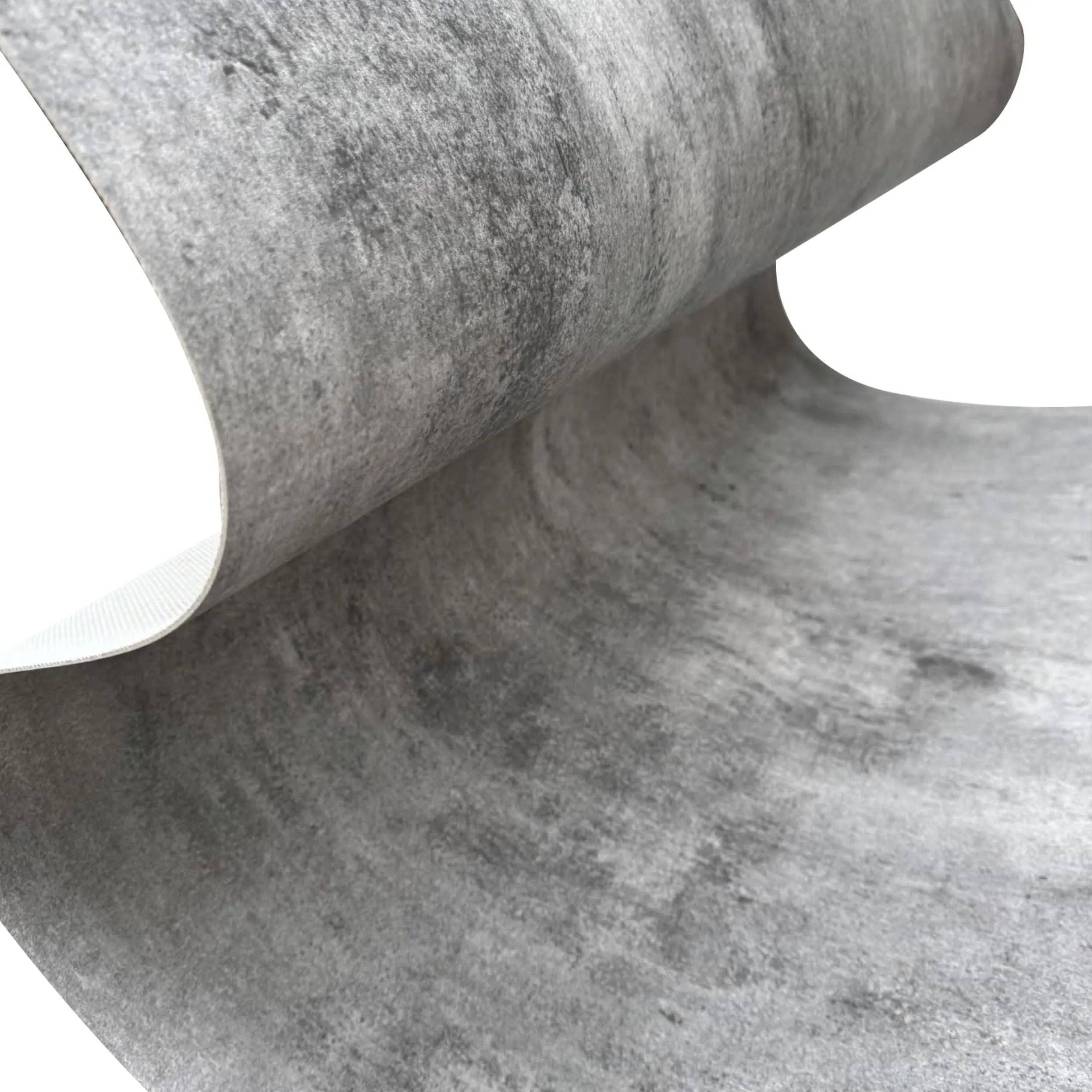
MCM (Modified Composite Material) flexible stone is a game-changer in the world of building materials. Imagine a material that's as strong as stone but as flexible as fabric—lightweight, easy to install, and customizable in hundreds of textures and colors. It's made by blending natural stone aggregates with advanced polymers, resulting in a thin, bendable panel that can mimic the look of travertine, marble, or even wood grain board, but with superior acoustic properties.
What makes MCM flexible stone so good at absorbing sound? It's all in the texture. Unlike smooth, solid surfaces that bounce sound waves around, MCM panels are engineered with micro-pores and irregular surfaces that trap and dissipate sound energy. Think of it like a sponge for noise: when sound hits the panel, it doesn't reflect—it gets absorbed, turning harsh echoes into soft murmurs. And because it's flexible, it can be applied to curved walls, ceilings, or even furniture, making it a versatile choice for any space.
Take the example of a trendy café in Portland I visited last month. The owners wanted the industrial vibe of concrete but the warmth of natural materials. They opted for polish concrete floors and MCM flexible stone walls in a "travertine (starry blue)" finish—a stunning, textured surface that looks like a night sky sprinkled with stars. "We were worried it would be too loud," the manager told me. "Cafés are busy, and with hard floors, sound can get out of control. But with the MCM walls? You can actually have a conversation without leaning in. Customers stay longer because it feels comfortable—not chaotic."
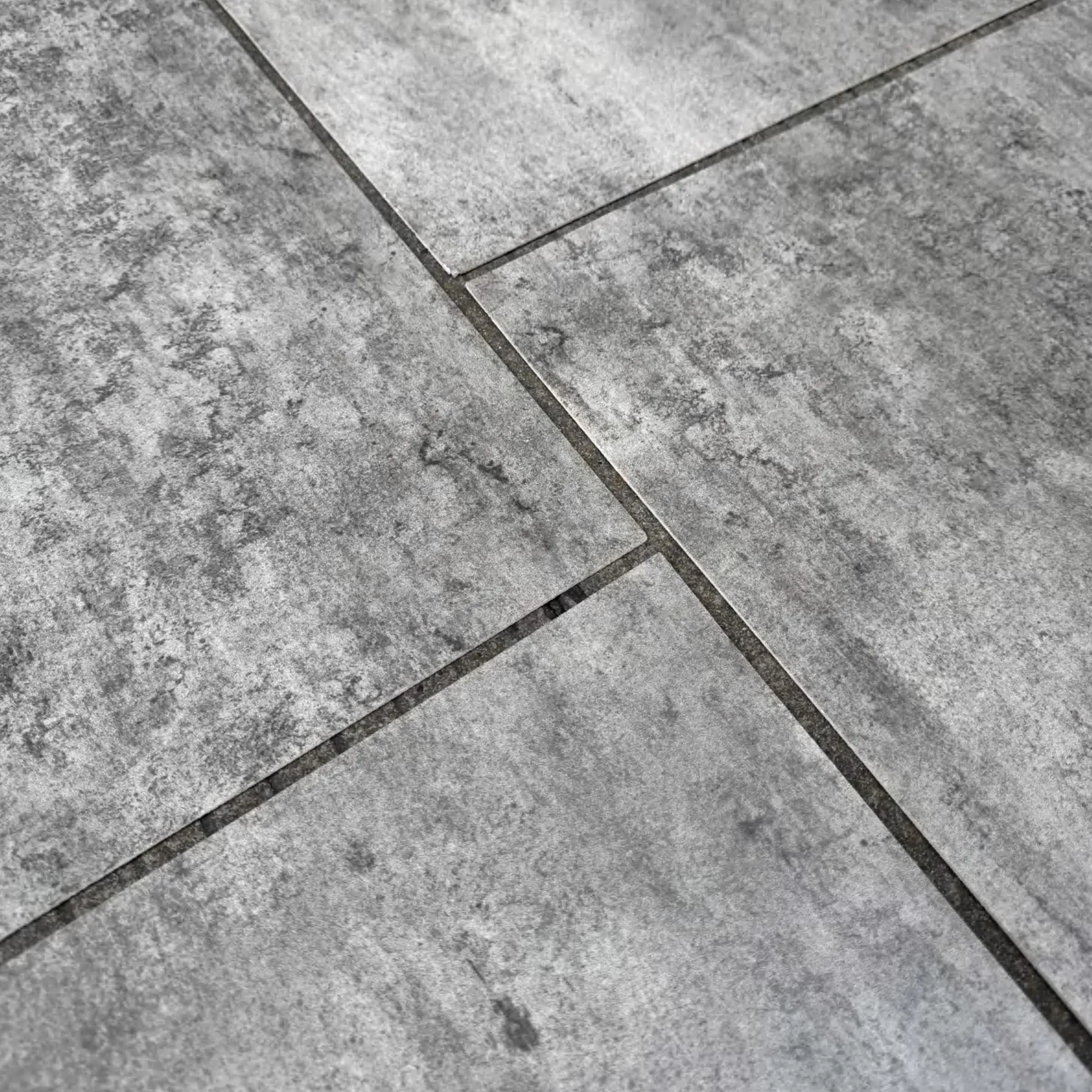
To truly appreciate the acoustic benefits of MCM flexible stone and polish concrete, let's compare them to other common materials. Below is a breakdown of how they perform against fair-faced concrete (a traditional, uncoated concrete) and wood grain board (a popular warm, natural option):
| Material | Sound Absorption Coefficient (NRC)* | Key Acoustic Features | Best For |
|---|---|---|---|
| MCM Flexible Stone | 0.6–0.8 | Micro-porous texture traps sound; flexible for curved surfaces; customizable finishes. | Walls, ceilings, accent panels in cafes, offices, home theaters. |
| Polish Concrete (Treated) | 0.3–0.5 | Dense core blocks noise; textured/honed finishes reduce echo; durable for high-traffic areas. | Floors, countertops, industrial-chic spaces like lofts, galleries. |
| Fair-Faced Concrete | 0.1–0.2 | Hard, smooth surface reflects sound; minimal absorption; good for structural noise blocking. | Structural walls, exteriors, spaces where echo is intentional (e.g., concert halls). |
| Wood Grain Board | 0.4–0.6 | Natural porosity absorbs mid-range frequencies; warm aesthetic; prone to wear in high-moisture areas. | Accent walls, ceilings in homes, boutique offices, restaurants. |
*Sound Absorption Coefficient (NRC: Noise Reduction Coefficient) ranges from 0 (no absorption) to 1 (total absorption). Higher values mean better sound absorption.
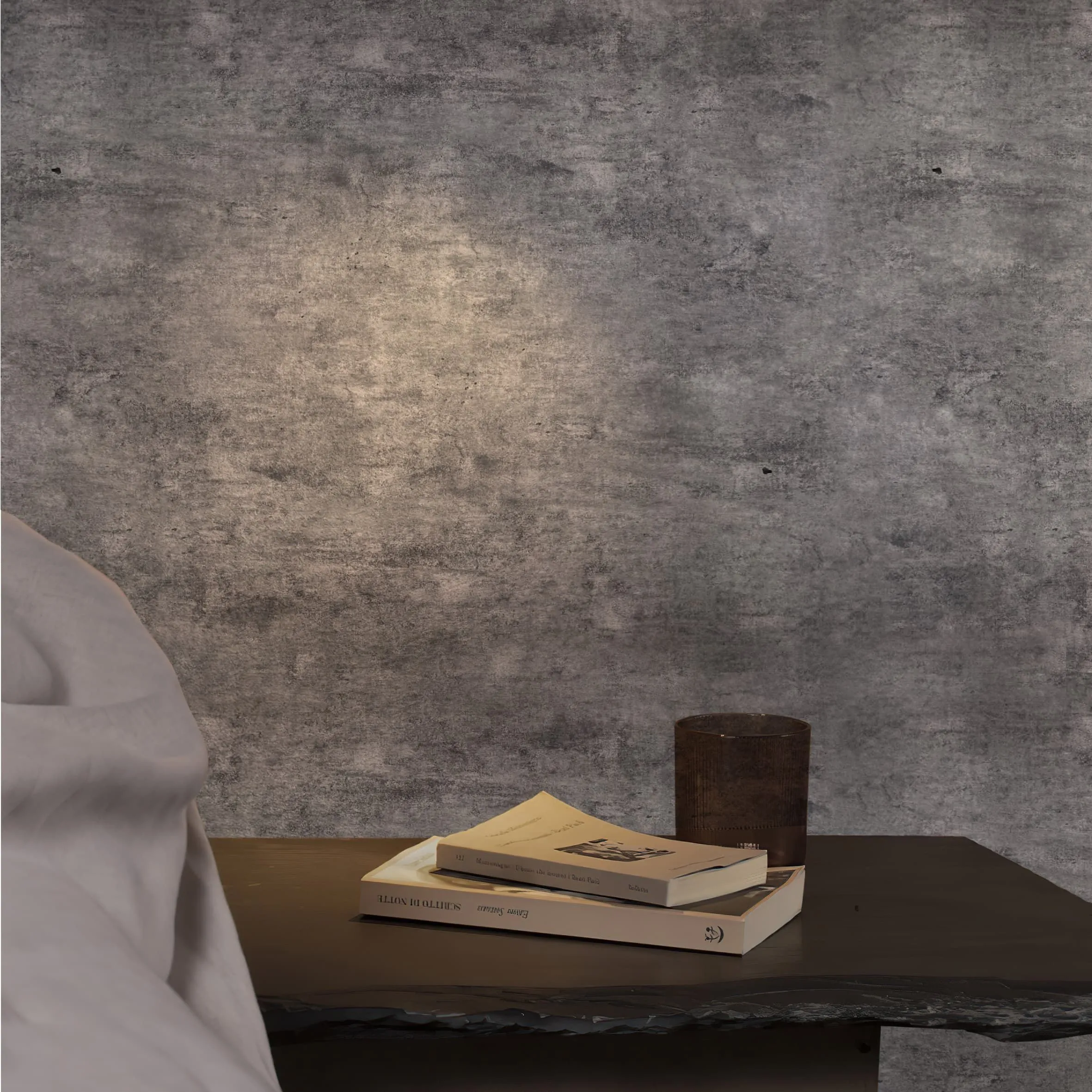
The beauty of MCM flexible stone and polish concrete is their versatility. They work in almost any space, from residential to commercial, and can be tailored to match any design aesthetic. Here are a few applications where they shine:
Imagine a home where your home office doesn't echo during Zoom calls, your kitchen doesn't amplify the sound of dishes, and your bedroom feels like a sanctuary of silence. MCM flexible stone walls in "lunar peak silvery" (a soft, metallic finish) can line your home theater, turning movie nights into immersive experiences without disturbing the rest of the house. Polish concrete floors in "fair-faced concrete" (raw and industrial) pair beautifully with area rugs for a balanced, low-maintenance living room that's both stylish and quiet.
Offices, restaurants, and retail stores thrive when customers and employees feel comfortable. MCM flexible stone in "wood grain board" finish adds warmth to a co-working space, while polish concrete countertops in "polish concrete" keep the look modern and clean—all while reducing noise from clattering keyboards and chatter. In a restaurant, "travertine (vintage gold)" MCM panels on the ceiling can turn a bustling dining room into a space where guests linger, savoring their meals and conversations.
Libraries, museums, and community centers need to balance openness with calm. MCM flexible stone in "slate veil white" (a soft, textured finish) can line library walls, absorbing sound so visitors can read in peace. Polish concrete floors in "boulder slab (vintage black)" add durability for high foot traffic, while their acoustic properties keep the space from feeling hollow or echoey.
At the end of the day, building materials are about more than bricks and mortar—they're about building lives. A quiet home isn't just a luxury; it's a foundation for mental health. An office with good acoustics isn't just a productivity booster; it's a sign that employees' well-being matters. And a café where you can hear your friend laugh across the table? That's where memories are made.
MCM flexible stone and polish concrete represent a shift in how we think about design: putting people first. They prove that we don't have to choose between style and function, between durability and comfort. We can have spaces that are beautiful and quiet, modern and nurturing.
So the next time you walk into a space—whether it's your dream home, your office, or your favorite café—take a moment to listen. What do you hear? And more importantly, what do you feel ? With materials like MCM flexible stone and polish concrete, the answer can be simple: peace.
Recommend Products












