
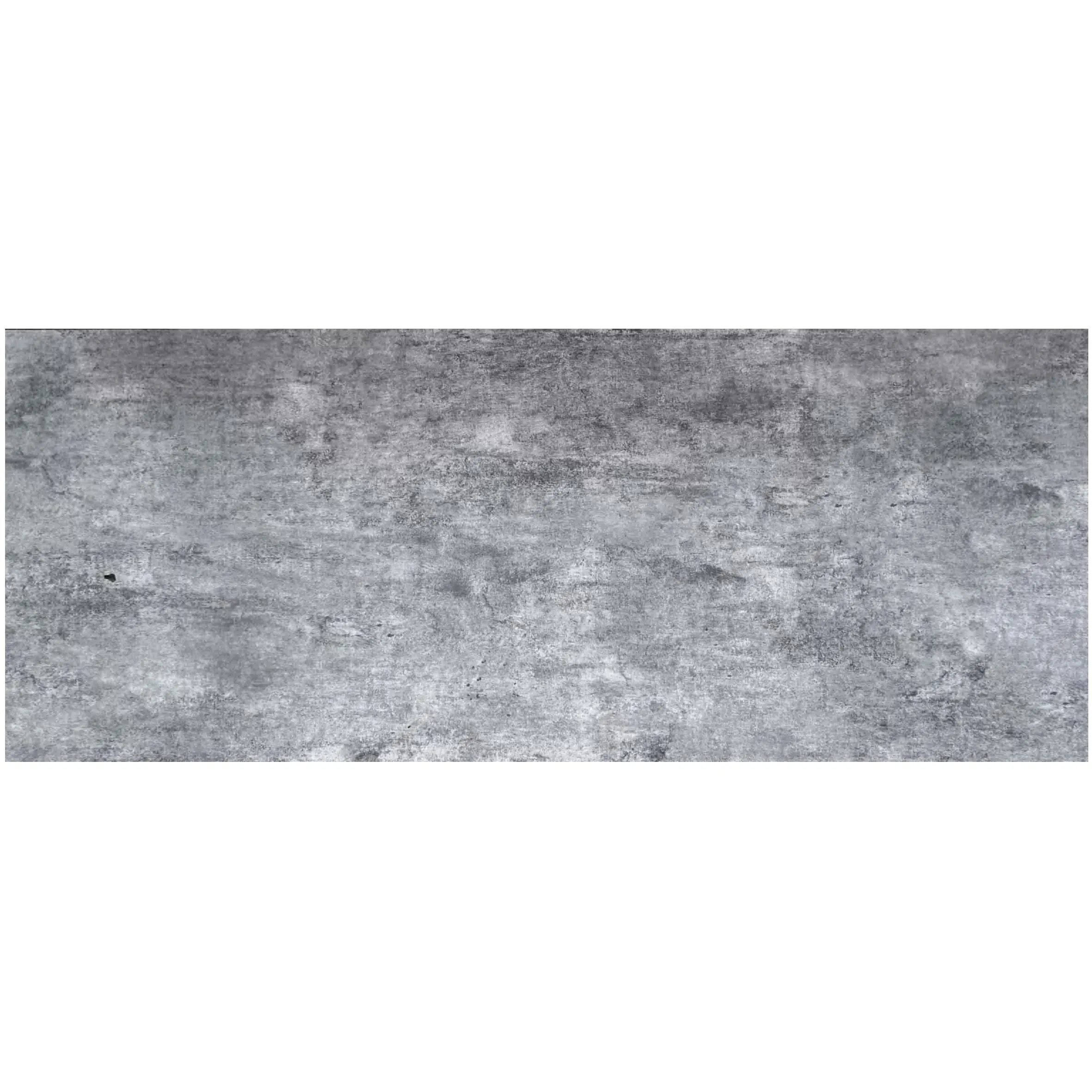
Polished concrete has long been the darling of modern design—sleek, industrial, and effortlessly chic. Walk into any contemporary home, boutique café, or corporate lobby, and you're likely to find its smooth, reflective surface gracing floors, countertops, even accent walls. There's something about its understated elegance that pairs perfectly with minimalist furniture, warm wood tones, or bold metal accents. But for all its beauty, there's a silent enemy lurking: stains. A spilled glass of red wine at a dinner party, a dropped jar of tomato sauce in the kitchen, or even the slow creep of motor oil from a garage project can leave permanent marks, turning that once-pristine surface into a patchwork of blemishes. Homeowners and designers alike have wrestled with this dilemma, asking: Is there a way to keep polished concrete's aesthetic appeal without sacrificing its practicality? Enter COLORIA MCM's Protective Modified Coating—a game-changer that's redefining what polished concrete (and a host of other building materials) can endure.
To understand the stakes, let's first unpack why polished concrete has become such a staple. For starters, it's versatile. Unlike marble or hardwood, it adapts to almost any space—residential, commercial, indoor, outdoor. It's also cost-effective, especially compared to high-end materials like natural stone. And let's not forget sustainability: polished concrete often uses existing concrete slabs, reducing the need for new materials and cutting down on waste. Architects love it for its clean lines; homeowners appreciate its low-maintenance reputation (or so they thought). But here's the catch: concrete, by nature, is porous. Those tiny, invisible pores act like a sponge, absorbing liquids and pigments before you even have time to grab a paper towel. Traditional sealers help, of course, but they're often temporary band-aids—needing reapplication every 2-3 years, and even then, they can yellow over time or wear thin in high-traffic areas. It's a frustrating cycle: invest in a beautiful surface, watch it degrade, and shell out again to fix it.
Take Sarah, a homeowner in Austin who renovated her kitchen with polished concrete countertops five years ago. "I was obsessed with the industrial vibe," she says. "But within months, I noticed coffee rings that wouldn't come off. Then my son spilled grape juice, and suddenly I had a purple splotch right in the center. I tried every cleaner—baking soda, vinegar, even professional-grade solvents—and nothing worked. Eventually, I had to have the countertops resurfaced, and it cost almost as much as the initial installation. I loved the look, but I swore I'd never do polished concrete again." Sarah's story isn't unique. It's a common refrain among design enthusiasts: polished concrete is stunning, but it's not built for real life.
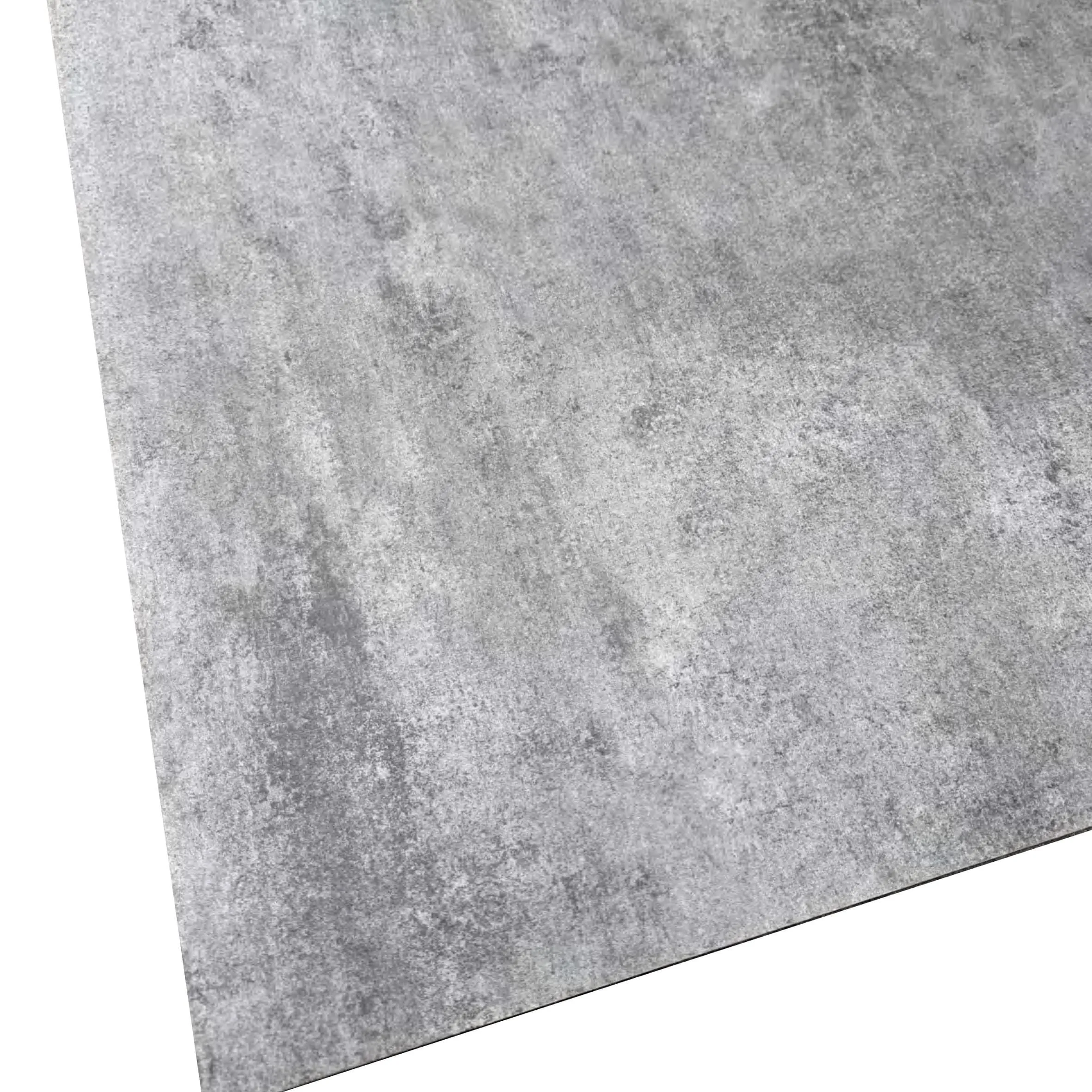
To truly grasp the challenge, let's dive into what makes stains so stubborn on polished concrete. When a liquid hits the surface, it seeps into those microscopic pores. If the liquid is colored (like wine, juice, or oil), the pigments bond with the concrete's minerals, creating a discoloration that's nearly impossible to reverse. Traditional sealers work by creating a barrier on top of the concrete, but they're not foolproof. UV rays from sunlight can break down the sealer over time, leaving the surface vulnerable. High foot traffic wears it thin, and harsh cleaners can strip it away. Even "penetrating" sealers, which claim to soak into the concrete, often only reach the top layer of pores, leaving deeper ones exposed. The result? Stains that appear out of nowhere, even on surfaces that were "sealed."
This isn't just a problem for homeowners. Commercial spaces like restaurants and retail stores face even greater challenges. A busy café might see hundreds of spills daily—ketchup, soda, coffee—and replacing stained floors every few years isn't just costly; it's disruptive. "We had a client with a trendy brunch spot in downtown Denver," recalls Mark, a commercial designer. "They went with polished concrete floors for that 'cool, urban' look, but within six months, the floors were covered in stains from spilled syrup and avocado toast. We had to close the restaurant for a week to grind and reseal them, and the client lost thousands in revenue. That's when I started asking: there has to be a better way."
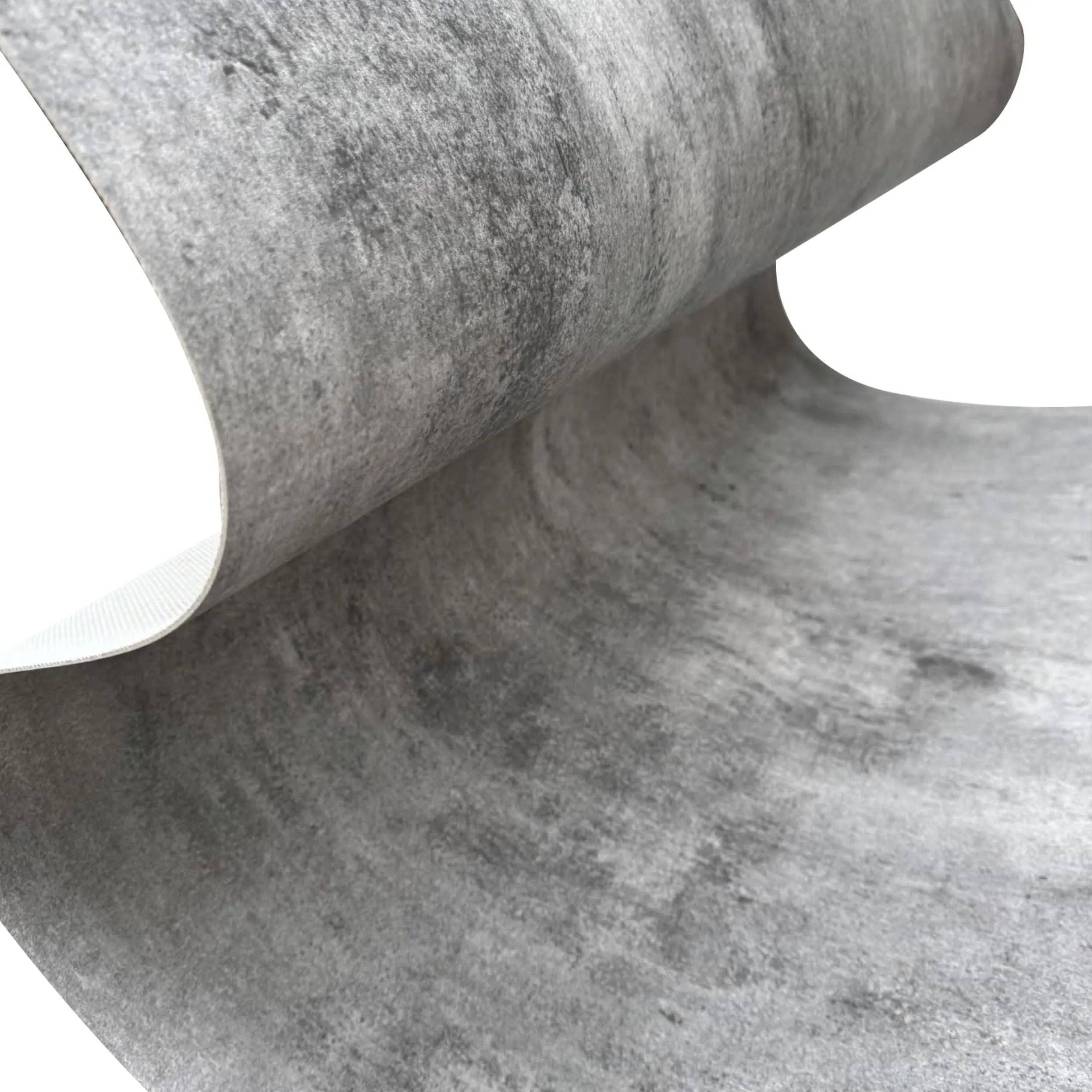
Enter COLORIA MCM, a brand known for pushing the boundaries of building materials. Their lineup already includes standouts like mcm flexible stone —a lightweight, durable alternative to natural stone that bends without breaking—and lunar peak silvery , a shimmering, moon-like surface that's become a favorite for accent walls. But their latest innovation, the Protective Modified Coating, might be their most impactful yet. Designed to address the porosity problem at its source, this coating isn't just a sealer—it's a complete transformation of the material's surface.
"We started by asking: what if we could make polished concrete (and other materials) not just resistant to stains, but impervious to them?" says Dr. Elena Torres, lead materials scientist at COLORIA MCM's research lab. "Traditional sealers are like raincoats—they keep the surface dry, but if they get a hole, you're soaked. Our coating is more like a second skin. It penetrates the material, fills in the pores, and creates a hydrophobic barrier that repels liquids on contact."
The science behind it is fascinating. The coating uses a blend of nano-engineered polymers and modified silicates that bond with the concrete's calcium compounds at a molecular level. When applied, it seeps 2-3mm into the surface (far deeper than traditional sealers), filling every pore and creating a network of tiny, water-repellent structures. The result? Liquids bead up and roll off, rather than soaking in. Even oils and acidic substances—like citrus juice or vinegar—can't penetrate. And because the coating is integrated into the concrete's microstructure, it doesn't wear off easily. In lab tests, coated surfaces withstood 5,000+ cycles of abrasion (the equivalent of 20+ years of heavy foot traffic) without losing their protective properties.
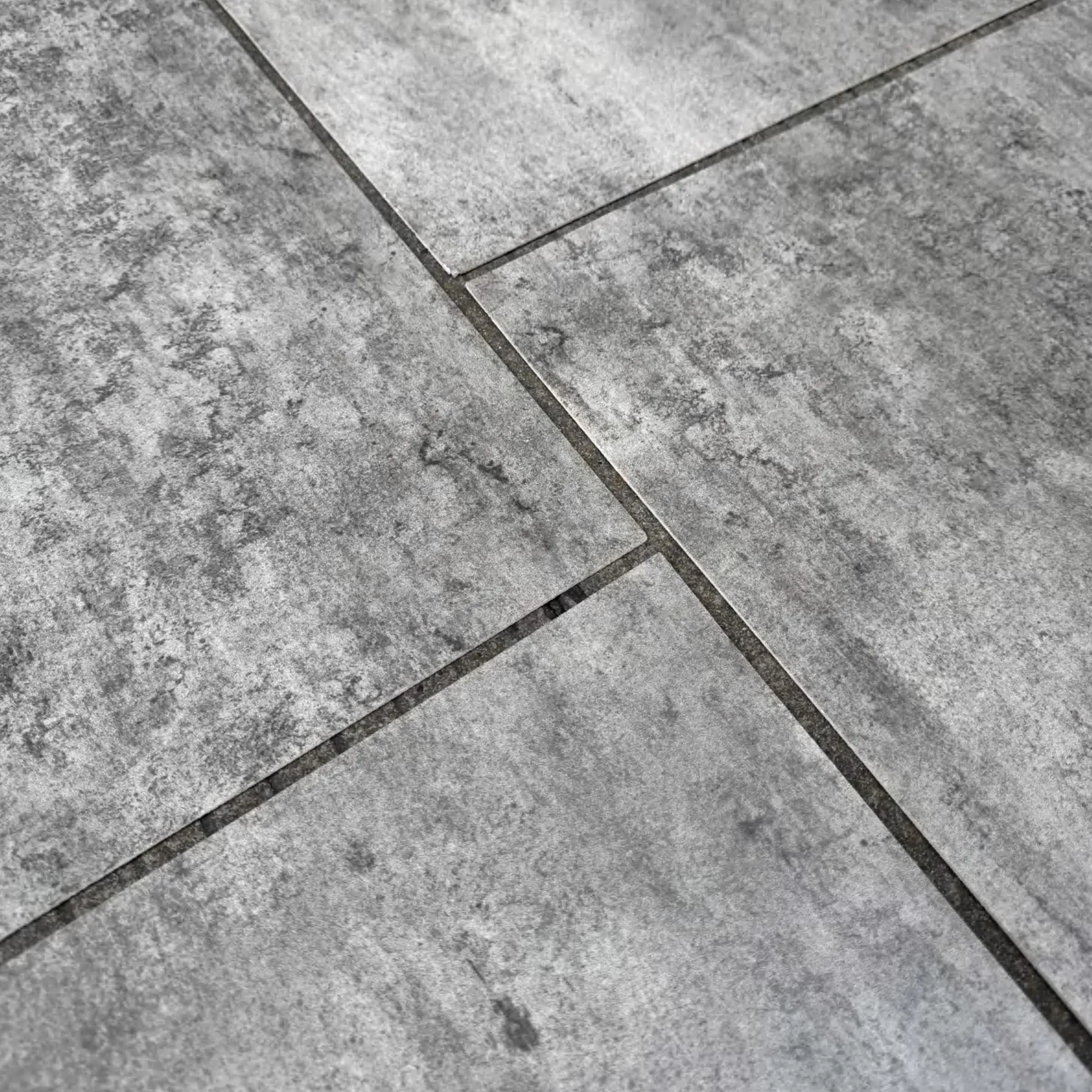
Stain resistance is the headline feature, but COLORIA MCM's coating offers a host of other perks that make it a standout choice for both residential and commercial projects. Let's break them down:
One of the biggest concerns with any protective coating is that it might alter the material's appearance. Not here. The coating is ultra-thin (just 0.02mm thick) and completely transparent, so it doesn't dull the concrete's sheen or change its color. "We tested it on everything from high-gloss polished concrete to matte fair-faced concrete ," Dr. Torres explains. "In every case, the original texture and finish remained intact. It's like adding armor without changing the outfit." This is a game-changer for materials like travertine (beige) , which relies on its subtle veining and porous texture for character. With the coating, travertine retains its natural beauty while gaining stain resistance—a win-win.
Traditional sealers need reapplication every 2-3 years. COLORIA MCM's coating? It's designed to last 15+ years with minimal maintenance. That's because it's not just a surface treatment—it's part of the material. UV rays, harsh weather, and chemical cleaners (like bleach or ammonia) don't break it down. "We installed the coating on a restaurant patio in Miami three years ago," says Mark, the commercial designer. "It's exposed to saltwater air, rain, and constant foot traffic, and it still looks brand new. No fading, no chipping, no stains from spilled drinks or food. The owner is thrilled—he hasn't had to spend a dime on maintenance since."
While polished concrete is the star here, the coating works wonders on a range of materials. "We've tested it on lunar peak silvery panels, travertine (beige) tiles, and even fair-faced concrete walls," Dr. Torres notes. "The results are consistent: enhanced stain resistance, durability, and longevity." For example, mcm flexible stone , which is often used for outdoor accent walls, becomes even more weather-resistant with the coating, repelling rain and preventing mold growth. It's a one-stop solution for designers looking to mix materials without compromising on performance.
In an era where sustainability matters, COLORIA MCM's coating delivers here, too. It's low in VOCs (volatile organic compounds), so it doesn't release harmful fumes during application. It also reduces the need for frequent resurfacing or replacement of materials, cutting down on waste. "Sustainability isn't just about the materials we use," says James Chen, COLORIA MCM's sustainability director. "It's about creating products that last, so we consume less over time. This coating does exactly that."
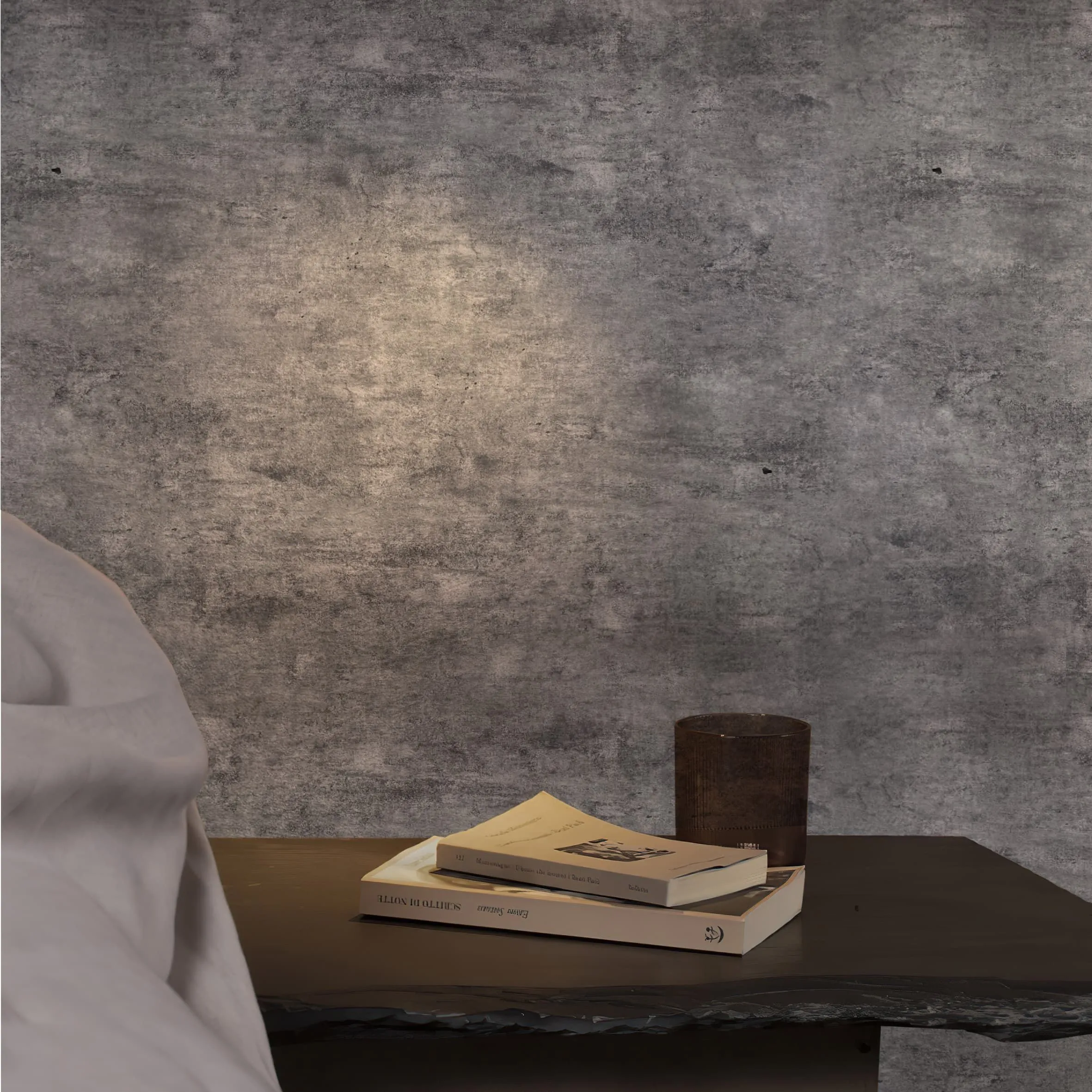
Numbers and lab tests are great, but real-world results tell the true story. Let's look at a few projects where COLORIA MCM's coating has made a tangible difference:
Michael, an architect, used polished concrete with COLORIA MCM's coating for his kitchen countertops and floors. "I have two kids and a golden retriever—so spills are a daily occurrence," he laughs. "Six months in, and we've had everything from spaghetti sauce to chocolate milk to motor oil (thanks to my weekend garage projects) spill on the surfaces. Every single time, I wipe it up with a paper towel, and there's zero trace. The countertops still look as good as the day they were installed. I used to worry about guests spilling wine; now I don't even think twice. It's been life-changing."
Luna Café, a busy spot in Chicago's Logan Square, opted for polished concrete floors with the coating. Owner Maria says the difference is night and day. "Before, we were resurfacing the floors every 18 months because of coffee stains, syrup spills, and scuff marks. Now, two years in, the floors still look brand new. We clean them with a simple pH-neutral cleaner once a day, and that's it. The cost savings alone have been worth it, but seeing customers comment on how 'fresh' the space looks? That's priceless."
A luxury home in Aspen used lunar peak silvery panels for an outdoor patio, treated with COLORIA MCM's coating. "We get heavy snow, rain, and UV exposure," says the homeowner, Lisa. "In the past, our outdoor surfaces would fade or stain within a year. The lunar peak panels still have that beautiful silvery shimmer, and there's no water damage or mold. Even after a summer of barbecues and pool parties, there are no grease stains. It's like the patio is invincible."
| Feature | Traditional Sealers | COLORIA MCM Protective Coating |
|---|---|---|
| Stain Resistance | Moderate; porous after wear | Excellent; repels liquids on contact |
| Durability | 2-3 years before reapplication | 15+ years with minimal maintenance |
| Aesthetic Impact | May yellow or dull over time | Transparent; preserves original finish |
| Material Compatibility | Limited to concrete; may alter other materials | Works on concrete, travertine, lunar peak, mcm flexible stone, and more |
| Sustainability | Frequent reapplication = higher waste | Low VOCs; long lifespan reduces waste |
COLORIA MCM's Protective Modified Coating isn't just a product—it's a glimpse into the future of building materials. As designers and homeowners demand more from their spaces—beauty, durability, sustainability—innovations like this will become the norm, not the exception. "We're already working on expanding the coating to more materials, like travertine (starry green) and gobi panel ," Dr. Torres says. "The goal is to create a full ecosystem of materials that are both beautiful and bulletproof."
For homeowners, this means less stress and more enjoyment of their spaces. For designers, it means more creative freedom—mixing materials without worrying about practical limitations. For the planet, it means less waste and more sustainable building practices. It's a win across the board.
Polished concrete has always been a symbol of modern design—bold, unapologetic, and full of character. But for too long, its beauty has come with a caveat: the risk of stains. COLORIA MCM's Protective Modified Coating erases that caveat, turning polished concrete (and materials like mcm flexible stone , lunar peak silvery , and travertine (beige) ) into surfaces that can handle the chaos of real life without losing their shine. It's not just a coating; it's a promise—that your space can be both stunning and practical, that beauty and durability don't have to be mutually exclusive.
So the next time you're planning a renovation or building project, ask yourself: why settle for surfaces that fade when you can have ones that endure? With COLORIA MCM, the future of design is here—and it's stain-resistant.
Recommend Products












