
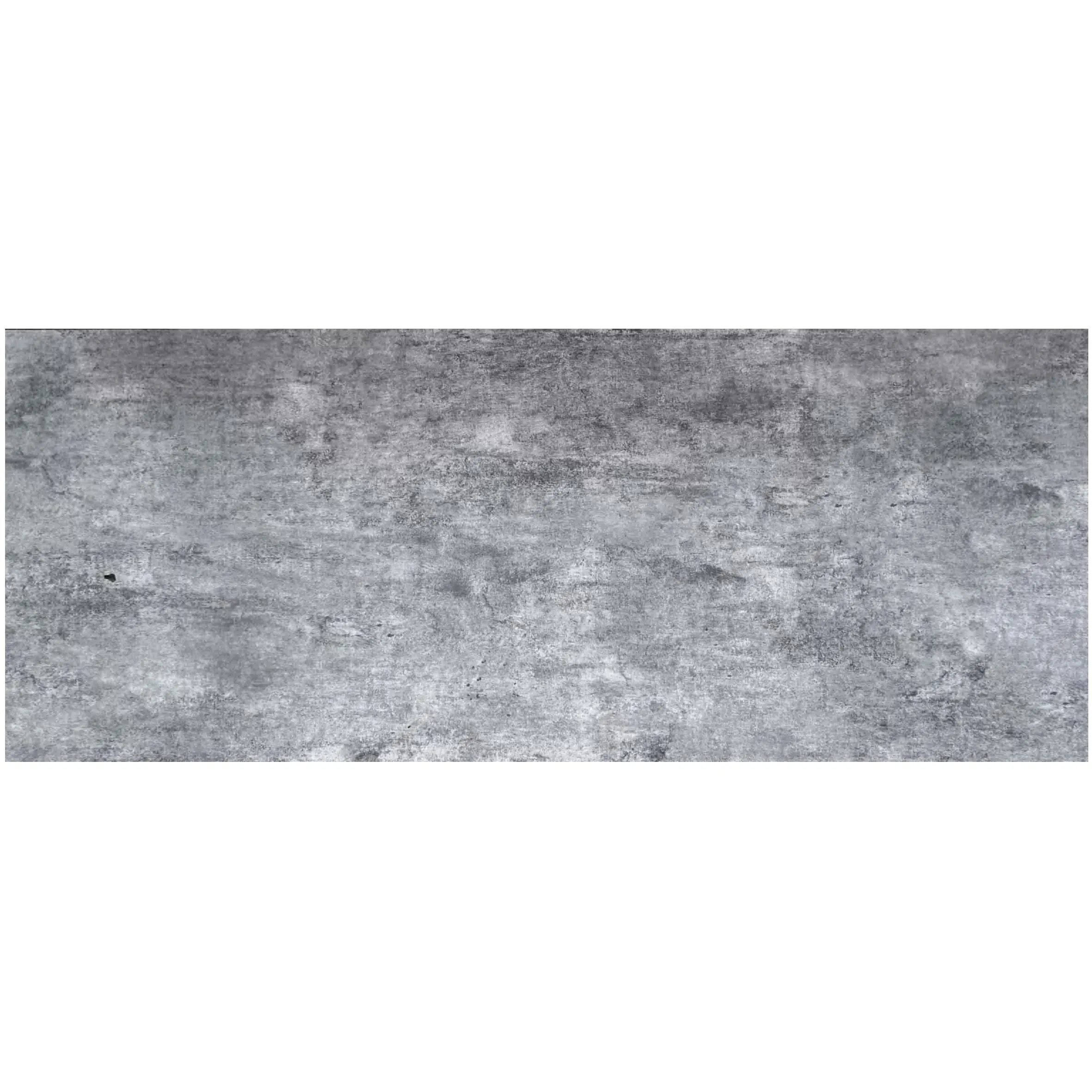
Every homeowner, designer, or architect knows the feeling: standing in a showroom, staring at samples of polished concrete slabs and ceramic tiles, trying to imagine how they'll look in a living room, kitchen, or commercial space. The choice feels monumental—not just because of aesthetics, but because of the silent promise each material makes: "I'll look good, but how much work will I be?" In a world where time is our most precious commodity, the battle between beauty and maintenance has never been more fierce. Polished concrete and ceramic tiles have long been front-runners in this race, each with their own loyal fans. But what if there was a third option—one that combines the best of both worlds, minus the headaches? Enter COLORIA MCM, a brand redefining what it means to have surfaces that are as easy to love as they are to live with. Today, we're diving deep into the polished concrete vs. ceramic tiles debate, and exploring how COLORIA MCM's innovative product lines—from mcm flexible stone to fair-faced concrete —are changing the game with lower maintenance at their core.
Let's start with polished concrete. It's hard to deny its allure. Walk into a modern café or a minimalist home, and there's something undeniably cool about those sleek, glossy floors that seem to stretch on forever. Polished concrete feels raw, authentic, like a nod to industrial roots with a contemporary twist. Designers love it for its seamless look—no grout lines, no breaks, just a continuous expanse that makes spaces feel larger and more cohesive. It's also marketed as "low maintenance," which sounds like music to the ears of busy families or business owners. But here's the thing: "low maintenance" doesn't always mean "no maintenance."
The reality of polished concrete hits when life happens. Imagine hosting a dinner party, and a guest accidentally knocks over a glass of red wine. With polished concrete, that spill isn't just a stain—it's a race against time. Even sealed concrete can absorb liquids if not wiped immediately, leaving permanent discoloration. Then there's the sealing itself. Most polished concrete floors need to be resealed every 2–3 years, a process that involves stripping the old sealant, deep cleaning, and reapplying a new coat. Skip this step, and you're looking at scratches from furniture legs, cracks from temperature changes, and a dulling of that once-shiny finish. For homeowners with kids, pets, or high foot traffic, this upkeep can feel like a never-ending chore. What started as a "set it and forget it" choice quickly becomes a monthly to-do list item.
And let's talk about cracks. Concrete is strong, but it's not flexible. A small shift in your home's foundation, a heavy piece of furniture dropped too hard, or even extreme weather fluctuations can lead to hairline cracks that mar the surface. Repairing these cracks isn't just costly—it's also tricky to match the color and finish, leaving behind obvious patches that break the seamless illusion. For all its modern charm, polished concrete often demands more attention than it lets on.
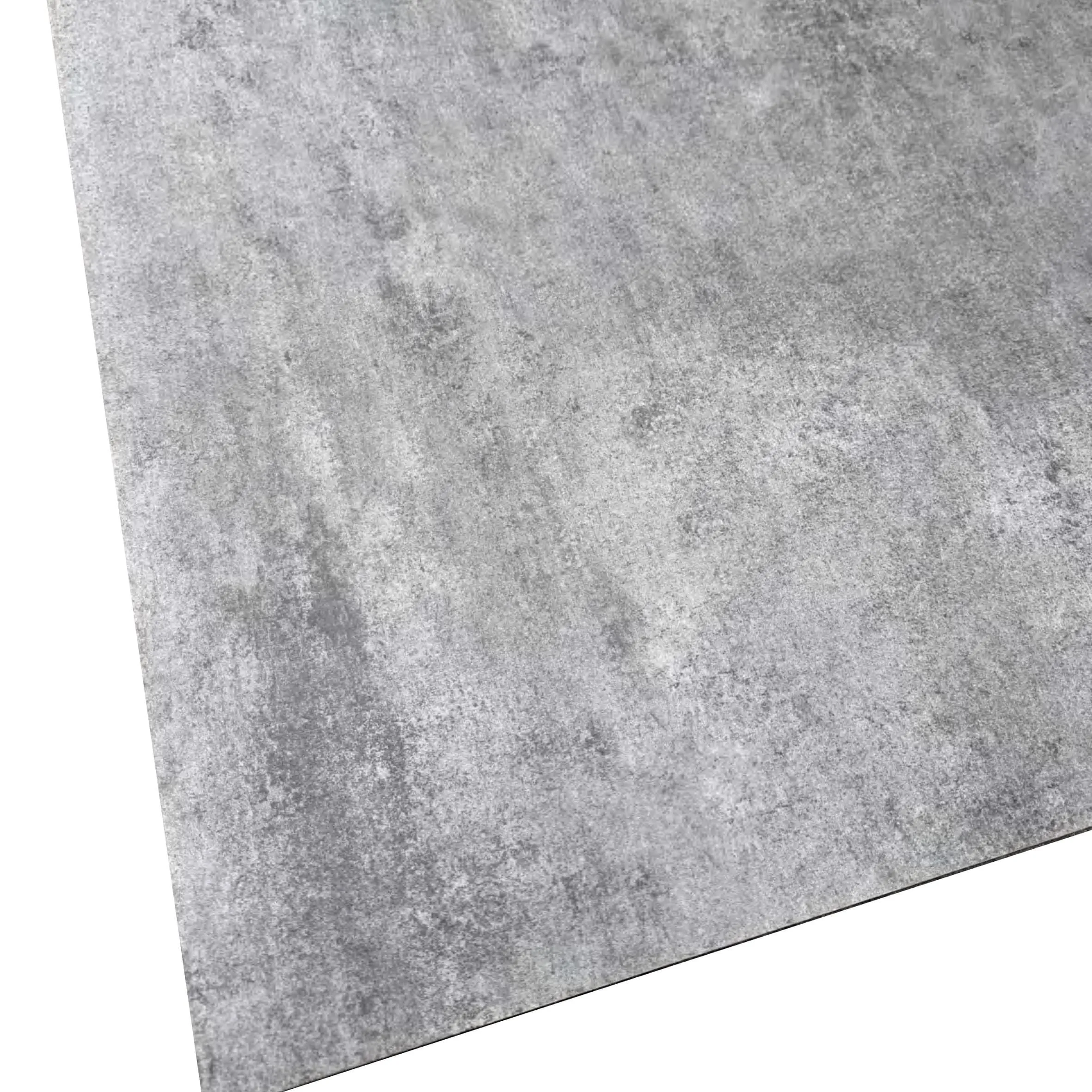
If polished concrete is the edgy newcomer, ceramic tiles are the reliable old friend. They've been around for centuries, and for good reason. Walk into any home improvement store, and you'll be overwhelmed by the variety: subway tiles in crisp white, mosaic patterns in vibrant hues, travertine (beige) tiles that mimic the warmth of natural stone, and even wood-look ceramics that add rustic charm. Ceramic tiles are loved for their versatility—they work in bathrooms, kitchens, entryways, and even outdoor patios. They're water-resistant, which makes them a staple in wet areas, and their durability is often touted as a major selling point. But again, the devil is in the details.
Let's talk about grout. Those tiny lines between tiles might seem insignificant, but they're a maintenance nightmare in disguise. Grout is porous, which means it soaks up dirt, mold, and mildew like a sponge—especially in humid spaces like bathrooms or kitchens. Even with regular scrubbing, grout lines fade, discolor, and become breeding grounds for bacteria. Deep cleaning grout often requires harsh chemicals or professional services, adding unexpected costs to your budget. And if a single tile chips or cracks (a common issue with heavy impacts or dropped objects), replacing it can be a hassle. Finding an exact match for older tiles is nearly impossible, leaving you with a patchwork floor that looks mismatched and unprofessional.
Then there's the installation. Ceramic tiles require precise measurements, perfectly level subfloors, and skilled labor to lay them evenly. Any imperfection in the subfloor can lead to tiles lifting or cracking over time. And while ceramic tiles are water-resistant, they're not entirely waterproof—moisture can seep through grout lines, leading to mold growth under the tiles if not properly sealed. For busy households or commercial spaces, the constant battle with grout, chips, and moisture damage can turn a "timeless" choice into a tedious one.
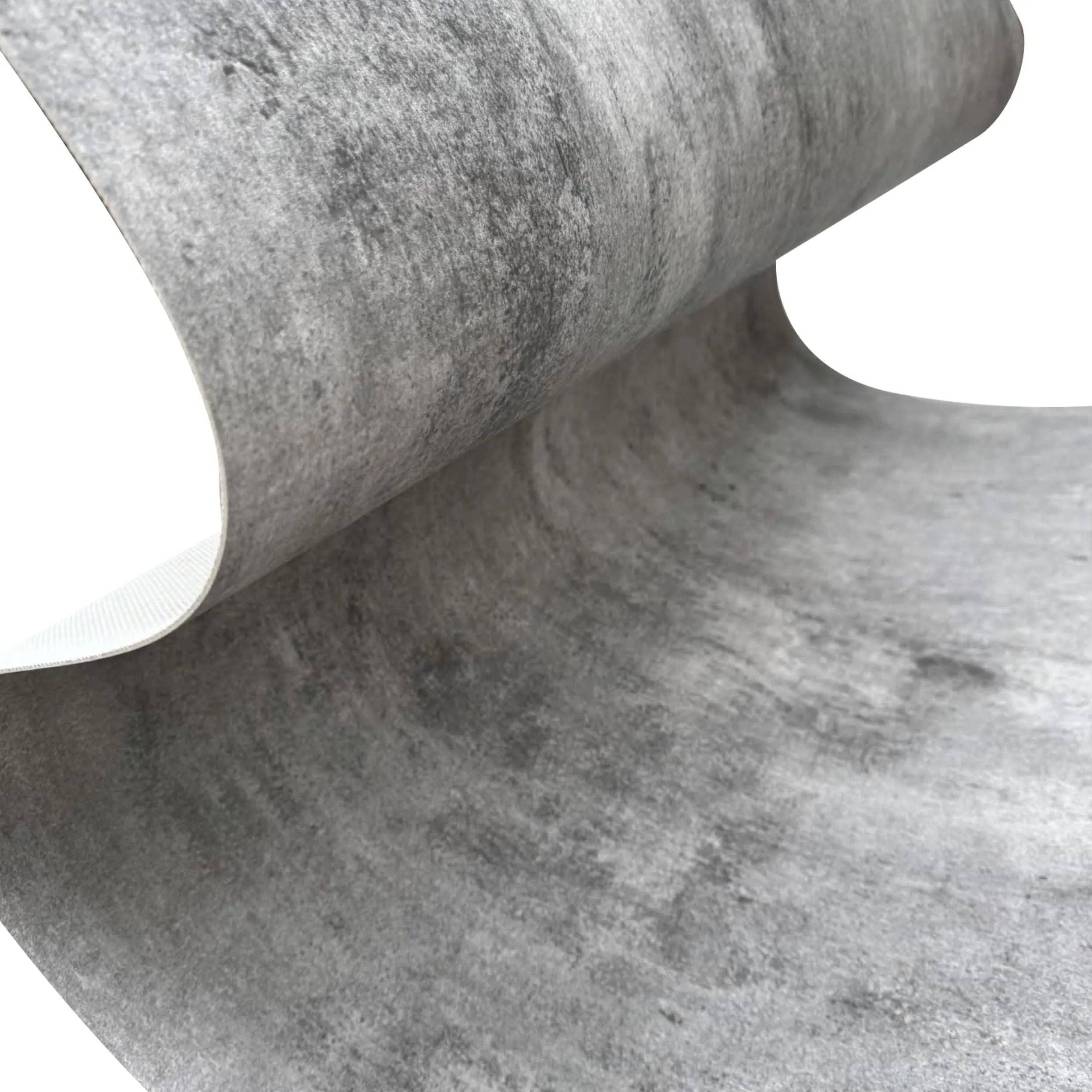
So, what if you could have the industrial chic of polished concrete, the classic elegance of ceramic tiles, and the warmth of natural materials—without the sealing, grout scrubbing, or constant repairs? That's the promise of COLORIA MCM. More than just a brand, COLORIA MCM is a solution for anyone who's ever thought, "I want my space to look amazing, but I don't want to spend weekends maintaining it." Their product lines are engineered with one goal in mind: to mimic the beauty of natural materials while eliminating their biggest flaws. Let's take a closer look at some of their standout offerings and how they stack up against polished concrete and ceramic tiles.
At the heart of COLORIA MCM's innovation is mcm flexible stone —a revolutionary material that looks and feels like natural stone but behaves like a dream. Unlike polished concrete, which is rigid and prone to cracking, mcm flexible stone is, as the name suggests, flexible. It can bend slightly to accommodate minor shifts in subfloors, making it resistant to cracks and chips. And unlike ceramic tiles, it comes in large, seamless panels, eliminating the need for grout lines. Imagine a bathroom floor that looks like travertine (beige) —warm, earthy, and timeless—but with no grout to scrub. Spills? Wipe them up with a damp cloth—no staining, no sealant required. MCM flexible stone is non-porous, so liquids bead up instead of seeping in. It's also scratch-resistant, making it perfect for homes with kids, pets, or high foot traffic.
What truly sets mcm flexible stone apart is its versatility. It can be installed on walls, ceilings, and floors, both indoors and outdoors. Whether you're going for a rustic look in a cabin or a modern vibe in a city apartment, mcm flexible stone adapts—all without the maintenance headaches of real stone.
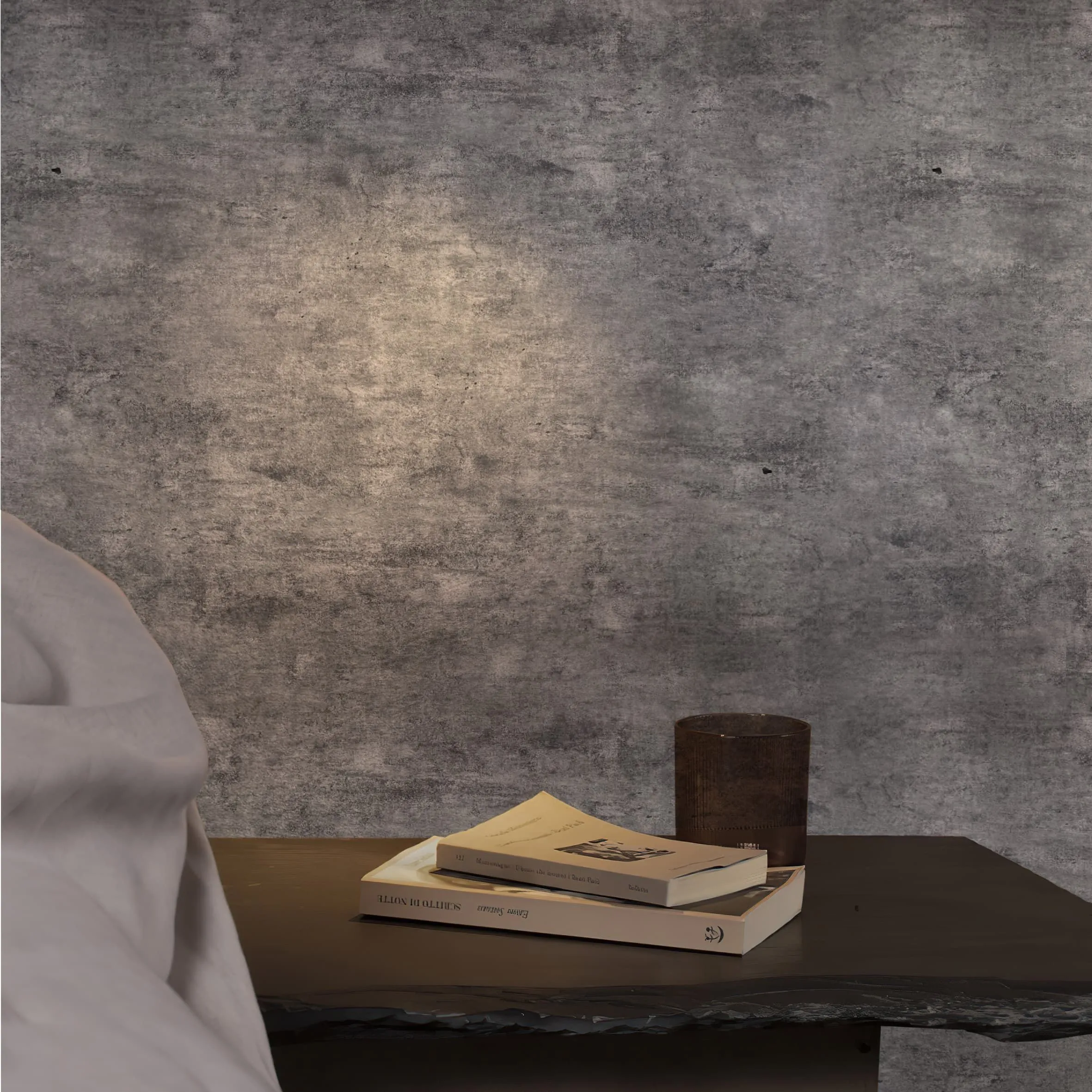
For those who love the industrial look of polished concrete but hate the upkeep, COLORIA MCM's fair-faced concrete is a game-changer. Fair-faced concrete mimics the raw, unpolished texture of traditional concrete, with all its rugged charm, but it's engineered to be far more durable. Unlike polished concrete, which requires regular sealing to prevent staining, fair-faced concrete is treated with a special protective layer during manufacturing, making it stain-resistant and easy to clean. Spill coffee, wine, or juice—just wipe it away with a mild detergent and water. No harsh chemicals, no scrubbing, no stress.
Fair-faced concrete also avoids the cracking issues of traditional concrete. Its composition includes reinforcing fibers that add flexibility, reducing the risk of cracks from temperature changes or impacts. And because it's precast in controlled environments, it has a consistent finish that's hard to achieve with on-site poured concrete. For commercial spaces like restaurants or offices, where durability and low maintenance are non-negotiable, fair-faced concrete is a no-brainer.
If you're drawn to the warmth of wood but worried about scratches, water damage, or termites, COLORIA MCM's wood grain board is the answer. Wood grain board replicates the look of natural wood—from oak and maple to teak and walnut—with stunning realism. The texture, the grain patterns, even the subtle knots—you'd swear it's real wood. But unlike hardwood floors, which require refinishing every few years and are vulnerable to water damage, wood grain board is made from high-density fiberboard (HDF) with a protective PVC or melamine layer. It's water-resistant, scratch-resistant, and termite-proof.
Imagine a kitchen with wood grain board flooring that can handle spills from the sink, scratches from pet claws, and the constant foot traffic of a busy family—all without fading or warping. Cleaning is a breeze: a quick sweep or mop with a damp cloth is all it takes. No sanding, no staining, no refinishing. Wood grain board brings the coziness of wood into your home without the high maintenance, making it ideal for living rooms, bedrooms, and even kitchens.
For a touch of modern luxury, look no further than COLORIA MCM's foamed aluminium alloy board (vintage silver) . This material combines the sleek, metallic finish of aluminum with the lightweight durability of foam core, creating panels that are both stunning and practical. Unlike traditional metal surfaces, which can dent, scratch, or corrode, foamed aluminium alloy board is resistant to impacts, rust, and fading. It's perfect for accent walls, backsplashes, or even furniture surfaces, adding a contemporary edge to any space.
Cleaning is effortless—just wipe with a soft cloth and mild soap. And because it's lightweight, installation is quick and easy, reducing labor costs. Whether you're designing a high-end retail store or a modern home office, foamed aluminium alloy board (vintage silver) adds sophistication without the worry of maintenance.
Travertine (beige) has long been a favorite for its warm, earthy tones and unique veining, but natural travertine is porous and requires constant sealing to prevent stains. COLORIA MCM's travertine (beige) panels solve this problem by replicating the look of natural travertine in a high-performance composite material. These panels are non-porous, so they resist stains, moisture, and mold. They're also more durable than natural travertine, which is prone to chipping and etching from acidic substances like lemon juice or vinegar.
Install travertine (beige) panels in a bathroom, kitchen, or outdoor patio, and enjoy the classic beauty of travertine without the hassle of sealing or special cleaning products. A simple wipe-down is all it takes to keep them looking fresh and new for years.
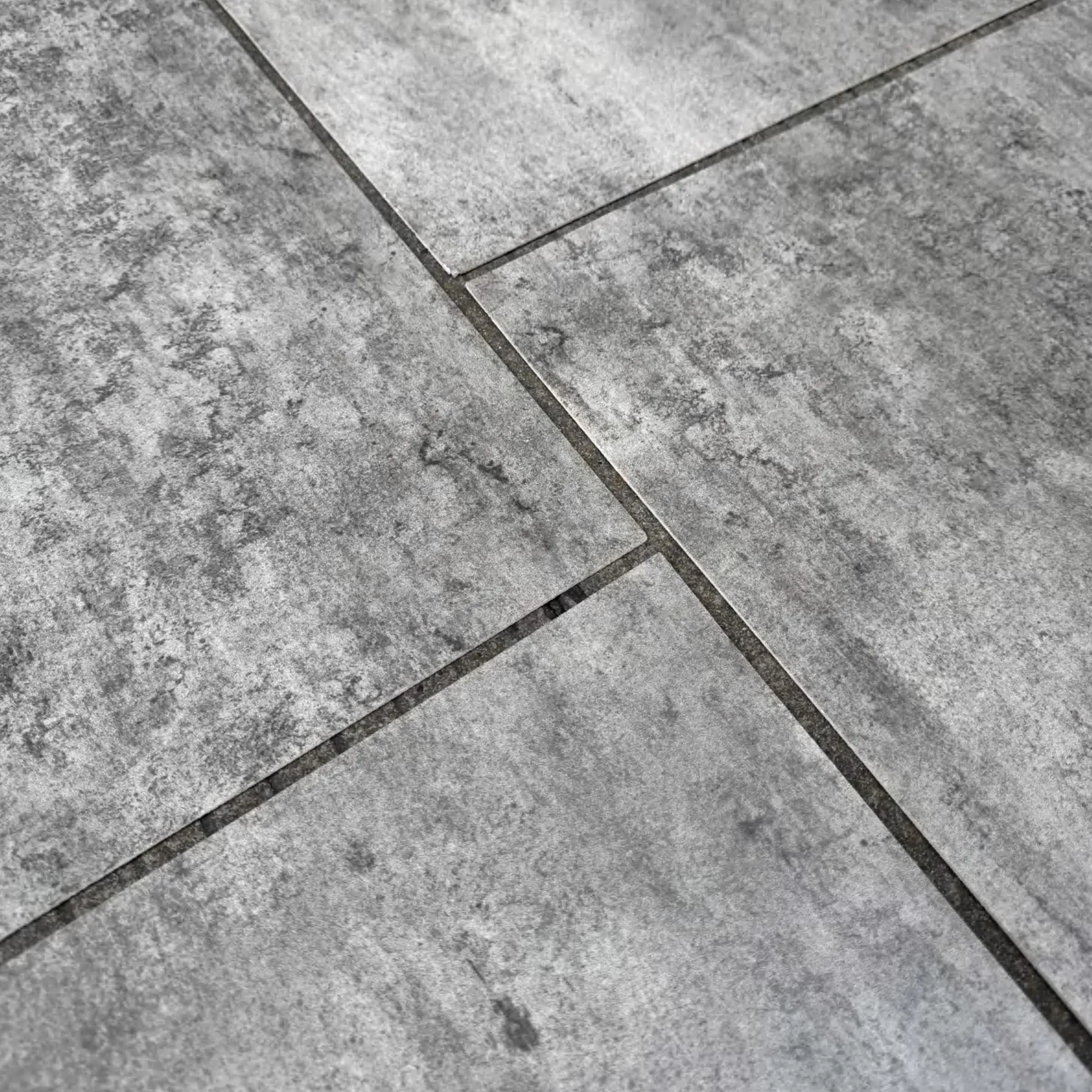
To truly understand the lower maintenance advantage of COLORIA MCM, let's compare polished concrete, ceramic tiles, and COLORIA MCM's key products across five critical categories: staining resistance, cleaning effort, durability, installation ease, and long-term cost.
| Material | Staining Resistance | Cleaning Effort | Durability (Scratches/Cracks) | Installation Complexity | Long-Term Cost (10 Years) |
|---|---|---|---|---|---|
| Polished Concrete | Low (Requires sealing every 2–3 years; stains easily if unsealed) | High (Needs special cleaners; tough stains may require professional help) | Medium (Prone to cracks from impacts or shifts; scratches visible) | High (On-site pouring, grinding, sealing; requires skilled labor) | High (Initial cost + sealing, repairs, and potential resurfacing) |
| Ceramic Tiles | Medium (Tiles resist stains, but grout lines absorb dirt/moisture) | High (Grout requires regular scrubbing; deep cleaning needed quarterly) | Medium (Tiles chip easily; grout cracks or discolors over time) | High (Precise leveling, grouting, and sealing; matching replacement tiles hard) | Medium-High (Initial cost + grout cleaning, tile replacement, and sealing) |
| COLORIA MCM Flexible Stone | High (Non-porous; spills wipe away easily; no sealing needed) | Low (Mild soap and water; no special cleaners required) | High (Flexible; resistant to cracks and scratches; impact-resistant) | Low (Large panels; no grout; adhesive installation; DIY-friendly) | Low (Initial cost + minimal cleaning; no repairs or replacements needed) |
| COLORIA MCM Fair-Faced Concrete | High (Pre-sealed during manufacturing; stain-resistant) | Low (Damp cloth and mild detergent; no harsh chemicals) | High (Reinforced fibers prevent cracking; scratch-resistant) | Low (Precast panels; lightweight; quick installation) | Low (Initial cost + no sealing or repairs; long lifespan) |
| COLORIA MCM Wood Grain Board | High (Water-resistant; no staining from spills) | Low (Sweep or mop with water; no refinishing) | High (Scratch and impact-resistant; termite-proof) | Low (Floating floor system; easy to install over existing floors) | Low (Initial cost + no refinishing or replacement; durable for decades) |
Numbers and comparisons tell part of the story, but real-life experiences bring it to life. Take Sarah, a busy mom of two young kids and a golden retriever, who recently renovated her kitchen. "I wanted something that looked like natural stone but could handle spills, muddy paws, and the chaos of family life," she says. "I considered polished concrete, but the thought of sealing it every few years made me cringe. Ceramic tiles were pretty, but I knew grout lines would be a nightmare with kids. Then I discovered COLORIA MCM's mcm flexible stone in travertine (beige) . It looks exactly like the travertine I fell in love with, but I can wipe up juice spills in seconds, and the dog's nails don't scratch it. A year later, it still looks brand new. Best decision ever."
For Mike, a restaurant owner in downtown Chicago, durability and low maintenance were non-negotiable for his dining space. "We have hundreds of customers daily, and spills are inevitable—wine, oil, food. Polished concrete in our old location stained constantly, and we were resealing it every six months. Ceramic tiles looked great at first, but the grout turned black within a year, no matter how much we cleaned. We switched to COLORIA MCM's fair-faced concrete and foamed aluminium alloy board (vintage silver) for the bar front. Now, we wipe spills with a damp cloth, and the surfaces still look fresh. Our maintenance costs have dropped by 70%, and our customers comment on how clean and modern the space feels. It was a game-changer for our business."
The debate between polished concrete and ceramic tiles has raged for years, but the real winner is clear: COLORIA MCM. By blending cutting-edge engineering with an understanding of what homeowners and designers truly need—beauty without the burden of maintenance—COLORIA MCM has created a lineup of products that make the "polished concrete vs. ceramic tiles" choice obsolete. Whether you're drawn to the warmth of wood grain board , the industrial edge of fair-faced concrete , the elegance of travertine (beige) , or the modern sheen of foamed aluminium alloy board (vintage silver) , COLORIA MCM delivers surfaces that are as easy to care for as they are stunning to look at.
In the end, the best material isn't just the one that looks good—it's the one that lets you enjoy your space without worrying about it. With COLORIA MCM, you're not just choosing a surface; you're choosing peace of mind. You're choosing weekends spent with family instead of scrubbing grout. You're choosing confidence that your floors, walls, and surfaces will stand the test of time, looking as beautiful in 10 years as they did on day one. So why settle for beauty that demands your time when you can have beauty that gives it back? COLORIA MCM isn't just a product—it's a promise: surfaces that work for you, not against you.
Recommend Products












