
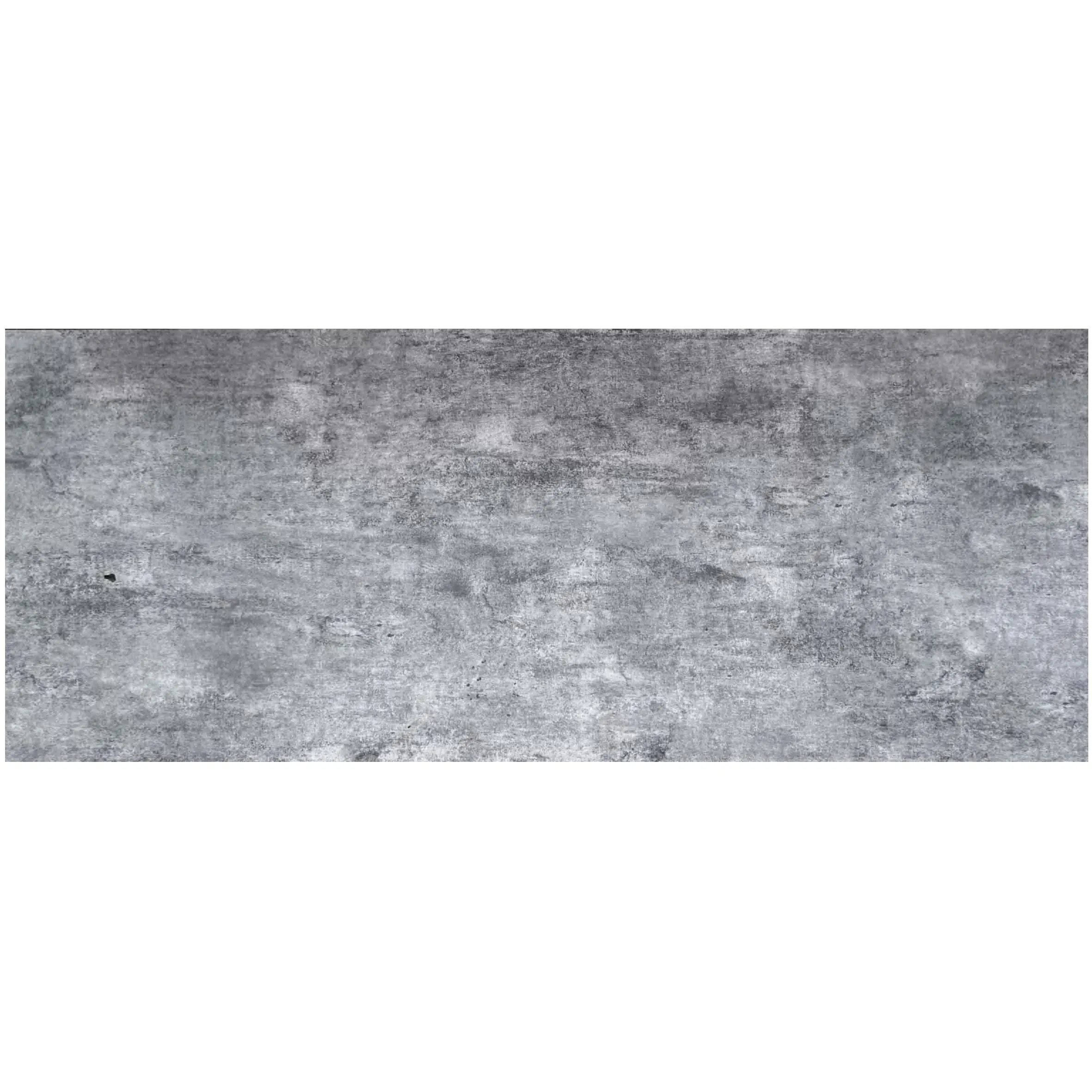
Walk into any modern home improvement store or flip through an architecture magazine, and you'll likely be bombarded with options for building materials. From sleek countertops to durable flooring, the choices can feel endless. But if there's one debate that's been raging in construction circles for years, it's the showdown between polish concrete and traditional cement. Both have their loyal fans—traditional cement for its time-tested reliability, polish concrete for its modern, industrial-chic appeal—but what if there was a third option that didn't just pick sides, but redefined the game entirely? Enter COLORIA's MCM technology, a revolutionary approach to building materials that's turning heads in the industry. In this article, we'll break down the pros and cons of traditional cement and polish concrete, then dive into why MCM—with innovations like mcm flexible stone , mcm big slab board series , and mcm 3d printing series —is quickly becoming the go-to choice for architects, homeowners, and contractors alike.
Let's start with the basics: traditional cement. For decades, it's been the backbone of construction. From sidewalks to skyscrapers, this humble mixture of limestone, clay, and other minerals has held our built world together. There's a reason it's endured—traditional cement is strong, affordable, and easy to produce in bulk. But like any old reliable, it comes with a list of drawbacks that become more apparent as construction demands evolve.
First, there's the weight. Traditional cement is heavy—really heavy. A single 4x8 foot slab can weigh upwards of 100 pounds, making installation a labor-intensive process that often requires heavy machinery and multiple workers. This isn't just a hassle; it adds significant costs to construction projects, from transportation fees to the need for reinforced structural support. Imagine a small business owner wanting to renovate their storefront on a tight budget—those extra labor hours and equipment rentals can quickly eat into their bottom line.
Then there's brittleness. Cement is strong in compression, but it's notoriously weak when it comes to bending or flexing. In areas with frequent temperature fluctuations or seismic activity, traditional cement structures are prone to cracking. A homeowner in a region with harsh winters, for example, might notice hairline fractures in their cement patio after just a few freeze-thaw cycles. Once those cracks start, they only get worse—water seeps in, freezes, expands, and before you know it, you're looking at costly repairs.
Design flexibility is another pain point. Traditional cement is rigid by nature, which limits its use in creative or unconventional projects. Want a curved wall in your home? A decorative accent with intricate textures? Traditional cement can't bend or mold easily, forcing architects and designers to stick to straight lines and simple shapes. Even when mixed with additives to improve workability, it's still a far cry from materials that can adapt to unique spaces.
And let's not forget maintenance. Over time, traditional cement stains easily, absorbs water, and fades in sunlight. A cement driveway might look clean and crisp on day one, but after a few years of oil spills, rain, and UV exposure, it can start to look dull and worn. Sealing it helps, but that's an ongoing expense—reapplying sealant every 1-3 years adds up, both in time and money.
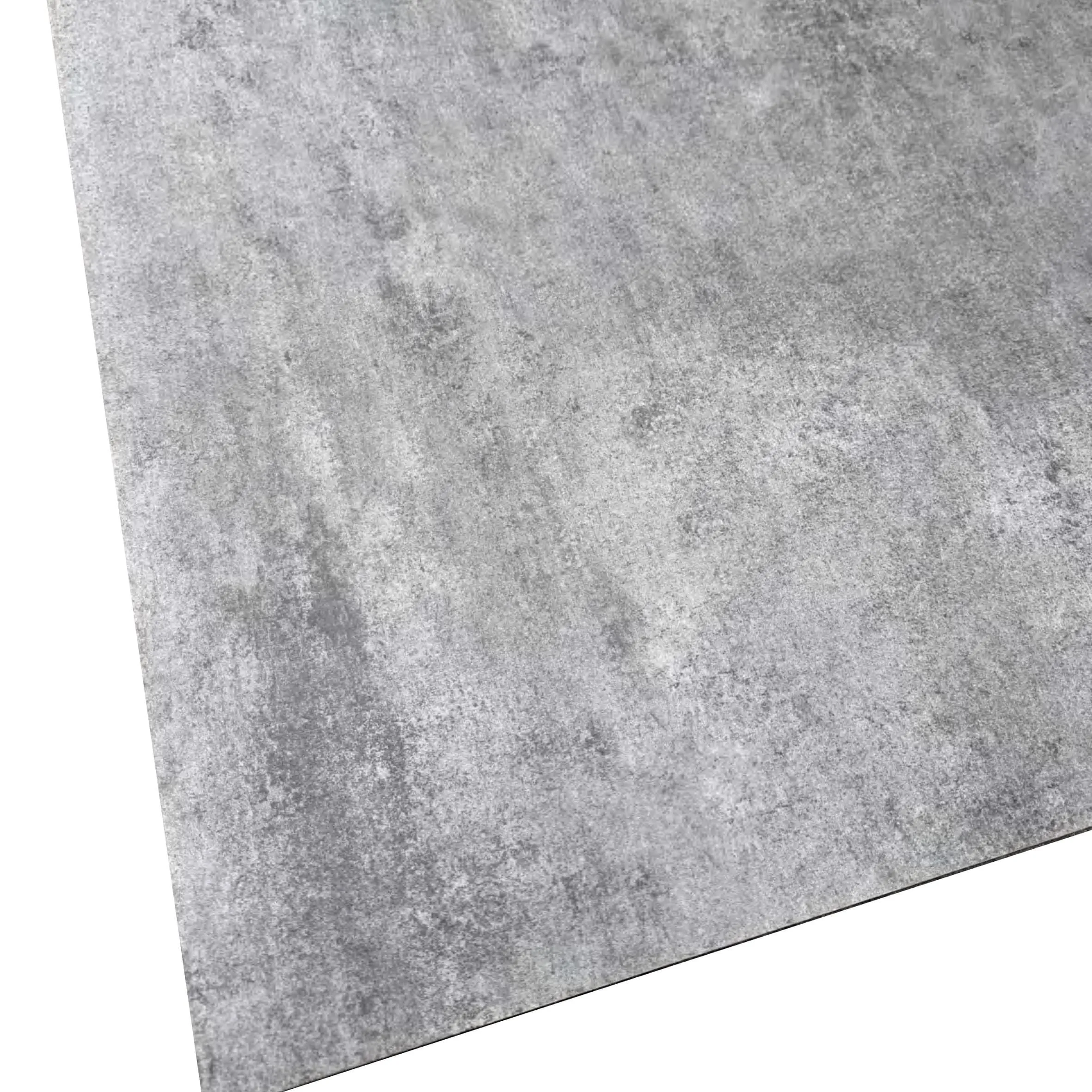
In the early 2000s, polish concrete burst onto the scene as the "cool" alternative to traditional cement. Suddenly, what was once seen as a utilitarian material (think warehouse floors) became a status symbol in modern homes and commercial spaces. And for good reason—polish concrete addressed some of traditional cement's biggest flaws, but it's not without its own limitations.
So, what makes polish concrete different? The process involves grinding down a cement surface with progressively finer abrasives, then sealing it with a chemical hardener to create a smooth, glossy finish. The result is a sleek, low-maintenance surface that's resistant to stains and scratches. It's no wonder restaurants, offices, and luxury homes started adopting it—polish concrete feels modern, industrial, and surprisingly warm when paired with the right lighting.
But let's dig deeper. Polish concrete is still, at its core, cement. That means it retains some of traditional cement's downsides. It's lighter than unpolished cement, but not by much—a 4x8 foot polished slab still weighs around 80 pounds, which is hardly a game-changer for installation crews. And while the polishing process makes it more resistant to stains, it's still porous enough to absorb liquids if the sealant wears thin. A spilled glass of red wine on a poorly sealed polish concrete countertop? You're still looking at a permanent stain.
Design-wise, polish concrete offers more options than traditional cement—you can add dyes, aggregates (like glass or stone chips), or stencils to create unique patterns. But it's still limited by the material's rigidity. Curved surfaces? Still a challenge. Custom 3D textures? Almost impossible without expensive, time-consuming molds. An architect working on a boutique hotel might dream of a lobby wall with undulating waves, but polish concrete would force them to compromise with flat panels or clunky tile work instead.
Cost is another factor. While polish concrete is often cheaper than natural stone (like marble or granite), the polishing process itself adds labor costs. A basic polish concrete floor can run $3-5 per square foot, but if you want custom colors or aggregates, that price can jump to $10-15 per square foot. For homeowners on a budget, that's a tough pill to swallow—especially when they realize they're still dealing with a material that might crack or fade over time.
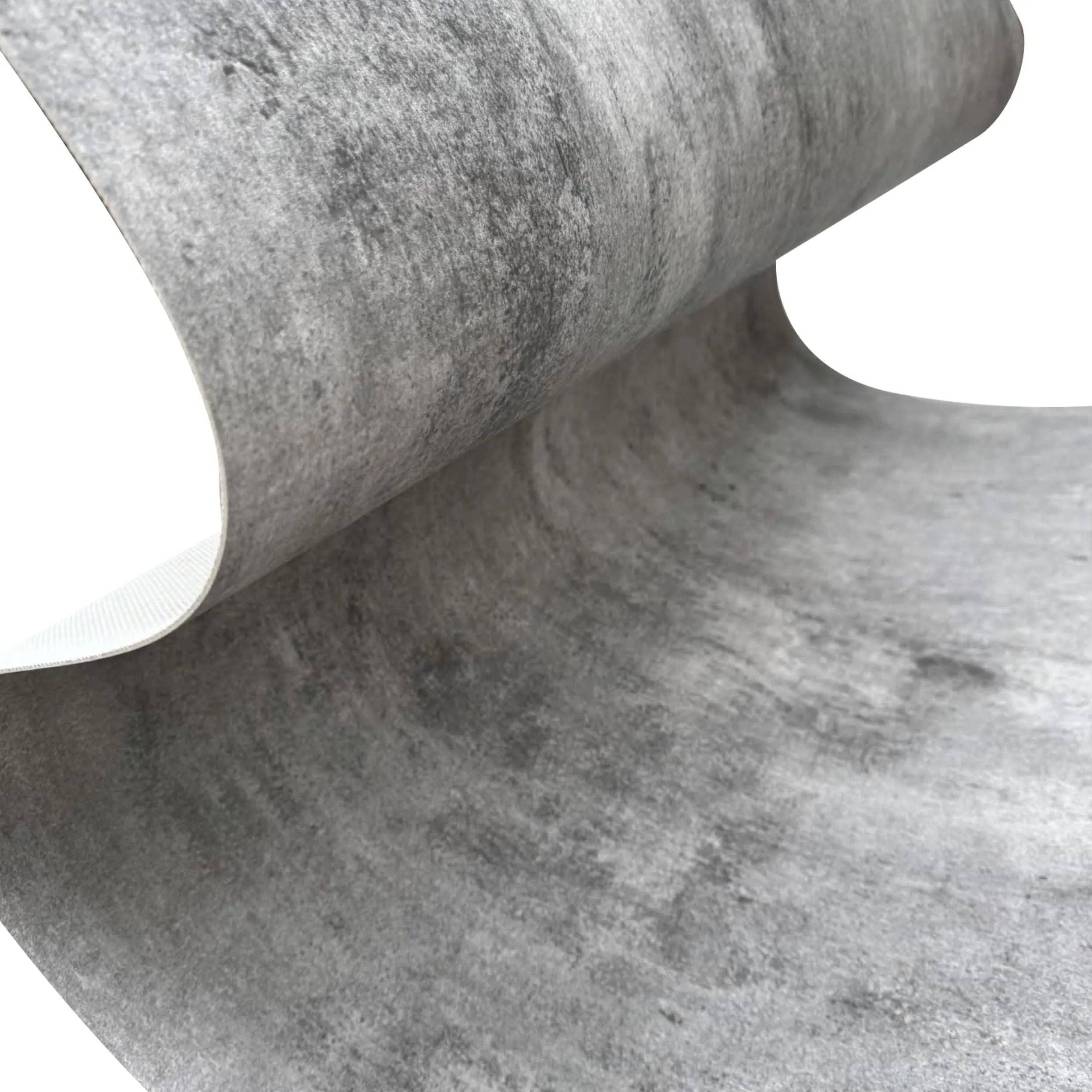
If traditional cement is the reliable but stubborn workhorse, and polish concrete is the stylish but still constrained upstart, then COLORIA's MCM technology is the visionary that's rewriting the rulebook. MCM, which stands for Modified Composite Material, is exactly what it sounds like: a blend of natural minerals, polymers, and advanced additives engineered to be stronger, lighter, and more versatile than anything that came before it. But MCM isn't just one product—it's a family of innovations, including mcm flexible stone , mcm big slab board series , and mcm 3d printing series , each designed to solve specific pain points in construction and design.
At its core, MCM is a lightweight champion. Traditional cement and polish concrete rely on dense aggregates to achieve strength, but MCM uses a proprietary mix of high-performance polymers and natural stone powders to create a material that's up to 70% lighter than cement. A 4x8 foot MCM panel weighs just 25-30 pounds—light enough for a single person to carry and install. This isn't just convenient; it's transformative. Contractors can reduce installation time by 50% or more, and homeowners can save on labor costs. Imagine a team of two workers installing an entire accent wall in a day, compared to the three or four days it would take with traditional cement slabs. That's a game-changer for project timelines.
Then there's flexibility—literally. mcm flexible stone is a standout here. Unlike rigid cement or even semi-rigid polish concrete, MCM can bend and flex without cracking. We're talking about panels that can wrap around curved walls, archways, or even columns with a radius as small as 30cm. This opens up a world of design possibilities that were once unthinkable. A homeowner wanting a curved backsplash in their kitchen? An architect designing a museum with flowing, organic walls? MCM makes it possible without the need for expensive custom molds or complicated cutting.
Durability is another area where MCM shines. Traditional cement cracks under stress; MCM laughs in the face of it. Thanks to its composite structure, it's resistant to impact, temperature fluctuations, and UV radiation. Tests show MCM panels can withstand extreme heat (up to 120°C) and cold (down to -40°C) without warping or fading, making them ideal for both indoor and outdoor use. A restaurant with an outdoor patio in a desert climate? No more worrying about sun damage. A ski lodge in the mountains? No fear of freeze-thaw cycles cracking the walls. And because MCM is non-porous, it's resistant to stains, mold, and mildew—spill a soda, wipe it up, and it's like nothing ever happened.
MCM isn't a one-size-fits-all solution—it's a toolkit, and COLORIA has packed it with products designed to meet every need. Let's take a closer look at three of the most innovative ones:
mcm flexible stone : As we touched on earlier, this is the material that bends but doesn't break. Available in a range of finishes—from the rustic texture of travertine to the sleek look of marble—mcm flexible stone is perfect for adding visual interest to curved surfaces. Think of a boutique hotel lobby with a curved reception desk wrapped in stone-like MCM panels, or a home's fireplace surround with a gentle arch that traditional cement could never replicate. It's also incredibly thin (just 3-5mm thick), making it ideal for renovation projects where space is limited. No need to tear down walls to add thickness—simply adhere the flexible panels directly to existing surfaces.
mcm big slab board series : For projects that demand seamless, expansive surfaces, the big slab board series is a game-changer. These panels come in sizes up to 1200x2400mm (that's nearly 4x8 feet), which means fewer seams and a more polished look. Traditional cement slabs of that size are heavy and prone to cracking during installation, but MCM big slabs are lightweight and strong, making them easy to transport and install. Imagine a commercial office with a feature wall made from a single, uninterrupted MCM slab in a stunning fair-faced concrete finish—it's modern, minimalist, and impossible to achieve with traditional cement without unsightly grout lines or seams.
mcm 3d printing series : If flexibility and size weren't enough, COLORIA's 3D printing technology takes customization to the next level. Using advanced 3D printers, MCM can be shaped into intricate textures, patterns, or even sculptural elements. Want a wall that mimics the look of flowing water? A ceiling panel with a geometric 3D design? The 3D printing series can bring those ideas to life with precision and consistency. Unlike traditional 3D printing with plastic or resin, MCM 3D printed panels are durable enough for high-traffic areas like retail stores or airports. It's like having a custom art installation that's also a functional building material.
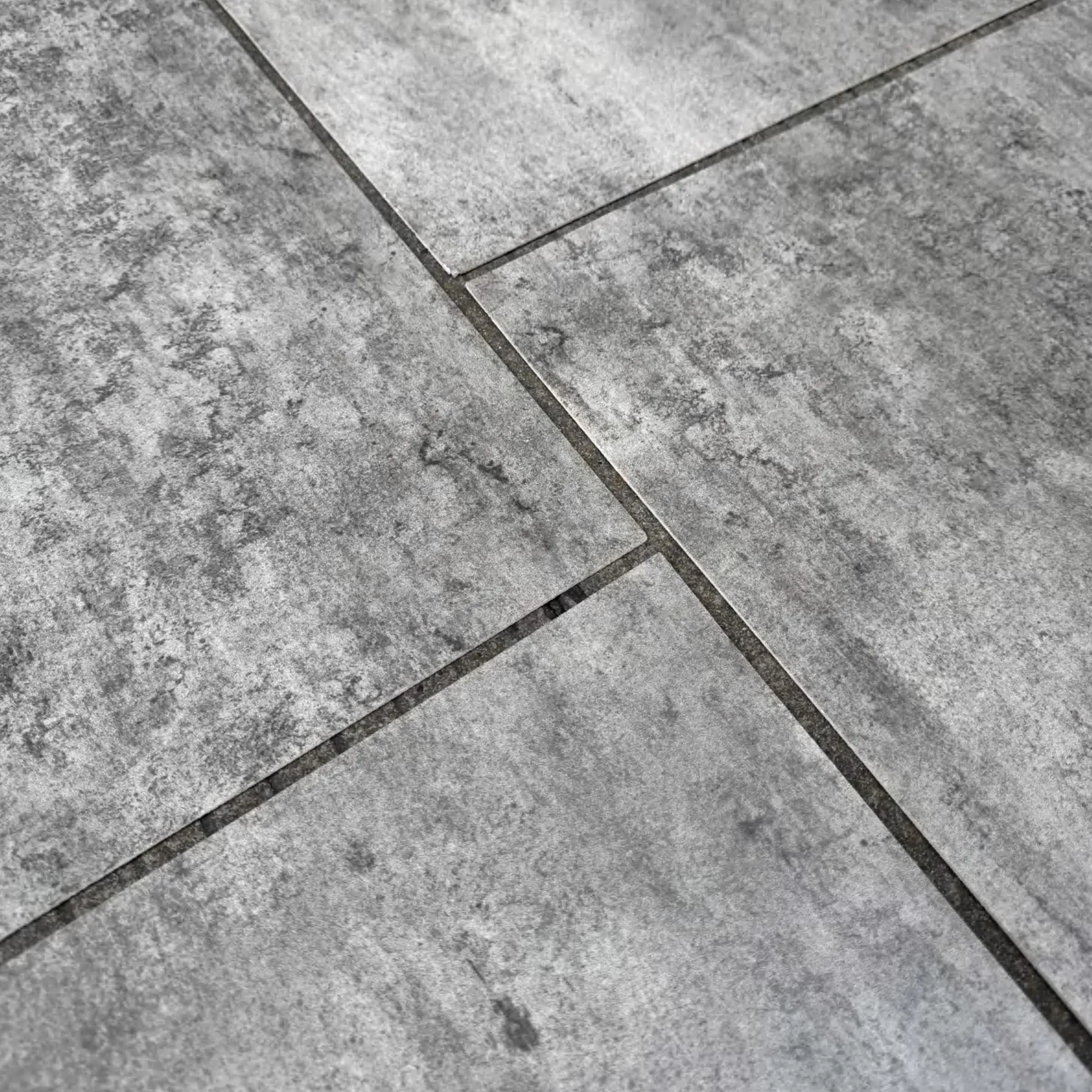
Still not convinced? Let's break it down with a head-to-head comparison. The table below highlights how traditional cement, polish concrete, and COLORIA's MCM stack up across key categories:
| Feature | Traditional Cement | Polish Concrete | COLORIA MCM (e.g., mcm flexible stone, big slab board) |
|---|---|---|---|
| Weight (4x8 ft panel) | 100-120 lbs | 80-90 lbs | 25-30 lbs |
| Flexibility | Rigid (prone to cracking) | Semi-rigid (minimal flex) | Highly flexible (bends up to 30cm radius) |
| Durability | Moderate (stains, cracks in harsh conditions) | Good (stain-resistant with sealant, still prone to cracking) | Excellent (impact-resistant, UV-stable, freeze-thaw proof) |
| Design Options | Limited (basic colors, flat surfaces) | Moderate (dyes, aggregates, stencils) | Extensive (textures, 3D prints, flexible shapes, 100+ finishes) |
| Installation Time | Slow (requires heavy machinery, curing time) | Moderate (polishing adds labor time) | Fast (lightweight, no curing, DIY-friendly) |
| Maintenance | High (seal every 1-2 years, stain-prone) | Moderate (seal every 2-3 years, less stain-prone) | Low (no sealing needed, wipe clean with water) |
| Cost (per sq ft, installed) | $2-4 (low material cost, high labor) | $3-15 (higher material + polishing labor) | $4-8 (moderate material cost, low labor) |
The numbers speak for themselves. MCM outperforms traditional cement and polish concrete in nearly every category, from weight and flexibility to durability and design options. And while the upfront material cost is slightly higher than traditional cement, the savings in labor, maintenance, and installation time make it a more cost-effective choice in the long run.
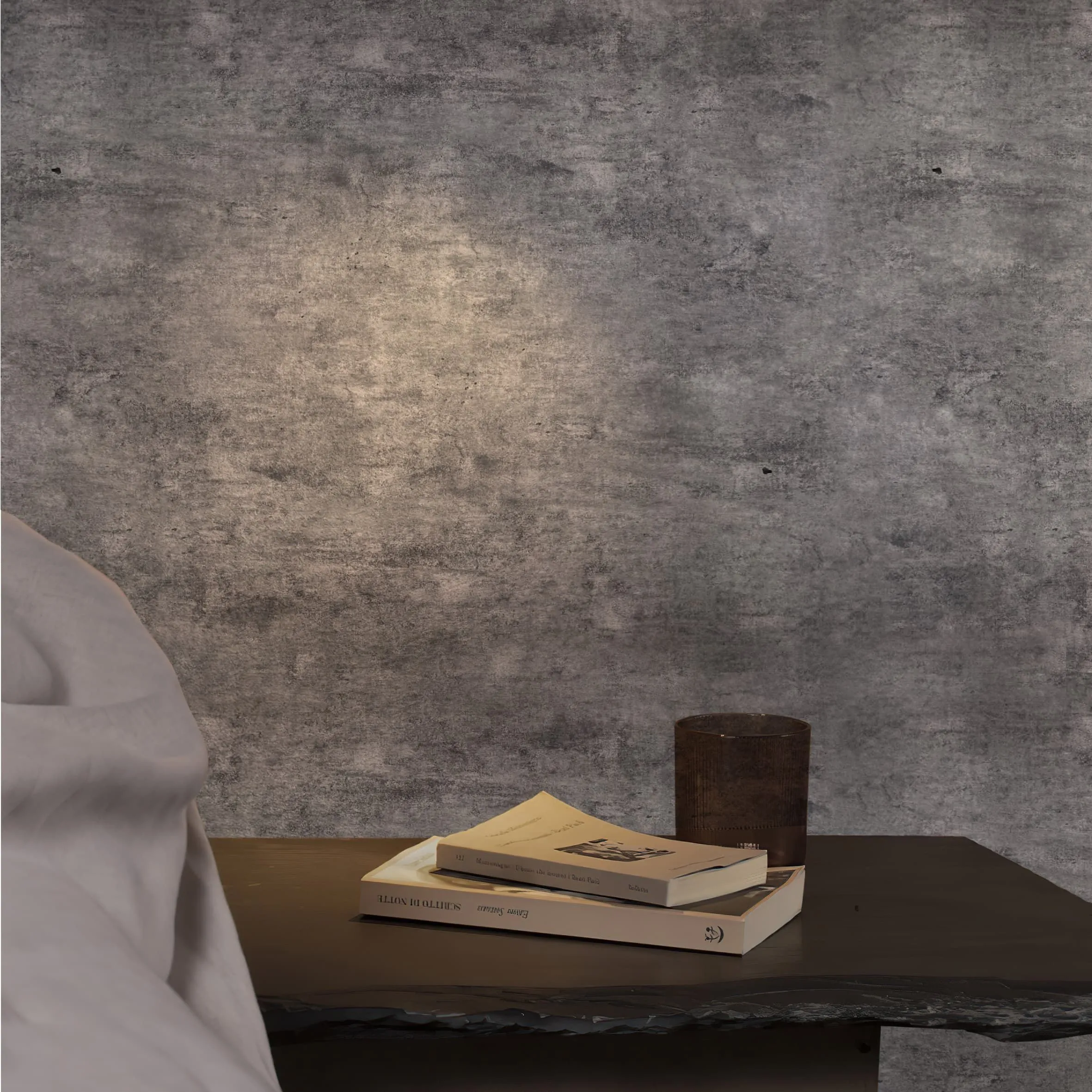
It's one thing to talk about features and specs, but it's another to see MCM in action. Let's look at a few real-world examples of how COLORIA's technology is changing the game for homeowners, architects, and businesses.
The Boutique Hotel Renovation: A historic boutique hotel in downtown Chicago wanted to update its lobby while preserving its original architecture. The design called for a curved accent wall that would complement the building's 1920s-era archways. Traditional cement was out of the question—it couldn't bend, and the weight would have required reinforcing the century-old floor. Polish concrete was considered, but the cost of custom molds for the curved shape was prohibitive. Enter COLORIA's mcm flexible stone in a travertine (starry blue) finish. The lightweight, flexible panels were installed in just two days, wrapping seamlessly around the curved wall and adding a modern, celestial touch to the space. Guests now rave about the "floating" wall, and the hotel saved over $10,000 in labor and structural reinforcement costs.
The Restaurant Patio Overhaul: A popular farm-to-table restaurant in Colorado wanted to expand its outdoor seating area but struggled with the region's harsh winters. Traditional cement patios in the area often cracked within a year due to freeze-thaw cycles, and polish concrete required frequent sealing to resist stains from food and drinks. The restaurant owner opted for COLORIA's mcm big slab board series in a fair-faced concrete finish. The panels were installed in a weekend, and two winters later, there's not a single crack. The non-porous surface wipes clean easily, even after spills of wine or olive oil, and the restaurant has saved hundreds of dollars on maintenance. "It's like having a patio that looks industrial but acts like it's indestructible," the owner told a local business magazine.
The Homeowner's Dream Kitchen: A homeowner in California wanted a kitchen with a bold, modern look that would stand up to her busy family of five. She loved the look of polish concrete but worried about stains from kids' spills and the difficulty of installing it on her kitchen's curved island. Her contractor suggested COLORIA's mcm 3d printing series with a custom wood grain texture. The 3D printed panels were shaped to fit the island's curves perfectly, and the wood-like finish added warmth to the space. Two years later, the kitchen still looks brand new—no stains, no scratches, and no regrets. "I get compliments on it all the time," she says. "People can't believe it's not real wood or concrete."
At the end of the day, COLORIA's MCM technology isn't just about building materials. It's about challenging the status quo and reimagining what's possible in construction and design. For too long, architects and homeowners have been forced to choose between beauty and functionality, tradition and innovation. MCM erases those boundaries, offering a material that's as strong as it is stylish, as flexible as it is durable.
Consider sustainability, too. MCM's lightweight design reduces transportation emissions, and its long lifespan means less waste from replacements. Traditional cement production is one of the largest sources of CO2 emissions globally, but MCM requires far less energy to manufacture, making it a greener choice for eco-conscious builders. It's a small step, but in a world where sustainability is becoming increasingly important, every innovation counts.
And let's not overlook the impact on creativity. Architects are now free to design buildings with curves, textures, and shapes that were once confined to sketches. Homeowners can personalize their spaces in ways that feel truly unique, not just cookie-cutter. Contractors can take on projects with confidence, knowing they have a material that's reliable, easy to work with, and sure to impress clients. MCM isn't just changing how we build—it's changing how we think about building.
So, back to the original debate: polish concrete vs. traditional cement. Both have their place, but neither can compete with the versatility, durability, and design freedom of COLORIA's MCM technology. Traditional cement is reliable but rigid, heavy, and limited. Polish concrete is stylish but still constrained by its cement-based roots. MCM, with innovations like mcm flexible stone , mcm big slab board series , and mcm 3d printing series , is the next evolution—lightweight, flexible, durable, and endlessly customizable.
Whether you're a homeowner looking to renovate, an architect pushing the boundaries of design, or a contractor wanting to deliver better results faster, MCM offers something for everyone. It's not just a material upgrade; it's a paradigm shift. And in an industry that's long been slow to change, that's nothing short of revolutionary.
So, the next time you're standing in that hardware store or flipping through that architecture magazine, remember: there's a better option. COLORIA's MCM technology isn't just changing the game—it's rewriting the rules. And the future of building has never looked more flexible, more durable, or more beautiful.
Recommend Products












