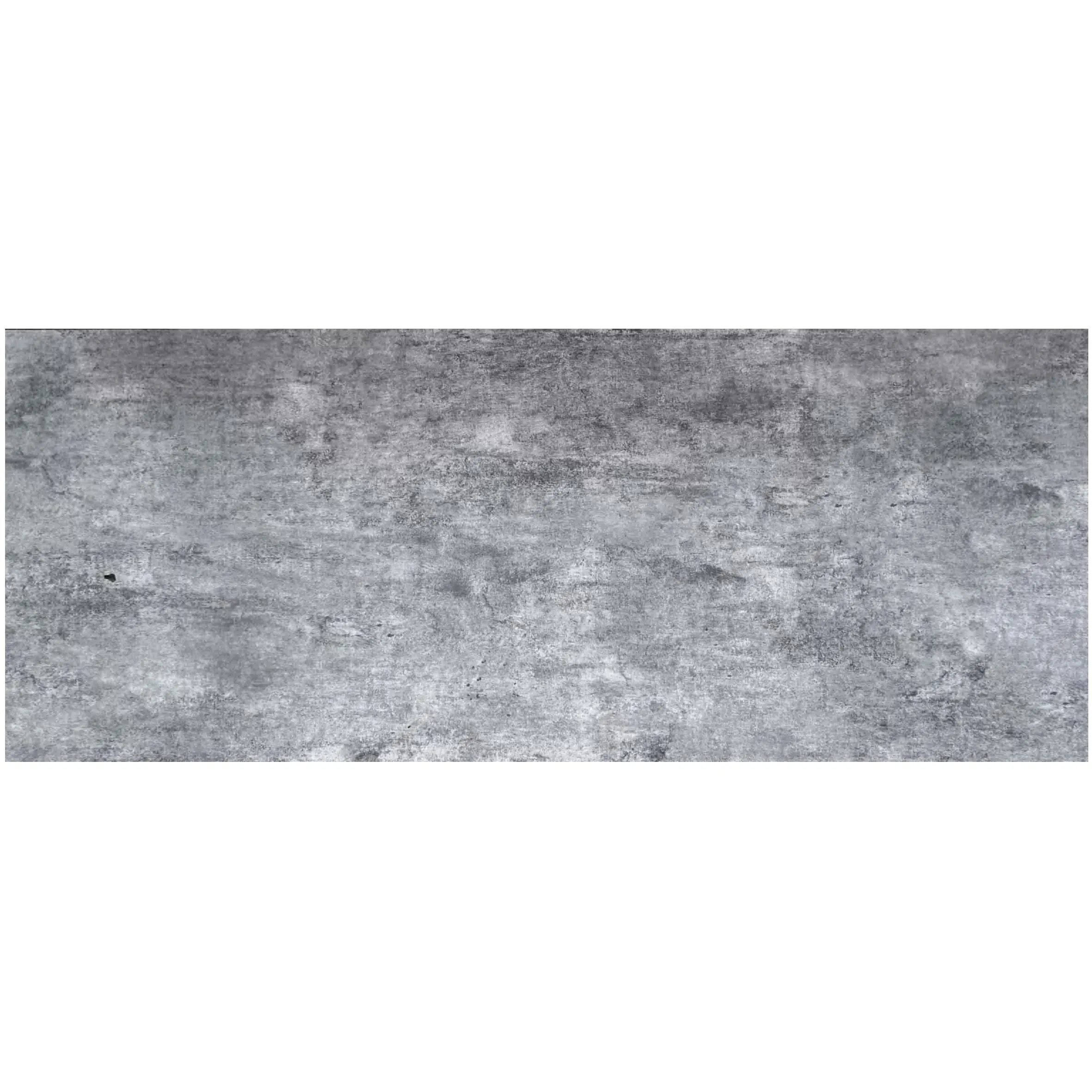
Let's be honest: Picking flooring for your home or business can feel like navigating a maze of jargon, sales pitches, and conflicting advice. You're not just choosing something to walk on—you're investing in a surface that'll see coffee spills, pet paws, kids' toys, and daily foot traffic for years. And if you're like most people, you're probably weighing two big contenders: the sleek, budget-friendly allure of vinyl flooring and the rugged, industrial-chic vibe of
polish concrete. But here's the question that rarely gets asked upfront:
Which one will actually save you money in the long run?
Spoiler: It's not always the one with the lower price tag at the checkout. Let's dive in, with a little help from COLORIA MCM's innovative materials—like their
fair-faced concrete and
mcm flexible stone—to see why
polish concrete might just be the smarter financial bet.
1. The "Cheap Upfront" Trap: Why Vinyl's Initial Cost Isn't the Whole Story
Let's start with the elephant in the room: Vinyl flooring
does
often look cheaper on paper. A basic sheet vinyl or luxury vinyl tile (LVT) might run you $2–$5 per square foot, while
polish concrete can start at $3–$8 per square foot. If you're staring at a 1,000-square-foot space, that $1–$3 difference adds up to $1,000–$3,000 upfront. Ouch. It's easy to think, "Why pay more now?" But here's where the story twists: Vinyl's "low cost" often comes with hidden fees that sneak up on you before the first tile is even laid.
Vinyl is picky about its foundation. If your subfloor has even the tiniest bumps, cracks, or moisture issues, you'll need to level it, seal it, or even replace sections—adding $1–$4 per square foot to your bill. And if you're installing over concrete, you might need a moisture barrier to prevent mold (another $0.50–$1.50/sq ft). Suddenly, that $2/sq ft vinyl becomes $3.50–$10/sq ft by the time it's actually ready to install.
Polish concrete, on the other hand, often works with what you already have. If your space has an existing concrete slab (like most basements, garages, or commercial buildings), you can skip the subfloor prep—no leveling, no barriers, no extra materials. Even if you need to pour a new slab, COLORIA MCM's
fair-faced concrete
(a raw, textured finish that skips heavy polishing) cuts down on labor costs by embracing the concrete's natural texture. One contractor I talked to recently mentioned a client who saved $4,000 on a 1,200 sq ft retail space by using their existing slab for
polish concrete instead of prepping for vinyl.
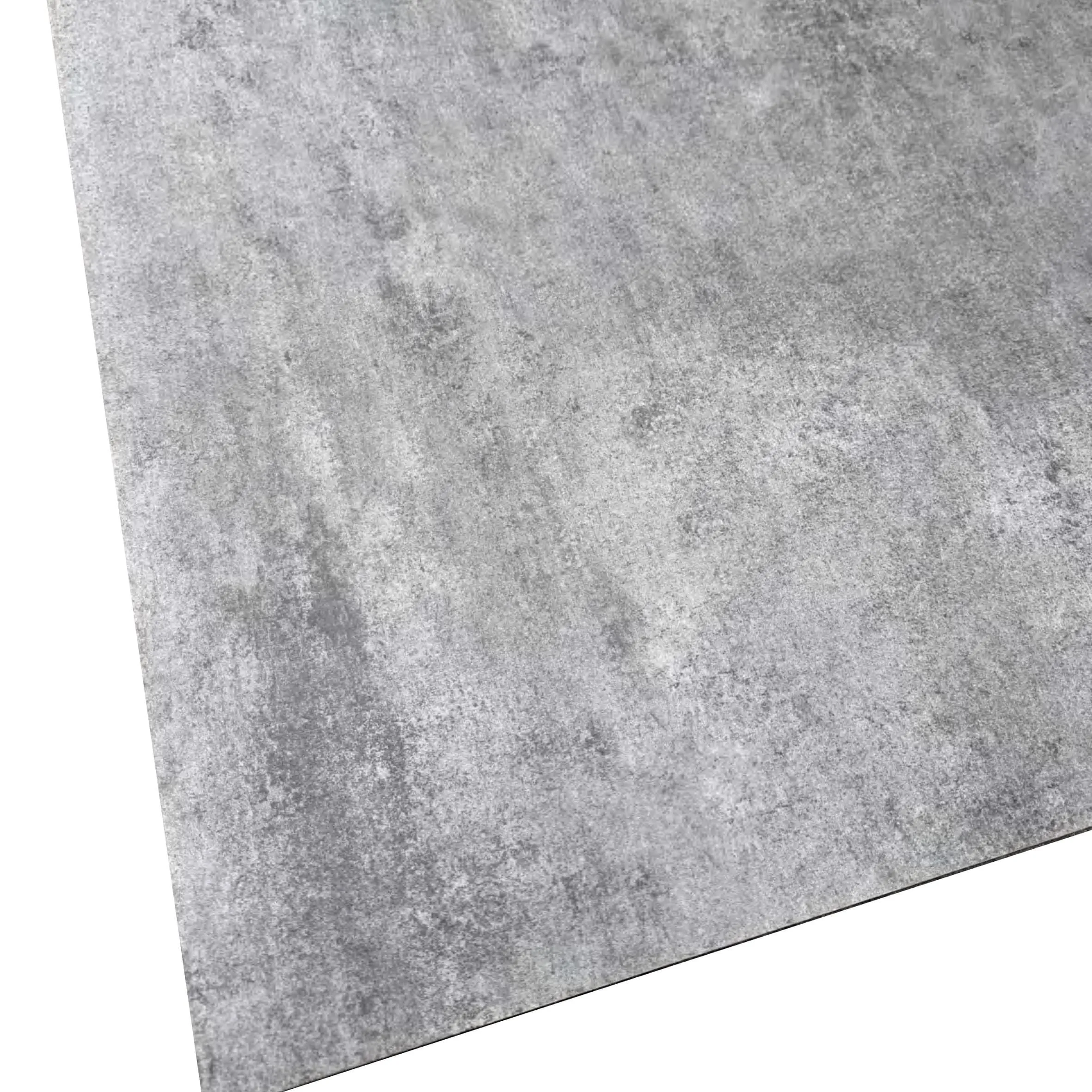
2. Durability: When "Sturdy" vs. "Disposable" Changes Your Budget Forever
Imagine this: You install vinyl flooring in your busy family home. Year 1: It looks great. Year 3: A coffee spill seeps between the planks, warping the edges. Year 5: The dog's nails scratch a path from the door to the couch, and the sun fades the color by the window. Year 7: You're shopping for new flooring because the once-pristine vinyl now looks tired and patchy. Sound familiar? Vinyl's lifespan is notoriously short—10–15 years on the high end, even with "premium" brands. And that's if you're gentle with it. In commercial spaces (restaurants, stores, offices), it might need replacing in 5–8 years.
Now picture
polish concrete. It's not just flooring—it's a slab of rock-hard material designed to withstand decades of abuse. I visited a warehouse in Chicago last year that had
polish concrete floors installed in 1998. They've hosted forklifts, heavy machinery, and hundreds of daily workers, and aside from a few minor stains (easily buffed out), the floors still look sharp. "We've never replaced them," the operations manager told me. "Just a fresh seal every 3–5 years, and they're good as new." That's over 25 years of use—and counting.
The numbers tell the story: If vinyl costs $5/sq ft installed and lasts 10 years, you're paying $0.50/sq ft per year.
Polish concrete, at $8/sq ft installed but lasting 30 years? That's $0.27/sq ft per year—nearly half the cost over time. And if you opt for COLORIA MCM's
mcm flexible stone
(a lightweight, durable alternative that mimics natural stone but bends with subfloor movement), you get even more resilience. One hotel in Miami used
mcm flexible stone in their lobby 12 years ago; it's still handling suitcases, high heels, and daily mopping without a single crack or chip.
|
Factor
|
Vinyl Flooring
|
Polish Concrete (with COLORIA MCM options)
|
|
Typical Lifespan
|
10–15 years (residential); 5–8 years (commercial)
|
30–50+ years (residential/commercial)
|
|
Resistance to Scratches
|
Low–Medium (easily scratched by pets, furniture)
|
High (resists forklifts, heavy furniture, pet claws)
|
|
Water Damage Risk
|
High (seams can leak; warps with moisture)
|
Low (non-porous when sealed; no seams to fail)
|
|
UV Fading
|
High (colors fade near windows)
|
Low (pigments mixed into concrete; sealers block UV rays)
|
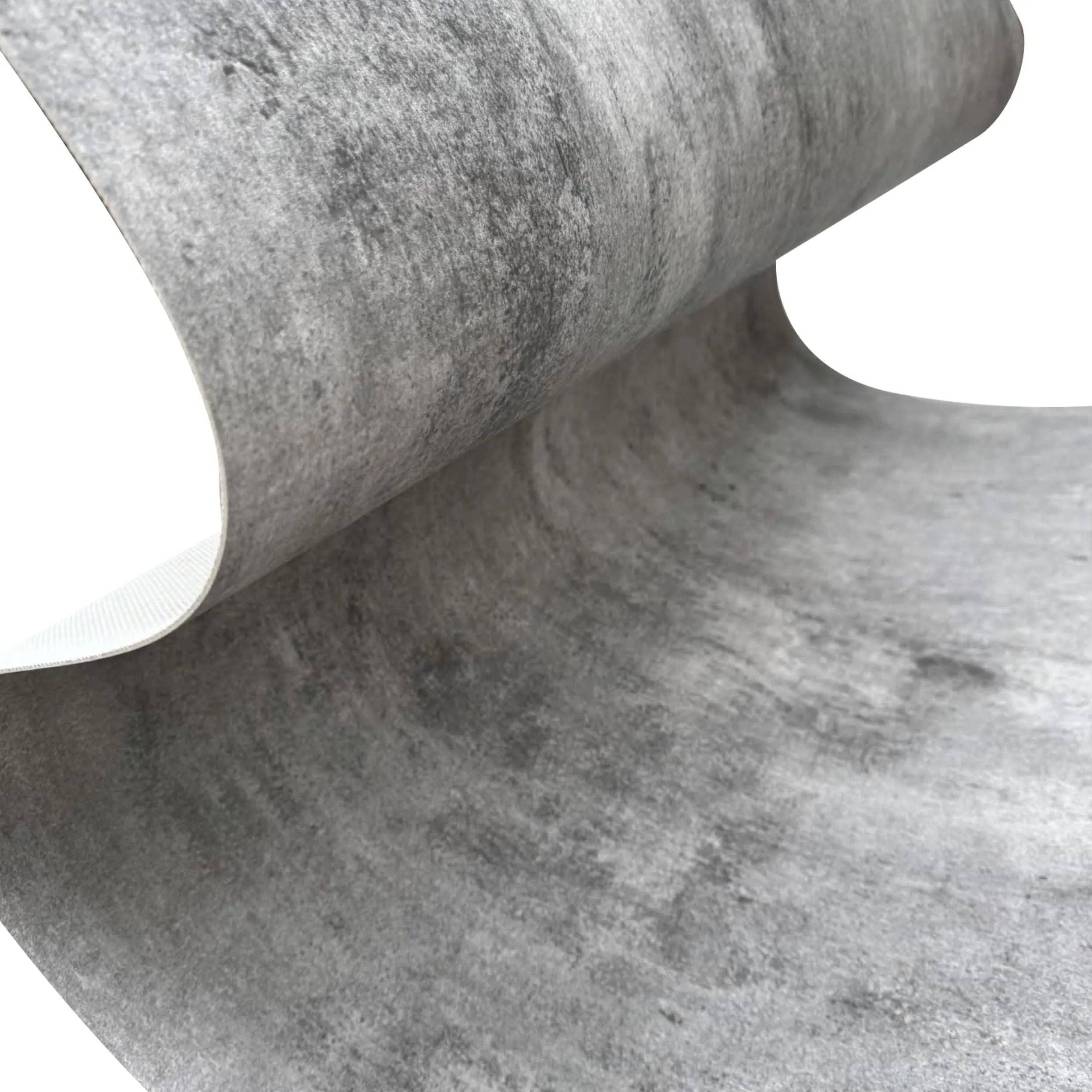
3. Maintenance: The "Hidden Tax" of Vinyl Flooring
Vinyl marketers love to talk about "low maintenance"—and it's true, at first. A quick sweep and damp mop, and you're done. But over time, that "low maintenance" turns into a series of small, costly headaches. Let's break it down:
Stains:
Vinyl repels water, but oil, wine, or nail polish? They can seep into the material, leaving permanent marks. A friend of mine spent $200 last year replacing three vinyl planks after a olive oil spill stained them beyond repair.
Scratches:
Once a scratch appears, you can't buff it out—you have to replace the plank. And if the color has faded (thanks to UV rays), the new plank will stick out like a sore thumb, forcing you to replace an entire section.
Cleaning Products:
Vinyl hates harsh chemicals (bleach, ammonia, even some "all-purpose" cleaners), so you're stuck buying specialty vinyl cleaners ($8–$15 per bottle). Over 10 years, that adds up.
Polish concrete? It's the opposite. Spill red wine? Blot it up, then wipe with soap and water—no stain, no stress. Scratched by a chair leg? A quick buff with a floor buffer (rented for $40/day) makes it disappear. And maintenance products? Just a basic pH-neutral cleaner ($5–$8 per bottle) and a sealer every 3–5 years ($0.50–$1/sq ft professionally applied). For a 1,000 sq ft space, that's $500–$1,000 every 5 years—compared to vinyl's $200–$500 in annual repairs and replacements.
Real-Life Example: A Café Owner's Experience
Sarah, who owns a busy café in Portland, installed luxury vinyl tile (LVT) when she opened in 2015. "It was $7,000 installed, which seemed affordable," she told me. "But by 2020, the corners were lifting, and there were stains from spilled syrups that wouldn't come out. I had to replace 20% of the floor—another $2,500. Then, in 2023, I decided to switch to polish concrete. It cost $12,000, but I haven't spent a dime on maintenance since. No more replacing planks, no more specialty cleaners. I'll easily make back the $5,000 difference in 5 years."
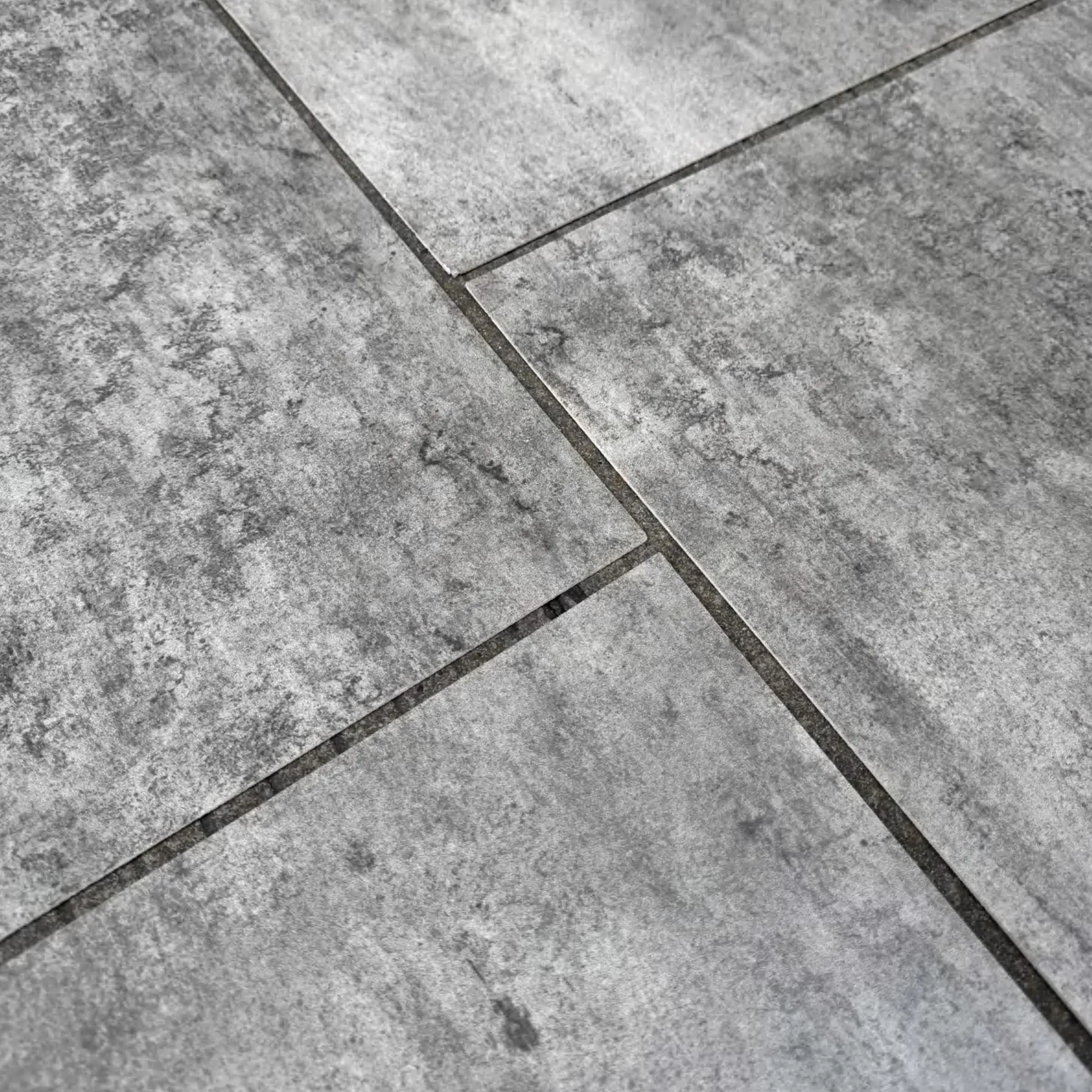
4. Aesthetic Longevity: When "Trendy" Becomes a Money Pit
Vinyl flooring thrives on trends. One year it's "wood-look," the next it's "marble-look," then "terrazzo-look." But trends fade—and when they do, your once-stylish floor becomes a relic. I worked with a homeowner in 2010 who installed "bamboo-look" vinyl. By 2018, she hated it. "It looked dated, and I couldn't sell my house without replacing it," she said. The new owners wanted neutral floors, so she spent $6,000 on new flooring just to close the sale.
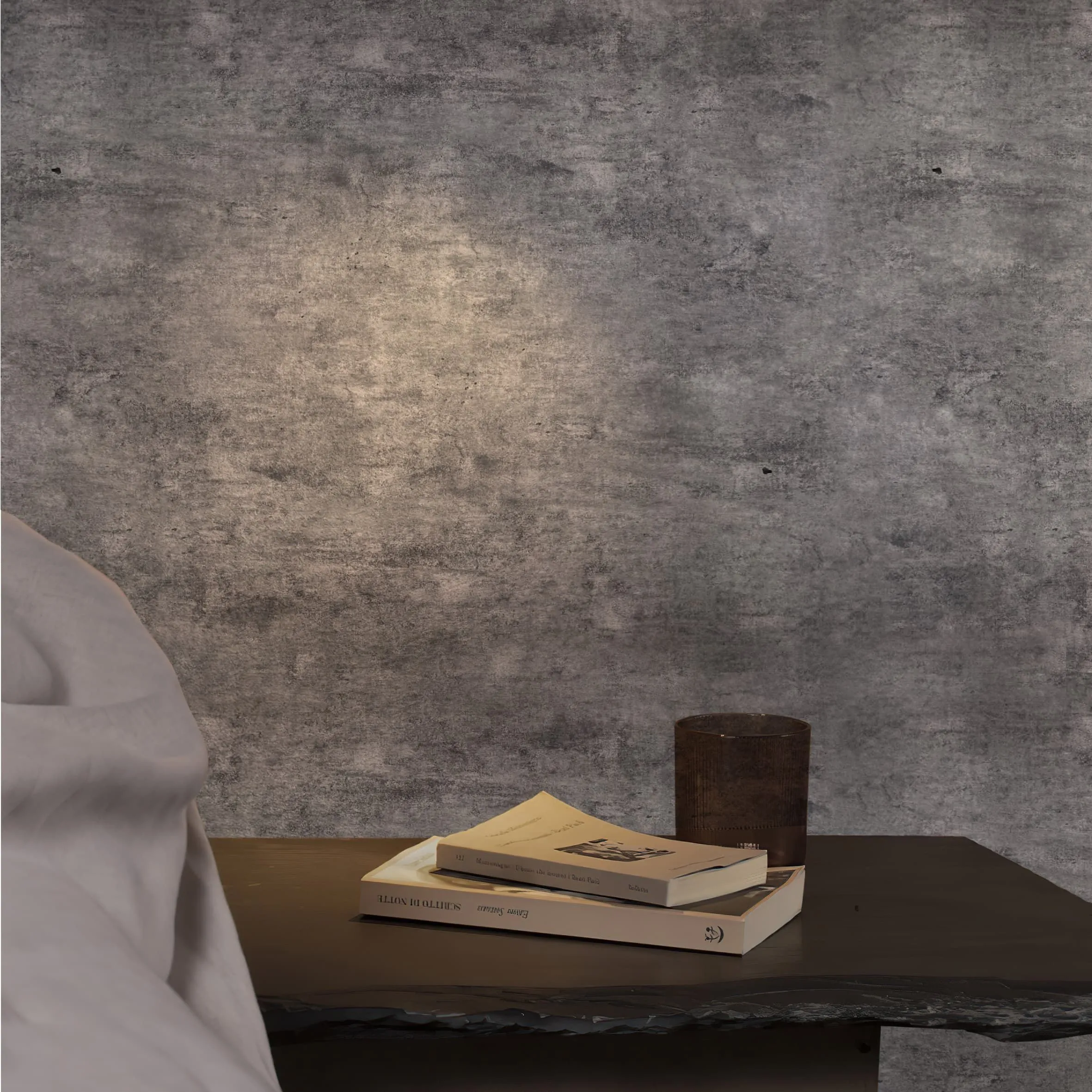
Polish concrete, on the other hand, is timeless. Its industrial-chic vibe has been popular for decades, and it plays well with any design style—modern, rustic, minimalist, even bohemian. And if you want to switch up the look? COLORIA MCM offers endless customization:
wood grain board
patterns stamped into the concrete, stained hues (from soft beiges to bold charcoals), or even integrative designs (like logos for commercial spaces). Unlike vinyl, which locks you into one look,
polish concrete evolves with your taste.
Take a boutique clothing store in New York that used COLORIA MCM's
fair-faced concrete with a subtle wood grain stamp. When they rebranded from bohemian to minimalist, they simply sanded the surface and applied a light gray stain. No need to replace the entire floor—just a $1,200 refinish, and it looked brand-new. "Vinyl would've meant ripping everything out and starting over," the store owner said. "Concrete let us evolve without breaking the bank."
5. Environmental Impact: The "Cost" No One Talks About
Long-term cost savings aren't just about dollars—they're about the hidden price we pay for disposable products. Vinyl is made from PVC, a plastic that releases toxic chemicals during production and disposal. When you replace vinyl flooring every 10 years, that old flooring ends up in landfills, where it can take centuries to break down, leaching chemicals into the soil and water.
Polish concrete, by contrast, is eco-friendly from start to finish. It's made from natural materials (cement, sand, water), and COLORIA MCM's production process for
fair-faced concrete
uses 30% less energy than traditional concrete finishes. Even better, when
polish concrete does eventually need to be replaced (decades from now), it can be crushed and reused as aggregate for new construction—no toxic waste, no landfill guilt.
For businesses aiming for LEED certification or homeowners prioritizing sustainability, this matters. One office building in Seattle switched to
polish concrete and earned LEED points for reduced waste, which translated to tax incentives and lower insurance rates. "It wasn't just about saving money on flooring," the building manager explained. "It was about aligning our budget with our values."
6. Why COLORIA MCM's Polish Concrete Isn't Just Flooring—It's an Investment
So, what makes COLORIA MCM's
polish concrete stand out in this crowded market? It's simple: They've reimagined concrete as a material that's both durable and design-forward. Their
mcm flexible stone
line, for example, combines the strength of concrete with the flexibility to bend around curves or uneven surfaces—perfect for unique spaces like curved walls or outdoor patios. And their
fair-faced concrete
embraces the material's natural texture, avoiding over-polishing to save on labor costs while adding rustic charm.
I visited COLORIA MCM's factory in California last month, and what struck me most was their focus on long-term value. "We don't sell floors—we sell solutions that grow with our clients," the lead designer told me. "A restaurant owner shouldn't have to worry about replacing flooring every 5 years. A homeowner shouldn't stress about scratches from their kids' toys. Our materials are built to outlast the trends and the daily grind."
One of their newest innovations? Integrating
wood grain board
patterns into
polish concrete, giving the warmth of wood without the maintenance headaches. A family in Colorado used this for their basement, and they love it: "It looks like hardwood, but when the kids spill juice or the dog tracks in mud, we just wipe it up. No warping, no staining, no regrets."
The Bottom Line: Short-Term Pain, Long-Term Gain
Let's circle back to that initial decision: Vinyl flooring might feel like the "safe" choice when you're staring at a budget. But when you factor in replacement costs, maintenance fees, and the hidden expenses of a short lifespan, it's clear that
polish concrete—especially when paired with COLORIA MCM's innovative options like
fair-faced concrete and
mcm flexible stone—is the smarter investment.
Think of it this way: Flooring is like a marriage. You don't just want something that looks good on the first date—you want something that grows with you, handles the tough times, and still makes you smile decades later. Vinyl is the fling;
polish concrete is the life partner. And with COLORIA MCM, that life partner doesn't just last—they bring style, durability, and peace of mind to every step of the journey.
So, the next time you're choosing flooring, ask yourself: "Am I paying for now, or paying for the future?" The answer might just save you thousands—and a whole lot of stress—down the line.