
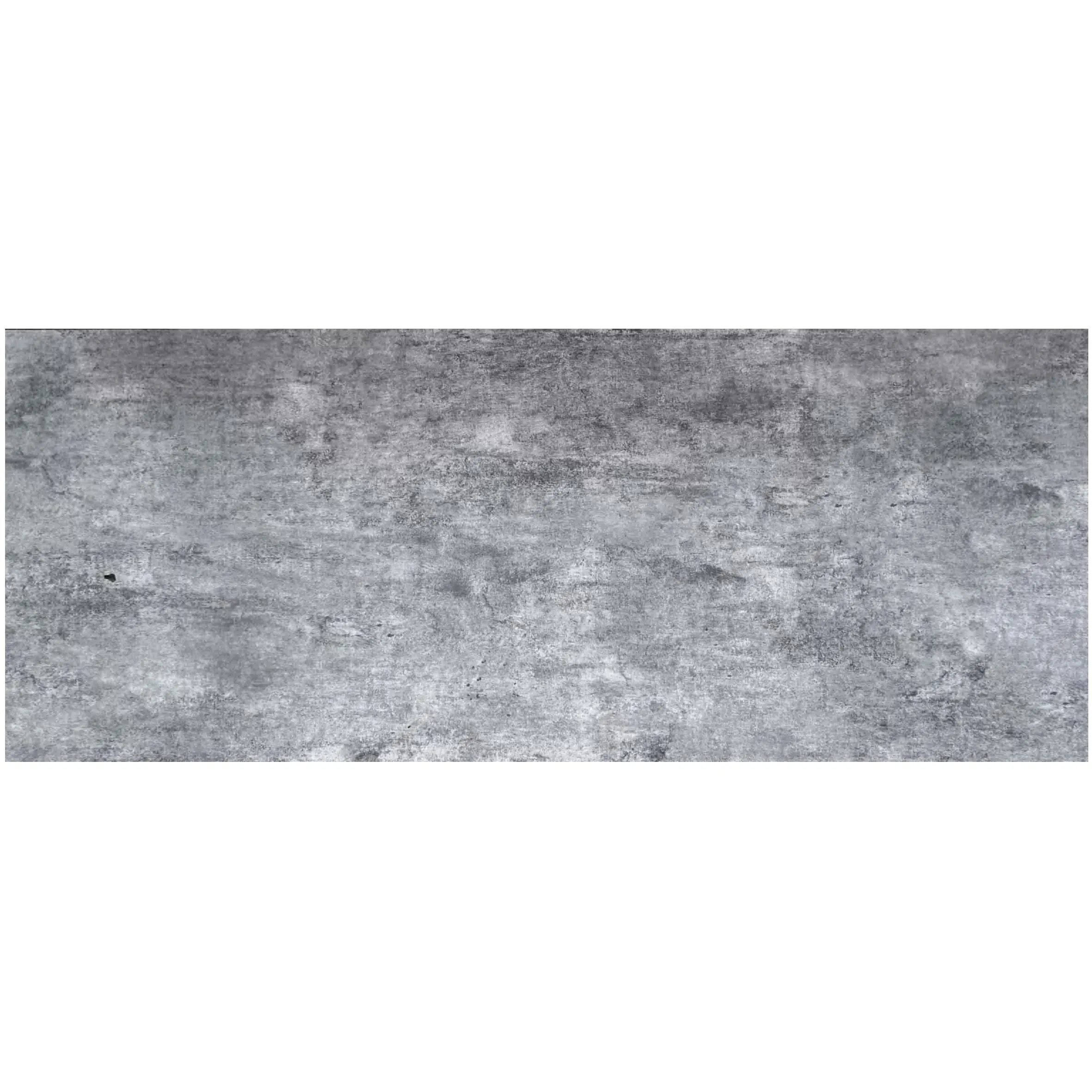
Walk into any modern home, boutique hotel, or trendy office space these days, and there's a good chance you'll find yourself standing on polished concrete. Sleek, industrial-chic, and surprisingly versatile, it's become the material of choice for designers aiming to blend durability with understated elegance. But here's the thing no one talks about enough: that same polished surface, so stunning in the sunlight, can turn into a homeowner's worst nightmare when moisture creeps in. From musty basements to rain-soaked lobbies, water resistance isn't just a "nice-to-have" in construction materials—it's the silent guardian of your space's longevity, health, and beauty. And that's where COLORIA MCM steps in, reimagining what it means for materials like polished concrete to truly stand up to the elements.
Let's start with the basics: traditional polished concrete is porous. Even after sealing, tiny gaps and capillaries in the material act like invisible straws, sucking up moisture from the ground, humidity in the air, or accidental spills. Over time, that moisture does more than just leave unsightly stains. It weakens the concrete from the inside out, leading to cracks that grow wider with each freeze-thaw cycle. It creates a breeding ground for mold and mildew, which isn't just an eyesore—it's a health hazard, triggering allergies and respiratory issues. And let's not forget the aesthetics: a once-gleaming floor that fades, discolors, or develops dark, splotchy patches because water has seeped in. For homeowners, this means endless repairs and a sinking feeling that their investment is slowly deteriorating. For businesses, it's lost revenue from closed spaces during renovations and a damaged reputation if customers notice the wear.
Take Maria, a homeowner in Portland, Oregon, who renovated her basement into a home gym last year. She chose polished concrete for its low-maintenance appeal, assuming a standard sealant would keep the Pacific Northwest rain at bay. Six months later, she noticed a faint mustiness near the walls. By winter, there were dark streaks snaking across the floor, and her yoga mat started feeling damp even on dry days. "I thought I'd picked the toughest material out there," she says. "Instead, I ended up with a gym I could barely use—and a contractor telling me I needed to redo the entire floor." Maria's story isn't unique. It's a cautionary tale about why water resistance can't be an afterthought when choosing building materials.
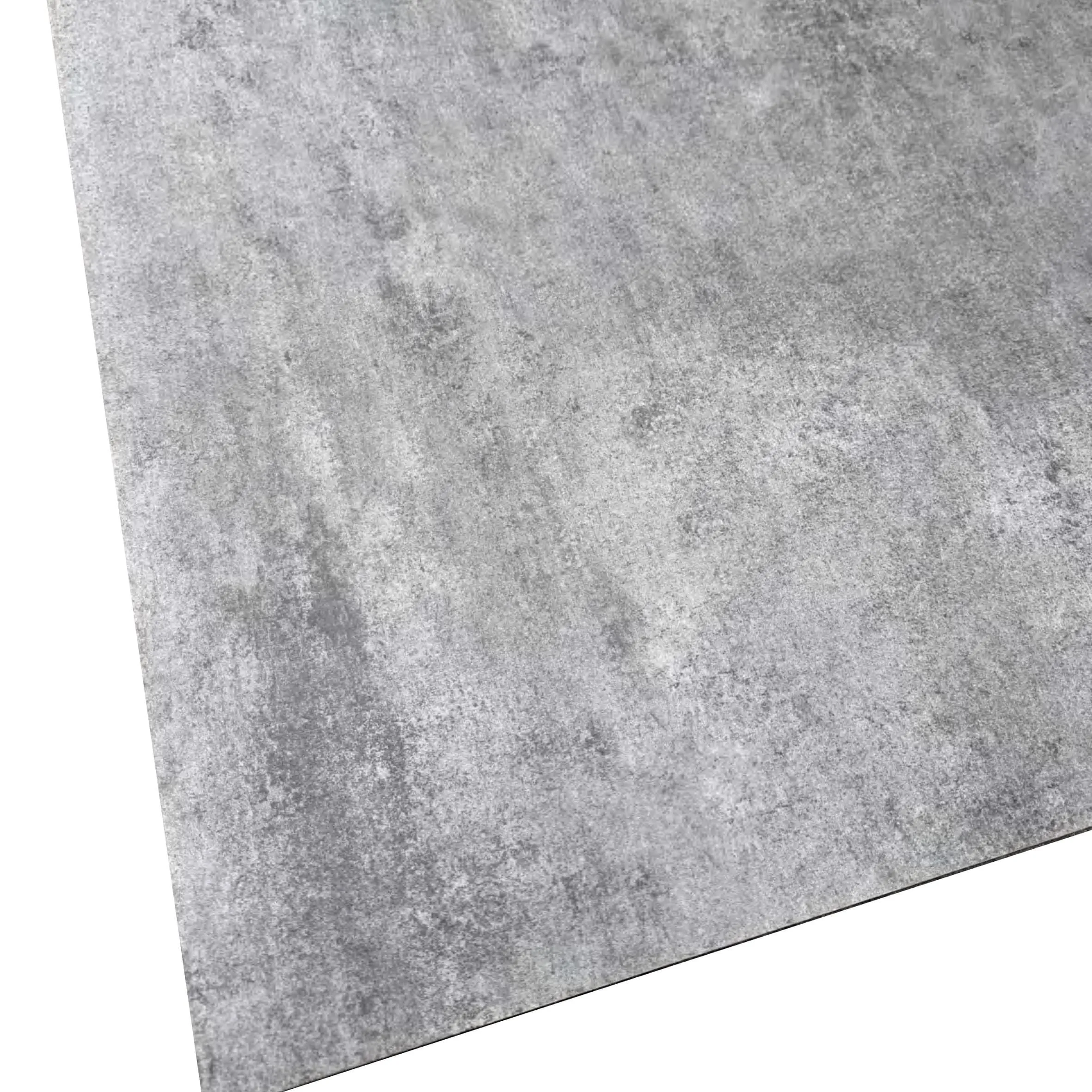
COLORIA MCM didn't set out to just sell building materials—they set out to solve problems. Founded by a team of architects and engineers frustrated by the gap between "good-looking" and "long-lasting" in construction, the brand's mission is simple: create products that don't force you to choose between beauty and resilience. When it comes to moisture, their approach is revolutionary. Instead of just adding a thicker sealant to traditional materials, they reengineer the materials themselves, integrating advanced composites and nanotechnology to create surfaces that repel water on a molecular level. The result? Materials like polished concrete, MCM flexible stone , and fair-faced concrete that don't just resist moisture—they laugh in its face.
What makes COLORIA different? It's all in the science (but don't worry, we'll keep it simple). Their proprietary modified composite material (MCM) blends natural minerals with high-performance polymers, creating a structure that's dense, non-porous, and flexible. Unlike traditional concrete, which is rigid and prone to cracking, MCM materials have a slight give that helps them withstand impact and temperature changes—both of which can worsen moisture damage. Add in a nano-ceramic coating that bonds to the surface, creating an invisible barrier against water, and you've got a formula that's changing the game for high-moisture spaces.
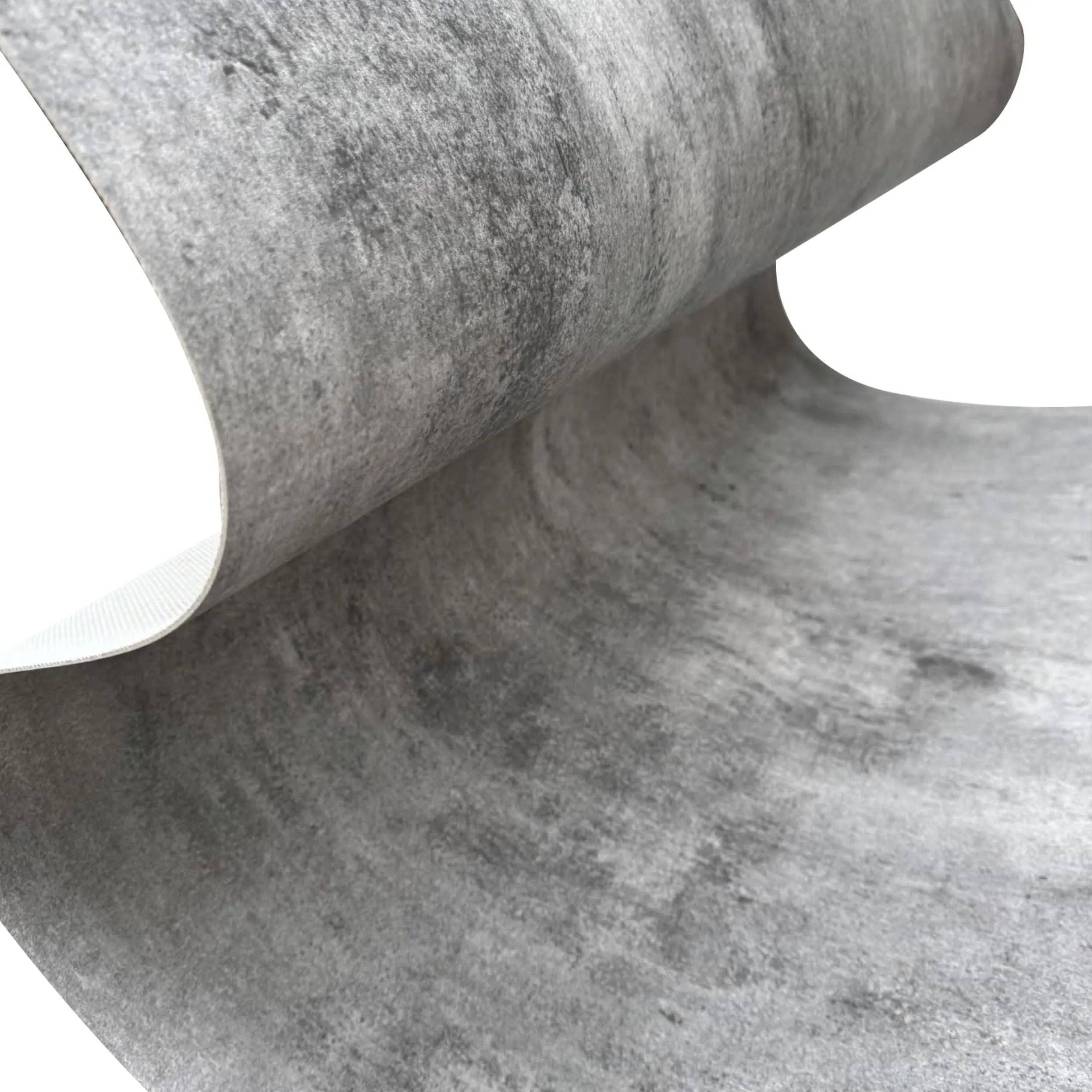
At the heart of COLORIA's offerings is their enhanced polish concrete —the material that started it all, but with a moisture-proof upgrade. Traditional polished concrete relies on topical sealants that wear off over time, requiring reapplication every 1-3 years. COLORIA's version, however, integrates MCM technology directly into the mix. During production, their engineers add a blend of hydrophobic additives and reinforcing fibers that fill in those tiny pores, making the concrete itself water-resistant from the moment it's poured. The surface is then treated with a dual-layer sealant: a penetrating sealer that soaks into the top few millimeters, and a topical ceramic coat that repels water on contact. The result? A floor that can handle spills, humidity, and even minor flooding without staining or warping. And unlike some "waterproof" concretes that feel plastic-like or lose their natural texture, COLORIA's polish concrete retains that signature matte sheen and tactile warmth—because durability shouldn't mean sacrificing soul.
If polished concrete is the workhorse, MCM flexible stone is the chameleon. Designed for walls, backsplashes, and even furniture, this material looks and feels like natural stone—think the rough-hewn texture of travertine or the smooth elegance of marble—but with a flexibility that makes installation a breeze and moisture resistance a given. Traditional stone is heavy, brittle, and porous; a single crack can let water seep behind walls, leading to rot or mold. MCM flexible stone, by contrast, is lightweight (about 70% lighter than natural stone), bendable, and 100% non-porous. Its secret? A base layer of high-density foam reinforced with fiberglass, topped with a thin veneer of MCM composite that mimics the look of stone. The foam acts as a moisture barrier, while the composite layer repels water, making it ideal for bathrooms, kitchens, or outdoor patios. Imagine tiling your shower walls with what looks like travertine (starry green) —a stone with swirled patterns of deep emerald and silver, like a night sky reflected in water—without worrying about grout lines or water damage. That's the magic of MCM flexible stone: it lets you bring the beauty of natural stone into high-moisture areas without the stress.
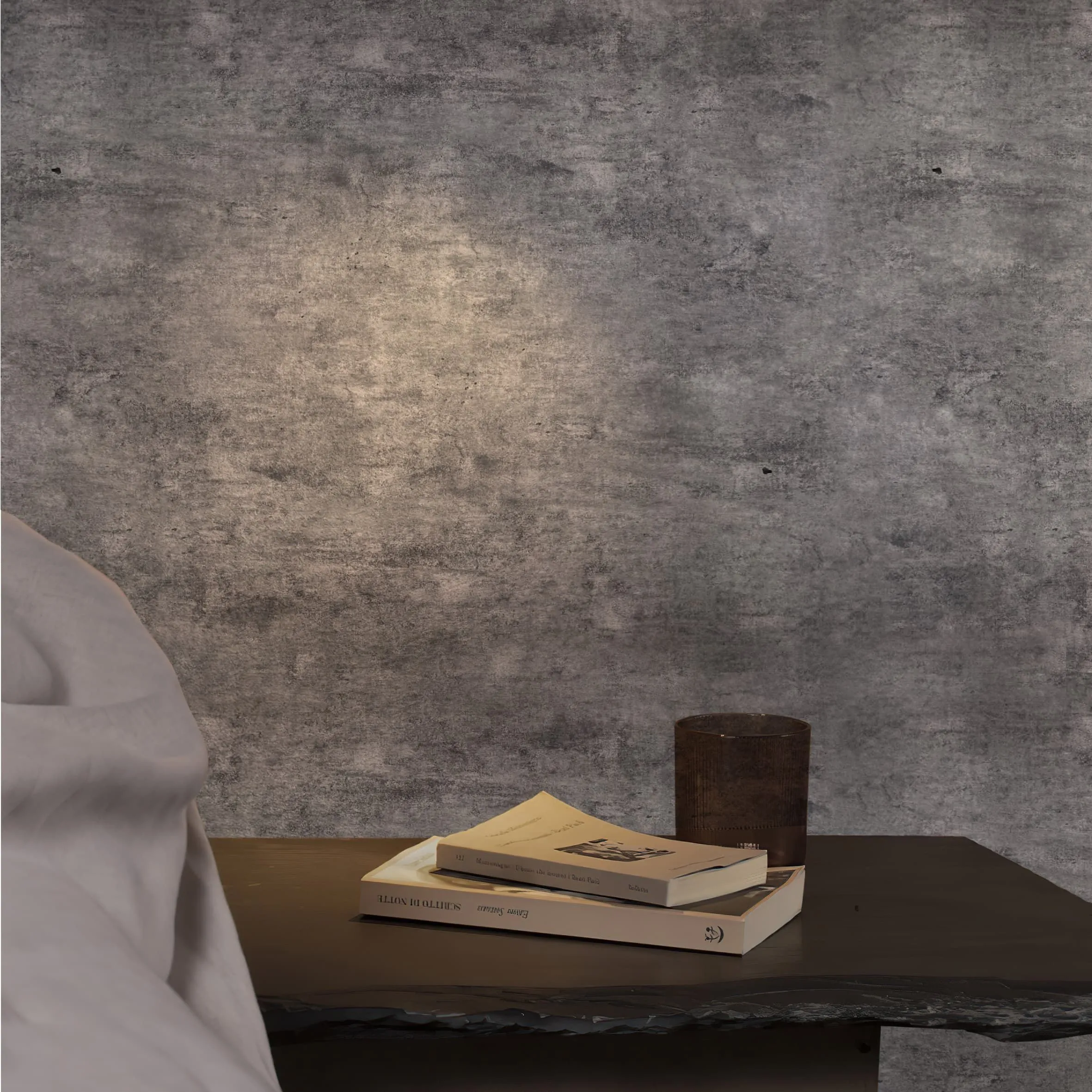
For those who love the raw, unfiltered look of concrete—no polish, no frills— fair-faced concrete is a dream come true. But traditional fair-faced concrete is even more porous than its polished cousin, making it a risky choice for damp environments. COLORIA's take on this material flips the script. Using a specialized mix of low-water-cement ratio concrete and MCM additives, they create a surface that's dense, uniform, and naturally resistant to moisture. The finish is intentionally imperfect—with subtle variations in texture and color that give it character—but beneath that rugged exterior is a material that stands up to rain, humidity, and even coastal salt spray. It's become a favorite for outdoor fire pits, garden walls, and commercial facades where both aesthetics and durability matter. One restaurant in Seattle, for example, used COLORIA fair-faced concrete for their outdoor dining patio walls. After a particularly rainy season, the owner noted, "We used to have to power-wash the walls every month to get rid of mold. Now? They look as good as the day they were installed, even with all the rain."
Not all moisture-proof solutions have to look like stone or concrete. Lunar peak silvery —a foamed aluminium alloy board with a vintage silver finish—proves that metal can be just as tough against water, with a futuristic edge that's perfect for modern spaces. Traditional metal panels are prone to rust, especially in humid or coastal areas, which not only ruins their appearance but weakens their structural integrity. COLORIA's foamed aluminium alloy boards, however, are treated with a multi-step anodizing process that creates a protective oxide layer, making them resistant to corrosion, scratches, and water. The foam core adds insulation (great for energy efficiency) and reduces weight, while the vintage silver finish—with its subtle brushed texture and soft metallic sheen—adds warmth to industrial designs. Imagine a kitchen backsplash in lunar peak silvery, catching the light above a stove, or a bathroom accent wall that contrasts with matte black fixtures. It's a material that says "bold" and "practical" in equal measure.
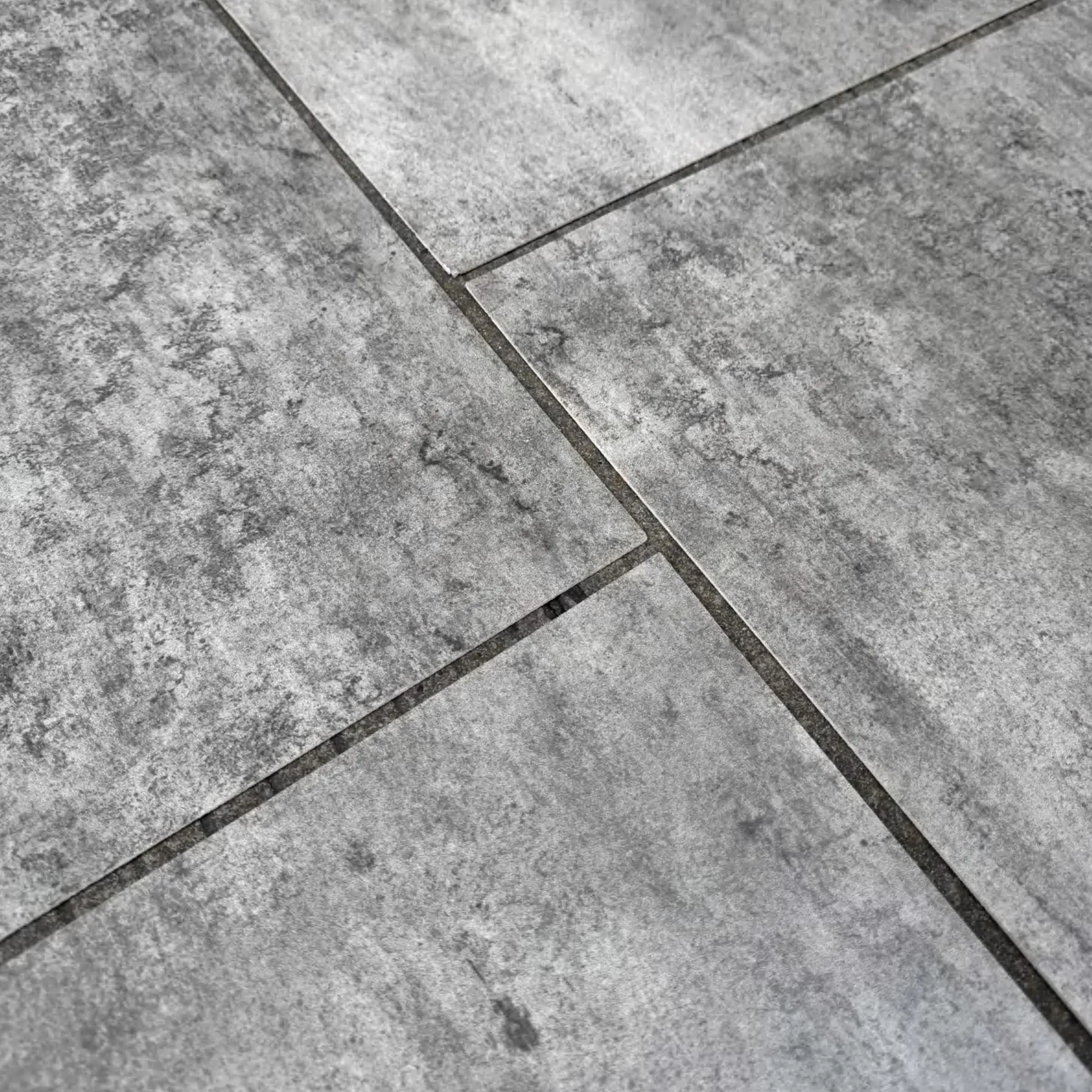
One of the biggest myths about moisture-proof materials is that they're all function and no form—that to get durability, you have to settle for boring, utilitarian designs. COLORIA MCM shatters that myth. Take their travertine (starry green) flexible stone, for example: it's available in sheets that can be cut to fit any space, with variations in color and veining that make each installation unique. Or their lunar peak silvery panels, which come in not just vintage silver but also vintage gold and black, letting designers play with metallic accents without worrying about tarnish. Even their fair-faced concrete offers customization—choose from light grey, beige, or charcoal, and add aggregates like crushed glass or stone for a speckled effect. The point is: moisture resistance shouldn't limit your creativity. Whether you're going for a cozy cabin vibe with wood-grain MCM panels or a sleek urban loft with polished concrete floors, COLORIA's materials adapt to your vision, not the other way around.
| Material | Traditional Version | COLORIA MCM Version | Key Moisture-Proof Feature |
|---|---|---|---|
| Polish Concrete | Porous; requires sealant reapplication every 1-3 years | Non-porous mix with dual-layer sealant; no reapplication needed for 10+ years | Hydrophobic additives in mix + ceramic top coat |
| Natural Stone (e.g., Travertine) | Heavy, brittle, porous; prone to cracking and water damage | Lightweight, flexible MCM composite; 100% non-porous | Foam core moisture barrier + water-repellent composite veneer |
| Fair-Faced Concrete | Highly porous; mold and staining common in damp areas | Dense, low-porosity mix with MCM additives; corrosion-resistant | Low-water-cement ratio + reinforcing fibers |
| Metal Panels | Prone to rust and corrosion in humid environments | Anodized foamed aluminium alloy; oxide layer protection | Multi-step anodizing process + foam core insulation |
Let's step into the shoes of Alex, a commercial designer working on a boutique hotel in Miami. The hotel's lobby features a grand staircase with open risers, and the client wanted the steps to look like they were carved from a single piece of stone—something dramatic, with depth and texture. But Miami's humidity is brutal, and traditional stone would absorb moisture, leading to slips and potential damage. Alex turned to COLORIA's MCM flexible stone in travertine (starry green) . The material was lightweight enough to install on the risers without reinforcing the structure, flexible enough to curve slightly with the staircase's design, and moisture-resistant enough to handle the lobby's AC condensation and occasional rain brought in by guests. "The client walked in and gasped," Alex recalls. "They thought it was real travertine. When I told them it was MCM and wouldn't stain or mold? They signed off on using it for the entire lobby bar backsplash, too."
Then there's Raj, a homeowner in Arizona who wanted to turn his backyard into an outdoor entertainment space. The desert heat can be intense, but monsoon season brings sudden, heavy rains. He wanted a patio floor that could handle both scorching sun and standing water without cracking or fading. He chose COLORIA's polish concrete in a warm beige tone, with flecks of gold and brown that mimic the desert landscape. "Last monsoon, we had a storm that dumped three inches of rain in an hour," Raj says. "I went outside expecting a mess, but the water just beaded up and rolled off the floor. No puddles, no stains. Now we host outdoor movie nights even after rain—I don't have to worry about guests tracking mud in."
At the end of the day, what makes COLORIA MCM's moisture-proof solutions work is a combination of innovation and attention to detail. Their team of materials scientists spends years testing formulas, subjecting samples to extreme conditions—soaking them in water for weeks, exposing them to freeze-thaw cycles, blasting them with salt spray—to ensure they hold up. Take their MCM flexible stone: it undergoes a 500-hour water immersion test, where it's submerged in a tank of water and checked for signs of swelling, discoloration, or delamination. If it fails, they go back to the lab. Their polish concrete is tested for water absorption rate: traditional concrete absorbs about 5-8% of its weight in water; COLORIA's absorbs less than 0.5%. That's the difference between a material that survives and one that thrives.
Moisture might be invisible, but its impact on our spaces is anything but. It's the reason basements feel cramped, why restaurant kitchens close for repairs, why that "forever home" starts to feel like a never-ending project. But it doesn't have to be that way. COLORIA MCM's moisture-proof solutions—from their enhanced polish concrete to MCM flexible stone and beyond—prove that durability and beauty can coexist. They let us build spaces that don't just look good, but feel good too: spaces where we don't have to worry about the next storm, the next spill, or the next repair bill. Because at the end of the day, the best materials aren't just about resisting the elements—they're about giving us peace of mind, so we can focus on what really matters: living, working, and creating memories in the spaces we love.
So the next time you're choosing materials for a project, ask yourself: Is this just pretty, or is it built to last? With COLORIA MCM, the answer can be both. Because moisture-proof doesn't have to mean character-proof. It just means building smarter—and breathing easier.
Recommend Products












