
Let's start with a scenario we've all lived through: You're trying to focus on a work deadline in your home office, but the sound of your neighbor's morning playlist seeps through the walls. Or maybe you're settling in for a quiet evening with a book, only to hear the upstairs neighbor's footsteps like they're tap-dancing on your ceiling. Sound has a way of invading our spaces, turning what should be a sanctuary into a source of stress. In a world that's only getting louder—with bustling cities, open-concept living, and the constant hum of technology—finding effective soundproofing solutions has become more than a luxury; it's a necessity. Enter poly wood board : a material that's quietly revolutionizing how we think about acoustic comfort in our homes, offices, and public spaces. But what makes it stand out? How does it actually stop sound in its tracks? And why should you consider it over other options like mcm flexible stone or fair-faced concrete ? Let's dive in.
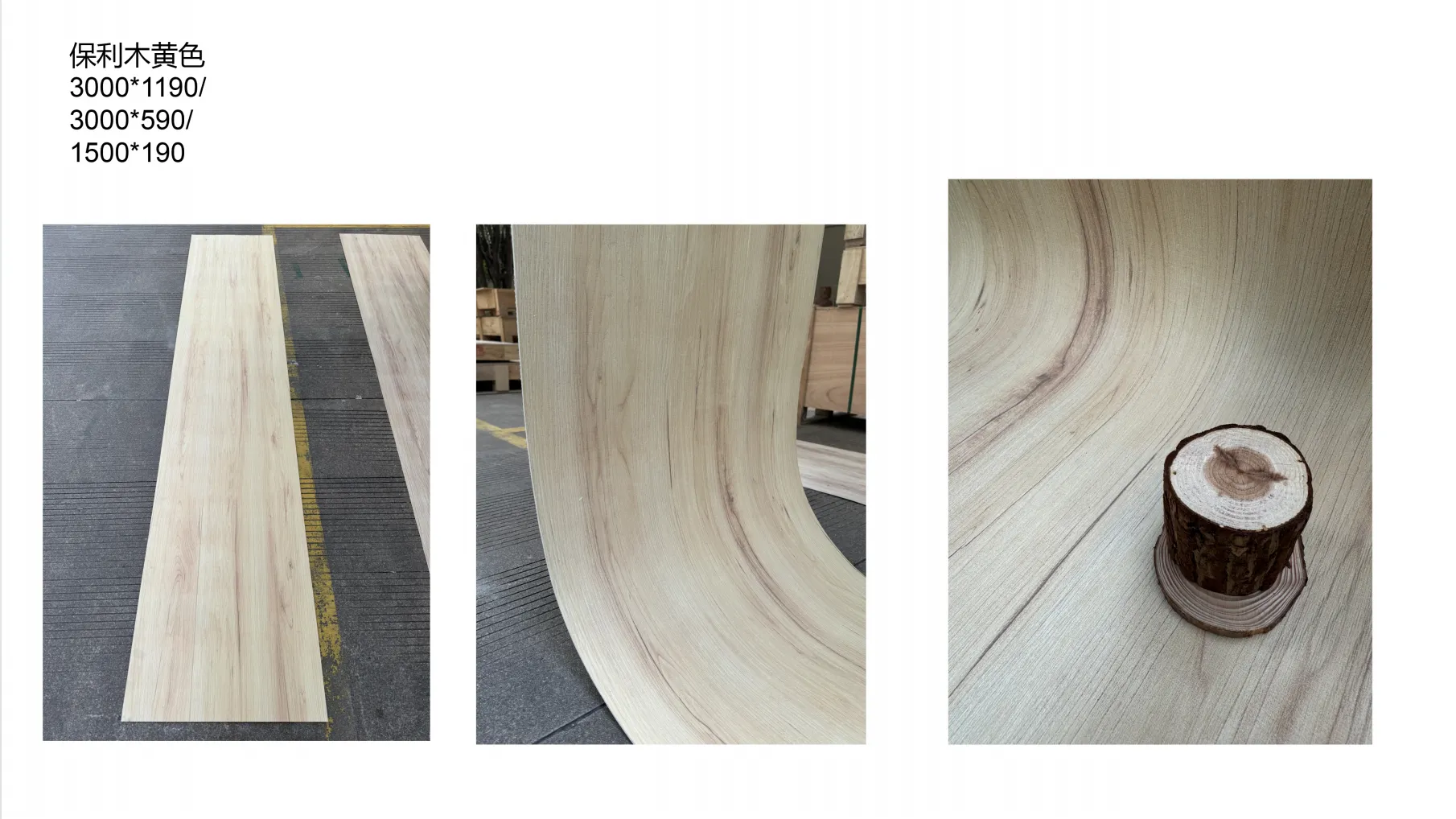
First things first: Let's demystify poly wood board. Despite the name, it's not your average piece of lumber. Poly wood is an engineered composite material made by blending recycled wood fibers, high-density polymers, and eco-friendly binders. The result? A material that looks and feels like real wood but comes with a host of superpowers—durability, resistance to moisture and pests, and, as we'll explore, impressive acoustic properties. Think of it as wood's smarter, more versatile cousin: it retains the warm, natural aesthetic we love about wood (you can even find options with a wood grain board finish for that classic look) but is designed to perform in ways traditional wood can't.
One of the key things that sets poly wood apart is its structure. Unlike solid wood, which is dense and prone to transmitting sound, poly wood has a unique cellular makeup. Those tiny air pockets and layered fibers work together to do more than just look good—they're the secret to its soundproofing magic. And because it's engineered, manufacturers can tweak its density and porosity to optimize for specific acoustic needs, making it adaptable for everything from residential walls to commercial auditoriums.
To understand why poly wood board is a rockstar at soundproofing, let's get back to basics: How does sound travel? Sound moves in waves—think of them as invisible ripples that bounce off hard surfaces and pass through soft ones. When these waves hit a material, three things can happen: they're reflected (like an echo off a tile wall), transmitted (passing through the material, like noise through a thin drywall), or absorbed (the material soaks up the energy of the wave, reducing how much sound escapes). The best soundproofing materials do two things well: absorb sound waves to minimize echoes and block transmission to keep noise from entering or exiting a space.
Poly wood board nails both. Let's break it down: Its composite structure—wood fibers suspended in a polymer matrix—creates a dense yet porous material. The density helps block airborne sound (like voices or music) from passing through, while the tiny pores and fibers absorb the energy of sound waves, preventing them from bouncing around a room. This dual action is why poly wood often scores high on acoustic ratings like the Noise Reduction Coefficient (NRC) and Sound Transmission Class (STC). For context, NRC measures how well a material absorbs sound (on a scale of 0 to 1, with 1 being perfect absorption), while STC rates how well it blocks sound transmission (higher numbers mean better blocking—think 40+ for a quiet room).
Compare that to, say, fair-faced concrete —a popular industrial-chic material. Concrete is dense, so it blocks sound well, but it's also hard and non-porous, meaning it reflects sound instead of absorbing it. Walk into a room with bare concrete walls, and you'll notice how echoes bounce around—that's poor absorption. Poly wood, on the other hand, balances density and porosity, making it ideal for both blocking and absorbing sound.
Okay, so poly wood board blocks and absorbs sound. But what does that mean for your daily life? Let's count the ways:
Whether you're on a Zoom call in your home office or hosting a family movie night, privacy matters. Poly wood board reduces sound transmission between rooms, so you won't have to worry about your conversation being overheard—or overhearing someone else's. Imagine installing poly wood panels in your bedroom walls: suddenly, the sound of your partner's late-night gaming session stays in the living room, and your early-morning yoga flow doesn't wake the kids. It's about creating boundaries, even in open-concept homes.
Chronic noise isn't just annoying—it's stressful. Studies show that constant background noise can raise cortisol levels, disrupt sleep, and even affect focus. Poly wood's sound absorption cuts down on that ambient chaos. In a living room with poly wood accent walls, the clatter of dishes or the buzz of a TV feels softer, more contained. In a bedroom, street noise or a snoring partner becomes a distant hum instead of a nightly disturbance. It's the difference between feeling on edge and feeling at ease in your own home.
If you work from home, you know how hard it is to stay focused when every sound competes for your attention. Poly wood board creates a quieter workspace by absorbing echoes and reducing external noise. That means fewer distractions from traffic, neighbors, or household chatter. Even in commercial settings—like open-plan offices or co-working spaces—poly wood panels on walls or ceilings can cut down on the "cafeteria effect" where multiple conversations blend into a overwhelming roar. Suddenly, you can hear yourself think again.
It's not just about blocking noise—it's about enhancing the sounds you want to hear. If you're a music lover or have a home theater, poly wood's sound absorption properties reduce echo and reverberation, making your speakers sound clearer. No more muddled dialogue or distorted bass; just crisp, immersive audio. It's like having a mini recording studio in your living room, minus the professional price tag.
Poly wood board isn't a one-trick pony—it works in almost any space where sound matters. Let's look at some common uses:
In homes, poly wood is a game-changer for bedrooms, home offices, media rooms, and even kitchens. For example, installing poly wood as a backsplash in the kitchen can reduce the clang of pots and pans from traveling to the living room. In a kid's room, it can muffle the sound of toys and laughter, giving parents a little peace. And because it comes in styles like wood grain board , it adds warmth to a space without sacrificing function—no more choosing between "looks good" and "works well."
Businesses are catching on, too. Restaurants use poly wood panels to create intimate dining areas by reducing noise between tables—so you can actually hear your date across the table instead of shouting over the crowd. Hotels install it in guest rooms to ensure a quiet stay, even in busy city locations. Schools and libraries use it to minimize noise in classrooms and study areas, helping students focus. Even gyms are getting in on the action: poly wood can absorb the echo of weights clanging and treadmills humming, making workouts less overwhelming.
Recording studios, podcast rooms, and art studios rely on poly wood for its acoustic precision. Its ability to absorb sound evenly makes it a favorite for professionals who need controlled audio environments. On construction sites, temporary poly wood barriers can reduce noise pollution for nearby neighborhoods—a win for both workers and residents.
You might be wondering: There are plenty of soundproofing materials out there—why choose poly wood? Let's put it head-to-head with some popular alternatives, including mcm flexible stone , fair-faced concrete , and wood grain board , to see how it stacks up.
| Material | Acoustic Rating (NRC/STC)* | Installation Ease | Durability | Aesthetic Options | Cost Range** |
|---|---|---|---|---|---|
| Poly Wood Board | NRC: 0.6–0.8; STC: 40–45 | Easy (can be cut/nailed like wood) | High (moisture/pest resistant) | Wood grain, solid colors, textures | Mid-range ($3–$6/sq ft) |
| MCM Flexible Stone | NRC: 0.3–0.5; STC: 35–38 | Very flexible (good for curves), but heavy | High (scratch/water resistant) | Natural stone looks, patterns | High ($8–$12/sq ft) |
| Fair-Faced Concrete | NRC: 0.1–0.3; STC: 45–50 | Requires professional installation | Very high (fire/weather resistant) | Industrial, minimalist | High ($10–$15/sq ft) |
| Wood Grain Board (Solid Wood) | NRC: 0.2–0.4; STC: 30–35 | Moderate (prone to warping) | Low (susceptible to moisture/pests) | Natural wood grains, stains | Mid to high ($5–$9/sq ft) |
*NRC (Noise Reduction Coefficient): 0 = no absorption, 1 = total absorption. STC (Sound Transmission Class): Higher = better at blocking sound. **Estimated costs, excluding installation.
The table tells the story: Poly wood board offers a sweet spot of acoustic performance, ease of installation, durability, and affordability. While fair-faced concrete has a higher STC rating (meaning it blocks sound well), it's expensive, hard to install, and reflects sound (low NRC), leading to echoey rooms. MCM flexible stone is beautiful and flexible but has lower acoustic absorption and a higher price tag. Solid wood grain board looks great but lacks the acoustic punch and durability of poly wood—plus, it's prone to warping in humid climates.
In short, poly wood doesn't force you to compromise. It's acoustic, affordable, easy to work with, and looks great—making it the Swiss Army knife of soundproofing materials.
Let's talk about the boring but important stuff: upkeep. No one wants to invest in a material that requires constant maintenance. The good news? Poly wood board is as low-maintenance as it gets. Unlike solid wood, it won't warp, crack, or rot when exposed to moisture—so it's safe for bathrooms, kitchens, or even outdoor covered spaces. It's also resistant to pests like termites, which means you won't be calling an exterminator anytime soon.
Cleaning it is a breeze: just wipe it down with a damp cloth and mild soap. No need for special cleaners or sealants. And because it's made from recycled materials, it's eco-friendly too—you're not only improving your space but doing your part for the planet. With proper installation, poly wood board can last 20+ years, making it a long-term investment in your comfort.
At the end of the day, soundproofing isn't just about blocking noise—it's about reclaiming your space. It's about turning a chaotic room into a calm one, a distracting office into a focused one, a loud restaurant into an intimate one. Poly wood board does all that and more, thanks to its unique blend of acoustic performance, durability, and style.
Whether you're building a new home, renovating a room, or just looking to upgrade your current space, poly wood stands out as a material that puts your comfort first. It's not just about sound—it's about creating spaces that feel like they're truly yours, where you can relax, work, and connect without the intrusion of unwanted noise. And when compared to alternatives like mcm flexible stone or fair-faced concrete , it offers a balance of performance and practicality that's hard to beat.
So the next time you find yourself frustrated by noise in your space, remember: there's a solution that doesn't require sacrificing style or breaking the bank. Poly wood board isn't just a building material—it's a ticket to quieter, happier living. And in a world that never seems to slow down, that's a benefit we could all use more of.
Recommend Products












