
Walk into any modern architectural studio, and you'll likely overhear a familiar conversation: "Can we hit LEED Platinum with this material?" or "Does this product help us score BREEAM Outstanding?" In an era where buildings account for nearly 40% of global carbon emissions, green building certifications like LEED (Leadership in Energy and Environmental Design) and BREEAM (Building Research Establishment Environmental Assessment Method) have become more than just badges—they're a promise to future generations. Today, we're diving into one material that's quietly revolutionizing how architects and builders keep that promise: Poly Wood Board. More than just a pretty face with its warm, wood-like texture, this innovative composite is a workhorse for sustainability, aligning seamlessly with the strict criteria of LEED and BREEAM. Let's explore why it's becoming the go-to choice for projects that refuse to compromise on aesthetics or the planet.
Before we unpack Poly Wood Board, let's ground ourselves in why these certifications exist. LEED, developed by the U.S. Green Building Council, and BREEAM, Europe's oldest and most widely used green building standard, aren't just checklists. They're frameworks that push the industry toward smarter, healthier, and more resource-efficient construction. A LEED-certified building, for example, typically uses 25% less energy and 11% less water than conventional structures, while BREEAM-certified projects often report 30% lower carbon footprints. For clients, developers, and communities, this translates to lower utility bills, healthier indoor spaces, and a tangible contribution to combating climate change. But here's the catch: earning these certifications isn't easy. Materials play a starring role, and that's where Poly Wood Board steps into the spotlight.
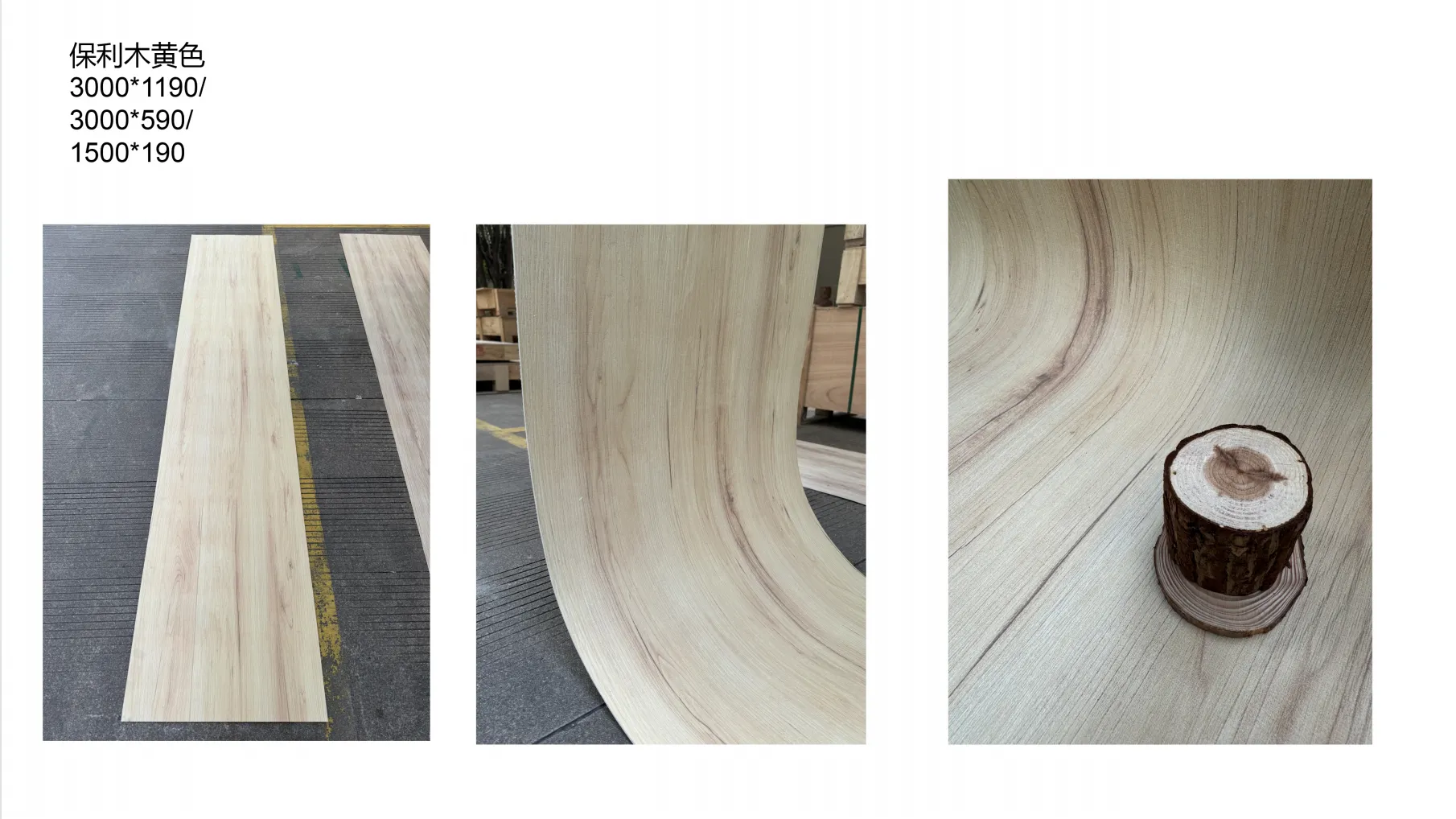
So, what exactly is Poly Wood Board? Imagine the best of both worlds: the timeless beauty of wood, minus the maintenance headaches and environmental toll. Made from a blend of recycled wood fibers (often from post-industrial waste like sawdust and timber offcuts) and high-performance polymers, it's engineered to mimic the look and feel of natural wood—think rich grains, warm tones, and that inviting "organic" texture—without the warping, rotting, or termite damage. Unlike traditional hardwoods, which often require clear-cutting old-growth forests, Poly Wood Board keeps waste out of landfills and reduces reliance on virgin resources. It's a poster child for circular economy principles, and that's just the start of its sustainability story.
Let's talk durability. A typical wooden deck might need refinishing every 2–3 years; Poly Wood Board? It stands up to rain, sun, and snow with zero painting, staining, or sealing. This longevity isn't just convenient for homeowners—it's eco-friendly, too. Fewer replacements mean less material consumption over time, and less waste ending up in dumps. And when it does reach the end of its life? Many Poly Wood Board products are recyclable, closing the loop even further. It's no wonder it's categorized under green building materials —a term that's become a gold standard for responsible construction.
LEED certification is all about points, and Poly Wood Board is a point-earning machine. Let's break down how it aligns with key LEED categories:
LEED's MR category rewards projects that prioritize sustainable material sourcing, and Poly Wood Board shines here. Most variants contain 30–50% recycled content (those wood fibers we mentioned earlier), which directly contributes to MR Credit 4: Recycled Content. For example, a 10,000 sq ft project using Poly Wood Board with 40% recycled content could earn up to 2 LEED points—no small feat when every point counts toward certification. Compare that to solid wood, which often has minimal recycled content, or even fair-faced concrete , a durable alternative but one that relies heavily on virgin aggregates. Poly Wood Board turns waste into wealth, and LEED notices.
LEED doesn't just care about the planet—it cares about the people inside the building, too. IEQ Credit 4 focuses on low-emitting materials, and Poly Wood Board delivers here, too. Unlike some composite woods that off-gas harmful VOCs (volatile organic compounds), high-quality Poly Wood Board is formulated to meet strict emissions standards, like GREENGUARD Gold. This means better indoor air quality, fewer allergies, and a healthier space for occupants. For schools, hospitals, or offices—where people spend 90% of their time—this isn't just a "nice-to-have"; it's a necessity.
For projects aiming for top-tier LEED certification (Gold or Platinum), the Innovation in Design category offers bonus points for creative sustainability solutions. Poly Wood Board's versatility makes it a shoe-in here. Imagine using it for wall cladding, ceiling panels, or even furniture—all while maintaining a cohesive, nature-inspired aesthetic. Pair it with wood grain board , another sustainable option with authentic timber texture, and you've got a design that feels organic but skips the environmental cost of logging. LEED loves this kind of innovation, often awarding 1–2 extra points for such forward-thinking material strategies.
Across the Atlantic, BREEAM takes a holistic approach to sustainability, scoring projects on 10 categories, from Energy to Ecology. Poly Wood Board aligns with several, but let's focus on the standouts:
BREEAM's Materials category is all about minimizing environmental harm throughout a product's lifecycle. Poly Wood Board's recycled content, low embodied carbon (thanks to less energy-intensive production than solid wood), and recyclability tick multiple boxes here. BREEAM assesses "sustainable sourcing" through labels like FSC (Forest Stewardship Council), but since Poly Wood Board uses recycled wood (not virgin timber), it avoids the need for FSC certification altogether—no deforestation, no habitat disruption. This often earns projects a "Very Good" or "Excellent" rating in the Materials category, a critical step toward BREEAM's top tiers.
BREEAM's Health and Wellbeing category prioritizes indoor air quality, and here's where Poly Wood Board outshines many alternatives. Unlike some wood treatments that use toxic chemicals (think pressure-treated lumber with arsenic), Poly Wood Board is free from harmful additives. Its low-VOC emissions mean it doesn't contribute to "sick building syndrome," a common issue in spaces with poor air quality. For healthcare facilities or schools, this isn't just a BREEAM bonus—it's a moral imperative.
Curious how Poly Wood Board measures against other popular materials in terms of LEED/BREEAM alignment? Let's take a look:
| Material | LEED Points Potential | BREEAM Rating Impact | Sustainability Edge |
|---|---|---|---|
| Poly Wood Board | 2–4 points (MR, IEQ, ID) | "Very Good" to "Excellent" (Materials, Health) | High recycled content, low maintenance, recyclable |
| Solid Hardwood | 1–2 points (if FSC-certified) | "Pass" to "Good" (depends on sourcing) | Renewable but high embodied carbon; requires frequent replacement |
| Fair-Faced Concrete | 1–2 points (recycled aggregates possible) | "Good" (durability, but high embodied carbon) | Durable but energy-intensive to produce |
| Foamed Aluminium Alloy Board | 1 point (recycled content) | "Good" (recyclability) | Lightweight but limited aesthetic versatility |
The takeaway? Poly Wood Board isn't just competitive—it's often the best choice for projects chasing LEED or BREEAM certification. It balances sustainability, performance, and beauty in a way few materials can.
To truly understand Poly Wood Board's impact, let's hear from someone who's put it to the test. Meet Raj Patel, a builder with 15 years of experience, who used Poly Wood Board in a recent LEED Gold-targeted residential complex in Portland, Oregon.
"Clients wanted the warmth of wood for their outdoor decks and indoor accent walls, but they also wanted LEED Gold. Traditional wood would've meant sacrificing either the look or the certification—until we found Poly Wood Board. We used it for 8,000 sq ft of decking and 5,000 sq ft of wall cladding, paired with wood grain board for a cohesive look. The recycled content alone helped us hit MR Credit 4, and the low VOCs were a no-brainer for IEQ. Best part? Six months later, the decks still look brand-new—no splinters, no fading. One client even said, 'It feels like a cabin in the woods, but I don't have to worry about termites.' That's the sweet spot: sustainability that doesn't feel like a compromise."
Raj's experience isn't unique. Across the globe, builders are discovering that Poly Wood Board doesn't just help meet certification goals—it sells projects. Homebuyers and commercial tenants increasingly prioritize sustainability, and a LEED or BREEAM certification, backed by materials like Poly Wood Board, can be a major differentiator in a crowded market.
As LEED and BREEAM evolve—with stricter criteria for embodied carbon and circularity—materials like Poly Wood Board are evolving, too. Manufacturers are experimenting with higher recycled content (some now hitting 60%) and bio-based polymers, further reducing environmental impact. We're also seeing more design flexibility: think Poly Wood Board panels that mimic rare woods like teak or mahogany, allowing architects to recreate luxury aesthetics without depleting endangered species.
And it's not just about LEED and BREEAM anymore. Emerging certifications like WELL (focused on human health) and Living Building Challenge (the "gold standard" of sustainability) are also taking notice. Poly Wood Board's low-VOC emissions and durability make it a strong candidate here, too. The message is clear: the future of building is green, and Poly Wood Board is leading the charge.
In the end, Poly Wood Board is more than a material—it's a mindset. It's proof that we don't have to choose between a building that looks good and one that does good. Whether you're chasing LEED, BREEAM, or simply trying to build better, it's a reminder that sustainability and beauty can coexist. So the next time you're in that architectural studio, overhearing that conversation about certifications, join in with confidence: "Poly Wood Board? It doesn't just help us hit the mark—it raises it."
Recommend Products












