
It starts with a faint, hollow sound when you tap the baseboard. Then a tiny pile of sawdust in the corner of the closet. By the time you spot the first winged termite, panic sets in—because you know what's coming next. For Mark and Lisa, a young couple in Portland, that panic turned into a $12,000 disaster last year. "We'd saved for years to buy our first home," Lisa recalls, her voice still tight with frustration. "Six months in, the inspector found termites had eaten through the floor joists. We had to gut the kitchen, replace the flooring, and fumigate the entire house. I cried when I saw our wedding photos stacked in the garage, covered in plastic, while strangers in hazmat suits walked through our living room."
Termites, carpenter ants, wood-boring beetles—these tiny invaders don't just damage homes; they erode peace of mind. In the U.S. alone, termites cause over $5 billion in property damage annually, and most insurance policies won't cover the cost. For homeowners who love the warmth of wood accents—whether on decks, siding, or interior paneling—the threat of pests feels like a cruel trade-off: choose beauty, and risk destruction. But what if there was a way to have the best of both worlds? A material that looks and feels like wood, but makes termites turn up their tiny noses and fly away?
Enter poly wood board—a modern solution that's changing the game for homeowners, builders, and designers alike. And it's not alone. Innovations like wood grain board and wood concrete board are joining the fight, offering pest resistance without sacrificing style. Let's dive into why these materials are becoming the new standard for anyone who wants to build (or rebuild) without the shadow of insects looming overhead.
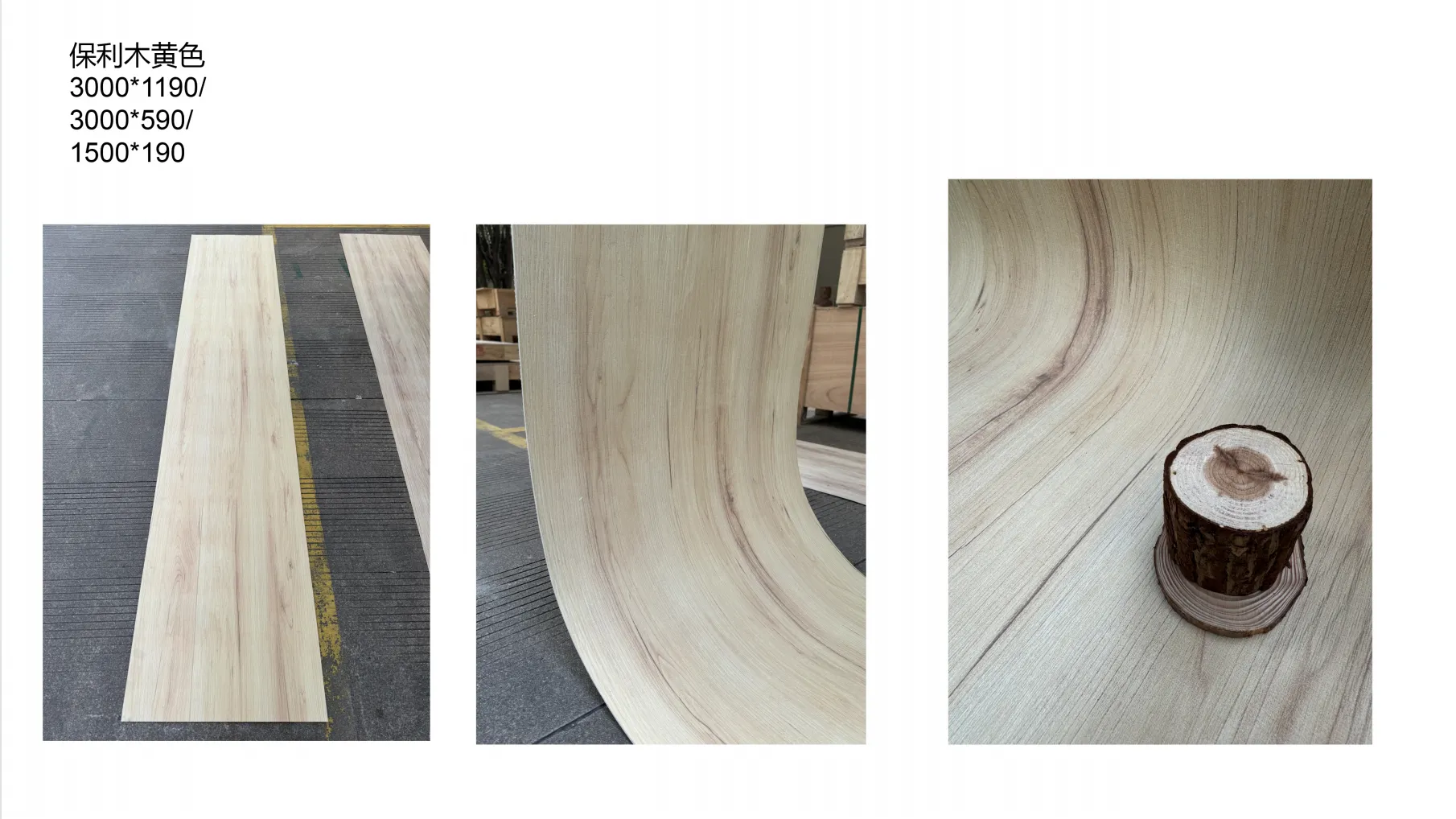
If you're picturing a cheap, plastic-y imitation of wood, think again. Poly wood board—short for "polyethylene wood board"—is a high-tech composite that blends recycled plastic (usually from milk jugs and detergent bottles) with wood fibers, then heats and compresses the mixture into durable planks. The result? A material that has the rich texture, warm color, and natural grain of real wood, but with a superpower: pests want nothing to do with it.
"It's like if wood and plastic had a baby that inherited all the best traits," jokes Ryan Carter, a sustainable builder in Colorado who specializes in eco-friendly homes. "Real wood is organic—it's full of cellulose, the sugar that termites and beetles crave. Poly wood? It's mostly plastic, with just enough wood fiber to look authentic. Those bugs can't digest it. They'll chew on it once, realize it's not food, and move on. I've installed poly wood decks that are 15 years old, and they still look brand new—no signs of insect damage, no rotting, no warping."
But poly wood isn't just about pest resistance. Unlike real wood, it doesn't absorb moisture, which means it won't swell, crack, or split in rain or humidity—another perk that makes it unappealing to bugs (many wood pests thrive in damp environments). It's also fade-resistant, so that honey-brown deck won't turn gray after a single summer, and it doesn't need staining, sealing, or painting. For busy homeowners, that translates to more weekends relaxing on the deck and less time sanding or applying chemicals.
To understand why poly wood board is a pest's worst enemy, let's get inside the mind (or, more accurately, the digestive system) of a termite. Termites survive on cellulose, the organic compound found in plant cell walls—and real wood is packed with it. Worker termites chew through wood, digest the cellulose with help from bacteria in their guts, and feed the colony. It's a perfectly efficient system… until they encounter poly wood.
"Poly wood has cellulose, but it's locked inside a matrix of plastic," explains Dr. Elena Marquez, an entomologist who studies wood-destroying pests at the University of Florida. "The plastic acts like a shield. Termites can't break it down, so even if they take a bite, they can't extract nutrients. It's like trying to eat a candy bar wrapped in steel foil—you might get a tiny taste, but you'll quickly give up and look for something easier."
Moisture is another key factor. Carpenter ants, for example, don't eat wood—they carve out nests in damp, decaying wood to raise their young. Real wood, especially when exposed to rain or humidity, soaks up moisture like a sponge, creating the perfect home for these pests. Poly wood, on the other hand, is hydrophobic—it repels water. "I installed a poly wood deck for a client in Seattle, where it rains 150 days a year," Ryan says. "Three years later, we did a check-up. The boards were dry as a bone underneath. No mold, no mildew, and not a single ant trail in sight."
"We used to treat our wooden deck with insecticide every spring. Now? I forget it's even there." — Mike, homeowner in Atlanta
Poly wood board is a rockstar, but it's not the only player in the pest-resistant game. Two other materials are gaining traction for their ability to mimic wood's beauty while keeping insects at bay: wood grain board and wood concrete board. Let's break down what makes each unique.
Wood grain board takes "imitation" to an art form. Made from high-density fiberboard (HDF) or medium-density fiberboard (MDF) coated with a photorealistic wood-look veneer, it's designed to fool the eye—right down to the knots, swirls, and color variations of oak, maple, or cedar. But here's the twist: unlike real wood, it's treated with resins and chemicals that repel pests, and its dense structure makes it nearly impossible for insects to chew through.
"I used wood grain board for the accent wall in my home office," says interior designer Maya Chen. "My clients often worry that fake wood will look cheap, but this stuff? You have to run your hand over it to tell it's not real. And when I mention it's termite-proof, they're sold. One client had just gone through a termite infestation and kept touching the board, saying, 'It feels like wood… but it won't betray me.'"
Wood grain board shines in interior applications—cabinet doors, wainscoting, furniture—and it's surprisingly versatile. It can be painted, cut, or routed just like real wood, but without the risk of splinters or warping. For renters or homeowners on a budget, it's a affordable way to add wood accents without the long-term pest risk.
If poly wood is the sleek, modern option, wood concrete board is the rugged workhorse. As the name suggests, it blends wood fibers with concrete, creating a material that's as tough as stone but has the warm, organic texture of wood. Think of it as concrete with a soul.
"We used wood concrete board for the exterior siding of a mountain lodge in Colorado last winter," says builder Tom Reeves. "The client wanted a rustic look, but at 9,000 feet, the wood would have been destroyed by snow, ice, and woodpeckers. Wood concrete board? It laughs at woodpeckers. And termites? They'd need jackhammers to get through it."
The secret to its pest resistance is simple: concrete. Insects can't digest it, and its density leaves no room for nesting. But wood concrete board isn't just about strength—it's also eco-friendly. Many manufacturers use recycled wood fibers and low-carbon concrete, making it a sustainable choice for green builds. It's ideal for high-traffic areas like patios, outdoor kitchens, or commercial spaces where durability and pest resistance are non-negotiable.
| Feature | Poly Wood Board | Wood Grain Board | Wood Concrete Board |
|---|---|---|---|
| Pest Resistance | Excellent (no cellulose for termites; moisture-resistant) | Very Good (resin coating repels insects; dense structure) | Superior (concrete matrix blocks all pests) |
| Aesthetic Appeal | High (mimics real wood grain; available in natural tones) | Very High (photorealistic veneers; customizable finishes) | Unique (organic, textured look; blends wood and stone) |
| Durability | High (resists rot, fading, and warping; 20-30 year lifespan) | Moderate (best for indoor use; prone to water damage outdoors) | Extreme (weatherproof; fire-resistant; 50+ year lifespan) |
| Maintenance | Low (no staining or sealing; occasional soap and water cleaning) | Low (dust or wipe clean; avoid excessive moisture) | Very Low (hose off dirt; no special treatments needed) |
| Best For | Decks, outdoor furniture, siding | Interior walls, cabinets, furniture | Exterior siding, patios, commercial spaces |
Even the most pest-resistant materials need a little help to perform their best. Here's how to ensure your poly wood, wood grain, or wood concrete boards stay insect-free for decades:
Before installing any new material, inspect the area for existing pest activity. "If there are termites in the soil around your home, they'll still try to find food—even if your deck is poly wood," warns pest control expert James Wilson. "Treat the soil with a termiticide before building, and install a physical barrier like metal flashing between the ground and the boards. It's like putting a moat around a castle."
Insects love dark, damp spaces, so ensure proper ventilation between boards. For decks, leave a 1/4-inch gap between planks to allow water to drain. For siding, use furring strips to create an air gap between the board and the wall, preventing moisture buildup. "I once inspected a deck where the installer had butted the poly wood boards together," Ryan Carter says. "Water pooled between them, and while the boards didn't rot, mold grew, attracting carpenter ants. They weren't eating the boards, but they were nesting in the mold. Gaps matter."
Pests are attracted to debris, so sweep decks regularly to remove leaves and dirt. For wood grain board, wipe up spills immediately—while it's water-resistant, standing liquid can damage the veneer over time. Wood concrete board is nearly indestructible, but a yearly hose-down will keep it looking fresh. And avoid stacking firewood or mulch against the boards—both are termite magnets.
Pest resistance is the headline feature, but poly wood, wood grain, and wood concrete boards offer benefits that go far beyond keeping bugs away. For starters, they're eco-friendly. Poly wood board diverts millions of plastic bottles from landfills each year; wood concrete board uses recycled wood fibers; and wood grain board reduces demand for hardwoods, helping to protect forests. "I switched to poly wood for my business because I care about the planet," says deck builder Carlos Mendez. "But when clients see how long it lasts and that they'll never have to replace it due to termites? That's when they get excited about sustainability, too."
They also save money in the long run. A real wood deck might cost less upfront, but factor in staining every 2-3 years, repairs, and potential pest damage, and poly wood becomes the cheaper option over time. "Our poly wood deck cost $3,000 more than a cedar deck," says homeowner Mike from Atlanta, "but we haven't spent a dime on maintenance in five years. Meanwhile, our neighbor re-stains his cedar deck every summer and just found termites. I'd pay double the premium to avoid that stress."
And let's not forget the emotional value. "After the termite fiasco, I couldn't look at wood without panicking," Lisa admits. "Now, our poly wood deck is where we have family barbecues, where my kids chase fireflies, where we sit and watch the rain. It's not just a deck—it's a place where I don't worry. That peace? You can't put a price on it."
Mark and Lisa's story isn't just about termites. It's about the vulnerability we feel when something we love—our home—lets us down. Poly wood board, wood grain board, and wood concrete board aren't just building materials; they're tools for reclaiming that sense of security. They let us have the warmth of wood, the beauty of natural textures, and the confidence that our homes will stand strong—against pests, against time, against the chaos of life.
So the next time you're planning a renovation or building from scratch, ask yourself: Do I want a home that fights for me, or one that needs me to fight for it? With these innovative materials, the answer is clear. You can have the wood you love, without the pests you fear. And isn't that the dream? A home that feels like home—safe, warm, and unbreakable.
As Lisa puts it, "Our new poly wood deck doesn't just keep termites out. It keeps the worry out, too. And that? That's the best investment we ever made."
Recommend Products












