
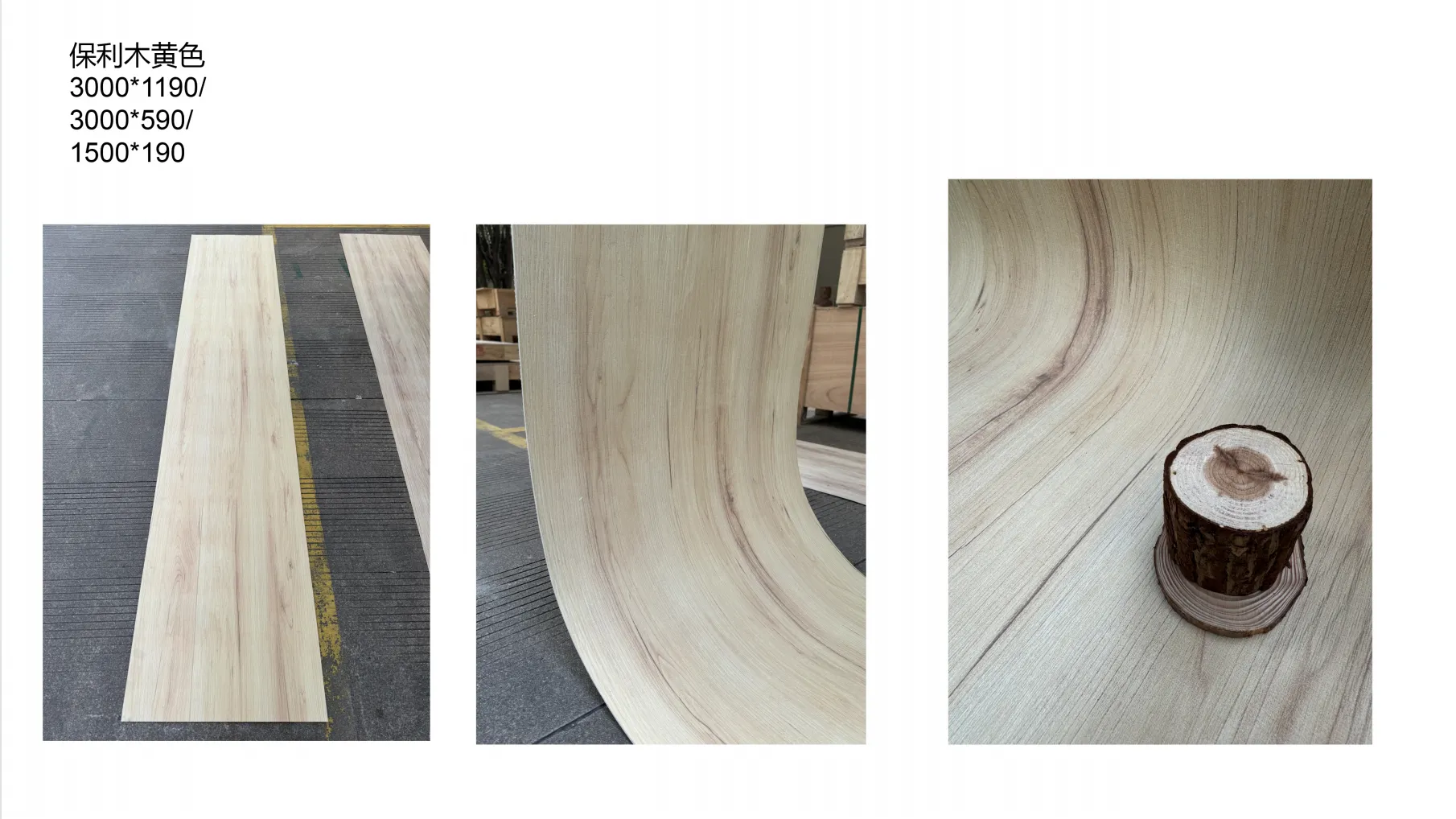
Picture this: You've spent months designing your dream outdoor space. The deck glows with warm, natural tones, the patio furniture complements the landscaping, and every detail feels just right. Then summer hits. Week after week of bright sun, and suddenly, that once-vibrant deck starts looking dull. The furniture cushions fade from deep blues to washed-out grays, and the wood grain on your planter boxes loses its rich contrast. Sound familiar? For anyone who's invested in outdoor living, sunlight's silent—UV fading—is a frustrating reality. But what if there was a material that could stand up to the sun's harshest rays, keeping your space looking fresh year after year? Enter poly wood board—a modern solution that's changing the game for outdoor design.
Before we dive into how poly wood fights fading, let's get clear on what it is. Poly wood (short for "polyethylene wood") is an engineered material made from a blend of recycled plastics (think milk jugs, detergent bottles) and wood fibers. It's designed to mimic the look and feel of real wood—right down to the subtle knots and grains you'd find in a wood grain board—without the downsides of traditional lumber. Unlike solid wood, which is prone to warping, rotting, or splintering, poly wood is built to be tough. But one of its most impressive superpowers? Its ability to laugh in the face of UV radiation.
You might be thinking, "But isn't there already wood grain board that's supposed to be durable?" It's true—wood grain board (often made from pressed wood or MDF with a printed wood-look layer) can mimic aesthetics, but it's not engineered for outdoor use. Exposed to rain, snow, or direct sun, that thin top layer can peel or fade in a matter of months. Poly wood, on the other hand, is a single, solid material through and through. Its color and texture run deep, so even if the surface takes a beating, there's no "layer" to wear away.
Let's talk about the enemy here: ultraviolet (UV) radiation. Sunlight is made up of different wavelengths, and UV rays are the ones with enough energy to break down molecules. When these rays hit outdoor materials—wood, fabric, paint, even concrete—they damage the chemical bonds in pigments and polymers. Over time, this breakdown causes colors to fade, surfaces to become brittle, and once-vibrant finishes to turn dull. It's not just about looks, either. Fading can be a sign of deeper structural weakening, making materials more prone to cracks, splits, or decay.
Traditional wood, for example, relies on stains or paints to protect against UV rays. But even the best stains need reapplication every 1–3 years, and if you skip a season? The wood underneath starts to gray and degrade. Fair-faced concrete, another popular outdoor material, might seem tough, but its natural pigments can still fade when exposed to constant sun—especially lighter shades, which reflect less UV and absorb more damage. And let's not forget the environmental cost: re-staining or replacing faded materials means more chemicals, more waste, and more money spent over time.
So, what makes poly wood different? It all comes down to engineering. Unlike traditional materials that "wear" UV protection on the surface (like a coat of paint), poly wood has its defense built in from the start. Here's how it works:
During manufacturing, poly wood is mixed with UV stabilizers—special additives that absorb or scatter UV rays before they can damage the material's structure. These stabilizers are integrated into the polymer blend, not just applied as a topcoat. That means even if the surface gets scratched (and let's be real, outdoor spaces see their share of scratches), the UV protection runs deep. It's like having a suit of armor that's part of your skin, not just a jacket you can take off.
Poly wood's color isn't just painted on; it's mixed into the material itself. This "through-color" technology means there's no surface pigment to wear off. Even after years of sun exposure, the color remains consistent because the UV stabilizers are working to protect the entire piece, not just the top layer. Compare that to traditional wood, where the color is often just a thin stain on the surface—scratch it, and you'll see the raw wood underneath. With poly wood, what you see is what you get, year after year.
Don't just take our word for it. Poly wood undergoes rigorous testing to ensure it can stand up to real-world sunlight. Many manufacturers subject their products to accelerated weathering tests, where samples are exposed to intense UV light, heat, and moisture for thousands of hours—simulating years of outdoor exposure. The results? Minimal color change, no cracking, and no loss of structural integrity. In fact, most poly wood boards come with warranties of 10–25 years against fading, which tells you just how confident manufacturers are in their UV resistance.
Since poly wood is made from recycled plastics and wood fibers, it's already a champion for green building materials. But that eco-friendly core doesn't compromise its UV resistance. In fact, the recycled plastics used in poly wood are often more stable than virgin plastics, thanks to their processing history, making them naturally better at withstanding environmental stressors like UV rays. It's a win-win: you're reducing plastic waste and getting a material that lasts longer.
Still not sure if poly wood is right for your project? Let's put it head-to-head with two common outdoor materials: traditional wood and fair-faced concrete. The table below breaks down how they stack up when it comes to UV resistance, durability, and more:
| Feature | Poly Wood Board | Traditional Wood | Fair-Faced Concrete |
|---|---|---|---|
| UV Resistance | Excellent (built-in UV stabilizers; 10–25 year fade resistance warranty) | Poor to Moderate (relies on surface stains/paints; fades in 1–3 years without reapplication) | Moderate (natural pigments fade over time, especially lighter shades) |
| Durability | High (resists rot, mold, splintering, and warping; no cracking from freeze-thaw cycles) | Low to Moderate (prone to rot, insects, and warping; requires regular sealing) | High (strong, but can crack if not properly reinforced; surface can etch from rain/snow) |
| Maintenance | Low (soap and water cleaning; no sanding, staining, or painting) | High (annual staining/sealing; sanding to remove splinters; insect treatment) | Moderate (occasional sealing; pressure washing to remove dirt/grime) |
| Eco-Friendliness | High (made from recycled plastics/wood fibers; reduces deforestation and plastic waste) | Moderate (sustainable sourcing possible, but requires ongoing chemical treatments) | Low to Moderate (high carbon footprint in production; non-recyclable in most cases) |
| Cost (Long-Term) | Moderate upfront, low over time (no replacement or re-treatment costs) | Low upfront, high over time (regular maintenance and replacement every 10–15 years) | High upfront, moderate over time (occasional repairs; fading may require resurfacing) |
As the table shows, poly wood isn't just better at resisting UV fading—it's a more sustainable, low-maintenance, and cost-effective choice in the long run. It's the kind of material that lets you enjoy your outdoor space without constantly worrying about upkeep or replacement.
UV resistance is a star feature, but poly wood has plenty more to offer. Let's talk about the perks that make it a favorite for designers, homeowners, and businesses alike:
Sunlight isn't the only outdoor enemy—rain, snow, humidity, and even salt air can take a toll. Poly wood laughs off all of it. It doesn't absorb water, so it won't rot, swell, or crack in the rain. It stands up to freezing temperatures without splitting, and salt air (hello, coastal homes!) won't corrode it. Unlike wood, which can become a breeding ground for mold or mildew in damp climates, poly wood stays clean and dry. No more scrubbing mold off your deck or replacing water-damaged furniture legs.
Remember those weekends spent sanding and staining your old wooden deck? With poly wood, those days are over. A quick rinse with a hose and a wipe with soap and water is all it takes to keep it looking new. No sanding, no painting, no sealing. It's perfect for busy families, rental properties, or anyone who'd rather spend weekends relaxing than maintaining their outdoor space.
As a green building material, poly wood checks all the boxes. It's made from recycled plastics (up to 95% in some brands), which keeps millions of pounds of plastic out of landfills and oceans each year. It also reduces the demand for hardwood lumber, helping to protect forests. And since it lasts decades without needing replacement, it cuts down on waste. For businesses or homeowners aiming for LEED certification or sustainable building practices, poly wood is a no-brainer.
Who says durable can't be beautiful? Poly wood comes in a range of colors and finishes, from classic wood tones that mimic oak, cedar, or teak to bold hues like navy, gray, or even red. And because it's engineered, it can be shaped into virtually any design—slats for decks, planks for fencing, even custom furniture pieces. Whether you're going for a modern minimalist look or a cozy cottage vibe, poly wood fits right in. It's like having the aesthetic flexibility of wood grain board with the strength of industrial materials.
Don't just take our word for it—let's look at how poly wood performs in real life. Take the case of a beachfront restaurant in Florida, where outdoor seating is exposed to relentless sun, salt air, and rain. Before switching to poly wood, the restaurant replaced its wooden tables every 2–3 years due to fading, rot, and warping. Now, with poly wood furniture, they've gone 7 years and counting with zero fading and minimal maintenance. "We used to spend thousands on replacements and staining," says the owner. "Now, we just hose them down at the end of the day, and they look as good as the day we bought them."
Or consider a family in Colorado with a mountain cabin. Their poly wood deck has survived harsh winters (sub-zero temps, heavy snow) and hot summers (intense UV at high altitude) for over a decade. "We were worried about how it would hold up in the snow," says the homeowner, "but it never warped or cracked. And the color? Still the same warm brown we chose 10 years ago. No graying, no fading—just consistent, beautiful decking."
Even commercial spaces are catching on. Theme parks, which see thousands of visitors daily, are using poly wood for benches and walkways because it stands up to heavy foot traffic, sun, and spills without fading or showing wear. It's a material that's built for the chaos of real life—so you can focus on enjoying your space, not fixing it.
Poly wood is low-maintenance, but a little care goes a long way in keeping it looking its best. Here are some simple tips:
As we all strive to build spaces that are both beautiful and sustainable, poly wood board stands out as a material that aligns with our values. It's a solution that says, "I care about how my space looks, how long it lasts, and how it impacts the planet." In a world where "fast fashion" and disposable products dominate, poly wood is a reminder that durability and sustainability can go hand in hand.
Whether you're building a new deck, upgrading your patio furniture, or designing a commercial space, choosing poly wood means investing in a material that won't fade, won't fail, and won't let you down—even after years of sun, rain, and snow. It's more than just a building material; it's a promise of outdoor spaces that stay vibrant, functional, and beautiful for decades to come.
Fading outdoor materials don't have to be a fact of life. With poly wood board, you can have the best of both worlds: the natural look you love, and the long-lasting durability you need. It's a material that works as hard as you do, so you can spend less time maintaining your space and more time enjoying it. So, the next time you're planning an outdoor project, ask yourself: Why settle for something that fades when you can have something that lasts? Poly wood isn't just a choice—it's an investment in years of sunshine, laughter, and memories, all without the worry of watching your hard work fade away.
Recommend Products












