
Walk into any space that feels truly "right"—a sunlit kitchen that makes morning coffee taste better, a cozy bookstore where you lose track of time, a sleek office that sparks creativity—and you'll notice something subtle but powerful at work: the materials. They don't just fill the room; they set the mood. Wood, in particular, has always held this magic. It's warm, it's organic, it feels alive. But what if we could take that natural charm and give it a modern upgrade? Enter Poly Wood Board—a material that marries the best of wood's warmth with the durability and versatility of contemporary engineering. And today, we're diving into its most expressive feature: color. Because when it comes to architecture, color isn't just a detail; it's the storyteller.
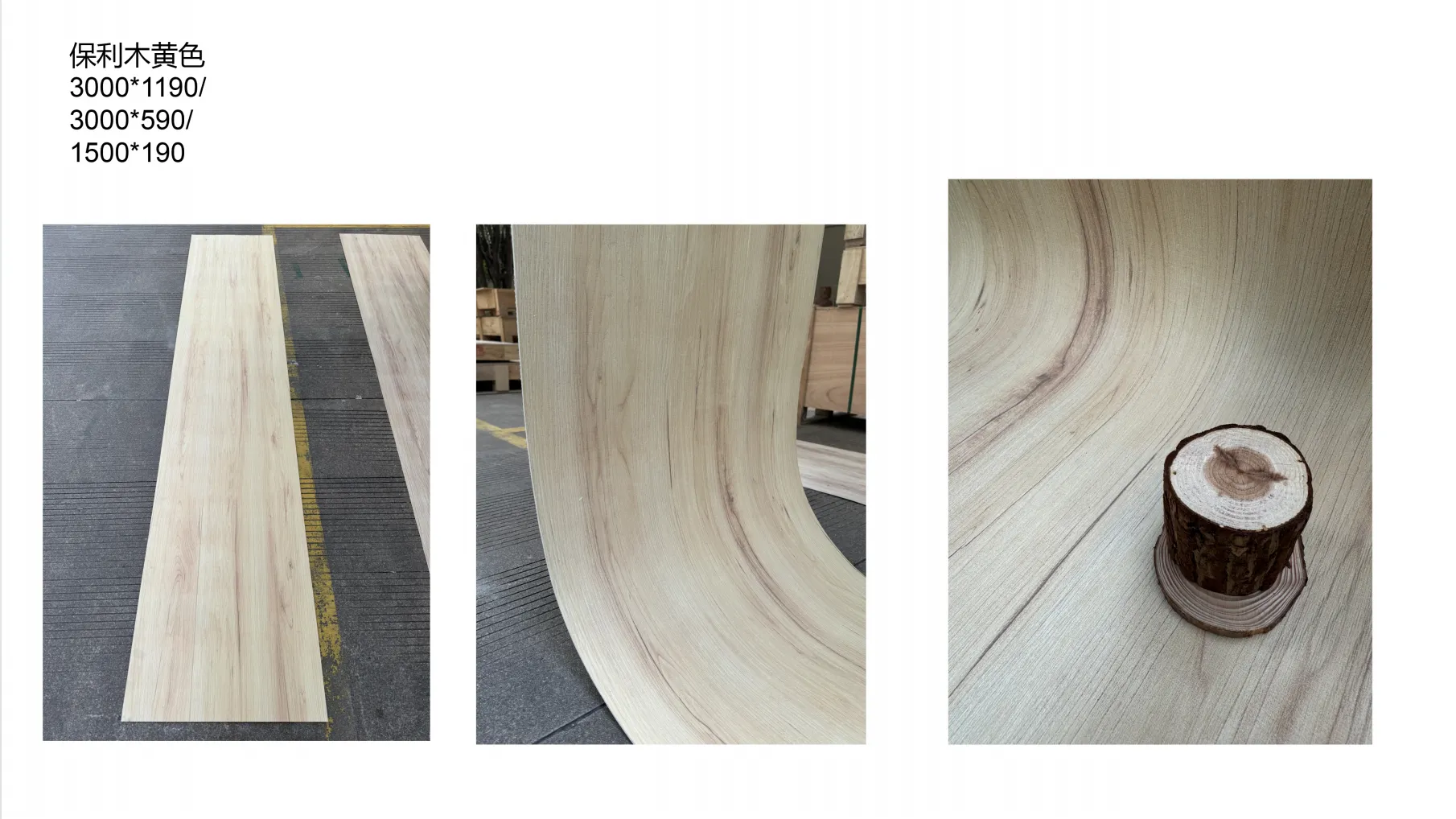
Before we talk color, let's get to know the star of the show. Poly Wood Board isn't your average lumber. It's a composite material, crafted by blending wood fibers with recycled polymers, resulting in a product that's tough enough for exteriors, gentle enough for interiors, and kind to the planet (hello, sustainability win). What really sets it apart, though, is its texture and finish. Unlike solid wood, which can warp or fade, Poly Wood Board holds its shape and color through rain, sun, and time. And that color? It's not just painted on. It's infused into the material, so the grain patterns—soft, natural, never over-the-top—shine through, making every panel feel like a piece of nature that's been gently refined for modern life.
But why does this matter for architecture? Because in a world of cold concrete and stark steel, Poly Wood Board brings balance. It adds warmth without feeling outdated, texture without clutter. And its color palette? It's designed to speak to every style, from the clean lines of Scandinavian minimalism to the cozy chaos of rustic cabins, from the sharp edges of industrial lofts to the timeless elegance of Mediterranean villas. Let's unpack that palette.
Poly Wood Board's colors aren't random—they're a love letter to the natural world, reimagined for how we live now. Think of it as a spectrum that starts with the softest neutrals and moves through earthy hues, warm tones, and even subtle modern twists. Each shade has a personality, and each personality pairs best with certain architectural styles. Let's break them down.
Neutrals get a bad rap for being "boring," but in design, they're the unsung heroes. They're the canvas that lets other elements—art, furniture, light—shine. Poly Wood Board's neutral lineup includes shades like Creamy Beige , Soft Gray , and Warm White , and they're anything but plain.
Creamy Beige is like sunlight filtered through linen curtains. It's soft, not stark, with a hint of warmth that keeps spaces from feeling cold. This shade is a chameleon: in a Scandinavian home, paired with white walls and black accents, it adds just enough texture to keep the room from feeling sterile. In a coastal cottage, it mirrors the sand and sea, making the space feel open and breezy. Even in a modern office, Creamy Beige Poly Wood Board on accent walls softens the harshness of metal desks and fluorescent lights, turning a workspace into a place people actually want to be.
Soft Gray is cooler but never clinical. It has a subtle green undertone (think fog over a forest) that grounds it in nature. This shade loves modern and industrial styles. Imagine a loft apartment with exposed brick walls and large windows—Soft Gray Poly Wood Board on the ceiling would add warmth without competing with the raw, urban energy of the space. Or a minimalist home exterior: paired with black window frames and a green roof, it feels contemporary but not cold, like a nod to the city while still honoring the outdoors.
Why do these neutrals work so well? Because they play with light. In rooms with lots of natural light, they glow; in dimmer spaces, they reflect what little light there is, keeping the area from feeling cramped. They're the "yes, and" of design—they work with whatever you throw at them.
If neutrals are the canvas, earthy tones are the paint that adds depth. These are the colors of soil, stone, and weathered wood—shades like Terracotta Clay , Olive Green , and Sandstone . They're grounding, making spaces feel connected to the earth.
Terracotta Clay is a standout here. It's rich but not overpowering, with hints of red and orange that evoke sunbaked adobe and Mediterranean villages. This shade is made for rustic and bohemian styles. Picture a backyard patio with Terracotta Clay Poly Wood Board cladding on the outdoor kitchen walls, paired with terracotta tile floors and string lights—it's like bringing a slice of Tuscany to your own backyard. Indoors, in a bohemian living room with macramé hangers and vintage rugs, it adds warmth that makes the space feel lived-in, not staged.
Sandstone , on the other hand, is softer—more like the color of desert dunes at dawn. It pairs beautifully with coastal and southwestern architectural styles. In a beach house, Sandstone Poly Wood Board on the exterior siding would blend with the sand and sky, making the home feel like it's always been part of the landscape. In a southwestern adobe home, it complements the warm brick and cactus gardens, creating a cohesive, sun-soaked vibe.
What's special about earthy tones? They age well. Like a favorite leather jacket, they get better with time, developing a patina that feels authentic. They don't demand attention—they invite it, making spaces feel cozy and safe, like a hug you can live in.
Warm tones are the extroverts of the color world—they radiate energy and comfort. Poly Wood Board's warm shades include Warm Honey , Chestnut Brown , and Amber Glow , and they're all about making spaces feel like home.
Warm Honey is like a cup of tea on a cold day—golden, inviting, and full of warmth. This shade is a match made in heaven for rustic and cottage styles. Imagine a cabin in the woods: Warm Honey Poly Wood Board on the walls, paired with a stone fireplace and plaid sofas. It's not just a room; it's a retreat, where every corner feels like it's been waiting for you. Even in a suburban home, Warm Honey on the ceiling beams adds character to a plain living room, turning it into a space where family movie nights feel extra special.
Chestnut Brown is deeper, richer, with hints of red that make it feel luxurious without being flashy. This shade leans traditional, making it perfect for Mediterranean or colonial-style homes. Picture a Spanish villa with Chestnut Brown Poly Wood Board on the exterior shutters, paired with terracotta roof tiles and lush greenery. It's timeless, elegant, and full of old-world charm. Indoors, in a dining room with a wooden table and wrought-iron chandelier, Chestnut Brown walls create a sense of intimacy, making every meal feel like a celebration.
Warm tones aren't just about color—they're about emotion. They make spaces feel lively but not chaotic, welcoming but not overwhelming. They're the reason some restaurants feel like a second home; the warm wood tones make you want to stay, to connect, to linger.
For those who love the warmth of wood but crave a more contemporary edge, Poly Wood Board offers subtle modern twists. Think shades like Charcoal Gray and Smoke Black —dark, moody, and full of drama.
Charcoal Gray is the rebel of the lineup. It's not black, not quite gray—just a deep, smoky hue that adds depth to any space. This shade is made for industrial and mid-century modern styles. In an industrial loft with exposed pipes and concrete floors, Charcoal Gray Poly Wood Board on the accent wall adds contrast without clashing. It's bold but balanced, making the space feel edgy but not harsh. In a mid-century modern home, paired with mustard yellow furniture and geometric rugs, it grounds the retro vibes, keeping the room from feeling like a time capsule.
Smoke Black is for the bold. It's a rich, inky shade with a soft sheen that catches the light, so it never feels flat. This is the shade for statement pieces: a fireplace surround in a modern living room, exterior cladding on a minimalist home, or even ceiling panels in a high-end restaurant. Smoke Black Poly Wood Board doesn't scream—it whispers sophistication, making any space feel intentional and cool.
These modern shades prove that wood doesn't have to be "country" or "rustic." It can be sleek, bold, and totally of-the-moment. They're for the homeowner who wants to honor tradition but isn't afraid to push boundaries.
With so many shades, how do you pick the right one? It starts with your architectural style—and a little bit of intuition. To make it easier, here's a breakdown of Poly Wood Board colors, their best style matches, and how to use them:
| Color Shade | Best Architectural Styles | Key Traits | Perfect For... |
|---|---|---|---|
| Creamy Beige | Scandinavian, Coastal, Modern Minimalist | Soft, light-reflective, versatile | Exterior siding, kitchen backsplashes, accent walls |
| Warm Honey | Rustic, Cottage, Cabin | Golden, inviting, cozy | Fireplace surrounds, ceiling beams, interior walls |
| Terracotta Clay | Bohemian, Southwestern, Mediterranean | Earthy, warm, sun-baked | Outdoor patios, accent walls, exterior shutters |
| Charcoal Gray | Industrial, Mid-Century Modern, Urban Loft | Bold, moody, edgy | Statement walls, exterior cladding, furniture panels |
| Soft Gray | Modern, Coastal, Contemporary | Cool, calm, sophisticated | Home offices, bedroom walls, exterior accents |
Color isn't just about style—it's about context. A shade that looks perfect in a sunlit beach house might feel dull in a north-facing apartment. Here are a few tips to help you pick the Poly Wood Board color that's right for your space:
Natural light changes everything. South-facing rooms get bright, warm light all day—they can handle deeper shades like Chestnut Brown or Charcoal Gray without feeling dark. North-facing rooms, which get cooler, softer light, benefit from warmer tones like Warm Honey or Creamy Beige to add coziness. East-facing spaces, with morning sun, pair well with earthy tones like Terracotta Clay, which glow in the soft morning light. West-facing rooms, with harsh afternoon sun, need calmer shades like Soft Gray to balance the intensity.
A bedroom should feel calm and restful—softer neutrals or warm beiges work best. A kitchen, where energy and activity live, can handle bolder shades like Warm Honey or even Charcoal Gray (paired with light countertops to keep it from feeling closed in). A home office needs to spark focus—Soft Gray or Creamy Beige keeps distractions low, while a hint of Terracotta Clay adds warmth without chaos.
Lighting, existing decor, and even the time of day can change how a color looks. Grab a sample of your chosen Poly Wood Board shade and tape it to the wall. Look at it in the morning, afternoon, and evening. See how it interacts with your furniture, your flooring, your art. You might be surprised—what looked perfect in the store might feel too bright or too dark in your space. Testing takes time, but it's worth it to avoid regret.
At the end of the day, choosing a Poly Wood Board color isn't just about matching a style—it's about telling your story. Are you drawn to the calm of neutrals because you value simplicity? Do you love warm honey tones because you crave connection and coziness? Does Charcoal Gray speak to you because you're bold and unafraid of the unconventional? Whatever your answer, Poly Wood Board's palette has a shade that will turn your space into a reflection of who you are.
Architecture is about more than function. It's about feeling. And in that feeling, color is everything. Poly Wood Board doesn't just add color to a space—it adds heart. It's nature's warmth, reimagined for modern life, and its shades? They're the words that turn houses into homes, offices into hubs, and buildings into stories. So choose wisely, but choose bravely. Your space is waiting to tell its story—and the right color is the first sentence.
Recommend Products












