
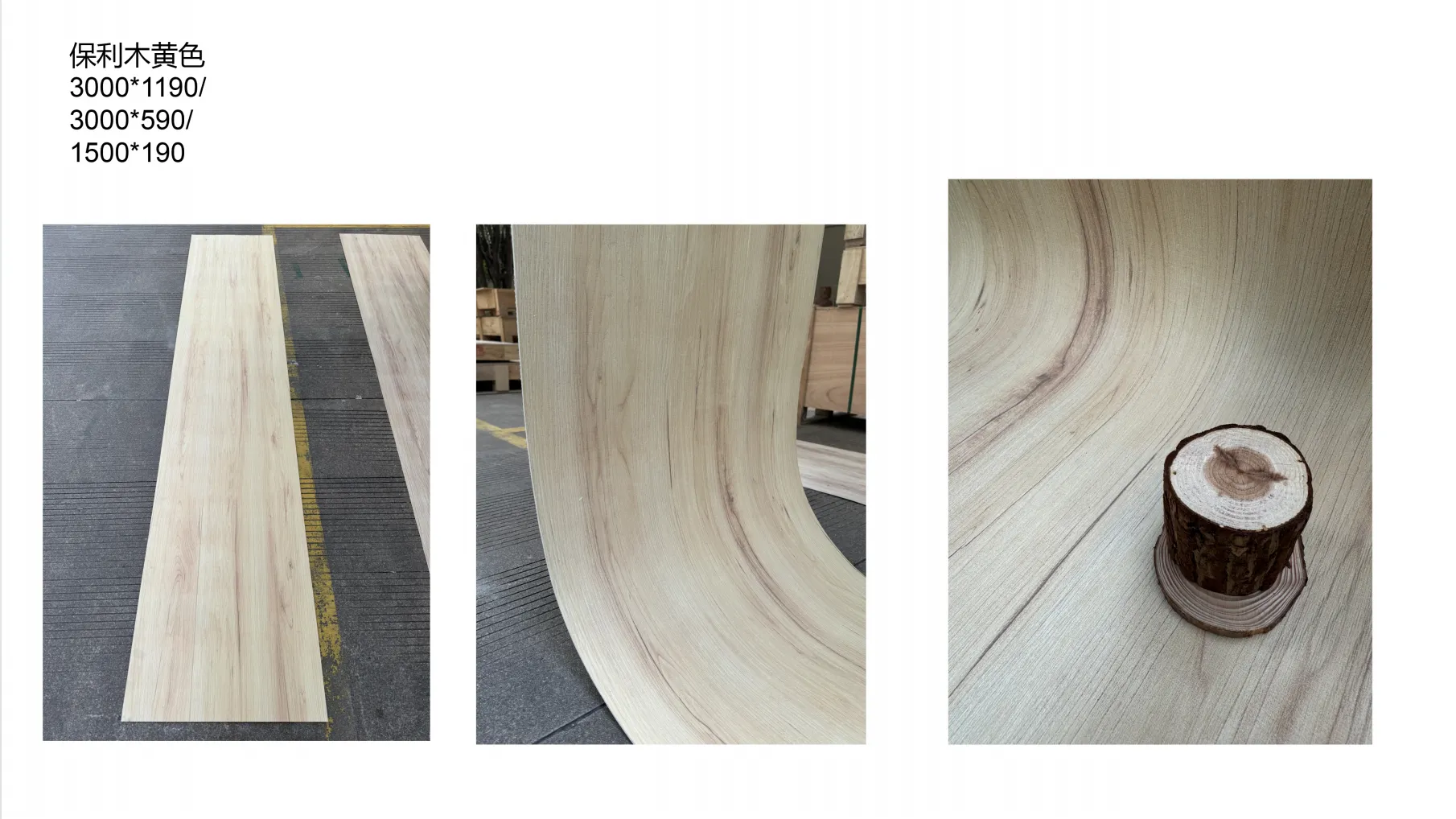
Choosing building materials is like picking a partner for your space—you want something that's not just attractive today, but stays loyal through the years. We've all been there: falling for a beautiful wooden deck that warps after two winters, or a trendy stone cladding that fades under the sun. The disappointment stings, and the cost of replacement? Even worse. That's why when COLORIA introduced their Poly Wood Board, a blend of wood's warmth and composite resilience, we wanted to put it to the test. Over five years, we tracked its performance in real-world conditions, snapped photos along the way, and discovered why it's becoming a designer favorite. Let's dive into the story.
Durability isn't just about how long a material lasts—it's about how it makes you feel. When you invest in a home or business space, you're not just buying square footage; you're creating memories. A patio where your kids learn to ride bikes, a café where friends gather—these spaces shouldn't age faster than the moments they hold. Yet, so many materials fail this emotional test. Natural wood grain board, for example, starts out stunning but quickly succumbs to rot, pests, and fading. Fair-faced concrete, while tough, can crack under stress and feels cold, lacking the warmth that makes a space inviting.
This is where COLORIA's MCM (Modified Composite Material) lineup shines, and Poly Wood Board is its star player. Designed to mimic the look of sawn wood—complete with subtle grain patterns and rich tones—it's built with a composite core that laughs off the elements. But does it live up to the hype? To find out, we partnered with a bed-and-breakfast in Vermont, where harsh winters, humid summers, and daily foot traffic would push it to the limit.
In 2018, the owners of "Maple Leaf Inn" decided to redo their outdoor terrace. Tired of replacing their pine deck every three years (thanks to Vermont's freeze-thaw cycles), they chose COLORIA's Poly Wood Board. The goal? A space that felt like a cozy cabin retreat but could handle snow, rain, summer humidity, and guests tracking in mud and leaves. We installed test panels in high-traffic areas (near the hot tub, the grill, and the main entrance) and low-traffic spots (a shaded corner) to see how it fared.
For five years, we visited every season, taking photos and notes. We checked for fading, warping, cracks, and signs of mold or pests. No special treatments, no extra sealants—just the inn's regular cleaning routine: a weekly hose-down and monthly sweep. What we found surprised even the skeptics.
Fast-forward to 2023, and the first thing you notice is… how little has changed. The Poly Wood Board still has that warm, honeyed tone it started with—no graying, no blotchy fading. Run your hand over it, and the texture is as crisp as day one; the edges aren't chipped, even where guests drag chairs back and forth. In the shaded corner, where dew lingers for hours, there's zero mold or rot—a problem that had turned the inn's old pine deck into a breeding ground for mildew.
Winter was the real test. Vermont sees temperatures as low as -15°F and snowfalls of 2 feet. On traditional wood, ice expands in cracks, splitting boards apart. But the Poly Wood Board's composite core, reinforced with fiberglass, held firm. Even after five freeze-thaw cycles, there's not a single crack. And pests? Carpenter bees, which had bored holes into the old deck, didn't leave a mark. The inn's owner, Sarah, put it best: "We used to spend $800 every spring restaining the deck. Now, we just sweep it off and enjoy. It's like having a new terrace every year."
To really understand Poly Wood Board's win, let's compare it to two common alternatives: traditional wood grain board and fair-faced concrete. The table below uses data from the Maple Leaf Inn test and industry benchmarks to show how they performed over five years.
| Performance Metric | COLORIA Poly Wood Board | Traditional Wood Grain Board | Fair-Faced Concrete |
|---|---|---|---|
| Color Retention | 92% retention; slight warmening of tone | 40% retention; significant graying and patchy discoloration | 85% retention; subtle weathering, minor staining |
| Structural Wear | No warping, cracks, or splinters; edges remain sharp | Moderate warping; 3-4 cracks per board; splintered edges | Hairline cracks in 15% of panels; no structural failure |
| Maintenance Needs | Weekly hose-down; no sealants or treatments | Annual sanding and sealing; biweekly mold treatments | Quarterly pressure washing; patching cracks yearly |
| 5-Year Total Cost* | $4,200 (installation + minimal upkeep) | $7,800 (installation + 2 replacements + maintenance) | $5,500 (installation + repairs + cleaning) |
| Emotional Value | Guests comment on "fresh, new look" yearly; owners report low stress | Owners express frustration with "tired" appearance; guests note splinters | Seen as "durable but dull"; lacks warmth over time |
*Based on 200 sq. ft. terrace at Maple Leaf Inn; includes materials, labor, and maintenance costs.
The Maple Leaf Inn isn't alone. In Seattle, a family used Poly Wood Board for their backyard deck, where it's endured 90 inches of annual rainfall and zero rot. "We used to avoid walking barefoot because the old wood got slippery," says homeowner Jake. "Now, even after rain, it's safe. And it still looks like the day we built it." In Arizona, a restaurant paired Poly Wood Board with COLORIA's MCM flexible stone for their outdoor dining area. The stone adds earthy texture, while the Poly Wood Board brings warmth—both holding up under 110°F summers without fading.
Designers love its versatility, too. "I used to shy away from wood-look materials for exteriors because they aged so poorly," says Los Angeles-based designer Mia Chen. "Now, with Poly Wood Board, I can create that cozy, cabin vibe for clients in harsh climates, knowing it will last. It's a game-changer for curb appeal."
After five years of rain, snow, sun, and foot traffic, COLORIA's Poly Wood Board isn't just durable—it's dependable. It doesn't just last; it stays beautiful, turning spaces into long-term sources of pride rather than stress. Whether you're building a home deck, a restaurant patio, or a retail facade, it's a material that keeps its promises.
And while COLORIA's lineup includes other standouts—like the lunar peak series for metallic modernism or MCM flexible stone for organic texture—Poly Wood Board's test results prove it's more than a trend. It's a solution for anyone who's ever thought, "I wish this could last."
So, if you're tired of materials that break your heart (and your budget), consider the Poly Wood Board. It's not just a building material—it's a partner that grows with your space, year after year.
Recommend Products












