
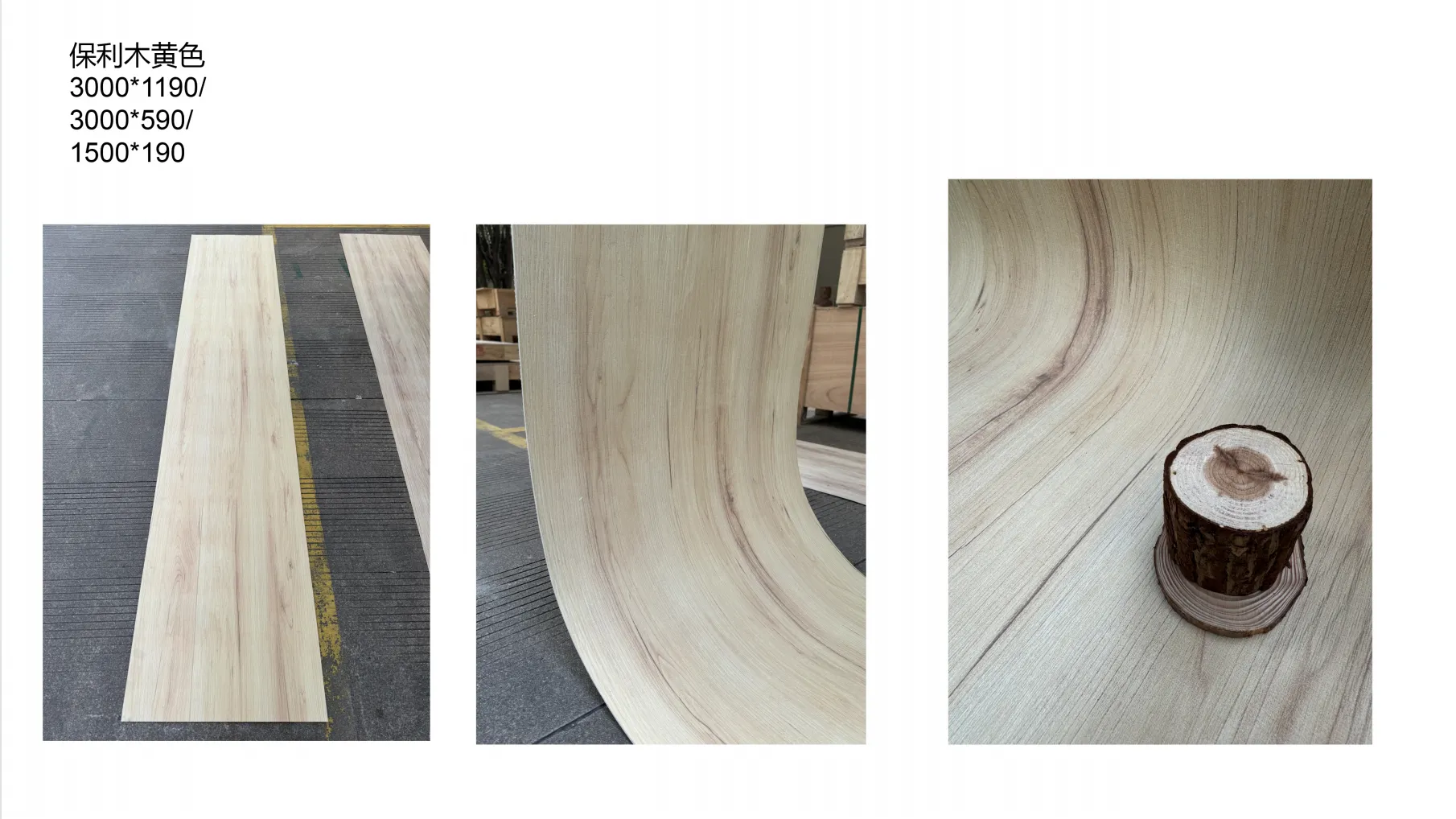
If you've ever run your hand along a beautifully crafted piece of furniture or traced the lines of a wall panel, you know the difference a well-finished edge makes. It's the quiet detail that turns "good" into "wow"—the final brushstroke that ties a room together. When it comes to poly wood boards, those edges aren't just afterthoughts. They're where durability meets design, where functionality shakes hands with style. Let's dive into why edge treatments matter, and how to choose (or create!) the perfect one for your space.
Think about the last time you walked into a room and noticed something felt "off." Maybe the shelves looked unfinished, or the countertop edges felt sharp and uninviting. Edges are the first thing we touch, the first detail our eyes linger on. A poorly finished edge can make even the most expensive poly wood board feel cheap, while a thoughtful treatment can elevate budget-friendly materials to luxury status. Beyond aesthetics, edges take a beating: kids bump into them, pets scratch them, daily life wears them down. A good treatment isn't just about looks—it's about protecting your investment, ensuring your poly wood boards stay beautiful for years to come. And let's not forget cohesion: the right edge can bridge the gap between your poly wood boards and other materials in the room, whether it's the warm texture of bamboo mat board or the cool sleekness of fair-faced concrete.
Classic never goes out of style, and when it comes to poly wood edges, that means treatments that feel familiar, comforting, and endlessly versatile. Take rounded edges, for example. Soft, smooth, and gently curved, they're the "hug" of edge treatments—inviting to the touch and perfect for spaces where comfort is key, like family rooms or bedrooms. To achieve this look, you'll need a router with a rounding bit, or for smaller projects, sandpaper and patience. Run the router along the edge in slow, steady passes, then sand with fine-grit paper until the curve feels like silk. Pair this with a wood grain board finish, and you've got a look that nods to traditional craftsmanship without feeling dated.
Beveled edges are another classic choice—subtly angled (usually 45 degrees) to add depth without overwhelming. They're crisp but not sharp, making them ideal for kitchens or home offices where you want a touch of formality without sacrificing warmth. A bevel router bit or a handheld plane works here; just be sure to keep the angle consistent. I once helped a friend refinish her dining table with beveled edges, and the difference was (striking). The light catches that angled edge now, casting soft shadows that make the wood grain board pattern pop—like adding a little drama to a quiet conversation.
If classic is a cozy sweater, modern is a tailored blazer—sleek, intentional, and unapologetically bold. Square edges are the poster child of modern design: sharp, straight lines that scream "minimalism." They work beautifully with poly wood boards in high-gloss or matte finishes, especially when paired with materials like fair-faced concrete. Imagine a living room wall clad in poly wood with square edges, adjacent to a fair-faced concrete fireplace—the contrast of warm wood and cool concrete, hard lines and soft grain, creates a balance that feels both calm and dynamic. Just a heads-up: square edges can feel sharp, so if you have little ones or clumsy guests (we all know one), consider a micro-bevel—a tiny 1-2mm angle that softens the edge without losing that modern edge.
Chamfered edges are another modern favorite—think of them as square edges with a stylish haircut. Instead of a 90-degree angle, you shave off a thin slice, creating a small flat surface that adds visual interest without fuss. They're perfect for furniture pieces that need to feel light and airy, like floating shelves or desk tops. I used chamfered edges on a set of poly wood floating shelves in my home office, and they're surprisingly versatile. During the day, they blend into the modern, clean aesthetic; at night, when the lamp hits them, that small chamfer casts a delicate shadow that feels almost sculptural. It's the kind of detail that makes you pause and think, "Someone cared about this."
Rustic design is all about warmth, character, and the beauty of "imperfect" perfection. When it comes to poly wood edges, that means leaning into texture, unevenness, and the look of handcrafted charm. Rough-cut edges are a prime example—think of the way wood looks fresh from the saw, with visible tool marks and slightly uneven lines. They're not for everyone, but in a cabin-inspired living room or a bohemian bedroom, they add instant soul. Pair them with bamboo mat board wall panels, and you've got a space that feels like a cozy retreat, where every imperfection tells a story. To get this look, skip the fine sanding—instead, use a wire brush or a rasp to create texture, or even hit the edges gently with a hammer for a "distressed" vibe.
Live edges are another rustic gem, though they're a bit trickier with poly wood (since real wood live edges are organic by nature). But with some creativity, you can mimic that look by using a router to create an irregular, wavy edge, then sanding selectively to highlight "knots" or "grain" patterns in the poly wood. I once saw a poly wood coffee table with a live-edge treatment paired with a travertine (vintage silver) inlay along the edge—it was unexpected, bold, and totally charming. The rough, organic edge of the wood played against the smooth, metallic sheen of the travertine, like a forest meeting a starlit sky.
For the rule-breakers, the dreamers, and those who want their space to tell a story, artistic edge treatments are where it's at. These are the edges that don't just finish the board—they become the focal point. Inlaid edges are a showstopper: imagine thin strips of travertine (vintage silver) or even colored resin running along the edge of your poly wood board, creating a stripe of contrast or shimmer. It's like adding a piece of jewelry to your furniture. I worked with a client once who wanted their home bar to feel "otherworldly," so we inlaid tiny pieces of starmoon stone into the poly wood edges. When the bar lights hit it, those stones catch the light like distant stars—suddenly, pouring a drink feels like stepping into a sci-fi movie (in the best way).
Textured edges are another artistic route—think sandblasted, carved, or even stamped patterns. A simple "thread" pattern (tiny, repeating lines) can turn a plain poly wood shelf into a work of art, while a wave-like texture (echoing the organic flow of a gobi panel) adds movement to a static piece. The key here is restraint: you don't want the edge to compete with the board itself. Instead, let it complement—like a background singer adding harmony to the lead vocals.
With so many options, how do you pick? It starts with asking yourself a few questions: What's the room's vibe? Is it a sleek, modern kitchen or a cozy, rustic den? How will the poly wood board be used? A high-traffic countertop needs a durable edge, while a decorative wall panel can afford to be more delicate. And let's talk budget: some treatments (like inlaid travertine) take time and skill, while others (like a simple bevel) can be DIY'd in an afternoon. To help you decide, here's a quick breakdown of common treatments and their best uses:
| Treatment Type | Pros | Cons | Best For | Difficulty Level (1-5) |
|---|---|---|---|---|
| Rounded | Soft, safe, timeless | Can look dated in ultra-modern spaces | Family rooms, bedrooms, kids' spaces | 2 (Easy with a router) |
| Beveled | Crisp, adds depth, versatile | Requires steady hands for consistency | Dining rooms, home offices, countertops | 3 (Moderate) |
| Square | Sleek, modern, budget-friendly | Sharp edges, prone to chipping | Minimalist spaces, accent walls | 1 (Beginner-friendly) |
| Rough-Cut | Warm, rustic, full of character | Hard to clean, can snag fabrics | Cabins, bohemian rooms, accent pieces | 4 (Requires skill for intentional "messiness") |
| Inlaid | Unique, eye-catching, luxurious | Time-consuming, expensive | Statement pieces, high-end furniture | 5 (Best left to pros) |
Your poly wood edge doesn't exist in a vacuum—it's part of a larger design ecosystem. Pairing it with the right materials can take your space from "nice" to "unforgettable." For example, bamboo mat board is a natural partner for rustic or tropical-inspired edges. Its woven texture complements rough-cut poly wood edges, creating a layered, organic feel—like bringing a piece of the jungle indoors. I recently saw a bathroom vanity with poly wood rough-cut edges and a bamboo mat board backsplash; the combination felt fresh, earthy, and totally unique.
Fair-faced concrete is another star pairing, especially for modern edges. Its raw, industrial vibe balances the warmth of poly wood, creating a look that's both grounded and contemporary. Try square-edged poly wood shelves above a fair-faced concrete fireplace, or a chamfered poly wood countertop on a concrete base—suddenly, your space feels like a gallery, where every material has a purpose. And don't sleep on travertine (vintage silver) as an accent: a thin strip along the edge of a poly wood dining table can tie the room to a travertine floor or backsplash, creating a sense of flow that makes the space feel intentional, not haphazard.
Even the most beautiful edge treatment won't last if you neglect it. The good news? Poly wood is durable, and with a little care, your edges will stay sharp (or soft, or rustic—whatever you chose). For daily upkeep, wipe edges with a damp cloth and mild soap; avoid harsh cleaners that can strip finishes. If you notice a chip or scratch, don't panic: for painted edges, touch up with a small brush and matching paint. For stained edges, a bit of wood polish or beeswax can hide minor flaws. And if your edge is inlaid with something like travertine (vintage silver), gently clean with a soft brush to avoid scratching the stone.
Long-term, keep an eye on wear patterns. High-traffic edges (like kitchen counters) might need a fresh coat of sealant every 1-2 years to protect against moisture and scratches. And remember: imperfect edges have character! A few nicks here and there tell the story of your life in that space—the late-night study sessions, the family dinners, the impromptu dance parties. Embrace them; they're part of what makes your home yours.
Edge treatments are the unsung heroes of poly wood design—small in size, huge in impact. They're where function meets feeling, where durability meets delight. Whether you opt for a classic rounded edge, a bold square finish, or an artistic inlay, remember: this is your space. Let your edges reflect who you are—your style, your story, your sense of home. And if you're feeling stuck, start small: a single shelf, a side table, a wall panel. Play with textures, mix materials, and don't be afraid to make mistakes. After all, the best designs aren't perfect—they're authentic . So go ahead: grab your router, your sandpaper, or your imagination, and give those poly wood edges the love they deserve. Your space (and your guests) will thank you.
Recommend Products












