
Walk into any home, office, or public space, and you're not just entering a building—you're stepping into a story. The walls, floors, and finishes around you whisper tales of design choices, cultural influences, and yes, even our relationship with the planet. In recent years, that story has taken a urgent turn: as climate change looms and resource scarcity grows, the construction industry is rethinking the materials that shape our world. Today, we're diving into one such material making waves: poly wood board. But more importantly, we're exploring the innovative, eco-friendly alternatives from the MCM (Modified Composite Material) family that might just rewrite the rules of sustainable building.
First, let's talk about poly wood board. If you've shopped for decking, outdoor furniture, or even wall paneling lately, you've probably come across it. Touted as a "green" alternative to traditional hardwood, poly wood (or composite wood) is typically made by blending recycled plastic (think milk jugs, soda bottles) with wood fibers or sawdust. On the surface, that sounds like a win-win: it keeps plastic out of landfills, repurposes wood waste, and reduces the need to cut down trees for lumber. And in many ways, it is a step up. Unlike real wood, it resists rot, pests, and warping, meaning it lasts longer—so you're not replacing it every few years, which saves resources in the long run.
But here's the thing: no material is perfect. While poly wood diverts waste, the plastic in its composition is still derived from fossil fuels, and most poly wood isn't fully biodegradable. Over time, it can break down into microplastics, which find their way into soil and water. Plus, manufacturing processes for some poly wood boards still rely on high heat and energy, adding to their carbon footprint. Don't get me wrong—poly wood is better than many traditional options, but as builders and homeowners, we deserve to ask: Is there something even better?
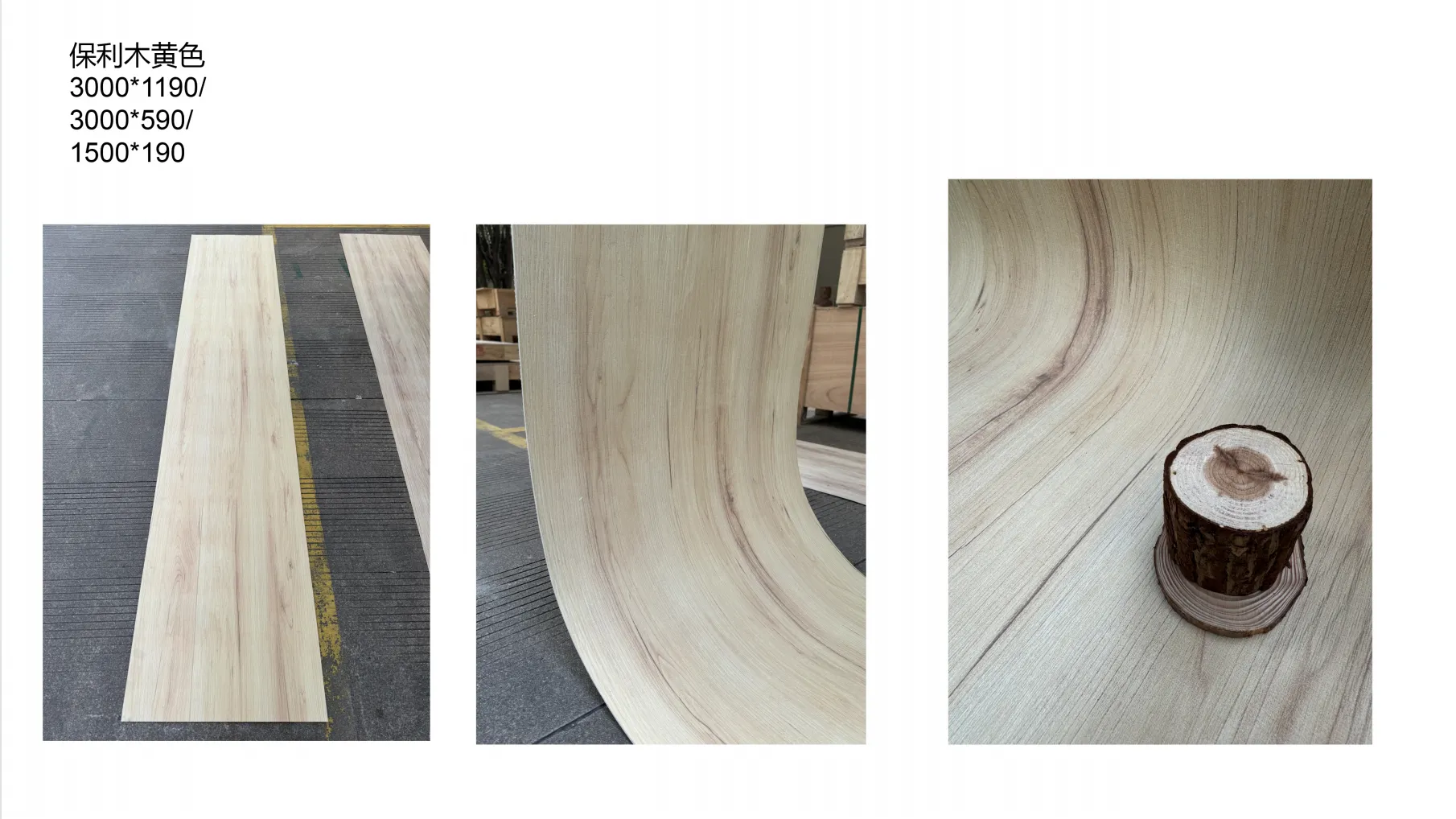
If poly wood is a step forward, MCM might just be a leap. Short for Modified Composite Material, MCM is a category of ultra-thin, lightweight panels made by combining natural minerals (like stone powder, clay) with recycled polymers or fibers, bound together with eco-friendly adhesives. What makes MCM stand out? It's designed for sustainability from the ground up. Think less material usage (some panels are just 3-5mm thick), lower transportation emissions (thanks to being lightweight), and often, a high percentage of recycled or renewable content. Plus, many MCM products are low in volatile organic compounds (VOCs), so they don't off-gas harmful chemicals into your home or the air.
But sustainability doesn't mean sacrificing style. MCM panels mimic the look and feel of everything from natural stone and wood to metal and concrete—often so convincingly that you'd swear you're touching the real thing. And because they're flexible (hence "modified"), they can bend around curves, wrap columns, or even be used as ceiling panels, opening up design possibilities that rigid traditional materials can't match. Let's take a closer look at some standout MCM alternatives that are giving poly wood a run for its money.
Imagine running your hand over a wall that looks like polished travertine—warm, with subtle veining and a matte finish—but feels surprisingly light. That's MCM flexible stone. Made from crushed natural stone (think marble, limestone, or travertine) mixed with recycled resins, this material captures the elegance of quarried stone without the environmental cost. Quarrying stone is notoriously resource-heavy: it disrupts ecosystems, uses massive amounts of water, and leaves behind scars on the landscape. MCM flexible stone, on the other hand, uses leftover stone powder from quarry waste—materials that would otherwise end up in landfills—and transforms them into durable, flexible panels.
What I love about it? Its versatility. It's thin enough to be used as backsplash in a kitchen, tough enough for exterior cladding on a home, and flexible enough to wrap around a curved fireplace. And because it's so lightweight, installing it doesn't require heavy machinery—just a few people and basic tools, which cuts down on labor emissions too. One homeowner I spoke to recently used MCM flexible stone in their bathroom renovation, replacing old ceramic tiles that were chipping and outdated. "It looks like real marble," they told me, "but I didn't have to feel guilty about where it came from. Plus, it was so easy to install, we finished the project in a weekend instead of a week."
If MCM flexible stone is about mimicking luxury, bamboo mat board is about celebrating nature's simplicity. Made from sustainably harvested bamboo strips woven into a mat and bonded with plant-based adhesives, this material brings the warmth of wood into spaces without the environmental toll of hardwood logging. Bamboo is often called "the fastest-growing resource on Earth"—some species grow up to 3 feet per day—and it doesn't require replanting after harvesting (it regrows from its roots). It also absorbs more CO2 and releases more oxygen than most trees, making it a carbon-negative material in many cases.
The aesthetic here is pure coziness. The woven texture adds depth to walls or ceilings, like a textile for your home. I visited a café in Portland last year that used bamboo mat board on their accent wall, paired with warm lighting and potted plants. It felt like stepping into a forest retreat, not a busy city spot. "We wanted something that felt organic but wouldn't require cutting down old-growth trees," the owner explained. "Bamboo mat board checked all the boxes—plus, customers keep asking where we got it. It's become a conversation starter about sustainability."
Practical bonus: bamboo is naturally antimicrobial, so it resists mold and mildew—perfect for humid spaces like bathrooms or basements. And unlike solid wood, it's less prone to warping, so it holds up well over time. For anyone who loves the look of wood but wants to make a greener choice, bamboo mat board is a no-brainer.
Not all sustainable materials have to feel "earthy." Foamed aluminium alloy board (vintage silver) proves that industrial design can be eco-friendly too. Made by expanding recycled aluminum alloy into a lightweight, porous structure, then coating it with a vintage silver finish, this material has the sleek, modern look of metal but with a fraction of the environmental impact. Aluminum is 100% recyclable, and recycling it uses just 5% of the energy required to produce new aluminum—meaning every foamed aluminium panel is essentially a second life for old soda cans, car parts, or window frames.
The "vintage silver" finish is what really sells it. It's not a shiny, sterile metal look; instead, it has a soft, slightly weathered patina, like something you'd find in a repurposed factory or a mid-century modern home. I saw this used in a boutique hotel lobby last month, where it was paired with reclaimed wood furniture and potted cacti. The contrast between the cool metal and warm wood was striking, and the panels were lightweight enough that they were installed directly over drywall—no need for heavy framing.
Beyond looks, foamed aluminium is durable (resistant to rust and corrosion), fire-retardant, and a good insulator—helping buildings stay cool in summer and warm in winter, which reduces energy use. It's a material that proves sustainability and style can go hand in hand, even in the most modern of spaces.
Concrete has a reputation for being heavy, gray, and… well, boring. But MCM fair-faced concrete is here to change that. "Fair-faced" means the concrete is left in its natural state—no paint, no polish—showing off its raw texture, tiny air bubbles, and subtle color variations. What makes MCM's version sustainable? It uses recycled aggregates (like crushed concrete from demolished buildings) and low-carbon cement, cutting down on the industry's massive carbon footprint (traditional cement production is responsible for about 8% of global CO2 emissions). Plus, the panels are precast in factories, so there's less waste from on-site mixing and pouring.
The beauty of fair-faced concrete lies in its simplicity. It has a quiet, almost meditative quality—think of a Japanese teahouse or a Scandinavian minimalists' dream home. I recently worked with a client who used it on the exterior of their guest house, and the way the light plays on the texture throughout the day is mesmerizing. "I wanted something that would age gracefully," they said. "Concrete does that—it gets better with time, like a well-worn leather jacket. And knowing it's made with recycled materials? That just makes it feel more meaningful."
| Material | Sustainability Highlights | Best For | Aesthetic Vibe |
|---|---|---|---|
| Poly Wood Board | Uses recycled plastic/wood waste; reduces deforestation | Outdoor decks, patio furniture, moisture-prone areas | Warm, wood-like; available in various stains |
| MCM Flexible Stone | Made from quarry waste stone powder; lightweight (low transport emissions) | Interior/exterior walls, backsplashes, curved surfaces | Luxurious; mimics travertine, marble, or limestone |
| Bamboo Mat Board | Sustainably harvested bamboo; carbon-negative growth | Accent walls, ceilings, furniture panels | Warm, woven texture; organic and cozy |
| Foamed Aluminium Alloy (Vintage Silver) | 100% recycled aluminum; energy-efficient production | Modern interiors, commercial spaces, accent walls | Industrial chic; soft, weathered silver finish |
| Fair-Faced Concrete | Recycled aggregates; low-carbon cement | Exteriors, minimalist interiors, outdoor fireplaces | Raw, textured; timeless and meditative |
At the end of the day, choosing sustainable materials isn't just about checking a box—it's about building a legacy. Every wall we clad, every floor we lay, is a statement about what we value: our planet, our health, and the stories we want our spaces to tell. Poly wood board has paved the way for greener choices, but MCM alternatives like flexible stone, bamboo mat board, and foamed aluminium are taking that vision further—offering materials that are kinder to the Earth and more inspiring to live with.
So the next time you're planning a renovation or a new build, take a second look at MCM. Touch the panels, imagine them in your space, and ask: Does this material align with the future I want to create? Chances are, you'll find that sustainability and beauty aren't just compatible—they're essential. After all, the best buildings aren't just made of materials; they're made of intention. And when that intention is to protect our planet? That's a story worth telling.
The shift toward sustainable building materials isn't a trend; it's a movement. As homeowners, designers, and builders, we have the power to demand better—to choose materials that honor both the planet and the people who inhabit these spaces. Poly wood board was a crucial first step, but MCM is showing us that we can do more: less waste, lower emissions, and more beauty. Whether you're drawn to the luxury of flexible stone, the warmth of bamboo, or the edge of foamed aluminium, there's an MCM material that fits your vision.
So let's build with purpose. Let's choose materials that don't just last—they give back . Because the most sustainable buildings aren't just structures; they're promises to future generations that we cared enough to build wisely. And that, perhaps, is the most beautiful material of all.
Recommend Products












