
Walk into a modern home, a bustling café, or a sleek office, and you'll notice something subtle but powerful: the materials around us shape how we feel. Warmth, durability, style—these aren't just buzzwords; they're the silent language of design. And in this world of ever-evolving building materials, one name has been turning heads lately: poly wood board. It's not quite wood, not quite plastic, but a clever blend of both that feels like a love letter to nature and innovation. Let's dive in and uncover what makes this material so special, from its standout features to the science (and art!) behind its composition.
Think of poly wood board as the overachiever of the material world. It's not just good at one thing—it's great at many. Let's break down its most impressive traits, the ones that make designers, homeowners, and builders reach for it time and again.
Traditional wood is beautiful, but let's be real: it's high-maintenance. Leave it out in the rain, and it warps. Let sunlight beat down on it, and it fades. Invite pests to the party, and it becomes a snack. Poly wood board? It scoffs at these problems. Unlike its natural cousin, it doesn't absorb water, so no more swelling or rotting after a storm. UV rays? They barely make a dent—no need to repaint or seal it every year. And termites? They'll march right past it; there's nothing "tasty" here for them. It's the kind of durability that makes you think, "Finally, a material that keeps up with life."
In a world where "green" isn't just a trend but a responsibility, poly wood board shines. Most versions are made with recycled materials—think sawdust from lumber mills, plastic bottles that would've ended up in landfills. By repurposing these, it reduces waste and cuts down on the need to harvest new trees. And since it lasts decades without needing replacement, it's a long-term win for the environment. It's not just about building better spaces; it's about building a better future, one board at a time.
Poly wood board isn't picky about where it lives. Want a cozy cabin vibe? It can mimic the look of weathered oak or pine. Dreaming of a minimalist urban loft? Opt for a sleek, smooth finish in neutral tones. It works indoors (think accent walls, furniture, or ceiling panels) and outdoors (decking, patio furniture, cladding). Some even use it for creative projects like custom shelving or art installations. And here's the kicker: it pairs beautifully with other materials. Imagine it next to bamboo mat board for a layered, earthy texture, or alongside wood concrete board for an industrial-chic contrast. The possibilities? Endless.
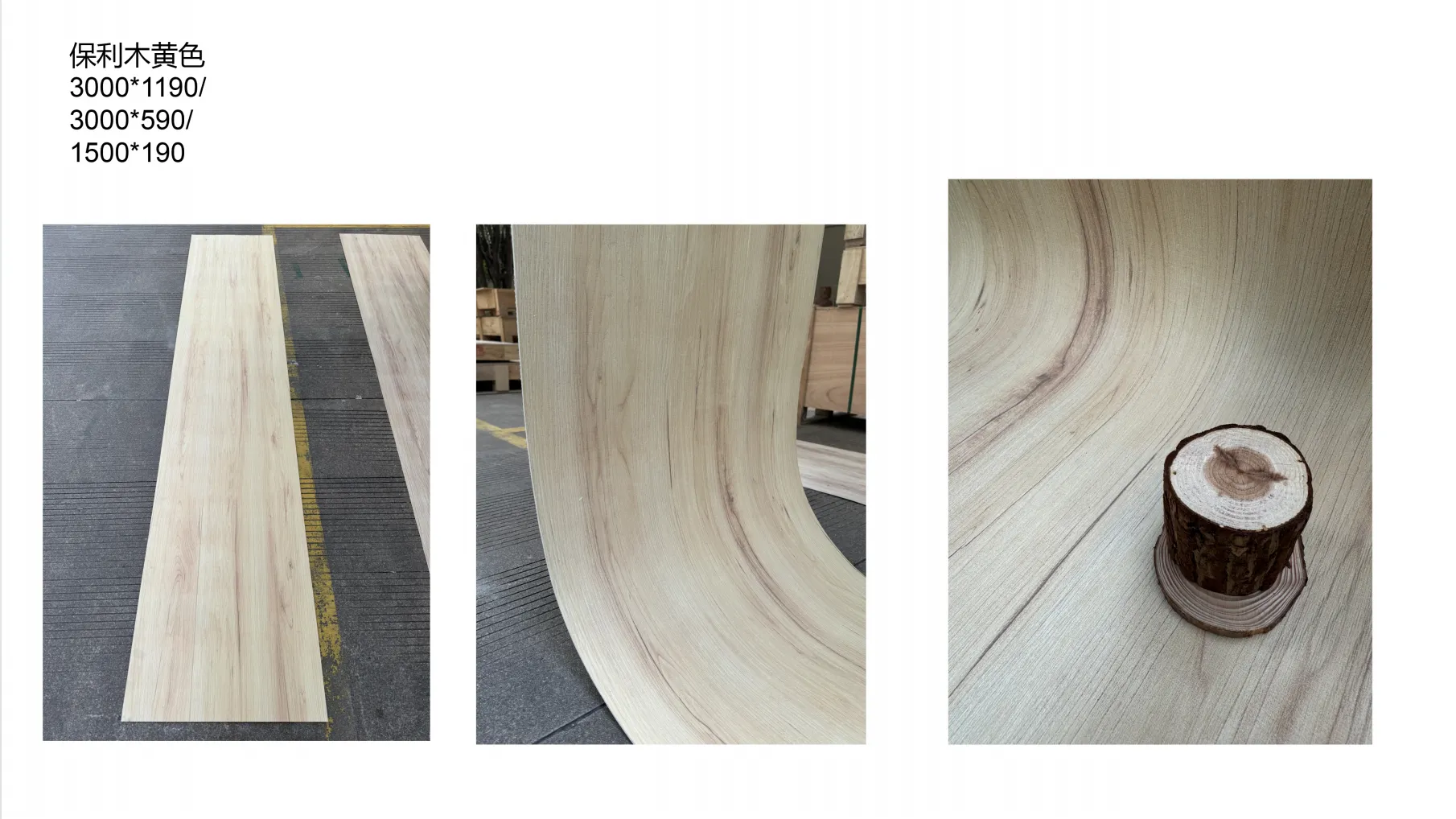
Let's talk looks. Poly wood board gets one thing right: it feels natural. Thanks to advanced manufacturing techniques, it can (copy) the grain, texture, and color of real wood so closely that you might do a double-take. Want the warmth of teak? Done. The rustic charm of cedar? No problem. And if you're feeling bold, there are even options with unique finishes—like wood grain board patterns that add depth, or subtle hues that complement modern palettes. It's the best of both worlds: the beauty of wood without the hassle.
Now that we've covered why poly wood board is a star, let's peek under the hood. What exactly goes into making this material? It's not magic—just smart science and careful craftsmanship. Think of it like baking a cake: the right ingredients, mixed in the right way, create something far better than the sum of its parts.
At its heart, poly wood board is a blend of two main players: wood fibers and polymers. Let's start with the wood fibers. These aren't chunks of lumber; they're tiny, processed bits—often recycled from wood waste like sawdust, wood chips, or even old furniture. They're what give the board that natural texture and feel. Then there are the polymers, usually HDPE (high-density polyethylene) or PP (polypropylene). These are the "glue" that holds everything together. They're strong, flexible, and resistant to moisture—perfect for adding durability without losing that wood-like vibe.
Like any great recipe, poly wood board needs a few extra ingredients to make it shine. These are called additives, and they're what take it from "good" to "great." UV stabilizers, for example, protect against sun damage, keeping colors vibrant for years. Colorants give it that wood-like hue—anything from rich mahogany to soft maple. There are also impact modifiers to make it less likely to crack if you drop something heavy on it, and sometimes even fire retardants for added safety. It's like adding spices to a dish: each additive has a specific job, and together, they make the final product sing.
Ever wondered how those ingredients turn into a solid board? Let's walk through it step by step. First, the wood fibers and polymers are mixed together, kind of like kneading dough. The additives are tossed in too, ensuring everything is evenly blended. Then, the mixture is heated—this melts the polymers, turning the whole thing into a malleable "goop." Next, it's squeezed through a machine (called an extruder) that shapes it into boards of different sizes and thicknesses. Finally, it cools, hardens, and gets a finishing touch—maybe a texture to mimic wood grain, or a smooth polish for a modern look. The result? A board that's strong, consistent, and ready to transform any space.
Still on the fence? Let's see how poly wood board stacks up against other common materials. We've put together a quick comparison to help you decide if it's the right fit for your project.
| Feature | Poly Wood Board | Traditional Wood | Wood Concrete Board |
|---|---|---|---|
| Durability | Resistant to rot, pests, and fading; lasts 20+ years | Prone to warping, rot, and pests; lasts 5–15 years (with maintenance) | Strong but heavy; can crack if not installed properly |
| Maintenance | Low: occasional cleaning with soap and water | High: needs staining, sealing, and repairs | Moderate: may need sealing to prevent moisture damage |
| Sustainability | High: made from recycled materials; reduces waste | Variable: depends on sourcing (FSC-certified is better, but still uses trees) | Moderate: uses concrete (high carbon footprint) but can include recycled aggregates |
| Aesthetic | Mimics wood closely; available in many colors/textures | Authentic wood look/feel; unique grain patterns | Industrial, rough texture; neutral tones (greys, beiges) |
| Cost | Mid-range: more than basic wood, less than high-end hardwoods | Low to high: depends on type (pine is cheap, teak is pricey) | Mid to high: heavier, so installation costs add up |
Let's get practical. Where does poly wood board actually show up in our daily lives? You might be surprised by how many places it's already making an impact.
Inside the home, poly wood board is a designer's best friend. Imagine a living room with a feature wall clad in warm, wood-grain poly wood—it adds depth without overwhelming the space. Or a kitchen backsplash that's easy to wipe clean but looks like natural stone. It's also a hit for furniture: coffee tables, bookshelves, even bed frames. And because it's lightweight, it's easy to install—no need for a team of professionals. For a fun twist, pair it with weaving (khaki) textiles or bamboo mat board accents to create a cozy, layered look.
Outdoors is where poly wood board really shines. Decking is a top use—no more splinters, no more refinishing every summer. It's also great for patio furniture; leave it out in the rain, and it won't rust or degrade. Some homeowners even use it for exterior cladding, giving their house a modern, textured look that stands up to wind, rain, and snow. And since it comes in so many colors, you can match it to your home's exterior—whether that's a soft beige, a bold rusty red, or a sleek charcoal.
Businesses love poly wood board for its durability and style. Cafés use it for tabletops and wall panels—they can handle spills, scratches, and the chaos of busy weekends. Offices opt for it in breakout areas, creating warm, inviting spaces that feel less "corporate" and more "homely." Even retail stores use it for display shelves and accent walls, adding a touch of nature to their brand aesthetic. It's the kind of material that says, "We care about quality and design."
At the end of the day, poly wood board is more than just a building material. It's a symbol of how we can blend nature and technology to create better, smarter spaces. It respects the past (by mimicking the beauty of wood) while embracing the future (by using recycled materials and innovative manufacturing). It's for the homeowner who wants a deck that lasts through kids and pets, the designer who craves versatility, and the planet that needs a break from waste.
So, what's the verdict? Poly wood board isn't perfect, but it's pretty close. It's durable, sustainable, versatile, and undeniably charming. Whether you're building a new home, renovating a room, or just dreaming up your next project, it's worth considering. After all, the best materials aren't just about function—they're about feeling. And poly wood board? It feels like home.
Recommend Products












