
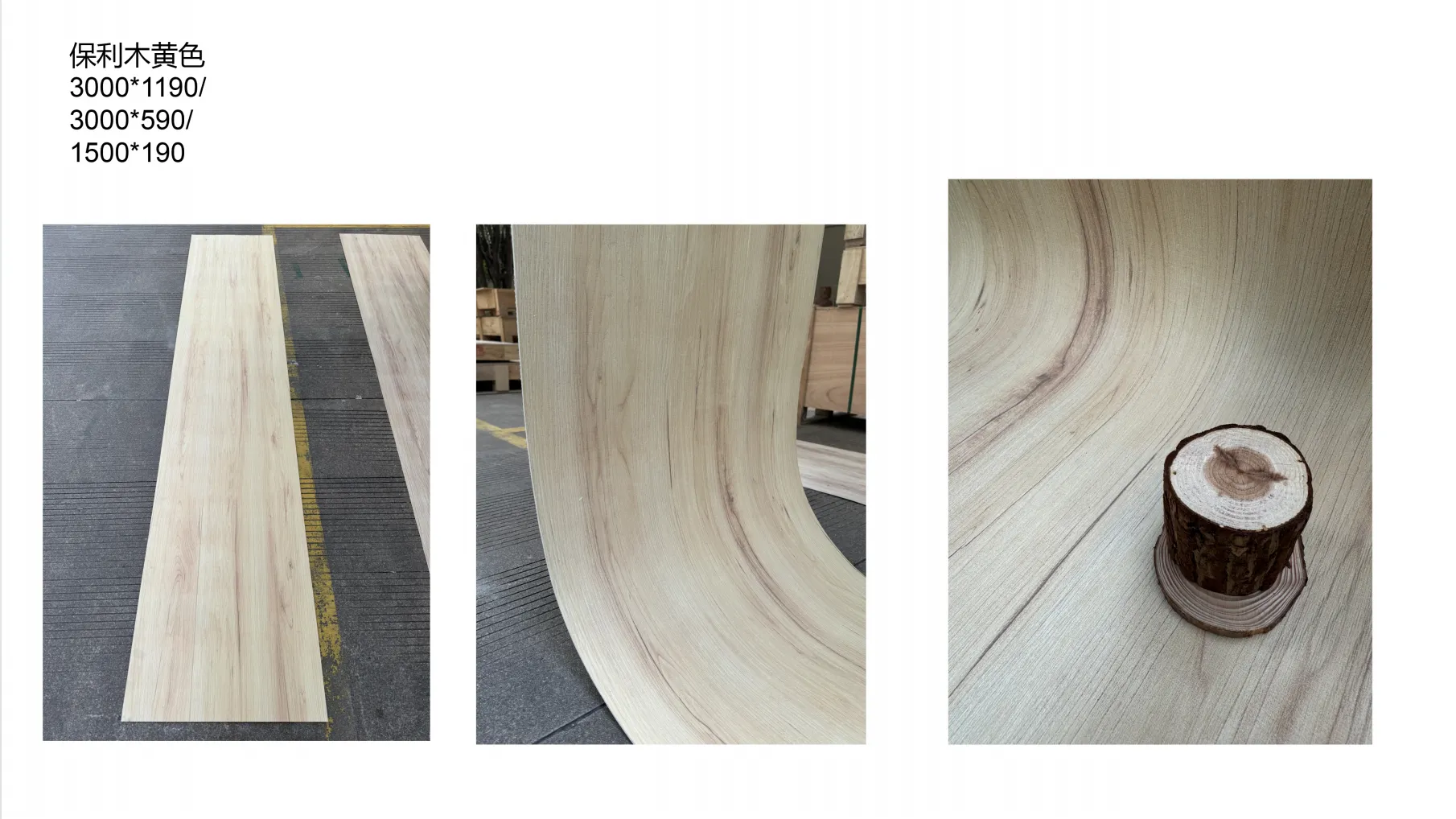
Walk into any modern home, office, or public space today, and you'll likely spot a material that's quietly revolutionizing the way we build: poly wood board. With its warm, natural aesthetic that mimics real wood, combined with durability and sustainability perks, it's no wonder architects, designers, and homeowners are falling for it. But here's the thing—when it comes to building materials, beauty can never come at the cost of safety. That's where fire ratings step in, acting as a silent guardian that ensures the materials we trust with our spaces can stand up to one of the most unpredictable threats: fire. In this guide, we're diving deep into poly wood board fire ratings, breaking down what Class A and B standards really mean, and why they matter more than you might think.
Before we get into the specifics of Class A and B, let's talk about why fire ratings are such a big deal. Imagine investing in a stunning new deck for your backyard, or designing a cozy café with poly wood paneling—only to later realize that the material might not hold up in a fire. Fire ratings aren't just boxes to check on a building permit; they're about protecting lives, memories, and investments. They tell us how a material behaves when exposed to flames: how quickly it burns, how much smoke it produces, and whether it can help contain a fire rather than fuel it. For poly wood board, which often replaces traditional wood in high-traffic or residential areas, these ratings become even more critical. Unlike solid wood, which is highly flammable, poly wood board is engineered to be more resistant—but not all poly wood boards are created equal. That's where Class A and B come into play.
Fire ratings are determined by standardized tests that measure two key factors: flame spread and smoke development. Flame spread refers to how fast a fire can spread across the surface of a material, while smoke development measures how much smoke is produced during combustion. The lower the flame spread and smoke development, the better the fire rating. In the U.S., the most common rating system is based on ASTM E84, also known as the Steiner Tunnel Test, which assigns classes from A (best) to C (least) based on these two criteria. For poly wood board, understanding where it falls on this scale can mean the difference between a material that enhances safety and one that puts it at risk.
Let's start with the heavyweight: Class A fire rating. Often called the "non-combustible" standard (though technically, no material is entirely non-combustible), Class A is the highest rating a building material can achieve. To earn this label, a material must have a flame spread index (FSI) of 0-25 and a smoke development index (SDI) of 0-450 during testing. In plain English? That means if a fire breaks out, a Class A poly wood board will resist catching fire, slow the spread of flames, and produce minimal smoke—buying crucial time for evacuation and firefighting.
When is Class A necessary? Think of spaces where fire safety is non-negotiable: schools, hospitals, high-rise apartments, hotels, and public gathering areas like stadiums or convention centers. Building codes in many areas mandate Class A ratings for these spaces because the stakes are so high—with large numbers of people, or occupants who might have limited mobility (like patients in a hospital), every second counts. For example, a hotel corridor lined with Class A poly wood board isn't just about looking nice; it's about ensuring that if a fire starts in one room, the hallway doesn't become a path for flames to race through, trapping guests.
But Class A isn't just for commercial spaces. Some homeowners opt for Class A poly wood board in areas like their kitchens (where grease fires are a risk) or attached garages (which often connect to living spaces). It's a choice that blends peace of mind with the material's natural look—because why compromise on safety when you don't have to?
Now, let's talk about Class B. If Class A is the gold standard for high-risk areas, Class B is the reliable workhorse for spaces where fire risk is lower, but safety still matters. To qualify for Class B, a material must have a flame spread index of 26-75 and a smoke development index of 0-450. So, while it may catch fire more easily than Class A, it still resists spreading flames and keeps smoke production in check—making it a solid choice for many residential and low-risk commercial settings.
Where does Class B poly wood board shine? Think of your backyard deck, a home office with poly wood shelving, or a low-rise retail store with accent walls. These are spaces where the risk of a large, fast-spreading fire is lower, but you still want a material that won't turn into kindling at the first spark. For example, a deck with Class B poly wood board can handle a stray grill spark without erupting into flames, giving you time to extinguish it before it spreads. It's about balance: enough fire resistance to keep small incidents from becoming disasters, without the stricter (and sometimes costlier) requirements of Class A.
But here's a key point: Class B isn't "inferior"—it's just specialized. Using a Class B material in a space where Class A isn't required can save on costs without sacrificing safety, allowing you to allocate budget to other design elements. The trick is knowing when Class B is sufficient, which often comes down to local building codes and the specific use of the space.
To make it easier to see the differences, let's break down Class A and B ratings in a quick comparison:
| Criteria | Class A Fire Rating | Class B Fire Rating |
|---|---|---|
| Flame Spread Index (FSI) | 0-25 (Slowest spread) | 26-75 (Moderate spread) |
| Smoke Development Index (SDI) | 0-450 (Low smoke) | 0-450 (Low smoke) |
| Typical Applications | Schools, hospitals, high-rises, public spaces | Residential decks, home offices, low-rise retail |
| Code Requirement | Mandatory in high-risk, high-occupancy areas | Acceptable in low-risk, residential, or small commercial spaces |
| Key Benefit | Maximum fire resistance for critical safety zones | Balances safety and cost for everyday spaces |
Now that we understand Class A and B, let's put poly wood board in context by comparing it to other popular building materials—including some you might already be familiar with, like wood concrete board, fair-faced concrete, and rammed earth board. Each of these materials has its own fire performance quirks, and seeing how poly wood board measures up can help you make smarter choices for your project.
Wood concrete board (sometimes called wood-cement board) is another hybrid material that blends wood fibers with cement for added durability. When it comes to fire ratings, wood concrete board often scores well—many varieties earn Class A or B ratings, similar to poly wood board. The difference? Poly wood board tends to have a more natural, wood-like texture, while wood concrete board leans toward a more industrial, utilitarian look. So, if you're torn between the two, it might come down to aesthetics: do you want the warmth of wood, or the raw, modern vibe of concrete? Either way, checking the fire rating is a must—some wood concrete boards prioritize strength over fire resistance, so don't assume they're all equal.
Fair-faced concrete is beloved for its minimalist, "unfinished" look—think exposed concrete walls in trendy lofts or galleries. When it comes to fire safety, concrete is a rockstar: it's inherently fire-resistant, often earning Class A ratings with ease. But here's the trade-off: concrete is heavy, can be difficult to install, and lacks the organic feel of poly wood board. For spaces where fire safety is the top priority (like industrial buildings or parking garages), fair-faced concrete might be the go-to. But for residential spaces or commercial areas where ambiance matters, poly wood board with a Class A rating offers a middle ground—safety without sacrificing the cozy, inviting atmosphere that makes a space feel like home.
Rammed earth board is a nod to ancient building techniques, using compressed earth and natural binders for a rustic, earthy aesthetic. Like concrete, rammed earth is naturally fire-resistant, often achieving Class A ratings due to its dense composition. However, it's not without limitations: it can be porous, making it less ideal for humid climates, and its appearance is very specific—think adobe-style walls. Poly wood board, on the other hand, offers more versatility in design, with options that mimic everything from oak to cedar, while still delivering solid fire ratings. So, if you love the look of rammed earth but need something more adaptable (and easier to maintain), poly wood board could be your solution—especially if you opt for a Class A variant for extra peace of mind.
Let's get practical: where exactly do you find poly wood board with Class A or B ratings in action? The answer might surprise you—it's more places than you'd think, from your neighbor's backyard to the busiest downtown hotspots.
In homes, poly wood board is everywhere: decks, fences, outdoor furniture, accent walls, and even ceiling panels. For decks, Class B is often sufficient (since they're outdoors and fires are less likely to spread quickly), but some homeowners opt for Class A if the deck is attached to the house or near a grill. Indoor applications, like a living room accent wall, might call for Class B in low-risk areas, but Class A if the wall is near a fireplace or heating vent. Imagine curling up on your couch, surrounded by poly wood paneling that not only looks beautiful but also gives you confidence that your family is safe—priceless.
In commercial settings, the stakes are higher, which is why Class A poly wood board is often the default. Think restaurants with poly wood booths (where grease and open flames are present), hotels with poly wood lobby walls (high foot traffic, lots of people), or schools with poly wood classroom furniture (protecting kids is non-negotiable). Even retail stores use poly wood shelving and displays—Class B might work for back storage areas, but front-of-house spaces with customers usually require Class A. One café owner I spoke to summed it up perfectly: "I wanted my space to feel like a cozy cabin, but I also have 50 people in here during lunch rush. Choosing Class A poly wood board meant I didn't have to choose between ambiance and keeping my customers safe."
You might be wondering: how exactly does a poly wood board get assigned a Class A or B rating? It all starts with rigorous testing, usually following standards set by organizations like ASTM International or Underwriters Laboratories (UL). The most common test is the Steiner Tunnel Test, which involves mounting a sample of the material in a 25-foot-long tunnel and exposing it to a controlled flame. During the test, researchers measure two things: how far and how fast the flame spreads (flame spread index) and how much smoke is produced (smoke development index). The lower the numbers, the better the rating.
But here's the cool part: poly wood board's fire resistance isn't just luck—it's engineered. Manufacturers add fire-retardant chemicals during production, which help slow combustion and reduce flame spread. Some also use additives that release water vapor when heated, further suppressing flames. It's a careful balance of science and design, ensuring the material still looks and feels like wood while packing a fire-safe punch. And because testing is standardized, you can trust that a Class A rating from one manufacturer means the same thing as a Class A rating from another—no guesswork involved.
Let's be real: fire safety is crucial, but it's not the only reason to love poly wood board. This material has a lot going for it, from durability to sustainability, that makes it a standout choice for modern building. For starters, it's resistant to rot, mold, and pests—unlike real wood, which can warp or decay over time, especially in humid climates. That means less maintenance, fewer repairs, and a longer lifespan for your project. It's also eco-friendly: many poly wood boards are made from recycled plastics and wood fibers, keeping waste out of landfills and reducing the need to harvest trees.
And let's not forget aesthetics. Poly wood board comes in a range of finishes, from light oak to dark walnut, so you can match it to any design style. Whether you're going for a coastal cottage vibe or a sleek, modern look, there's a poly wood board that fits. Plus, it's lightweight and easy to install, making it a favorite among DIYers and professionals alike. When you combine all these perks with a strong fire rating, it's easy to see why poly wood board is quickly becoming the material of choice for forward-thinking builders.
So, how do you decide whether to go with Class A or B poly wood board for your project? It boils down to a few key factors:
When in doubt, consult a professional. Architects, contractors, and fire safety experts can help you navigate the rules and make the best choice for your project. After all, there's no substitute for expert advice when it comes to something as important as fire safety.
At the end of the day, poly wood board is more than just a pretty face—it's a material that's redefining what it means to build safely and beautifully. Class A and B fire ratings aren't just labels; they're promises that the material you're bringing into your space has been tested, trusted, and proven to prioritize safety. Whether you're building a backyard deck, designing a commercial space, or simply upgrading your home, taking the time to understand these ratings ensures you're making choices that protect what matters most: your family, your customers, and the memories you create in those spaces.
So, the next time you admire a poly wood board accent wall or step onto a poly wood deck, take a moment to appreciate the thought that went into its fire rating. It's a small detail with a big impact—proof that in the world of building materials, safety and style can, and should, go hand in hand. After all, the best spaces aren't just beautiful—they're built to last, and to protect.
Recommend Products












