
How a revolutionary material is redefining safety and style in modern design
Maria stood in the middle of the sunlit living room, her tape measure dangling from one hand, a half-empty coffee cup in the other. The client wanted "warmth, texture, that cozy cabin feel"—but with three young kids and a golden retriever named Max, fire safety wasn't just a box to check. It was a non-negotiable. "Wood-look panels are perfect for the vibe," she'd told the client, "but let me make sure we're not cutting corners on safety."
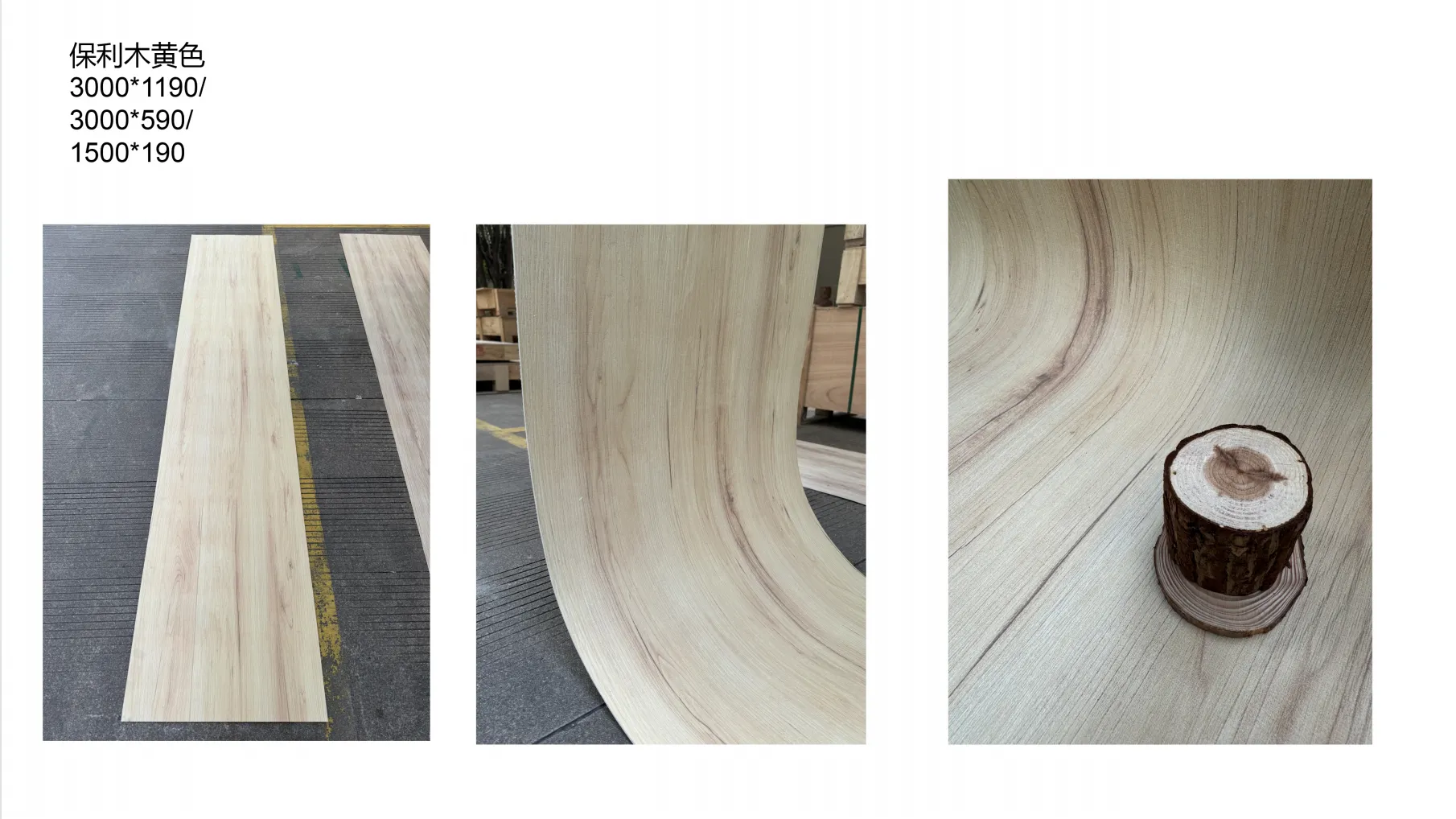
If you've ever designed a space or even just daydreamed about renovating, you know that tension: wanting materials that feel alive, that tell a story, while also needing them to stand up to real life—especially fire. For years, that meant choosing between "safe but sterile" or "stunning but risky." Then Maria stumbled on something that made her pause: COLORIA MCM's Poly Wood Board. The samples felt like weathered oak, with grains that swirled like a forest stream. But the spec sheet mentioned something else: "Class A fire resistance." Skeptical? She was. So she asked to see the tests. The photos? They didn't just convince her—they changed how she thinks about building materials.
Let's talk about wood. Real wood is magical. It breathes, ages gracefully, and turns a house into a home. But here's the hard truth: traditional solid wood or even veneered panels are not fire-friendly. In a test, a 1x6 pine board will catch flame in seconds, spreading fire across a wall in under a minute. That's why building codes in most countries restrict wood paneling in high-traffic areas or multi-family homes. Enter "wood alternatives"—but many of them? They're just plastic with a wood print. When heated, they melt, release toxic fumes, and sometimes even fuel the fire further.
Maria had seen the aftermath. A client once chose a cheap "wood-look" PVC panel for their basement. A small electrical spark turned into a disaster. "The whole wall went up like a matchstick," she recalled. "I vowed never to recommend a material I hadn't vetted myself." So when COLORIA's sales rep mentioned their Poly Wood Board was "engineered for safety without losing the soul of wood," Maria's first thought was: Prove it.
COLORIA MCM isn't new to pushing boundaries. Their mcm flexible stone line has been a favorite among architects for years—thin, lightweight stone panels that bend to curved walls, no heavy machinery needed. But Poly Wood Board? It's their love letter to designers who refuse to choose between safety and style. "We started with a question," said Elena, COLORIA's lead materials engineer, when Maria visited their lab. "What if we could take the best parts of wood—the texture, the warmth—and rebuild it from the ground up, making fire resistance part of its DNA?"
The result? A blend of natural wood fibers, mineral-reinforced polymers, and a proprietary fire-retardant core. To the touch, it's warm, not cold like plastic. Run your hand over it, and you'll feel the subtle ridges of grain, just like real wood. But under the surface? It's a fortress. "We didn't just add fire retardant as an afterthought," Elena explained. "The entire structure is engineered to resist heat, slow combustion, and self-extinguish."
COLORIA's testing facility in Milan isn't what you'd expect. No cold, clinical rooms—just a bright space with engineers in jeans, laughing as they set up equipment. "We test like we build: with rigor, but also with a respect for how these materials will live in real homes," Elena said. Maria watched as they prepared the Poly Wood Board for the ASTM E84 test—the gold standard for measuring flame spread and smoke development in building materials. Here's what happened (and what the photos showed):
Maria leaned in, studying the photos. She'd seen enough fire tests to know what failure looked like—melting edges, black smoke, flames creeping upward. This? It was like the board was fighting back . "What about smoke?" she asked. "Toxic fumes are often more dangerous than the fire itself." Elena nodded, pulling up another set of results: "The smoke development index was 35. For context, drywall is around 50. This stuff releases less smoke than your average wall."
Curious how COLORIA's Poly Wood Board compares to other materials? Let's break it down. We've compiled the key metrics from independent lab tests, including traditional wood, foamed aluminium alloy board (vintage silver) (another fire-resistant option), and of course, Poly Wood:
| Material | Fire Rating (ASTM E84) | Flame Spread Index | char Depth After 30 Minutes | Toxic Fume Release |
|---|---|---|---|---|
| COLORIA Poly Wood Board | Class A (Highest) | 5 (Excellent) | 0.5 inches | Low (Non-toxic) |
| Traditional Pine Wood | Class C (Lowest) | 150 (Poor) | 3+ inches (fully burned through) | High (Toxic smoke) |
| Foamed Aluminium Alloy Board (Vintage Silver) | Class A | 10 (Very Good) | 0 inches (no charring) | Low |
"Foamed aluminium is great for industrial spaces," Elena noted, "but it's cold, metallic, and doesn't have that organic feel. Poly Wood gives you the best of both worlds: the safety of metal, the soul of wood." Maria couldn't argue. The client wanted "cozy cabin"—not "factory floor."
Poly Wood Board isn't a one-hit wonder. COLORIA's entire lineup—from their mcm flexible stone to their lunar peak series—shares this obsession with safety. "We don't believe in 'safe for some, risky for others,'" Elena said. "Whether you're choosing a stone-look panel for a hotel lobby or a wood-grain board for a kid's bedroom, fire resistance should be standard."
Take their Lunar Peak Silvery panels, for example—sleek, modern stone-like surfaces that mimic the moon's craters. They're tested to the same ASTM E84 standards as Poly Wood, earning a Class A rating. Even their decorative lines, like the woven (khaki) or bamboo mat board, undergo rigorous fire testing. "Beauty shouldn't be a luxury reserved for spaces where safety doesn't matter," Elena said. "Every home, every office, every school deserves materials that protect and inspire."
Back to Maria. She recommended Poly Wood Board to her client, and when the installation was done, the living room felt like a mountain retreat—warm wood tones, natural texture, and zero anxiety. "The client's husband is a firefighter," she said. "He grilled me about the fire rating, so I showed him the test photos. He smiled and said, 'Finally, a material that doesn't make me nervous about coming home.'" That's the impact: not just a wall panel, but peace of mind.
Another story: Mark, a restaurant owner in Chicago, chose Poly Wood for his dining room walls. "Wood sets the mood—rustic, inviting," he said. "But with an open kitchen and grease in the air, fire is always a concern. After a small grease fire last year, the Poly Wood wall didn't even char. The fire department was impressed. Now I'm using it in all my locations."
Fire safety shouldn't feel like a sacrifice. It shouldn't mean choosing cold metal over warm wood, or sterile concrete over textured stone. COLORIA MCM's Poly Wood Board proves that we can have both: materials that make our spaces feel alive, while also standing guard when life gets messy. The real test photos? They're more than just proof—they're a promise. A promise that beauty and safety don't have to be enemies. That the home you love can also be the home that protects you.
So the next time you're designing a space—whether it's a tiny apartment or a sprawling office—ask: Does this material have a story? And then: Does it have the strength to keep that story going, even when the unexpected happens? With COLORIA's Poly Wood Board, the answer is a resounding yes.
Recommend Products












