
High-rise buildings stand as testaments to human ambition—towering structures that pierce the sky, housing lives, workplaces, and dreams. But behind their grandeur lies a silent battle: the constant push and pull of wind. For architects and engineers, designing these giants isn't just about aesthetics; it's about ensuring they stand firm against nature's forces. In recent years, one material has emerged as a game-changer in this arena: poly wood board. More than just a trendy alternative to traditional materials, it's a fusion of sustainability, strength, and adaptability that addresses two critical challenges in high-rise construction: wind load resistance and structural support. Let's dive into how this innovative material is reshaping the future of vertical living.
Wind load isn't just a number on a blueprint—it's the invisible pressure that wind exerts on a building's surface, a force that grows more intense as structures climb higher. In cities like Chicago, where gusts can reach 60 mph, or Hong Kong, battered by typhoons annually, this force isn't a minor consideration; it's a matter of safety. Imagine standing on the 50th floor of a skyscraper during a storm. The subtle sway you might feel isn't a flaw—it's the building's way of absorbing wind energy, preventing structural damage. But for that dance between building and wind to be safe, every material used in construction must contribute to that resilience.
Traditional materials like concrete and steel have long been the go-to for handling wind load, but they come with trade-offs. Concrete is heavy, adding unnecessary weight that strains a building's foundation, while steel, though strong, can be rigid—too much rigidity, and instead of flexing, a structure might crack under pressure. This is where poly wood board enters the conversation. Engineered to balance strength and flexibility, it's a material that doesn't just resist wind load; it works with it, turning a potential threat into a manageable challenge.
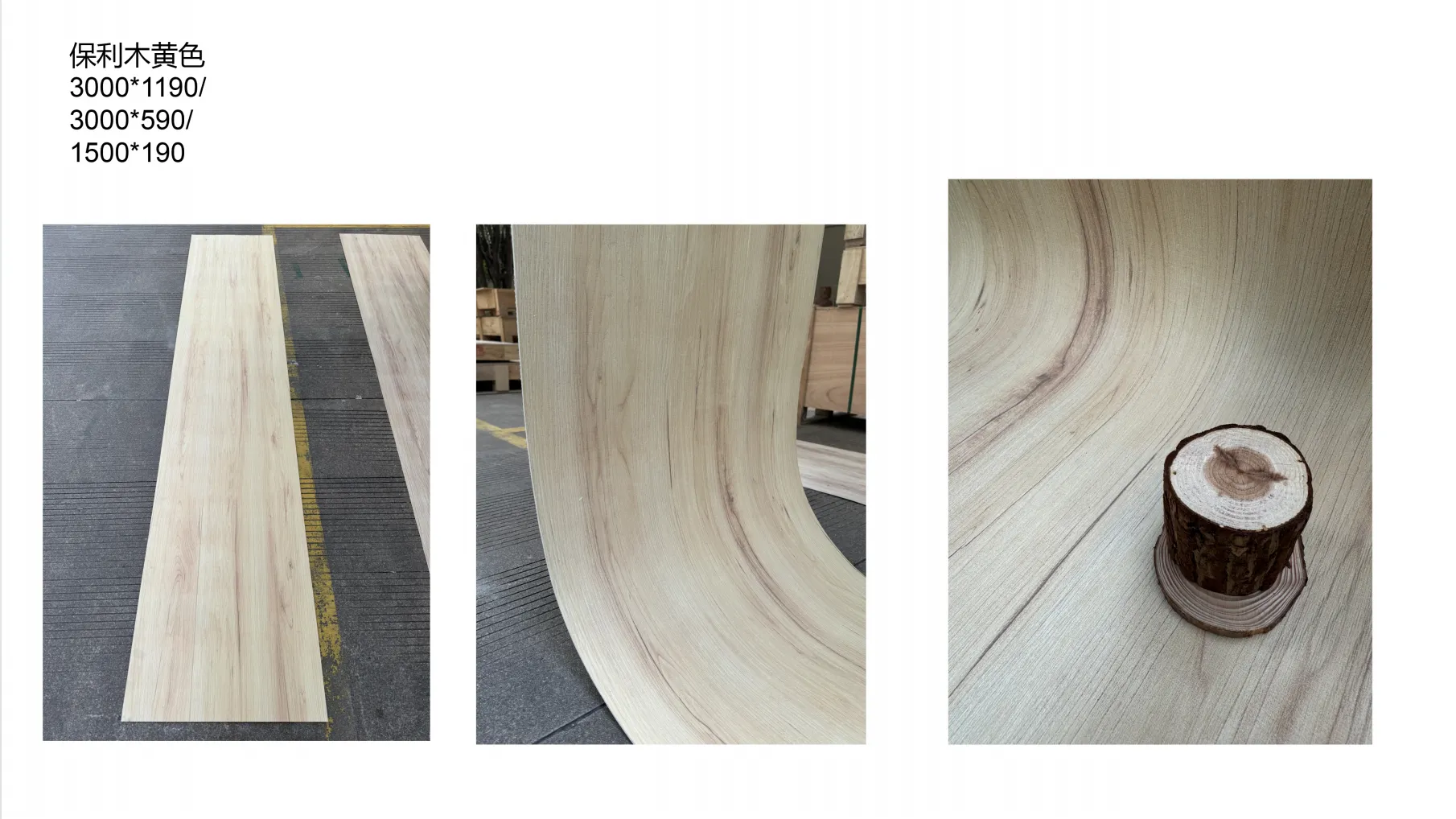
At its core, poly wood board is a celebration of innovation meeting sustainability. Made by blending recycled wood fibers with high-performance polymers, it marries the warmth and organic texture of wood with the durability of modern composites. Think of it as wood reimagined—not the fragile planks of old, but a material built to withstand the harsh realities of high-rise environments. What sets it apart? Its unique composition allows it to be both lightweight and incredibly strong, two qualities that are gold when it comes to wind load and structural support.
Let's break down the science. When wind hits a building, it creates two types of pressure: positive pressure (pushing against the windward side) and negative pressure (suction on the leeward side). Over time, these forces can cause materials to fatigue, leading to cracks, leaks, or worse. Poly wood board's polymer matrix acts as a buffer, absorbing and dispersing these pressures rather than fighting them. Its wood fibers, meanwhile, add tensile strength, preventing the material from snapping under stress. The result? A cladding or structural element that can bend without breaking, a crucial trait for high-rises where even a small amount of movement can mean the difference between safety and disaster.
But poly wood board isn't just about function—it's about beauty, too. In a world where high-rises often feel cold and impersonal, this material brings a touch of nature to the skyline. Imagine a tower wrapped in panels that mimic the grain of oak or the warmth of teak, standing tall against the wind without sacrificing aesthetics. It's a reminder that sustainability and design don't have to be enemies; in fact, they can be powerful allies.
Wind load is just one piece of the puzzle. High-rise buildings also need structural support that can handle their own weight, the weight of occupants, and the constant wear and tear of daily life. Here again, poly wood board shines. Its lightweight nature reduces the overall load on a building's foundation and frame, allowing architects to design taller, more efficient structures without compromising safety. Compare this to traditional wood, which, while lightweight, lacks the moisture resistance and fire retardancy needed for high-rises, or concrete, which adds so much weight that it limits design flexibility.
Take, for example, the use of poly wood board in internal partitions or ceiling panels. In a typical high-rise, these elements can add hundreds of tons to the building's total weight. By switching to poly wood board, engineers can reduce that load by up to 30%, freeing up space for additional floors or amenities. And because it's resistant to rot, mold, and pests—common issues with natural wood—it requires less maintenance over time, saving building owners money and reducing environmental impact.
Another area where poly wood board excels is in acoustic performance. High-rises are noisy places, with wind howling outside and footsteps, conversations, and machinery echoing inside. The material's dense, layered structure acts as a natural sound barrier, absorbing noise and creating quieter, more comfortable spaces. For residents and workers, this isn't just a luxury; it's a quality-of-life improvement that makes vertical living feel less like a compromise and more like a choice.
To truly appreciate poly wood board's value, it helps to see how it stacks up against other materials commonly used in high-rise construction. Let's take a closer look at two popular alternatives: wood concrete board and foamed aluminium alloy board.
| Material | Weight (kg/m²) | Wind Load Resistance (kPa) | Durability (Est. Lifespan) | Sustainability | Best For |
|---|---|---|---|---|---|
| Poly Wood Board | 12–18 | Up to 5.0 | 30–50 years | High (recycled materials, low VOCs) | Cladding, partitions, ceiling panels |
| Wood Concrete Board | 25–35 | 3.5–4.5 | 20–30 years | Moderate (uses wood but requires cement) | Structural flooring, load-bearing walls |
| Foamed Aluminium Alloy Board | 8–15 | 4.0–5.5 | 40–60 years | Moderate (recyclable but energy-intensive to produce) | Exterior cladding, high-wind zones |
Wood concrete board, a mix of wood particles and cement, is strong but heavy. Its weight can increase a building's foundation costs and limit height potential. Foamed aluminium alloy board, on the other hand, is lightweight and highly wind-resistant, but it lacks the natural aesthetic of poly wood board and can be expensive to produce, given the energy required to process aluminium. Poly wood board, with its balanced weight, wind resistance, and sustainability, offers a middle ground that doesn't force architects to choose between performance and planet.
Consider a real-world example: the Azure Tower in Singapore, a 45-story residential building completed in 2023. The architects initially planned to use foamed aluminium alloy board for the exterior cladding, drawn to its wind resistance. But concerns about cost and the building's desire for a warmer aesthetic led them to test poly wood board. The result? A tower that withstood the city's monsoon winds (which often exceed 50 mph) while earning LEED Platinum certification for its sustainable design. Residents raved about the building's quiet interiors and the natural feel of the cladding, proving that poly wood board isn't just a technical solution—it's a people-centric one.
In an era of climate change, sustainability isn't just a buzzword; it's a responsibility. High-rise construction, with its massive carbon footprint, is under increasing pressure to go green, and poly wood board is leading the charge. By using recycled wood fibers, it reduces the demand for virgin timber, helping to preserve forests. Its polymer component, often derived from recycled plastics, keeps waste out of landfills. And because it requires less energy to produce than steel or concrete, it lowers the overall carbon footprint of a building project.
But the sustainability story doesn't end at production. Poly wood board is also low-maintenance, meaning fewer resources are needed for repairs or replacements over time. Unlike natural wood, it doesn't require painting, staining, or sealing, reducing the use of toxic chemicals. And when it does reach the end of its lifespan, it can be recycled again, closing the loop on waste. For developers and building owners, this isn't just good for the planet—it's good for the bottom line. Green buildings often command higher rents, attract more tenants, and qualify for tax incentives, making poly wood board a smart investment in more ways than one.
Of course, no material is perfect, and poly wood board has its challenges. Cost can be a barrier for some projects, especially compared to low-grade concrete or steel. While its long-term savings often offset the initial investment, convincing stakeholders to take that leap can be tough. There's also a learning curve for contractors used to working with traditional materials; installing poly wood board requires specialized tools and training to ensure it's fitted correctly. And in extremely hot or cold climates, its performance can vary, though advances in polymer technology are narrowing this gap.
But these challenges are minor compared to the potential. As more architects and engineers discover poly wood board's benefits, demand is growing, driving innovation and lowering costs. Research labs are experimenting with new blends of fibers and polymers, aiming to make the material even stronger, lighter, and more adaptable. Imagine a future where poly wood board isn't just used for cladding or partitions, but as a structural beam or even a foundation material. It's a bold vision, but one that feels increasingly achievable.
Poly wood board isn't just a new product; it's part of a larger shift in how we build. It's a rejection of the "build now, worry later" mindset that has dominated construction for decades, and an embrace of a more thoughtful, human-centered approach. In high-rise buildings, where safety, sustainability, and beauty are equally important, it's a material that checks all the boxes. It resists wind load without rigidity, supports structures without weight, and brings nature to the skyline without sacrificing durability.
As we look to the future—with taller buildings, stronger storms, and a planet in need of care—materials like poly wood board will be essential. They remind us that progress doesn't have to come at the expense of the environment or our well-being. So the next time you look up at a skyscraper, take a moment to appreciate the materials that hold it together. Chances are, among the steel and concrete, there's a touch of poly wood board, working quietly to keep us safe, comfortable, and connected to the natural world—even as we reach for the stars.
Recommend Products












