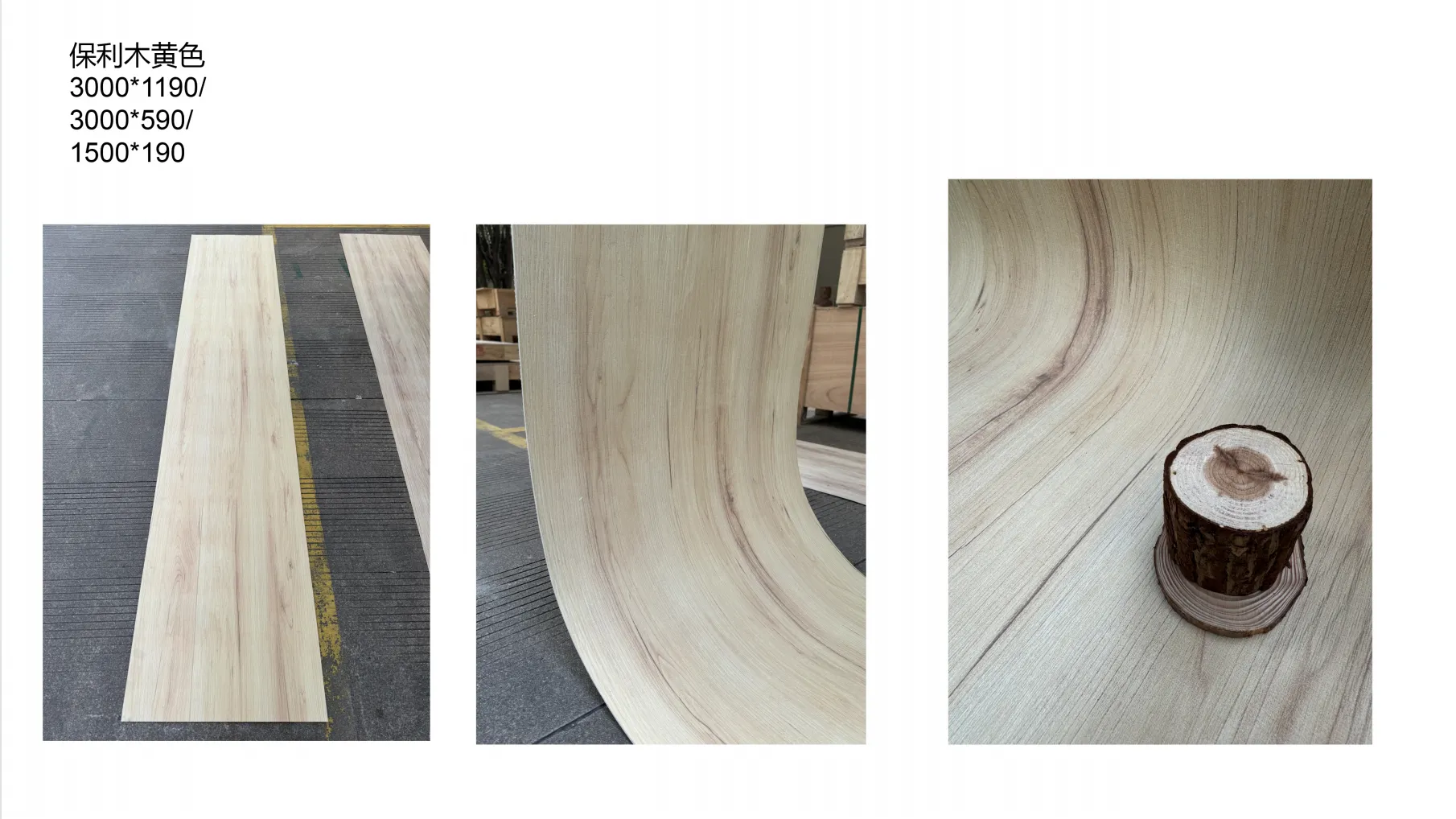
Efficiency isn't just about how fast you can nail a panel to a frame. It's about the entire lifecycle of a material—from manufacturing to installation to long-term performance. Poly Wood Board excels at every stage, making it a game-changer for prefab projects.
1. Streamlined Manufacturing
Traditional wood production involves logging, milling, drying, and treating—processes that are time-consuming, energy-intensive, and prone to waste. Poly Wood Board, on the other hand, is made using recycled wood fibers (from sawdust and wood scraps that would otherwise end up in landfills) and eco-friendly polymers. The manufacturing process is highly automated, with minimal human intervention, reducing production time by up to 40% compared to traditional lumber. And because it's made in controlled facilities, there's no reliance on weather conditions—meaning production can run year-round, keeping prefab factories supplied without delays.
2. Installation: From Days to Hours
Let's talk numbers. A typical 100-square-meter wall section using traditional plywood might take a crew of 4 workers a full day to install. With Poly Wood Board, that same crew can finish the job in just 2-3 hours. How? Its lightweight design means workers can carry panels by hand, eliminating the need for cranes or forklifts. Its uniform size and pre-drilled mounting points (a standard feature in prefab MCM systems) mean panels snap into place with minimal measuring or adjustment. Even cutting the boards is faster: thanks to its composite structure, it saws cleanly without splintering, so there's no need for sanding or refinishing on site.
To put this in perspective, let's compare Poly Wood Board with two common prefab materials: traditional solid wood and concrete panels. The table below breaks down key efficiency metrics:
|
Material
|
Weight (kg/m²)
|
Installation Time (100m², 4-person crew)
|
Maintenance Required (Yearly)
|
Expected Lifespan
|
|
Traditional Solid Wood
|
25-30
|
8-10 hours
|
Staining, sealing, pest control
|
15-20 years
|
|
Concrete Panels
|
80-100
|
12-14 hours (requires machinery)
|
Minimal, but prone to cracking
|
50+ years (but heavy, hard to replace)
|
|
Poly Wood Board
|
12-15
|
2-3 hours
|
None (occasional cleaning)
|
30-40 years
|
As the table shows, Poly Wood Board outperforms traditional materials in installation speed by a factor of 3-4, with almost no ongoing maintenance. And while concrete panels last longer, their weight and reliance on machinery make them impractical for many prefab projects—especially those in remote locations or with tight access.
3. Durability: Efficiency That Lasts
Efficiency isn't just about getting the job done fast—it's about getting it done
right
so you don't have to redo it later. Poly Wood Board's durability translates to long-term efficiency for building owners. Imagine a prefab housing development: with traditional wood siding, homeowners might need to replace panels every 15-20 years, incurring costs for materials, labor, and disruption. With Poly Wood Board, that replacement cycle stretches to 30-40 years, reducing long-term maintenance budgets and minimizing downtime for repairs.
Even in harsh climates—think coastal areas with salt spray, or humid regions prone to mold—Poly Wood Board holds its own. Unlike natural wood, it won't swell or warp when exposed to moisture, and its polymer core is impervious to termites and fungi. This makes it an ideal choice for prefab projects in diverse environments, from beachfront villas to mountain lodges.