
Old buildings have a way of whispering stories. Maybe it's the creak of a wooden floorboard that's borne the weight of a hundred winters, or the faded brick exterior that still holds the faint outline of a decades-old sign. These structures aren't just walls and roofs—they're living testaments to the past, carrying the memories of families, communities, and eras long gone. But here's the thing about old buildings: as much as we cherish their character, they often struggle to keep up with the demands of modern life. Drafty windows, wobbly floors, and materials that wear thin with time can turn a charming historic home into a frustrating money pit. That's where renovation comes in—but not just any renovation. To truly honor an old building, you need materials that bridge the gap between its storied past and the practical needs of today. Enter poly wood board: a material that's quietly revolutionizing how we breathe new life into old spaces.
Let's start with the obvious: renovating an old building is rarely easy. Unlike new construction, where you start with a blank slate, old buildings come with quirks—uneven walls, outdated structural systems, and materials that were never designed to meet modern standards. Take, for example, the 1920s townhouse I visited last year in Boston. The owner, a history teacher named Clara, dreamed of restoring the home's original charm but needed it to work for her young family. The original oak flooring, once a thing of beauty, was warped beyond repair; the plaster walls were cracked from years of temperature fluctuations; and the trim around the windows, eaten away by moisture, crumbled at the touch. Clara's contractor suggested replacing the floors with solid hardwood, but there was a catch: the home's century-old joists couldn't support the weight of new oak planks without expensive reinforcement. Vinyl flooring was another option, but Clara winced at the thought of its plastic sheen clashing with the home's vintage moldings. "It felt like choosing between preserving the house's soul and making it livable," she told me. Sound familiar?
Clara's dilemma is one I've heard echoed by homeowners, architects, and preservationists alike. When renovating old buildings, we're torn between two goals: honoring the past and embracing the future . Traditional materials often fail to strike that balance. Solid wood, for instance, is beautiful but heavy, prone to warping, and increasingly hard to source sustainably. Stone or brick, while durable, can be too weighty for aging foundations. Even modern alternatives like vinyl or laminate often feel cheap, lacking the texture and warmth that make old spaces feel "alive." And then there's the issue of installation. Old buildings rarely have straight walls or level floors, which means materials that require precise measurements or heavy machinery can turn a renovation into a logistical nightmare. By the time you factor in labor costs, material waste, and the risk of damaging original features, it's no wonder so many old buildings sit half-renovated, their potential untapped.
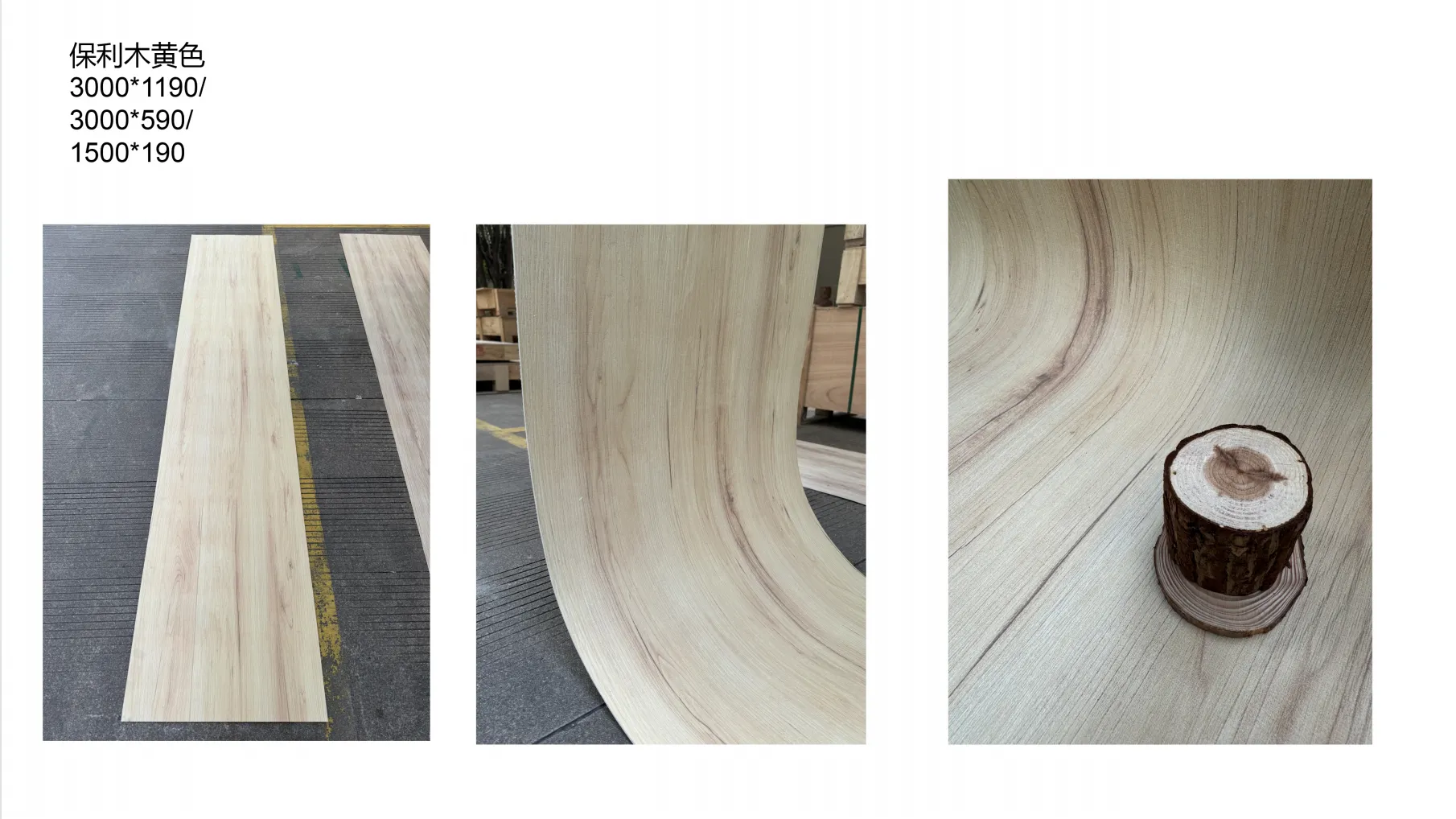
So, what if there was a material that could mimic the look and feel of real wood—down to the grain patterns and subtle imperfections—without the weight, cost, or maintenance headaches? That's exactly what poly wood board brings to the table. Made from a blend of recycled wood fibers and high-density polymers, poly wood board is engineered to combine the best of both worlds: the authentic aesthetic of natural wood and the durability of modern materials. It's lightweight enough to install on even the most fragile old floors, flexible enough to conform to uneven walls, and tough enough to withstand the chaos of family life, busy offices, or high-traffic commercial spaces. But poly wood board isn't just a "better wood"—it's a smarter wood, designed with the unique challenges of old building renovation in mind.
Let's break down why that matters. Imagine Clara, the Boston homeowner, discovering poly wood board midway through her renovation. Instead of stressing over reinforcing joists for solid oak, she could install poly wood planks that weigh a fraction of the real thing—no structural upgrades needed. The boards, with their realistic wood grain (think the warm honey tones of oak or the rich depth of walnut), would blend seamlessly with her home's original moldings, preserving that vintage vibe. And because poly wood is resistant to moisture, she wouldn't have to worry about the basement flooding ruining the floors, or the New England humidity warping the planks. For Clara, it would mean a home that feels like it's always been there—just sturdier, safer, and easier to love.
One of the biggest risks when renovating an old building is overloading its structure. Many historic homes were built with materials and engineering standards that simply can't handle the weight of modern building products. Solid hardwood flooring, for example, can weigh 3-4 pounds per square foot; pile that onto a second-story floor with joists that are 80 or 100 years old, and you're asking for trouble. Poly wood board, by contrast, weighs in at just 1-1.5 pounds per square foot—light enough to install on even the most delicate subfloors without requiring expensive structural reinforcements. This is a game-changer for renovations where preserving the original structure is a priority. Take, for instance, a 19th-century church being converted into a community center: the original floor beams, hand-hewn from local timber, are part of the building's heritage. Swapping out the old pews for a multi-use space with poly wood flooring ensures the beams stay intact while creating a durable surface for events, classes, and gatherings.
Let's be honest: nothing kills the charm of an old building faster than cheap, plastic-looking materials. Vinyl flooring with a pixelated "wood" print, or composite trim that shines like a toy—these choices scream "afterthought," not "restoration." Poly wood board, however, is engineered to fool the eye (and the hand). Manufacturers use advanced molding techniques to replicate the unique grain patterns, knots, and even the subtle color variations of real wood. Run your hand over a poly wood plank, and you'll feel the texture—rough in some spots, smooth in others—just like you would with natural wood. This attention to detail is crucial for maintaining an old building's character. Consider a historic bed-and-breakfast in Savannah, Georgia, where the owners wanted to update the guest rooms without losing the inn's 1800s charm. By installing poly wood wainscoting in a warm cherry finish, they preserved the room's period feel while adding a durable surface that stands up to luggage scrapes and daily cleaning. Guests still ooh and aah over the "original woodwork"—and the owners don't have to tell them it's poly wood.
Old buildings need materials that can keep up with modern life, and "modern life" is messy. Whether it's a family with young kids, a busy restaurant, or a retail space with foot traffic, the materials in renovated old buildings need to withstand scratches, spills, moisture, and UV rays. Poly wood board delivers here, too. Unlike natural wood, which can warp, rot, or split when exposed to water, poly wood is moisture-resistant—making it ideal for kitchens, bathrooms, or basements (common trouble spots in old homes). It's also scratch-resistant, so you won't have to panic when the dog runs through with muddy paws or the moving crew drags a couch across the floor. And because it's fade-resistant, poly wood installed near windows won't bleach out in the sun, ensuring that the rich color you fell in love with stays vibrant for years. I spoke with a contractor in Chicago who used poly wood board to renovate a 1950s diner. "The original Formica countertops were cracked, and the floors were a patchwork of linoleum and tile," he said. "We replaced the floors with poly wood in a retro checkerboard pattern, and it's held up perfectly—even with ketchup spills, dropped silverware, and hundreds of customers a day. After two years, it still looks brand new."
Sustainability is no longer a "nice-to-have" in renovation—it's a necessity. Old buildings themselves are often more sustainable than new construction (think embodied energy saved by not tearing down and rebuilding), but that effort is wasted if the materials used in renovation harm the planet. Poly wood board checks the sustainability box, too. Most poly wood products are made from recycled materials, including post-consumer wood fibers (from sawdust or discarded lumber) and recycled plastic (from bottles and containers). By diverting these materials from landfills, poly wood reduces the demand for virgin timber and petroleum-based plastics. Plus, because poly wood is so durable, it lasts longer than many traditional materials—meaning fewer replacements over time and less waste. For example, a homeowner in Portland, Oregon, chose poly wood siding for their 1940s cottage renovation. "We wanted to keep the home's mid-century look but didn't want to use cedar, which is becoming scarce in the Pacific Northwest," they explained. "Poly wood siding gave us the same warm, natural look without contributing to deforestation. And since it doesn't need to be painted or stained every few years, we're saving on VOCs, too."
Renovating an old building is stressful enough without adding complicated installation processes to the mix. Poly wood board, however, is designed to be user-friendly—even for DIYers or contractors working in tight, quirky spaces. Unlike solid wood, which often requires specialized tools (and muscles) to cut and install, poly wood can be trimmed with a standard saw, drilled with a regular bit, and secured with simple nails or adhesive. Its lightweight nature also means you don't need a team of people to hoist planks into place—one or two people can handle most installations. This ease of installation translates to cost savings, too: less labor time, fewer specialized tools, and minimal waste (since poly wood cuts cleanly and can be ordered in custom lengths). A small business owner in Austin, Texas, renovated a 1970s storefront into a boutique using poly wood shelving and wall paneling. "The space had sloped ceilings and uneven walls—total chaos," they laughed. "But the poly wood was so easy to work with. We cut it on-site, fit it to the walls, and had the whole shop ready in a weekend. With solid wood, that would've taken a week and cost twice as much."
Still not convinced poly wood board is the right choice for your old building renovation? Let's put it head-to-head with some common alternatives. The table below compares poly wood board to solid hardwood, vinyl flooring, and even mcm flexible stone (another popular material for historic renovations) across key factors like weight, durability, and aesthetics.
| Material | Weight (per sq. ft) | Moisture Resistance | Installation Difficulty | Aesthetic Authenticity | Maintenance Needs | Sustainability |
|---|---|---|---|---|---|---|
| Poly Wood Board | 1-1.5 lbs | High (resistant to rot/warping) | Low (cuts with standard tools, lightweight) | High (realistic grain, texture, and color) | Low (no sanding, staining, or sealing) | High (made from recycled materials, long lifespan) |
| Solid Hardwood | 3-4 lbs | Low (prone to warping, rot, and mold) | High (heavy, requires specialized cutting tools) | Very High (authentic wood look/feel) | High (sanding, staining, sealing every 3-5 years) | Low (requires virgin timber, short lifespan with heavy use) |
| Vinyl Flooring | 1-2 lbs | High (waterproof) | Medium (easy to cut, but rigid; doesn't conform to uneven surfaces) | Low (plastic-like appearance, minimal texture) | Low (easy to clean, but prone to scratches) | Low (made from non-recyclable plastics, short lifespan) |
| MCM Flexible Stone | 2-3 lbs | High (resistant to moisture) | Medium (flexible but requires adhesive and precise cutting) | High (realistic stone texture and color) | Low (no sealing needed, easy to clean) | Medium (some recycled content, but heavier than poly wood) |
As the table shows, poly wood board holds its own—even against materials like mcm flexible stone, which is beloved for its versatility in historic renovations. While mcm flexible stone is a great choice for exterior cladding or accent walls, poly wood board excels in interior spaces where warmth and wood-like aesthetics are key. The two materials can even work together: imagine a historic home with mcm flexible stone siding (to mimic the original brick) and poly wood trim (to replicate the home's original wooden accents). Together, they create a cohesive look that honors the past while embracing modern durability.
Numbers and specs are one thing, but real-world stories are where poly wood board truly shines. Let's dive into a few examples of how it's transformed old buildings into functional, beautiful spaces.
In upstate New York, a group of volunteers spent years raising funds to save the town's abandoned 1930s schoolhouse from demolition. Their goal: turn it into a community library. The building had good bones, but the interior was a mess—water-damaged floors, crumbling plaster, and outdated electrical systems. The biggest challenge? The original maple flooring, while charming, was too warped to repair and too heavy to replace with new hardwood (the school's old foundation couldn't handle the weight). Enter poly wood board. The volunteers chose a light oak poly wood plank flooring, which they installed themselves over a moisture barrier. "We were nervous at first—would it look 'fake' next to the original chalkboards and wooden bookshelves?" said Maria, one of the lead volunteers. "But when we laid the first plank, we were blown away. The grain looked so real, and it matched the warm, cozy feel we wanted for the library. Now, kids run across those floors every day, and they still look brand new. Best of all, we didn't have to reinforce the foundation—poly wood's lightweight design made it possible." Today, the library is the heart of the town, and visitors often comment on how "authentic" the floors feel. "We don't correct them," Maria. "Some secrets are worth keeping."
For years, a family in coastal Maine owned a 1950s beach cottage that had been in their family for generations. The problem? The cottage, while full of memories, was unlivable for much of the year—drafty, damp, and prone to mold. They wanted to renovate it into a year-round home but refused to lose its "shabby chic" beach vibe. The solution? Poly wood board, used throughout the interior. They installed poly wood paneling on the walls (painted a soft white to mimic weathered shiplap), poly wood flooring in a driftwood gray finish, and even poly wood ceiling planks to cover up outdated insulation. "The original walls were so uneven, and the floors sloped in every direction," said the homeowner, Jake. "But poly wood is flexible enough to follow those slopes without cracking or looking odd. And because it's moisture-resistant, we don't have to worry about the salt air or winter dampness ruining it. Now, we use the cottage year-round—no more moldy carpets or warped floors. It still feels like the same old cottage, but better."
As more homeowners, architects, and preservationists discover the benefits of poly wood board, its role in old building renovation will only grow. Why? Because it solves a problem that's only becoming more pressing: how to keep our historic buildings relevant in a world that demands sustainability, durability, and affordability. Old buildings aren't going anywhere—and neither are the challenges that come with renovating them. But with materials like poly wood board, we no longer have to choose between preserving the past and building for the future. We can have both.
So, whether you're restoring a century-old farmhouse, converting a historic factory into lofts, or simply updating your 1960s home to work for your modern family, consider poly wood board. It's not just a building material—it's a way to honor the stories in the walls while writing new ones. After all, the best renovations don't just fix old buildings—they give them permission to keep living, breathing, and whispering stories for decades to come.
"Poly wood board didn't just renovate our home—it saved it. We get to keep the charm of the 1920s, but now we also have a space that works for our kids, our dog, and our busy lives. It's like the house finally grew up, but never lost its heart." — Sarah, homeowner in Philadelphia
In the end, that's the magic of poly wood board: it doesn't just upgrade old buildings—it lets them thrive . And in a world that often values the new over the old, that's a gift worth celebrating.
Recommend Products












