
Walk down any busy street, and you'll notice something immediately: the storefronts. They're not just walls and windows—they're the first "hello" a business extends to the world. A great storefront pulls you in, makes you curious, and leaves a memory that lingers long after you've passed by. But here's the thing: in retail, first impressions aren't just about looking good. They're about lasting. A storefront that fades, chips, or warps after a few seasons isn't just an eyesore—it's a silent signal that the business might not care about the details. That's where poly wood board comes in. It's not just a material; it's a solution that marries the warmth of wood with the toughness of modern engineering. In this article, we'll dive into why poly wood board is becoming the go-to choice for retail storefronts, how it stacks up against traditional materials, and how it can transform your business's curb appeal from "meh" to "must-visit."
Let's start with the basics: your storefront is your brand's first handshake with customers. Think about it—when you're scrolling through a street, what makes you stop? Is it a faded sign, peeling paint, and a door that sticks? Or is it a fresh, inviting facade that looks like it's been cared for? Chances are, it's the latter. Studies show that 70% of consumers form their first impression of a business based on its exterior. That's not just a number; it's a reminder that your storefront is a marketing tool, working 24/7 to attract (or repel) potential customers.
But here's the catch: retail spaces face a unique set of challenges. They're exposed to the elements—rain, sun, snow, humidity—day in and day out. They get bumped by shopping carts, scraped by delivery trucks, and touched by hundreds of hands. On top of that, trends change. What looked modern five years ago might feel dated now. So, your storefront needs to do two things: stand up to the wear and tear of daily life and stay visually relevant. That's a tall order for materials like traditional wood, which warps in moisture, fades in sunlight, and needs constant staining. Or concrete, which can crack and feels cold and unwelcoming. Even vinyl, once hailed as a "low-maintenance" option, often looks cheap and can peel over time. So, what's a business owner to do? Enter poly wood board—a material designed to bridge the gap between beauty and resilience.
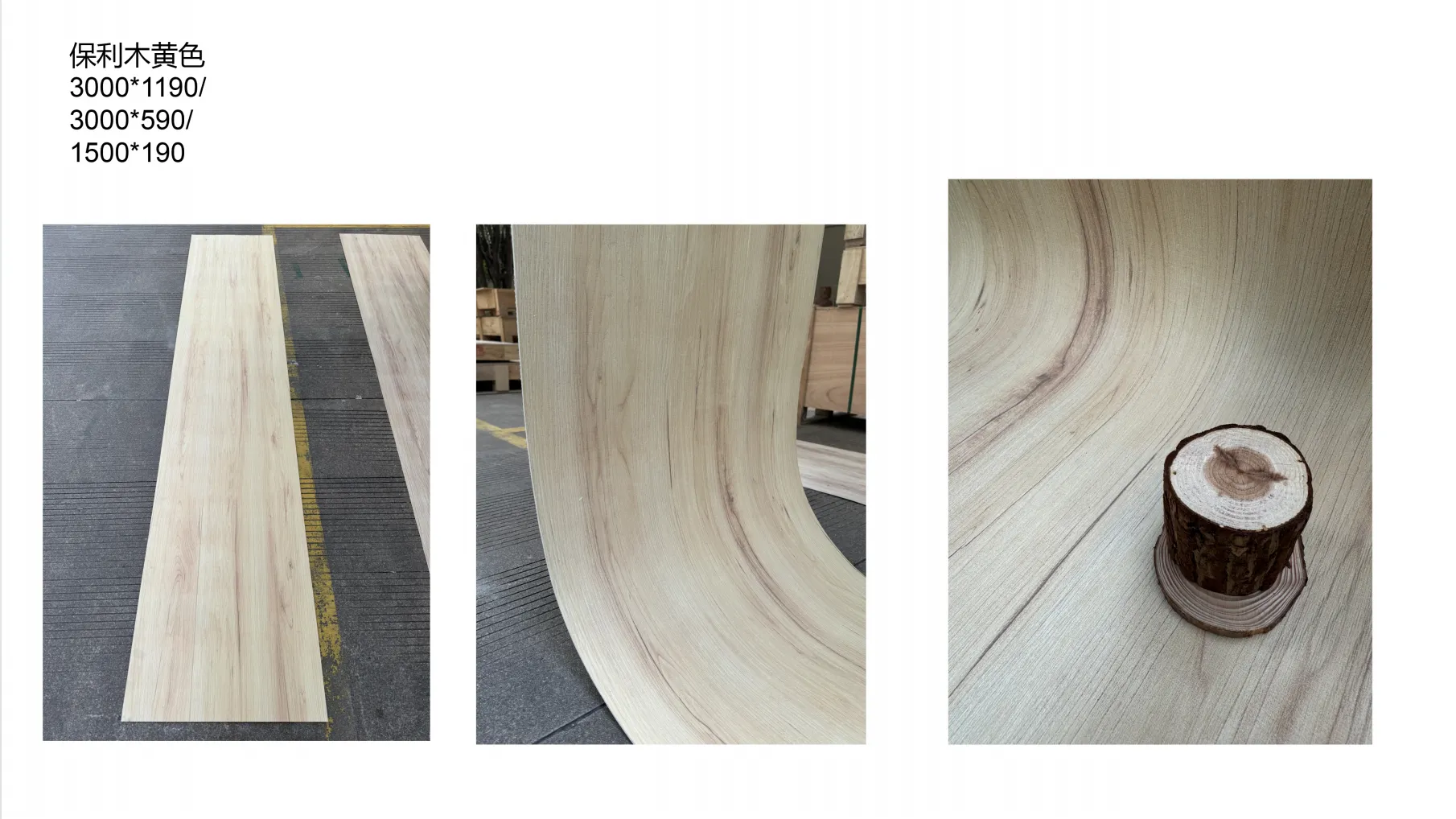
At first glance, poly wood board looks like real wood. Run your hand over it, and you'll feel the familiar grain, the subtle texture, the warmth that makes wood such a beloved material. But here's the secret: it's not wood at all. Well, not entirely. Poly wood board is a modified composite material, crafted from a blend of recycled wood fibers and high-density polyethylene (HDPE), reinforced with additives that boost its strength and resistance. Think of it as wood's smarter, tougher cousin—one that inherited all the good looks but skipped the weaknesses.
The magic is in the composition. By combining natural wood fibers with synthetic polymers, manufacturers created a material that resists rot, mold, and pests (no more termite worries!). It doesn't absorb moisture, so it won't warp or split in rain or snow. And because it's treated with UV inhibitors, it won't fade under the sun—even in the hottest climates. But what really sets it apart is its versatility. Unlike real wood, which is limited by tree growth and natural defects, poly wood board can be molded into almost any shape, color, or texture. Want a weathered barnwood look? Done. Prefer a sleek, modern wood grain board? No problem. Need a custom size to fit an awkward storefront arch? Consider it handled. This flexibility means it can adapt to any brand aesthetic, from a cozy café to a high-end boutique.
Let's talk about the "wow" factor. Poly wood board doesn't just mimic wood—it elevates it. Traditional wood has knots, splits, and color variations that can be charming, but they're also unpredictable. Poly wood board, on the other hand, offers consistent beauty. You can choose from a range of finishes, from the rich, warm tones of wood grain board that evoke a cabin-in-the-woods coziness to the sleek, modern lines of travertine (vintage silver) for a more industrial-chic vibe. But it's not just about color—texture plays a huge role, too.
Take bamboo mat board , for example. It's a style that adds an artisanal, handcrafted feel to any storefront. Imagine a yoga studio with bamboo mat board panels, their natural weave pattern catching the sunlight and inviting passersby to pause. Or weaving (khaki) accents—soft, neutral, and tactile. They add depth without overwhelming, making a storefront feel approachable, like a friend's living room. And for businesses going for a more contemporary look, there's the clean, crisp finish of fair-faced concrete paired with poly wood board. The contrast between the rough, industrial concrete and the warm wood grain creates a striking balance that says "modern" without feeling cold.
Another standout feature? Poly wood board's ability to mimic rare or expensive woods without the environmental cost. Love the look of teak but hate the price tag and sustainability concerns? Poly wood board can replicate that rich, golden hue and tight grain without cutting down a single tree. It's a win-win: your storefront looks luxurious, and you can sleep easy knowing you're making an eco-friendly choice.
And let's not forget customization. Whether you need large panels for a bold statement or small, intricate pieces for a detailed design, poly wood board can be cut, shaped, and installed to fit your vision. Want your store's logo embedded into the facade? No problem. Dream of a curved entryway lined with wood grain board? Done. The only limit is your imagination.
Beauty is important, but a storefront that looks great today and falls apart tomorrow is a waste of money. That's why durability is where poly wood board truly shines. Let's break down the challenges retail storefronts face and how poly wood board handles them:
To put this in perspective, let's compare poly wood board to some common storefront materials. We've created a table to highlight the key differences:
| Material | Aesthetic Appeal | Durability (Weather/Scratches/Pests) | Maintenance Needs | Cost (Initial + 10-Year Upkeep) | Eco-Friendliness |
|---|---|---|---|---|---|
| Poly Wood Board | High (authentic wood look, customizable) | Excellent (resists rot, fading, scratches, pests) | Low (hose off occasionally) | Moderate initial; low upkeep ($500-$1,000 total over 10 years) | High (recycled materials, no deforestation) |
| Traditional Wood (Oak/Pine) | High (natural beauty, warm tone) | Poor (warps, rots, fades, prone to pests) | High (annual staining/sealing, repairs) | Low initial; high upkeep ($3,000-$5,000 over 10 years) | Low (requires tree harvesting, chemical treatments) |
| Vinyl Siding | Low-Medium (artificial look, limited textures) | Medium (fades, cracks in cold, prone to warping) | Medium (occasional cleaning, repairs for cracks) | Low initial; moderate upkeep ($1,500-$2,500 over 10 years) | Low (non-biodegradable, made from fossil fuels) |
| Fair-Faced Concrete | Medium (industrial, modern, but cold) | High (resists weather, scratches; prone to cracking) | Medium (sealing every 2-3 years, crack repairs) | High initial; moderate upkeep ($2,000-$3,000 over 10 years) | Medium (uses natural resources, but durable) |
| Bamboo Mat Board (Natural) | High (artisanal, organic texture) | Low (susceptible to moisture, fading, pests) | High (sealing every 6 months, replacement every 3-5 years) | Medium initial; very high upkeep ($4,000-$6,000 over 10 years) | Medium (fast-growing, but requires chemicals for preservation) |
As you can see, poly wood board offers the best balance of aesthetics, durability, and cost-effectiveness. While its initial price tag might be slightly higher than vinyl or traditional wood, the 10-year upkeep costs are significantly lower, making it a smarter long-term investment.
Numbers and tables are great, but nothing tells a story like real-world examples. Let's take a look at how businesses across different industries have transformed their storefronts with poly wood board—and the impact it's had on their bottom line.
Nestled in a busy downtown area, "Bean There, Brew That" was struggling to stand out among a sea of chain coffee shops. Their old storefront was a mishmash of faded paint and a cracked concrete facade that made the place feel unwelcoming. Owner Maria decided to invest in poly wood board, choosing a warm wood grain board finish with weaving (khaki) accents around the windows. The result? Within three months, foot traffic increased by 35%. "Customers kept saying the place felt 'homey' now," Maria recalls. "They'd stop to take photos of the facade and post them on Instagram. It was like free advertising!" The poly wood board also held up beautifully during a particularly rainy winter—no warping, no water stains, just a fresh, inviting look that kept customers coming back.
"Luxe & Co.," a high-end clothing boutique, wanted a storefront that screamed "sophistication" without feeling cold. They opted for poly wood board in a sleek travertine (vintage silver) finish, paired with fair-faced concrete pillars. The contrast between the warm, metallic wood grain and the cool concrete created a striking, modern look that aligned perfectly with their brand. "We noticed customers lingering outside longer, just looking at the facade," says manager Jake. "And once they stepped in, they were more likely to make a purchase—like the storefront set the expectation that what was inside was just as carefully curated." Plus, the poly wood board has resisted fingerprints and scuffs from daily foot traffic, keeping the storefront looking brand-new even a year later.
Located in a mountain town, "Trailblazers" sells hiking and camping gear—and their storefront needed to withstand snow, rain, and harsh UV rays. They replaced their old wooden facade with poly wood board in a rugged rough granite stone (medium grey) texture, which mimics the look of natural stone but with the durability of composite. "We used to repaint the wood every spring because the snow would warp it and the sun would fade it," says owner Tom. "Now, we hose it off once a month, and it looks as good as the day we installed it. Even after a winter with record snowfall, there's not a single crack or warp. It's been a game-changer for our maintenance budget."
These stories aren't anomalies. Businesses across the country are discovering that poly wood board isn't just a material upgrade—it's a business upgrade. It's a way to attract more customers, reduce maintenance costs, and build a brand image that feels intentional and trustworthy.
One of the biggest frustrations with traditional storefront materials is their lack of flexibility. Wood comes in standard sizes, concrete is hard to shape, and vinyl has limited color options. Poly wood board, on the other hand, is all about customization. Let's explore the ways you can tailor it to fit your brand's personality.
Poly wood board comes in a rainbow of colors, from classic neutrals to eye-catching hues. Want to match your brand's signature red? No problem. Prefer a soft lime stone(beige) to blend in with a historic neighborhood? Done. For businesses that want to make a statement, there are bold options like travertine (starry red) or rona yellow —colors that pop and draw the eye from blocks away. For a more understated look, travertine (beige) or slate veil white offer timeless elegance that won't go out of style.
Finishes matter, too. You can choose from matte, semi-gloss, or high-gloss surfaces, depending on the vibe you're going for. A matte finish gives a natural, organic feel, while a high-gloss finish adds a modern, polished touch. And for those who love the look of aged wood, there are weathered finishes that mimic the patina of decades-old barnwood—without the actual aging process.
Texture is what makes a storefront feel alive. Poly wood board offers a range of textures that can transform a flat facade into a work of art. For example:
You can even mix and match textures to create a unique look. Imagine a storefront with wood grain board panels as the base, accented with bamboo mat board strips around the door—adding layers of texture that catch the light and invite touch.
Whether your storefront is a tiny kiosk or a sprawling multi-story building, poly wood board can be cut to fit. Need large panels (up to 4x8 feet) for a seamless look? They've got you. Prefer small, modular pieces that can be arranged in a pattern? No problem. And because it's a composite material, poly wood board can be curved, bent, or shaped into custom forms—think arched doorways, circular windows, or even 3D sculptural elements. The only limit is your creativity.
Poly wood board doesn't have to stand alone. It pairs beautifully with other materials to create dynamic, layered storefronts. For example:
The ability to mix materials means your storefront can tell a unique story—one that reflects your brand's personality and values.
In today's world, customers care about more than just how a business looks—they care about how it acts. Sustainability has become a key factor in purchasing decisions, with 66% of consumers saying they're willing to pay more for products from eco-friendly brands. Your storefront is a visible way to show that your business is committed to the planet—and poly wood board makes that easy.
First, poly wood board is often made from recycled materials. Most manufacturers use recycled wood fibers (from sawdust and wood scraps) and recycled HDPE (from plastic bottles and containers). That means every poly wood board panel keeps waste out of landfills and reduces the need for virgin materials. For example, one 4x8 foot poly wood board panel can contain up to 300 recycled plastic bottles—that's a lot of plastic saved from oceans and landfills.
Second, poly wood board reduces deforestation. Traditional wood storefronts require cutting down trees, many of which take decades (or even centuries) to grow. Poly wood board, on the other hand, uses recycled wood fibers, so no new trees are cut down for its production. This helps preserve forests, which are critical for absorbing carbon dioxide and combating climate change.
Third, poly wood board is energy-efficient to produce. Compared to manufacturing concrete or aluminum, which require high temperatures and large amounts of energy, producing poly wood board uses significantly less energy and emits fewer greenhouse gases. It's a small change, but when multiplied across thousands of storefronts, it adds up to a big impact.
Finally, poly wood board's longevity means less waste over time. Traditional materials like wood or vinyl need to be replaced every 5-10 years, ending up in landfills. Poly wood board, however, can last 20-30 years with minimal maintenance, reducing the need for frequent replacements and the associated waste.
By choosing poly wood board, you're not just investing in a durable, attractive storefront—you're investing in a sustainable future. And that's a message customers will appreciate and remember.
You might be thinking, "This all sounds great, but how easy is it to install poly wood board? And how much will it cost?" Let's break it down.
Installing poly wood board is surprisingly straightforward, especially compared to traditional materials like brick or concrete. Because it's lightweight (about 50% lighter than real wood), it doesn't require heavy machinery or structural reinforcement. Most contractors can install it using basic tools—screws, drills, and saws—and the process is similar to installing vinyl siding or composite decking.
Another advantage? Poly wood board can be installed over existing surfaces, like old wood, concrete, or even brick. That means you don't have to tear down your current facade, saving time and money on demolition. For businesses that can't afford to close during renovations, this is a game-changer. Many installations can be completed in a matter of days, not weeks—minimizing disruption to your operations.
And because poly wood board is pre-finished, there's no need for painting or staining after installation. Once it's up, it's ready to go—no waiting for coats to dry or fumes to clear.
Let's talk numbers. The initial cost of poly wood board ranges from $8 to $15 per square foot, depending on the style, texture, and customization options. This is higher than vinyl siding ($3-$7 per square foot) but comparable to high-quality wood siding ($10-$15 per square foot). However, when you factor in long-term maintenance costs, poly wood board becomes much more affordable.
As we saw in the earlier table, traditional wood siding costs about $3,000-$5,000 in maintenance over 10 years, while poly wood board costs only $500-$1,000. That means over a 10-year period, poly wood board is actually cheaper than wood. And compared to materials like natural stone or high-end concrete, which can cost $20-$30 per square foot initially, poly wood board is a budget-friendly alternative that doesn't skimp on style.
Many manufacturers also offer warranties of 10-25 years, which gives you peace of mind that your investment is protected. Some even offer fade-resistant warranties, guaranteeing that the color won't fade by more than a certain percentage over the warranty period.
When you consider the increased foot traffic, higher customer engagement, and lower maintenance costs, poly wood board isn't just an expense—it's an investment that pays off in the form of higher sales and a stronger brand reputation.
Your storefront is more than just a wall—it's a storyteller. It tells customers who you are, what you value, and whether they should step inside. In a world where first impressions are made in seconds, poly wood board gives you the best of both worlds: the warmth and beauty of wood, and the durability and low maintenance of modern engineering.
From its stunning aesthetics (think wood grain board , bamboo mat board , and weaving (khaki) accents) to its unbeatable durability (resistant to weather, scratches, pests, and fading), poly wood board is designed to make your storefront stand out for all the right reasons. It's customizable, eco-friendly, and easy to install—checking every box for busy retail owners.
So, if you're tired of a storefront that fades, chips, or requires constant upkeep, it's time to consider poly wood board. It's not just a material upgrade; it's a business upgrade. One that will attract customers, reduce stress, and help your brand shine for years to come.
At the end of the day, your storefront is an investment in your business's future. Make it count with poly wood board—where beauty meets resilience, and first impressions last a lifetime.
Recommend Products












