
There's something inherently romantic about coastal living. The rhythm of the tides, the warmth of the sun on your skin, and the way the light dances off the water—these are the moments that make beachfront homes and coastal retreats so desirable. But for anyone who's lived near the ocean, there's a less glamorous side to this idyll: the constant battle against the elements. Saltwater spray, high humidity, and relentless UV rays don't just fade paint or warp wood—they destroy materials from the inside out. For decades, homeowners, architects, and builders have searched for solutions that can stand up to these challenges without sacrificing beauty. Enter poly wood board —a material that's quietly rewriting the rules for coastal construction.
Think about the last time you visited a coastal town. Chances are, you noticed weathered decks sloping underfoot, fences with rusted hinges, or wooden railings pockmarked with rot. Traditional materials like untreated lumber, metal, or even some natural stones simply aren't built to withstand the coastal onslaught. But what if there was a material that could mimic the warmth of wood, resist the corrosive power of saltwater, and require almost no maintenance? That's where poly wood board comes in—and it's changing the game for coastal properties everywhere.
To understand why poly wood board is such a breakthrough, let's first talk about the materials that came before it. For generations, wood was the go-to for decks, fences, and outdoor furniture. It's natural, warm, and versatile—but near the coast, it's a disaster waiting to happen. Saltwater seeps into the grain, creating the perfect breeding ground for mold and mildew. Over time, this leads to rot, warping, and structural weakness. Even pressure-treated wood, once hailed as a solution, has its limits; the chemicals that protect it can leach into the soil, harming plants and wildlife, and they only delay the inevitable decay by a few years.
Then there's metal. Railings, brackets, and hardware made from steel or iron might seem sturdy, but saltwater accelerates rust faster than you can say "high tide." A rust board —a term builders use for metal panels or trim that's begun to corrode—isn't just an eyesore; it's a sign of structural compromise. Once rust sets in, it spreads, weakening the material until it crumbles. And let's not forget stone: materials like travertine (beige) are stunning, with their earthy tones and natural veining, but they're heavy. Installing travertine cladding or flooring on a coastal home often requires reinforced foundations, adding to construction costs. Worse, porous stones like travertine absorb saltwater, leading to discoloration and cracking over time.
Even newer alternatives have their drawbacks. Fair-faced concrete , with its raw, industrial look, is durable but lacks the warmth of wood. It's also prone to staining from salt and algae, requiring frequent power washing. Wood concrete board , a mix of wood fibers and concrete, is stronger than wood but still absorbs moisture, making it susceptible to swelling in humid coastal air. For years, it felt like coastal homeowners had to choose between beauty and durability—until poly wood board arrived.
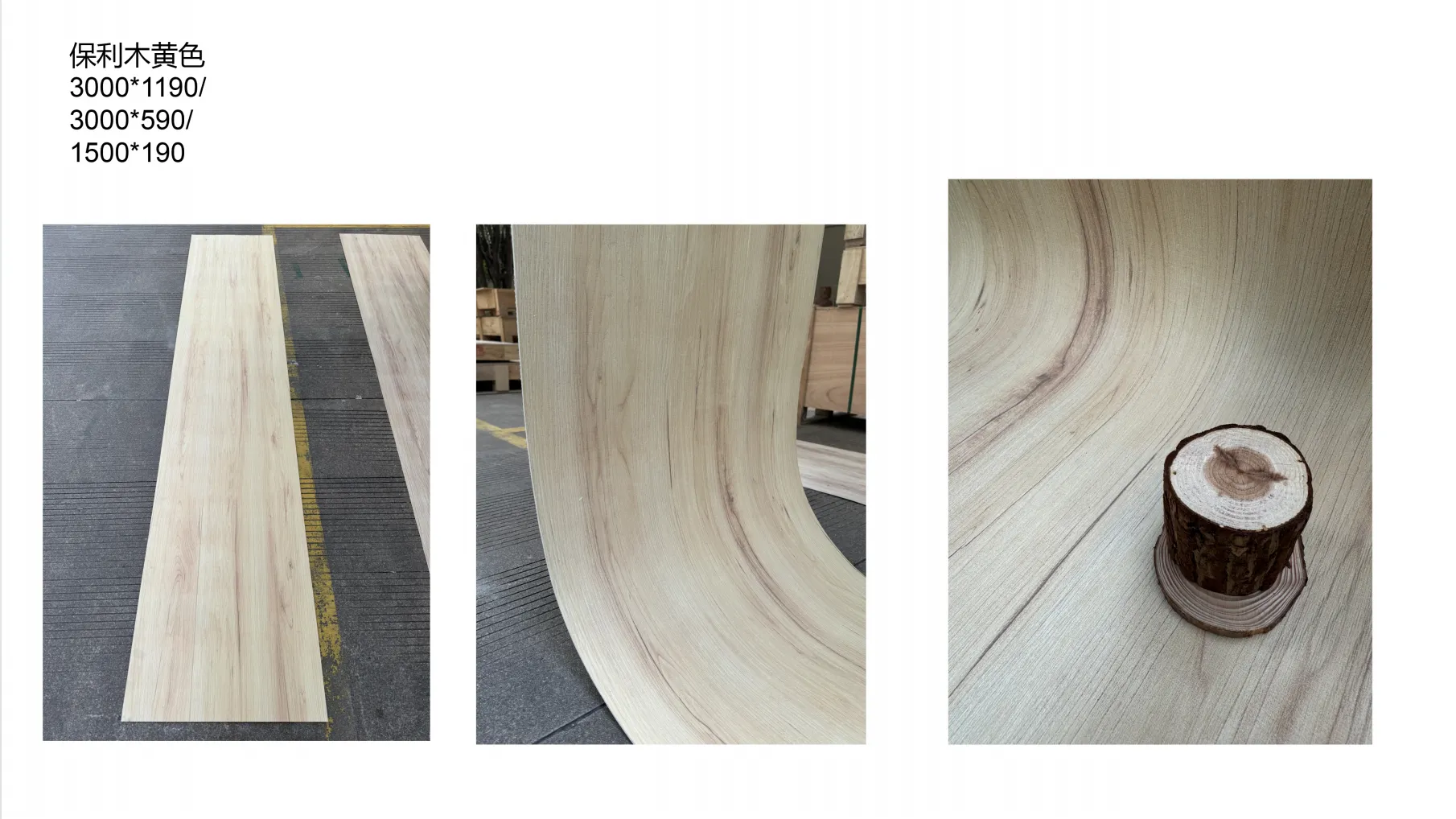
At first glance, poly wood board might look like traditional lumber, with its grain patterns and warm hues. But pick it up, and you'll notice the difference: it's denser, heavier than plastic but lighter than solid wood, and has a smooth, consistent texture. So what exactly is it? Poly wood (short for "polyethylene wood") is a composite material made from recycled plastic (think milk jugs, detergent bottles) and wood fibers (sawdust, wood chips from furniture manufacturing). These ingredients are blended with UV inhibitors, colorants, and additives to boost strength and resistance to the elements.
The result is a material that combines the best of both worlds: the look and feel of wood, with the durability of plastic. Unlike traditional wood, poly wood board doesn't splinter, crack, or rot. It's also eco-friendly—most manufacturers use 100% recycled materials, keeping plastic out of landfills and reducing the need to harvest new trees. And because it's made in a controlled factory setting, each board is consistent in color and size, eliminating the natural imperfections that make traditional wood installation a headache.
But poly wood board isn't just "plastic with wood dust." The manufacturing process matters. High-quality poly wood is extruded under high pressure and temperature, creating a dense, solid board that resists moisture and impact. Some brands even add additives to repel insects—no more worrying about termites munching through your deck. It's this attention to detail that makes poly wood board not just a substitute for wood, but a superior alternative, especially in harsh coastal environments.
So, what makes poly wood board the ultimate coastal champion? Let's start with the big one: saltwater resistance . Unlike wood, which soaks up moisture, poly wood is non-porous. Saltwater beads up and rolls off the surface, never penetrating the material. This means no mold, no mildew, and no rot—even if your deck is splashed by high tide or your fence stands inches from the shoreline. I spoke with Carlos, a contractor in Charleston, South Carolina, who installed poly wood decking on a beach house six years ago. "We just did a follow-up inspection," he told me. "The boards look brand new. No warping, no discoloration—you'd never guess they've been bombarded by salt spray and hurricane-force winds."
Then there's low maintenance . If you've ever owned a wooden deck, you know the drill: sanding, staining, sealing—usually every 1-2 years. With poly wood board, that's a thing of the past. A quick rinse with a hose is all it takes to keep it clean; for stubborn dirt, a little mild soap and a soft brush do the trick. No toxic chemicals, no weekends spent on upkeep, no worrying about splinters when your kids run barefoot. "I used to spend two weekends every spring staining my deck," says Maria, a homeowner in Cape Cod. "Now I spend those weekends kayaking with my family. That alone was worth the switch."
Durability is another standout feature. Poly wood board is designed to last 25-30 years—three times longer than the average wooden deck. It doesn't fade in the sun, thanks to UV inhibitors, and it won't crack in freezing temperatures or warp in humidity. Even heavy rain and salt-laden winds barely leave a mark. And let's talk aesthetics: poly wood comes in a range of colors, from warm cedar to driftwood gray to bold navy, so you can match your home's style. Some brands even offer wood-grain textures that are so realistic, guests often mistake them for the real thing.
Finally, there's sustainability . By using recycled plastic and wood fibers, poly wood board reduces reliance on virgin materials. It also keeps plastic out of oceans—a critical issue for coastal communities. And since it lasts decades, it reduces the need for frequent replacements, cutting down on waste. For eco-conscious homeowners, that's a win-win.
Still not convinced? Let's put poly wood board head-to-head with the alternatives. The table below breaks down key factors like salt resistance, maintenance, cost, and aesthetics to help you see why it's the top choice for coastal homes.
| Material | Saltwater Resistance | Annual Maintenance | Lifespan (Years) | Aesthetic Warmth |
|---|---|---|---|---|
| Poly Wood Board | Excellent (non-porous, repels salt) | Minimal (hose down + occasional soap rinse) | 25-30 | High (wood-like texture, warm tones) |
| Wood Concrete Board | Fair (absorbs moisture, prone to swelling) | Moderate (seal every 2-3 years) | 15-20 | Medium (cool, industrial feel) |
| Fair-Faced Concrete | Good (dense, but stains easily) | High (power wash 2-3x/year, stain removal) | 30+ | Low (raw, utilitarian look) |
| Travertine (Beige) | Poor (porous, absorbs saltwater) | High (seal yearly, professional cleaning) | 15-20 (with heavy maintenance) | Very High (natural stone beauty) |
| Rust Board (Metal) | Poor (corrodes rapidly in saltwater) | Extensive (rust removal, repainting) | 5-10 | Medium (industrial, but fades with rust) |
The table tells the story: poly wood board outperforms alternatives in nearly every category that matters to coastal homeowners. It combines the warmth of wood with the resilience of modern materials, all while keeping maintenance to a minimum.
Poly wood board isn't just for decks—though it's a star there. Its versatility makes it perfect for a range of coastal applications, both inside and out. Let's start with outdoor living areas : decks, patios, and pool surrounds. These spaces take the brunt of coastal weather, but poly wood stands up to it. Imagine a deck that stays cool underfoot even on hot summer days (unlike concrete or stone) and doesn't splinter when wet. Or a poolside patio where chlorine and saltwater won't discolor the surface. In Gulf Shores, Alabama, a resort recently replaced all their wooden pool loungers with poly wood ones; guests rave about how comfortable they are, and staff love that they don't require constant refinishing.
Fences and privacy screens are another ideal use. Traditional wooden fences warp and rot near the coast, leaving gaps that compromise privacy. Poly wood fences stay straight and strong, even in high winds. They also come in slat designs that let in light while blocking prying eyes, creating a cozy, secluded vibe. And since they're lightweight, they're easier to install than stone or concrete barriers—no need for heavy machinery or reinforced posts.
Don't overlook outdoor furniture . A poly wood dining set can sit outside year-round, through rain, snow, and salt spray, without rusting, fading, or rotting. Some brands even make Adirondack chairs and swings that look just like their wooden counterparts but last three times as long. "I leave my poly wood table outside all winter," says Tom, a homeowner in Maine. "Last year, we had a nor'easter with 70 mph winds. The table didn't budge, and it still looks great in the spring."
Finally, cladding and siding . Poly wood boards can be used to cover exterior walls, adding texture and warmth to modern or traditional homes. Unlike vinyl siding, which can crack in cold weather, poly wood is flexible enough to withstand temperature fluctuations. And because it's lightweight, it doesn't add extra strain to the home's structure—perfect for beach houses built on stilts or piers.
While poly wood board is low-maintenance, proper installation is key to maximizing its lifespan. Here are a few coastal-specific tips from the pros:
Let's talk numbers. Yes, poly wood board costs more upfront than pressure-treated wood—usually 20-30% more. But when you factor in long-term savings, it's a no-brainer. A wooden deck costs $3,000-$5,000 to install and needs replacing every 7-10 years. Over 30 years, that's 3-4 replacements, totaling $9,000-$20,000. A poly wood deck costs $4,000-$6,500 upfront but lasts 30+ years, with minimal maintenance. That's a savings of $5,000-$13,500 over three decades—plus, you avoid the hassle of repeated installations.
Then there's property value . Homes with low-maintenance, durable features like poly wood decks or fences often sell faster and for higher prices. "Buyers love knowing they won't have to replace the deck in five years," says Lisa, a real estate agent in Wilmington, North Carolina. "I've seen poly wood features add 2-3% to a home's resale value—more than enough to offset the initial cost."
And let's not forget the environmental impact . By choosing poly wood, you're keeping plastic out of landfills and reducing the demand for virgin wood. Many manufacturers also use renewable energy in production, making poly wood a greener choice than traditional materials. For eco-conscious coastal communities, this is a big selling point—after all, preserving the beauty of the coast means protecting the planet, too.
Coastal living shouldn't mean constantly fighting against the elements. It should mean enjoying the waves, the breeze, and the moments that make life by the sea so special. With poly wood board, you can have both—the beauty of natural materials and the resilience to withstand coastal weather. It's a material that understands the unique challenges of saltwater, humidity, and harsh winds, and it rises to meet them with grace.
Whether you're building a new beach house, renovating an existing home, or simply upgrading your outdoor space, poly wood board offers a solution that's as practical as it is beautiful. It's time to stop replacing rotting decks and rusting railings and start enjoying your coastal home the way you should—with peace of mind and plenty of time to savor the view.
After all, the best part of coastal living isn't the materials that build your home—it's the life you live in it. Poly wood board just makes that life a little easier, a little more sustainable, and a whole lot more enjoyable.
Recommend Products












