
Crafting spaces where learning thrives—one durable, student-friendly material at a time
Walk into any school, and you'll notice it's more than just walls and desks. It's a place where curiosity sparks, friendships form, and little hands (and feet) are constantly on the move. From kindergarteners racing down hallways to high schoolers collaborating on group projects, educational facilities endure a unique kind of wear and tear. That's why choosing the right materials isn't just about aesthetics—it's about creating environments that keep students safe, stand up to daily chaos, and feel warm enough to inspire learning. Enter poly wood board: a material that's quietly revolutionizing how we build and design these spaces. But it doesn't stop there—complementary options like MCM flexible stone, fair-faced concrete, and wood concrete board are joining the mix, offering even more ways to balance practicality with personality.
Schools, colleges, and universities aren't like offices or retail stores. They're dynamic, high-traffic zones where durability meets a critical need: safety. Think about it—young children put everything in their mouths, teens drag chairs across floors, and spills (from juice boxes to science experiments) are a daily occurrence. Add to that the desire for spaces that feel welcoming (not cold or institutional), and you've got a design challenge that demands materials with multiple superpowers.
Traditional materials often fall short. Solid wood, while warm, scratches easily, warps with moisture, and can splinter—a hazard for little hands. Concrete, though tough, feels cold and uninviting in classrooms. Vinyl flooring peels over time, and laminates bubble when exposed to spills. What educators and designers need is something that checks all the boxes: safe, tough, easy to clean, and aesthetically pleasing. That's where poly wood board steps in—and it's bringing friends along for the ride.
If there's one non-negotiable in schools, it's safety. Poly wood board nails this by design. Unlike traditional wood, which can splinter or crack, poly wood is a composite material made from recycled plastic and wood fibers, fused together under high pressure. The result? A surface that's smooth to the touch, with zero splinters. It's also free from harmful chemicals like formaldehyde or BPA, making it ideal for classrooms where kids spend hours each day. Even better, it's resistant to mold and mildew—perfect for humid environments like indoor pools or art rooms where moisture loves to linger.
Let's talk about the "daily grind." In a classroom full of energetic 8-year-olds, desks get kicked, chairs scrape, and books are dropped (or thrown, let's be honest). Poly wood board laughs in the face of this chaos. It's resistant to dents, scratches, and stains—even from markers or glue (yes, the permanent kind). Unlike solid wood, it won't warp if a water bottle spills and sits overnight, and it holds up to UV rays, so it won't fade if used in sunlit rooms or outdoor covered areas like patio classrooms. Teachers will tell you: less time spent fixing damaged furniture means more time focusing on lessons.
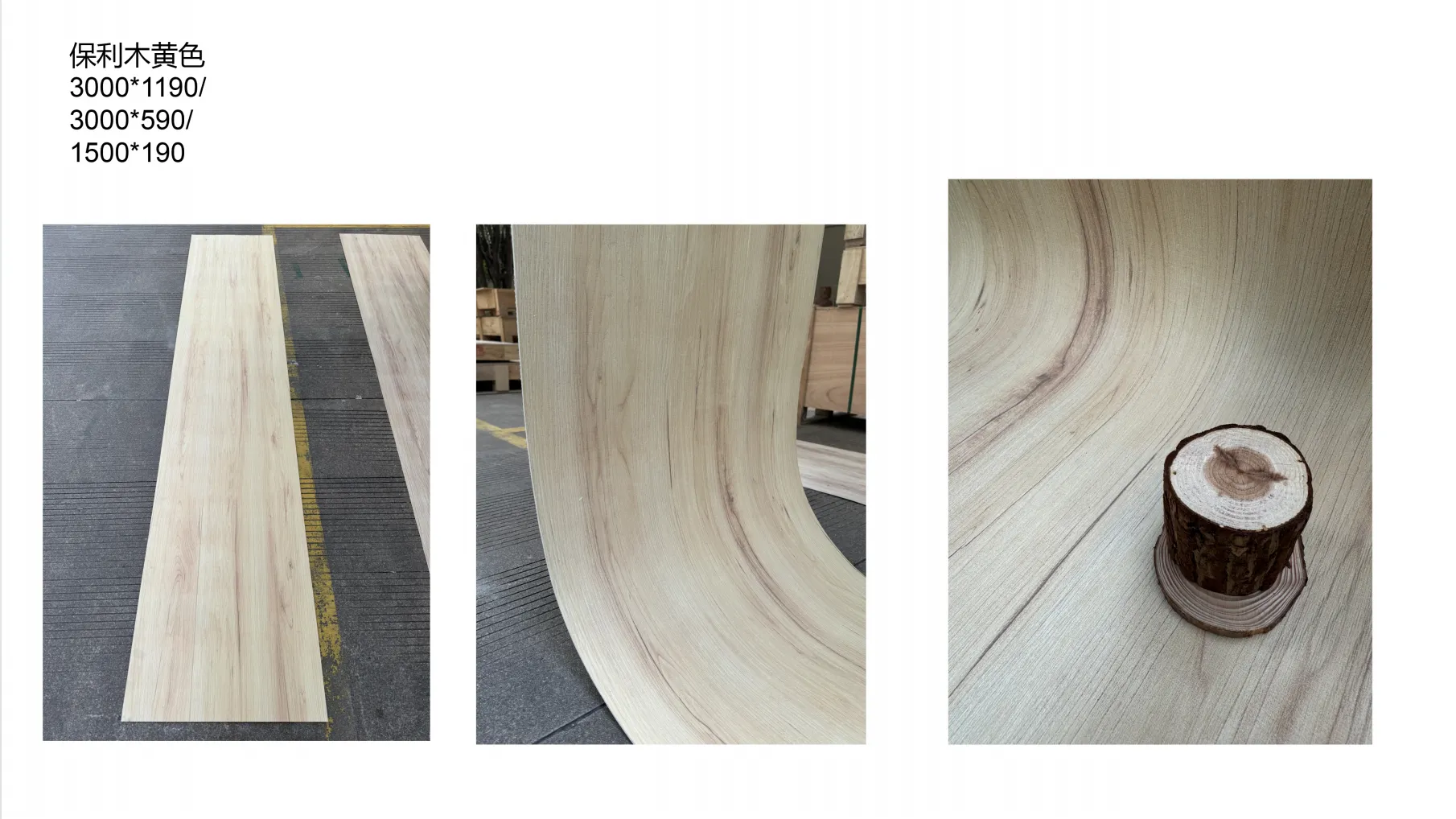
Schools shouldn't feel like sterile boxes—and poly wood board ensures they don't. It mimics the look and texture of real wood, with grains and tones that range from light oak to rich walnut. This warmth transforms cold classrooms into cozy spaces where students feel at ease, which research shows can boost focus and engagement. And because it's a composite, you get consistency—no two boards look drastically different, so walls, shelves, or tabletops have a polished, unified look. It's the best of both worlds: the beauty of wood without the high maintenance.
Poly wood board is a star, but even stars need a supporting cast. Educational spaces are diverse—think classrooms, hallways, cafeterias, labs, and playgrounds—and each area has unique needs. That's where materials like MCM flexible stone, fair-faced concrete, and wood concrete board shine, adding versatility and style to the mix.
Hallways and common areas see more foot traffic than any other part of a school. They need materials that can handle backpacks, rolling carts, and the occasional skateboard (we see you, middle schoolers). MCM flexible stone is up to the task. Made from natural stone particles and a flexible backing, it's thin, lightweight, and incredibly durable—resistant to scratches, stains, and impacts. But what really sets it apart is its design flexibility. It comes in textures that mimic everything from rough-hewn stone to smooth marble, and colors that range from earthy beiges to bold grays. Imagine a hallway lined with MCM flexible stone in a warm travertine finish—it feels elegant but can take a beating. It's also water-resistant, making it perfect for entryways where umbrellas and wet boots are the norm.
For schools going for a modern, industrial vibe—think science labs, auditoriums, or maker spaces—fair-faced concrete is a game-changer. Unlike traditional concrete, which is often covered in paint or tiles, fair-faced concrete is left exposed, showcasing its raw, textured surface. It's incredibly durable (resistant to fire, chemicals, and heavy use) and easy to clean—just wipe down with a damp cloth, even after a chemistry experiment gone wrong. And while "concrete" might sound cold, when paired with poly wood accents (like poly wood chairs or shelves), it creates a balanced, contemporary look that feels both edgy and inviting. It's also cost-effective, making it a smart choice for large spaces with tight budgets.
What if you want the warmth of wood and the strength of concrete? Enter wood concrete board. This hybrid material combines wood fibers with concrete, resulting in a panel that's lightweight, strong, and visually striking. It's perfect for accent walls in libraries or media centers, where you want a focal point that's both durable and cozy. It's also moisture-resistant, so it works well in cafeterias or near sinks. Like poly wood board, it's low-maintenance—no sealing or staining required—and it ages gracefully, developing a subtle patina over time that adds character to the space.
| Material | Best For | Key Strengths | Maintenance Level |
|---|---|---|---|
| Poly Wood Board | Classrooms, shelves, furniture | Splinter-free, moisture-resistant, wood-like appearance | Low (wipe clean with soap and water) |
| MCM Flexible Stone | Hallways, entryways, accent walls | Impact-resistant, scratch-proof, design versatility | Low (resistant to stains, easy to wipe) |
| Fair-Faced Concrete | Labs, auditoriums, modern spaces | Fire-resistant, chemical-resistant, industrial aesthetic | Very low (minimal cleaning needed) |
| Wood Concrete Board | Libraries, media centers, accent walls | Hybrid strength, warm texture, moisture-resistant | Low (no sealing required) |
Don't just take our word for it—schools across the country are already reaping the benefits of these materials. Take Lincoln Elementary in Portland, Oregon, which recently renovated its classrooms with poly wood board tabletops. "We used to replace wooden desks every two years because they'd get scratched or warped," says Principal Maria Gonzalez. "Now, after three years, the poly wood tabletops still look brand new. And the kids love them—they say they feel like 'real wood' but smoother."
Over in Austin, Texas, Westlake High School opted for MCM flexible stone in its main hallway. "Between lockers slamming and students rushing to class, we needed something that could handle the chaos," explains facilities manager James Carter. "The stone has held up perfectly—no chips, no stains, and it still looks as sharp as the day we installed it. Plus, the earthy tone makes the hallway feel less like a tunnel and more like a welcoming space."
And at Pine Ridge Middle School in Colorado, the science wing features fair-faced concrete walls paired with poly wood lab counters. "Spills happen—acids, bases, you name it," says science teacher Mr. Patel. "The concrete walls wipe clean in seconds, and the poly wood counters don't react to chemicals. It's practical, but it also looks cool—students actually comment on how 'modern' the labs feel, which makes them more excited to be here."
Educational facilities are more than buildings—they're places where young minds grow, explore, and learn. The materials we choose play a silent but powerful role in that journey. Poly wood board, with its focus on safety, durability, and warmth, is leading the charge, proving that practicality doesn't have to mean sacrificing heart. When paired with complementary materials like MCM flexible stone, fair-faced concrete, and wood concrete board, it creates spaces that are tough enough to handle the chaos of school life, safe enough to protect our kids, and beautiful enough to inspire them. Because at the end of the day, a school that feels like a second home? That's where the best learning happens.
Recommend Products












