
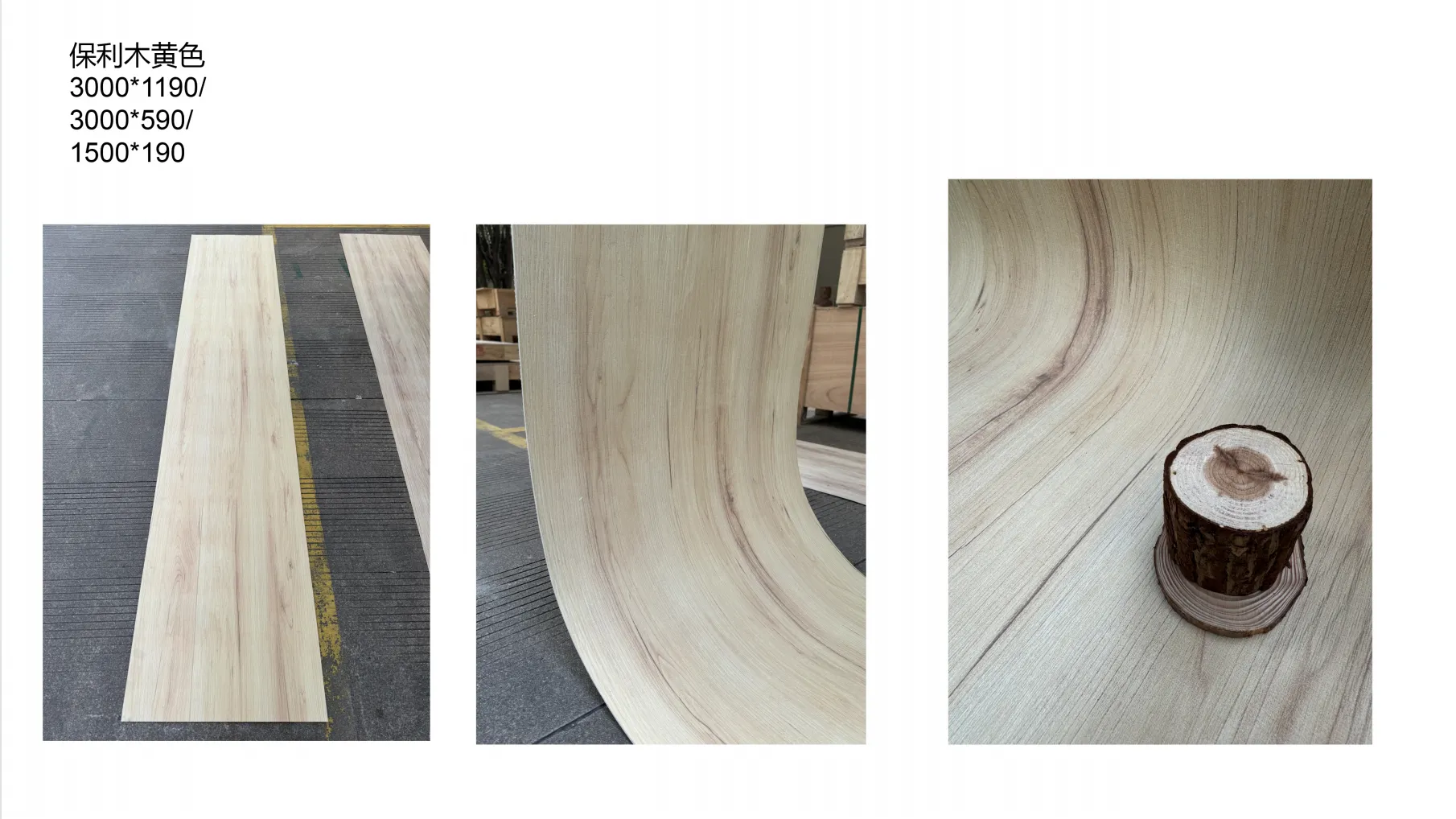
Step into any healthcare facility, and you'll quickly realize it's more than just a building—it's a space where healing happens, where stressed families find comfort, and where overworked staff spends hours caring for others. Every detail matters here: the softness of the lighting, the calmness of the color palette, and yes, the materials beneath our feet and on the walls. These surfaces don't just fill a functional role; they shape the atmosphere, influence how clean we feel the space is, and even impact patient recovery. In a world where healthcare settings demand both cleanliness and long-lasting resilience, one material has quietly emerged as a game-changer: Poly Wood Board. Let's dive into why this unassuming material is becoming the go-to choice for designers, facility managers, and healthcare professionals alike.
Healthcare environments are unlike any other. They're subjected to round-the-clock use, frequent deep cleaning with industrial-grade disinfectants, and constant exposure to moisture—think spilled liquids, steam from sterilizers, or even the occasional rain tracked in from outside. Add to that the need to prevent the spread of pathogens, and it's clear: the materials used here can't just be "good enough." They need to be exceptional .
Traditional options often fall short. Take natural stone like travertine (beige), for example. Its porous surface, while beautiful, acts like a sponge for bacteria and grime, requiring constant sealing to stay hygienic—a tedious and costly upkeep. Then there's fair-faced concrete, praised for its durability but cold to the touch and prone to cracking if not installed perfectly. Even polished concrete, a staple in many modern spaces, can feel sterile and unwelcoming, lacking the warmth that helps patients relax.
And let's not forget about wear and tear. Wheelchairs, stretchers, and medical carts roll over floors hundreds of times a day; walls get bumped by equipment; surfaces are wiped down with harsh chemicals multiple times an hour. Materials that scratch easily, stain, or degrade under these conditions don't just look shabby—they become a liability. A cracked wall panel or a stained floor isn't just an eyesore; it's a potential breeding ground for germs and a sign that the facility might be cutting corners on care.
Enter Poly Wood Board—a material designed with the chaos and compassion of healthcare in mind. At first glance, it might remind you of the warm, organic texture of wood grain board, but don't let the aesthetics fool you. This isn't your average wood panel. It's a engineered composite that marries the best of nature and technology, and it's quickly becoming a favorite for one simple reason: it solves the two biggest headaches in healthcare design—hygiene and durability—without sacrificing soul.
When it comes to healthcare, hygiene isn't negotiable. Poly Wood Board's secret weapon here is its non-porous surface. Unlike natural materials like travertine (beige) or even some types of marble, it has no tiny cracks or pores where bacteria, mold, or mildew can hide. Think of it as a shield: when you wipe it down with disinfectants (even the strong stuff, like bleach or hydrogen peroxide), the germs don't stand a chance. They're simply lifted away, leaving no residue behind.
This is a game-changer for infection control teams. No more worrying about "deep cleaning" that never quite reaches the crevices, or costly resealing every few months to keep porous materials from becoming germ hotspots. With Poly Wood Board, a quick wipe is all it takes to keep surfaces safe—saving time, reducing labor costs, and giving staff one less thing to stress about during their busy shifts.
Healthcare facilities don't take days off, and neither should their materials. Poly Wood Board is built tough, with a core that resists dents, scratches, and impacts. Wheelchairs rolling over it? No problem. Medical carts bumping into walls? It stays intact. Even repeated exposure to moisture—like in bathrooms, dialysis units, or near sinks—won't warp or swell it, unlike traditional wood or some lower-quality composites.
What's most impressive, though, is how it ages. Unlike foamed aluminium alloy board (vintage silver), which can show fingerprints and scratches easily, or rough granite stone (medium grey), which can chip at the edges, Poly Wood Board maintains its appearance for years. It doesn't fade under harsh lighting, and it resists stains from everything from iodine to coffee spills. For facility managers, this means fewer repairs, less frequent replacements, and a space that continues to look fresh and welcoming—even after years of heavy use.
Here's the thing about healthcare: it's not just about treating bodies—it's about caring for souls. Cold, sterile environments can increase anxiety in patients and staff alike. Poly Wood Board gets this. With its soft, wood-like texture and warm tones, it brings a touch of nature indoors, creating spaces that feel less like "hospitals" and more like "healing homes."
Compare that to fair-faced concrete, which can feel clinical and unwelcoming, or polish concrete, which often looks sleek but lacks warmth. Poly Wood Board bridges the gap between function and feeling, proving that a material can be tough and inviting. Patients recovering from surgery, families waiting for updates, staff working long shifts—everyone benefits from a space that feels less institutional and more human. It's a small detail, but in healthcare, small details can make a big difference in how people experience care.
To really understand why Poly Wood Board is gaining traction, let's put it head-to-head with some common alternatives. Below is a breakdown of how it compares to other materials often considered for healthcare spaces—from traditional favorites to newer options.
| Material | Hygiene (Non-Porous/Resistant to Germs) | Durability (Scratch/Impact/Moisture Resistance) | Maintenance (Ease of Cleaning/Upkeep) | Aesthetic (Warmth/Comfort Level) | Suitability for Healthcare |
|---|---|---|---|---|---|
| Poly Wood Board | ★★★★★ (Non-porous, easy to disinfect) | ★★★★★ (Resists dents, scratches, moisture) | ★★★★★ (Wipe with disinfectant; no sealing needed) | ★★★★☆ (Warm wood-like texture; inviting) | ★★★★★ (Ideal for high-traffic, high-hygiene areas) |
| Travertine (Beige) | ★★☆☆☆ (Porous; requires frequent sealing) | ★★★☆☆ (Prone to staining and chipping) | ★★☆☆☆ (Needs regular sealing; hard to deep clean) | ★★★★☆ (Natural, elegant look) | ★★☆☆☆ (Risk of germ buildup; high maintenance) |
| Fair-Faced Concrete | ★★★☆☆ (Semi-porous; can harbor germs in cracks) | ★★★★☆ (Durable but prone to cracking) | ★★★☆☆ (Needs sealing; stains can be hard to remove) | ★★☆☆☆ (Cold, industrial feel) | ★★★☆☆ (Durable but lacks warmth; higher maintenance) |
| Foamed Aluminium Alloy Board (Vintage Silver) | ★★★★☆ (Non-porous; easy to clean) | ★★★★☆ (Lightweight but prone to scratches/fingerprints) | ★★★★☆ (Wipes clean but shows smudges easily) | ★★☆☆☆ (Metallic, cold appearance) | ★★★☆☆ (Hygienic but lacks warmth; better for accents) |
| Polish Concrete | ★★★★☆ (Non-porous when sealed) | ★★★★★ (Extremely hard; resists scratches) | ★★★☆☆ (Needs periodic resealing; can be slippery when wet) | ★☆☆☆☆ (Very cold, sterile look) | ★★★☆☆ (Durable but uninviting for patient areas) |
As the table shows, Poly Wood Board isn't just good—it's consistently strong across the board. It outperforms traditional materials in hygiene and maintenance, matches the durability of industrial options like concrete, and adds a warmth that's missing from most "practical" choices. It's the rare material that doesn't force healthcare facilities to choose between function and feeling.
Talk is cheap—what really matters is how a material performs in the real world. Across the country, healthcare facilities are already swapping out old materials for Poly Wood Board, and the results are speaking for themselves. Let's take a look at a few places where it's making a difference:
In pediatric wards, where calming environments are key to easing young patients' fears, Poly Wood Board has become a staple. One children's hospital in Oregon replaced cold, chipped paint walls with Poly Wood panels in soft, warm tones, and staff noticed an immediate change: kids were less anxious, and parents reported feeling more at ease in the space. The panels stand up to sticky fingers, crayon marks, and frequent wipe-downs, all while maintaining a cozy, home-like feel.
Hospital corridors see more foot traffic than almost any other space—nurses rushing to emergencies, visitors wheeling in supplies, patients being transported to tests. At a large medical center in Texas, the corridors were once lined with polish concrete, which was durable but slippery and noisy. After switching to Poly Wood Board flooring, staff noted quieter hallways (the material dampens sound) and fewer slips, thanks to its textured surface. Plus, it still looks brand-new after two years of constant use.
Waiting rooms are where stress runs high, and small comforts matter most. A cancer treatment center in Minnesota wanted to create a space that felt less like a clinic and more like a peaceful retreat. They chose Poly Wood Board for the walls and seating areas, pairing it with soft lighting and plants. Patients now comment on how "calming" the space feels, and staff say it's easier to keep clean—no more worrying about stains from spilled coffee or tears on fabric upholstery.
Even in the most sterile environments, Poly Wood Board finds a place. While operating tables and surgical tools require specialized materials, the surrounding areas—like prep rooms and staff changing areas—benefit from its hygiene and durability. A hospital in California used Poly Wood Board for locker doors and bench tops in their OR staff lounge, and the feedback has been overwhelmingly positive: it's easy to clean between shifts, resists scratches from keys and equipment, and adds a touch of warmth to an otherwise high-stress space.
At the end of the day, Poly Wood Board isn't just about hygiene or durability—it's about investing in the people who use healthcare spaces. It's about giving patients a environment that feels safe and welcoming, staff a workspace that's easy to maintain and pleasant to be in, and facility managers a material that saves time, money, and headaches in the long run.
In a world where healthcare is constantly evolving, the materials we choose should evolve too—away from cold, clinical, and high-maintenance options, and toward solutions that balance function with humanity. Poly Wood Board does just that. It's proof that even in the most demanding settings, we don't have to sacrifice heart for practicality. After all, healing isn't just about medicine—it's about the spaces where healing happens. And with Poly Wood Board, those spaces are becoming a little more caring, a little more resilient, and a lot more ready to support the hard work of healthcare.
So the next time you walk into a healthcare facility, take a closer look at the walls and floors. If they feel warm, clean, and inviting, there's a good chance Poly Wood Board is behind it—and that's a sign that someone, somewhere, cared enough to choose materials that heal, not just house.
Recommend Products












