
In the world of hospitality design, every material tells a story. From the moment a guest steps through the door, the textures, colors, and finishes around them shape their experience—whether it's the warmth of a lobby that feels like a home away from home, the serenity of a spa that invites relaxation, or the durability of a terrace that withstands the elements while staying visually stunning. Among the materials redefining this landscape, poly wood board has emerged as a standout choice for hotels and resorts. Blending the timeless appeal of wood with modern engineering, it offers a rare combination of aesthetics, functionality, and sustainability that resonates with both designers and guests alike.
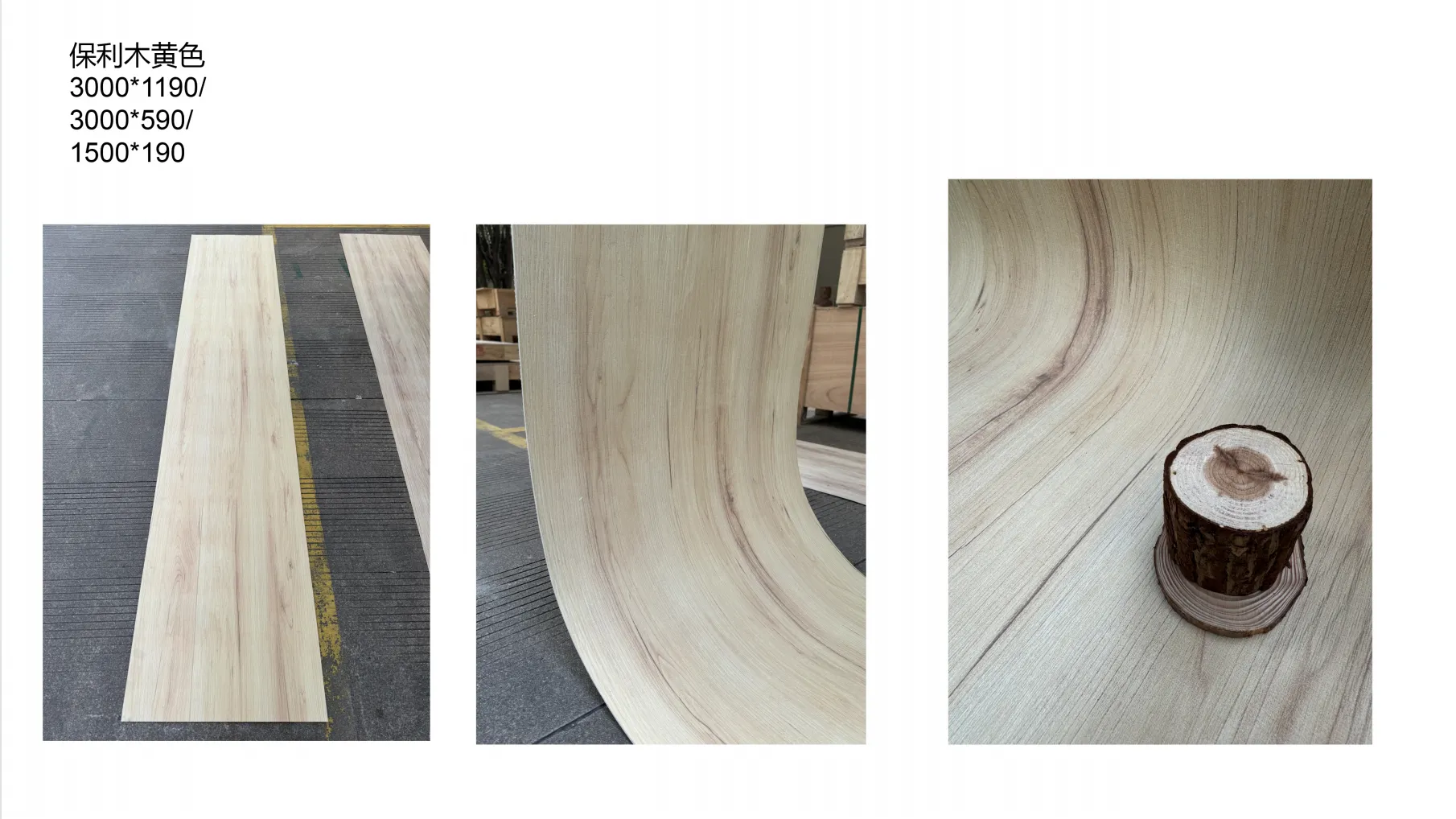
At its core, poly wood board is a modified composite material designed to mimic the look and feel of natural wood—without the drawbacks. Crafted from a blend of recycled plastics, wood fibers, and binding agents, it's engineered to resist the common pitfalls of traditional wood: warping in moisture, fading under sunlight, cracking from temperature swings, and damage from pests. The result? A material that captures the warmth of wood grain, the richness of natural tones, and the versatility to fit any design vision—from rustic lodges to sleek, contemporary resorts.
But poly wood board isn't just a "wood alternative." It's a material with its own identity. Available in a spectrum of finishes—from smooth, polished surfaces that evoke modern minimalism to textured, grainy patterns that nod to coastal or cabin-style charm—it adapts to the unique personality of each space. And with colors ranging from soft beiges and warm oaks to bold hues like rusty red or deep walnut, it's easy to see why designers are drawn to its flexibility.
Hospitality spaces face unique demands. They need to look beautiful and stand up to heavy foot traffic, frequent cleaning, and exposure to the elements (for outdoor areas). Poly wood board checks all these boxes—and more. Here's why it's becoming a go-to for hospitality projects:
Let's dive into how poly wood board transforms specific areas of hotels and resorts, enhancing both function and guest experience.
The lobby is a hotel's "front door"—the space where guests form their first opinion. Here, poly wood board shines as a material that balances grandeur with approachability. Imagine a reception desk wrapped in warm, honey-toned poly wood, its smooth surface contrasting elegantly with fair-faced concrete walls. The wood-like texture adds warmth, while the material's durability ensures the desk stays scratch-free even during peak check-in times. Nearby, seating areas might feature poly wood accent walls, their vertical grain adding height and depth to the space, or coffee tables with poly wood tabletops that resist water rings from morning lattes or evening cocktails.
For resorts aiming for a more organic vibe, poly wood board can be paired with wood grain board—a complementary material that amplifies the natural aesthetic. Together, they create a cohesive look that feels grounded and inviting, like stepping into a luxury cabin in the woods (minus the upkeep of real wood).
Guest rooms are sanctuaries, and the materials here need to feel cozy and hold up to daily use. Poly wood board excels in this role, often appearing in headboards, accent walls, or even custom furniture. A king-sized bed with a poly wood headboard in a rich walnut finish adds warmth to the room, while its smooth surface is easy to wipe clean (no more worrying about scuffs from suitcases or accidental spills). In coastal resorts, light-toned poly wood paneling on walls can evoke the feel of driftwood, creating a serene, beachy atmosphere that guests love.
Even small touches make a difference. Poly wood shelving in closets resists moisture, ensuring it doesn't warp in humid climates, while window sills made from the material stand up to sun exposure without fading. For hotels targeting eco-conscious travelers, using poly wood board sends a clear message: this space is designed with both comfort and the planet in mind.
Restaurants and bars in hotels are bustling hubs, where spills, heat, and constant use are par for the course. Poly wood board is a natural fit here, often used for tabletops, bar fronts, or ceiling paneling. A rooftop bar with poly wood bar tops, for example, can withstand rain, sun, and the occasional spilled drink—all while maintaining its rich color and smooth texture. Indoor restaurants might opt for poly wood banquettes, their upholstered seats paired with poly wood frames that resist stains and scratches from busy diners.
Designers also love poly wood for its ability to set a mood. In a rustic mountain resort restaurant, poly wood in a weathered oak finish can complement stone fireplaces and leather seating, creating a cozy, cabin-like feel. In a modern, urban hotel bar, sleek, black poly wood paneling paired with metallic accents adds an edgy, sophisticated touch. The material's adaptability means it never feels out of place—no matter the cuisine or concept.
For resorts with outdoor amenities, poly wood board is a game-changer. Patios, terraces, pool decks, and cabanas all benefit from its weather-resistant properties. Unlike natural wood, which can splinter or become slippery when wet, poly wood board offers a safe, non-slip surface that's perfect for bare feet around the pool. Its resistance to UV rays means it won't fade to a dull gray after a summer of sun, and its impermeability to water prevents rot or mold—even in tropical climates with heavy rain.
Take, for example, a beachfront resort's ocean-view terrace. Decked in light-colored poly wood, it blends seamlessly with the sand and surf, creating a cohesive coastal look. Lounge chairs with poly wood frames resist saltwater spray, and dining sets on the terrace stay looking new season after season, without the need for constant refinishing. For mountain resorts, poly wood board can be used for outdoor fire pit surrounds or Adirondack chairs, adding warmth to snowy landscapes while standing up to freezing temperatures.
Spa and wellness areas demand materials that evoke tranquility and cleanliness. Poly wood board, with its soft textures and natural tones, fits right in. Imagine a spa treatment room with poly wood accent walls in a light beige finish, paired with bamboo mat board for a layered, organic look. The material's smooth surface feels calming to the touch, enhancing the sense of relaxation. In saunas or steam rooms, poly wood board's resistance to moisture makes it a safer alternative to natural wood, which can warp or harbor bacteria in humid conditions.
Even outdoor spa areas benefit. A yoga deck made from poly wood board provides a stable, non-slip surface for morning classes, while its warm color contrasts beautifully with lush greenery and stone pathways. For guests, it's a subtle detail that elevates the experience—making them feel cared for, from the moment they step onto the mat.
| Material | Durability | Maintenance | Aesthetic Appeal | Sustainability | Best For |
|---|---|---|---|---|---|
| Poly Wood Board | High (resists water, UV, pests) | Low (wipe clean; no staining/sealing) | Warm, wood-like; versatile colors/finishes | High (recycled materials; long lifespan) | Outdoor decks, restaurants, guest rooms |
| Wood Grain Board | Medium (prone to warping in moisture) | Medium (requires occasional sealing) | Authentic wood look; natural grain | Medium (depends on sourcing) | Indoor accent walls, furniture |
| Bamboo Mat Board | Medium (resists moisture but scratches easily) | Medium (avoid harsh cleaners) | Earthy, textured; tropical/rustic vibes | High (fast-growing, renewable resource) | Spa areas, beach resorts |
| Fair-Faced Concrete | Very high (durable, fire-resistant) | Low (seal occasionally; stains possible) | Industrial, sleek; modern/minimalist | Medium (high carbon footprint to produce) | Lobbies, contemporary bars |
To understand poly wood board's real-world value, look no further than the Azure Shores Resort, a boutique beachfront property in Bali. When the resort underwent a renovation in 2023, designers chose poly wood board for its ocean-view terrace, pool deck, and outdoor restaurant. "We needed something that could handle the salt air, rain, and intense sun without losing its beauty," says lead designer Mia Chen. "Traditional wood would have required constant maintenance—staining every six months, replacing boards that warped. With poly wood, we've had zero issues. The terrace still looks brand-new, even after a year of heavy use. Guests love how it feels underfoot—warm, not slippery—and the natural wood color ties perfectly with our thatched roofs and tropical landscaping."
The result? Higher guest satisfaction scores for "outdoor space quality" and reduced maintenance costs—proving that poly wood board isn't just a design choice, but a smart business investment.
As hotels and resorts continue to prioritize sustainability, durability, and guest experience, poly wood board's popularity is only set to grow. Innovations in manufacturing are expanding its possibilities: new textures that mimic reclaimed wood, even more color options, and thinner, lighter panels for easier installation. And as travelers increasingly seek out spaces that feel authentic yet low-maintenance, poly wood board offers the best of both worlds—natural charm without the hassle.
For designers, it's a tool to create spaces that tell stories. For resort owners, it's a way to invest in long-term durability. For guests, it's a subtle yet powerful part of what makes a stay memorable. In the end, poly wood board isn't just a material—it's a bridge between the past and the future, between nature and innovation, and between beauty and practicality. And in the world of hospitality, that's a bridge worth crossing.
So, whether you're designing a mountain retreat, a beachfront paradise, or a urban boutique hotel, consider poly wood board. It might just be the material that turns your vision into a space guests will remember—and return to—for years to come.
Recommend Products












