
In the world of luxury home design, materials are more than just building blocks—they're storytellers. They shape moods, reflect personalities, and turn houses into havens that feel both opulent and lived-in. Lately, one material has been quietly stealing the spotlight among top designers and homeowners alike: poly wood board. It's not just a trend; it's a testament to how innovation can blend the timeless charm of wood with the resilience modern living demands. Let's dive into why poly wood board is becoming a cornerstone of luxury home design, exploring its aesthetic allure, functional perks, and how it harmonizes with other premium materials like wood grain, fair-faced concrete, and travertine (beige) to create spaces that are as beautiful as they are practical.
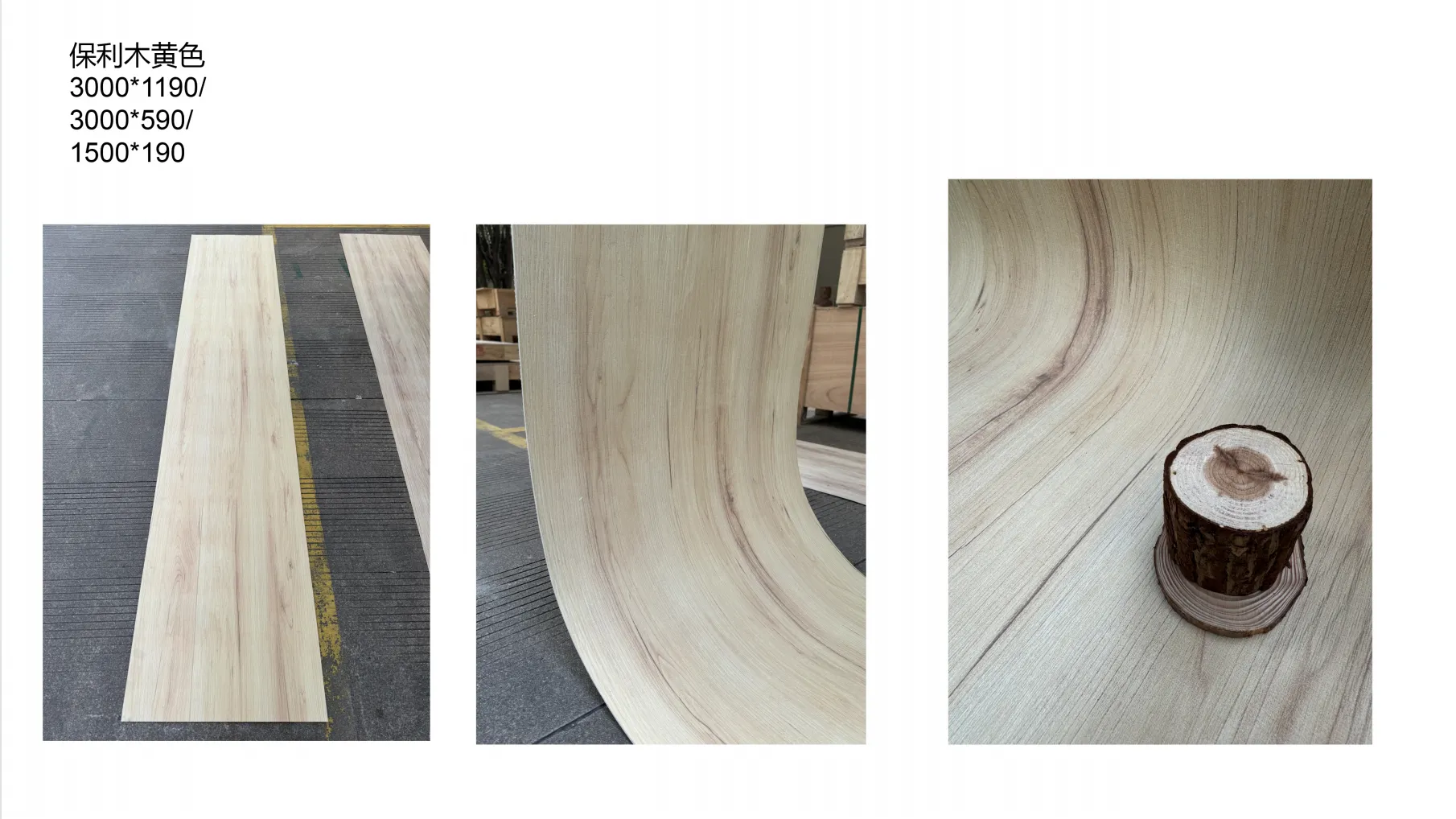
First things first: Let's demystify poly wood board. At its core, it's a composite material crafted from a blend of recycled wood fibers, high-density polyethylene (HDPE), and additives that boost durability and texture. Think of it as wood's smarter cousin—retaining the warm, organic look we love about timber but with a backbone built to withstand the elements, daily wear, and the test of time. Unlike traditional wood, it doesn't splinter, warp, or rot, and it skips the need for frequent staining or sealing. But what really sets it apart is its versatility: it can mimic the rough-hewn charm of reclaimed oak, the smooth elegance of teak, or even the subtle grain of bamboo, all while offering a range of colors and finishes that go beyond what nature alone provides.
Designers often describe poly wood board as "wood without the worry." It's the material that lets you have the rustic wooden accent wall in your minimalist living room without fretting over water damage from that floor-to-ceiling window. Or the sleek outdoor deck that looks like it's made of premium hardwood but stands up to rain, snow, and harsh UV rays without fading or cracking. In luxury homes, where every detail matters, that peace of mind is priceless.
Luxury design is all about balance—between bold statements and subtle details, between modernity and tradition. Poly wood board excels here, offering a chameleon-like ability to adapt to any design language, from coastal contemporary to industrial chic to classic Mediterranean. Let's break down its aesthetic superpowers.
One of the first things you notice when you run your hand over poly wood board is its texture. Unlike the flat, uniform surfaces of some synthetic materials, poly wood board is engineered to mimic the natural inconsistencies of real wood—those tiny knots, grain patterns, and slight variations in tone that make wood feel alive. Take, for example, the wood grain board finish: it replicates the swirling patterns of oak or maple so accurately that guests often do a double-take, asking, "Is this real wood?" It's that authenticity that makes it a favorite for creating focal points, like a fireplace surround or a kitchen island front, where texture takes center stage.
But poly wood board doesn't stop at wood grain. Some finishes lean into modern minimalism, with smooth, matte surfaces that pair beautifully with fair-faced concrete walls. Others embrace rustic charm, with a rough-sawn look that complements masonry stone accents in a countryside villa. The key is that it doesn't just look good—it feels intentional, like a material chosen with care to evoke a specific emotion, whether that's coziness, sophistication, or laid-back luxury.
Gone are the days when "wood-look" meant only honey blonde or dark walnut. Poly wood board comes in a spectrum of hues that cater to the most discerning tastes. Warm neutrals like soft beiges and rich chestnuts blend seamlessly with travertine (beige) flooring, creating a cohesive, earthy palette that feels grounded and serene—perfect for a master bedroom retreat. For a bolder statement, deep charcoal or ebony finishes add drama to a living room, especially when paired with metallic accents or light-colored walls. Even unexpected shades like weathered gray or driftwood blue have their place, adding a coastal vibe to a sunroom or outdoor patio without the risk of fading from saltwater or sun exposure.
What's impressive is how these colors hold up over time. Unlike real wood, which can darken, lighten, or develop uneven patinas, poly wood board's color is infused throughout the material, not just painted on top. That means no chipping, peeling, or patchy fading—even after years of foot traffic or harsh weather. It's a relief for homeowners who want their luxury spaces to look as stunning on year five as they did on move-in day.
The best materials in luxury design don't exist in isolation—they play off each other to create layered, dynamic spaces. Poly wood board is a team player, complementing and enhancing other high-end materials in ways that feel curated, not cluttered. For instance, imagine a kitchen where poly wood board cabinetry (in a warm oak finish) frames sleek fair-faced concrete countertops. The contrast of soft wood and industrial concrete creates visual interest, while both materials share a tactile quality that invites touch. It's a balance of warmth and edge that feels modern yet timeless.
Or consider a bathroom with travertine (beige) walls and a poly wood board vanity. The travertine's natural veining and porous texture add depth, while the poly wood brings warmth and softens the stone's coolness. Together, they create a spa-like atmosphere that's both luxurious and relaxing. Even when paired with more rugged materials like masonry stone, poly wood board acts as a bridge, softening the stone's heaviness with its organic lines. It's this versatility that makes it a go-to for designers who want to mix materials without creating visual chaos.
Luxury isn't just about looking good—it's about living well. And when it comes to functionality, poly wood board checks every box, making it a practical choice for even the most demanding luxury homes. Let's break down why durability, sustainability, and low maintenance matter in high-end design, and how poly wood board delivers on all three.
Luxury homes often feature spaces that blur the line between indoors and outdoors—think expansive patios, poolside cabanas, and floor-to-ceiling windows that open to gardens. In these areas, materials take a beating: rain, humidity, UV rays, and even pool chemicals can wreak havoc on traditional wood. Poly wood board, though, is built to resist it all. Its HDPE core is waterproof, so it won't swell, rot, or develop mold, even in damp environments like a bathroom or a covered porch in a rainy climate. Termites and other pests? They'll pass it by, since there's no organic material for them to feed on. And unlike real wood, it won't splinter, crack, or warp under extreme temperatures, making it ideal for homes in harsh climates, from snowy mountain retreats to sun-scorched desert villas.
Take, for example, a luxury home in Miami with an outdoor kitchen and dining area. The countertops and cabinetry are made of poly wood board in a warm teak finish. Despite daily exposure to humidity, salt air, and afternoon sun, they've retained their color and texture for years—no peeling, no warping, no need for annual sanding or sealing. That's the kind of durability that turns a beautiful space into a practical beautiful space, one that's meant to be used and enjoyed, not just admired from afar.
Today's luxury homeowners aren't just buying beauty—they're buying peace of mind, and that includes knowing their home is built with sustainability in mind. Poly wood board shines here, too. Most poly wood boards are made from recycled materials: up to 95% of their composition is reclaimed wood fibers (from sawdust, wood scraps, and even old pallets) and recycled HDPE (from plastic bottles and containers). By repurposing these materials, poly wood board reduces the demand for virgin timber and keeps plastic out of landfills—a win for the planet that aligns with the eco-conscious values of many luxury buyers.
What's more, poly wood board's longevity means less waste over time. A real wood deck might need to be replaced every 10–15 years; a poly wood deck can last 25–30 years or more with minimal upkeep. That's fewer resources used in manufacturing and less debris ending up in landfills. For homeowners who want their luxury lifestyle to coexist with environmental responsibility, poly wood board is a material that lets them have both.
Let's be honest: Luxury should make life easier, not more complicated. No one wants to spend weekends sanding, staining, or sealing wood surfaces when they could be enjoying their home. Poly wood board eliminates that hassle. Cleaning it is as simple as wiping with a damp cloth or hosing it down—no special cleaners, no scrubbing, no fuss. Spills? Wipe them up, and they won't stain. Scratches? They're far less noticeable than on real wood, and many minor marks can be buffed out with a soft cloth. Even mold and mildew, which love to take hold in damp corners of real wood, struggle to grow on poly wood board's non-porous surface.
For busy professionals or second-home owners who don't have time for constant maintenance, this is a game-changer. Imagine owning a luxury mountain cabin that sits empty for months at a time—with poly wood board floors and cabinetry, you can walk in after a long absence and find everything looking as fresh as the day you left. No musty smells, no warped boards, no last-minute repairs before guests arrive. It's luxury that lets you relax, not stress.
To truly understand why poly wood board is a standout choice for luxury homes, it helps to see how it compares to other popular materials. Below is a breakdown of how poly wood board measures up against masonry stone, fair-faced concrete, and travertine (beige) across key factors like aesthetics, durability, maintenance, and cost.
| Material | Aesthetic Appeal | Durability | Maintenance | Cost Range* | Best For |
|---|---|---|---|---|---|
| Poly Wood Board | Warm, wood-like texture; versatile colors/finishes; blends with natural and modern styles | High: Resistant to moisture, pests, UV rays, and warping; lasts 25–30+ years | Low: Wipe clean with water; no staining, sealing, or sanding needed | Mid-Range: $8–$15/sq ft | Indoor/outdoor accents, cabinetry, decks, wall panels, furniture |
| Masonry Stone | Rustic, organic texture; earthy tones; adds (heft) to spaces | Very High: Fire-resistant, weatherproof; lasts 50+ years | Moderate: Sealing every 2–3 years; prone to staining if not sealed | High: $15–$30/sq ft | Fireplaces, accent walls, exterior cladding, walkways |
| Fair-Faced Concrete | Industrial, minimalist; smooth or textured; neutral gray tones | High: Resistant to wear, heat, and moisture; lasts 50+ years | Moderate: Sealing every 3–5 years; can develop hairline cracks over time | Mid-Range: $10–$20/sq ft | Floors, countertops, walls, outdoor patios |
| Travertine (Beige) | Natural, porous texture; warm beige tones with subtle veining; timeless elegance | Moderate: Susceptible to staining and etching; needs sealing every 1–2 years | High: Regular sealing; avoid acidic cleaners; prone to scratches | High: $12–$25/sq ft | Floors, bathrooms countertops, outdoor walkways (with proper sealing) |
*Cost ranges are approximate and vary by quality, finish, and location.
As the table shows, poly wood board hits a sweet spot: it offers the warmth and versatility of wood, the durability of synthetic materials, and a maintenance level that fits busy luxury lifestyles—all at a mid-range cost that makes it accessible without sacrificing quality. While materials like masonry stone and travertine (beige) have their own unique charm, poly wood board's ability to blend aesthetics and functionality makes it a standout choice for homeowners who want the best of both worlds.
Numbers and comparisons tell part of the story, but seeing poly wood board in real luxury homes brings its benefits to life. Let's explore a few scenarios where designers have used poly wood board to elevate spaces, proving it's not just a theoretical win—it's a practical, beautiful solution.
In a sprawling modern farmhouse in upstate New York, the kitchen is the heart of the home. The designer paired poly wood board cabinetry (in a weathered gray finish) with fair-faced concrete countertops and travertine (beige) backsplash tiles. The result? A space that feels cozy and rustic, yet sleek and uncluttered. The poly wood cabinets stand up to daily use—flour spills, water splashes, and the occasional pot bump—without showing wear, while their texture adds warmth that balances the coolness of the concrete and stone. "Clients wanted the look of reclaimed wood but with the durability to handle a busy family kitchen," says the designer. "Poly wood board was the only material that checked both boxes."
A luxury villa in Malibu features an outdoor living area that's practically an extension of the interior: a covered patio with a built-in grill, a dining set, and a lounge area with a fire pit. The flooring and furniture frames are made of poly wood board in a driftwood finish, chosen for its resistance to salt air and humidity. "We tested real teak here years ago, and it needed refinishing every six months," the homeowner recalls. "With poly wood, we hose it down once a week, and it still looks brand new. Plus, the color hasn't faded a bit, even with all that SoCal sun." The space now hosts weekend barbecues, sunset dinners, and lazy afternoons—proof that luxury can be both beautiful and hardworking.
In a sleek Chicago penthouse with floor-to-ceiling city views, the living room needed a focal point that would add warmth without overwhelming the minimalist design. The solution? A poly wood board accent wall in a rich walnut finish, paired with a fair-faced concrete fireplace and a travertine (beige) coffee table. The wall's wood grain texture softens the industrial edge of the concrete, while its dark tone adds depth and contrast to the light-filled room. "It's the first thing people notice when they walk in," the homeowner says. "They always ask if it's real wood, and when I tell them it's poly, they're shocked—it feels so authentic." Best of all, it requires no maintenance beyond an occasional dusting, making it perfect for a busy urban lifestyle.
At the end of the day, luxury home design is about balance—between beauty and function, tradition and innovation, indulgence and practicality. Poly wood board nails that balance. It offers the timeless warmth of wood without the upkeep, the durability of synthetic materials without the coldness, and the versatility to fit any design vision, from rustic to modern.
Whether you're building a beachfront villa, a mountain cabin, or a city penthouse, poly wood board adapts to your space, enhancing it with texture, color, and character. It pairs effortlessly with materials like travertine (beige), fair-faced concrete, and masonry stone, creating layered, cohesive spaces that feel intentional and inviting. And because it's low-maintenance, durable, and sustainable, it lets you enjoy your luxury home without the stress of constant upkeep.
In a world where luxury is increasingly defined by experiences—not just things—poly wood board is more than a material. It's a tool for creating homes that are as joyful to live in as they are beautiful to look at. And that, perhaps, is its greatest benefit of all.
Recommend Products












