
Saudi Arabia is in the throes of a construction revolution. Driven by Vision 2030—a bold blueprint to diversify the economy and build a sustainable future—the kingdom is transforming its skyline at an unprecedented pace. From the futuristic megacity of NEOM rising in the north to the luxurious Red Sea Project along the coast, and the historic restoration of Al-Ula, every corner of the country is buzzing with cranes and creativity. Yet, this rapid growth brings unique challenges: extreme desert heat, the need to preserve cultural heritage, and a pressing demand for sustainable, climate-resilient materials. Traditional building materials, once the backbone of Saudi construction, are starting to show their limits. Heavy concrete absorbs scorching heat, natural wood warps in humidity, and imported stone strains both budgets and sustainability goals. Enter Poly Wood Board—a material that's quietly redefining what's possible for builders, architects, and dreamers in the Kingdom.
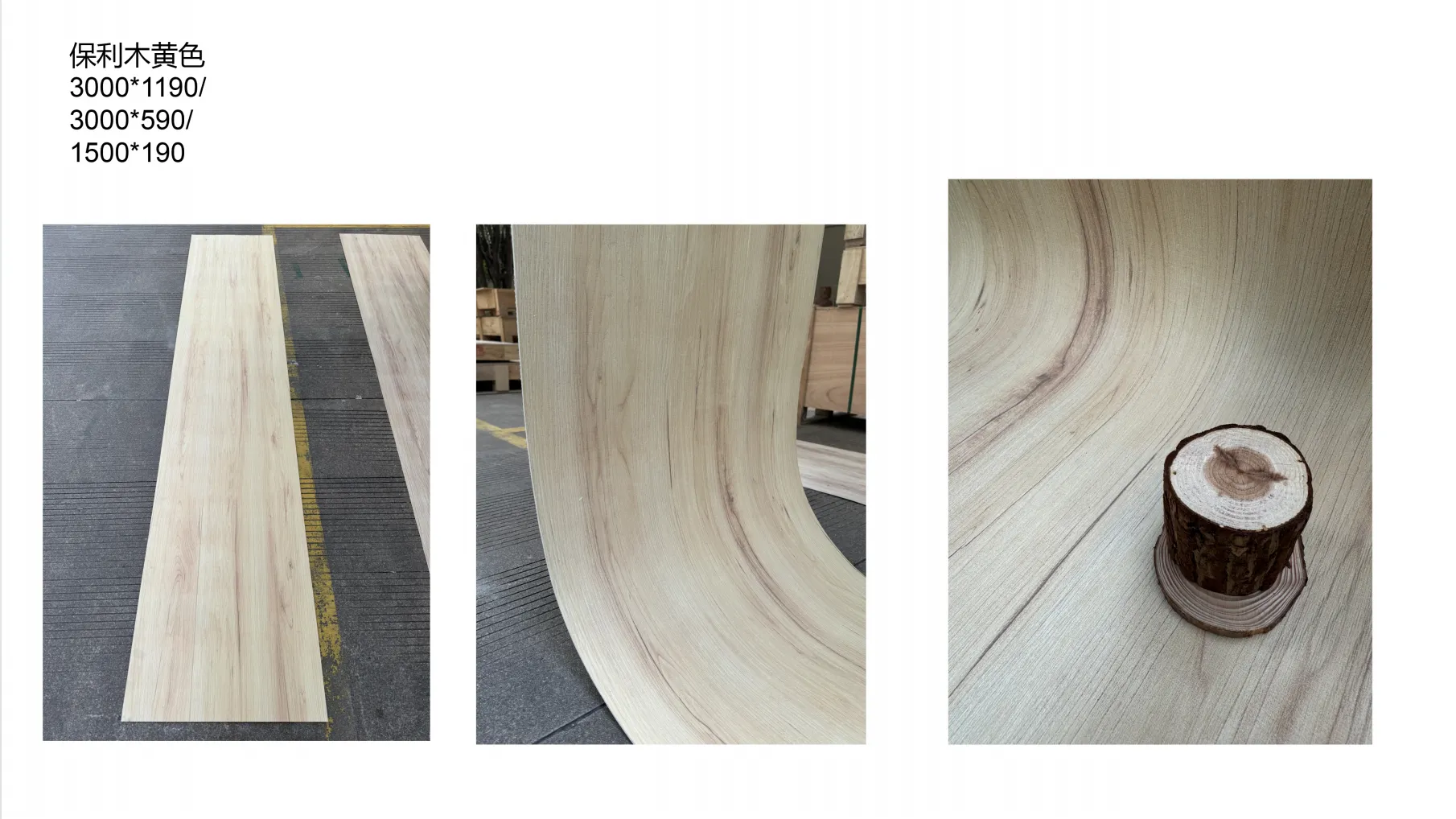
At first glance, Poly Wood Board might evoke images of flimsy outdoor furniture. But in reality, it's a engineering marvel tailored for the demands of modern construction. Crafted from a blend of recycled wood fibers, high-grade polymers, and eco-friendly binders, it marries the best of nature and technology. Imagine the warm, organic texture of wood—those subtle grains, the soft matte finish—paired with the durability of industrial materials. That's Poly Wood Board. Unlike natural wood, it won't splinter, warp, or rot when exposed to Saudi Arabia's sweltering summers or occasional coastal humidity. And unlike heavy concrete or stone, it's lightweight enough to reduce structural stress on buildings, cutting both construction time and costs. For architects in Riyadh or Jeddah, this means freedom: design facades that feel welcoming, not sterile; create outdoor spaces that stay cool under the sun; and build with materials that align with the Kingdom's push for sustainability.
Saudi Arabia's sun is unforgiving. Temperatures soar above 45°C in summer, and UV rays beat down relentlessly. Traditional wood fades and cracks; metal conducts heat, making surfaces too hot to touch. Poly Wood Board, however, is engineered to fight back. Its polymer core reflects sunlight, keeping surfaces up to 10°C cooler than natural wood or concrete. In tests, it's proven to retain color and structural integrity even after years of direct UV exposure—no peeling, no fading, just consistent performance. For a country where outdoor living spaces are cherished (think rooftop terraces, hotel pool decks, or park benches), this isn't just a perk; it's a game-changer.
Vision 2030 isn't just about buildings—it's about building responsibly. Saudi Arabia aims to reach net-zero carbon emissions by 2060, and green building standards like LEED and Estidama are becoming the norm. Poly Wood Board checks every box here. Many variants are made with recycled materials, reducing reliance on virgin resources. It's also 100% recyclable at the end of its lifespan, minimizing landfill waste. Compare that to natural wood, which often requires chemical treatments (like pesticides) or unsustainable logging practices. For developers working on projects like the Red Sea Global's eco-resorts, which prioritize low environmental impact, Poly Wood Board isn't just a material choice—it's a statement.
Saudi Arabia's architecture is a tapestry of old and new. From the mud-brick heritage of Najran to the sleek skyscrapers of Riyadh, builders strive to honor tradition while embracing innovation. Poly Wood Board fits seamlessly into this mix. Its wood-grain finish adds warmth to modern designs, softening the edge of glass and steel. For projects that nod to local culture—like a boutique hotel in Al-Ula or a residential complex in Jeddah—it pairs beautifully with materials like Bali stone, a natural stone with earthy tones that echo Saudi Arabia's landscapes. Together, Poly Wood Board and Bali stone create spaces that feel rooted in the Kingdom's heritage yet refreshingly contemporary. "We wanted our resort to feel like an extension of the desert, not a contrast to it," says Lama Al-Mansoori, an architect working on a Red Sea Project development. "Poly Wood Board's texture mimics the wadi trees, and Bali stone adds that rugged, natural touch. It's like bringing the outdoors in, but with zero maintenance."
In a country where labor and upkeep costs can add up, Poly Wood Board is a practical choice. Unlike natural wood, it doesn't need sanding, staining, or sealing every few years. A quick hose-down is all it takes to keep it looking new. It's also resistant to termites—a common plague in the region—and won't absorb moisture, preventing mold growth in humid coastal areas like Jeddah or Dammam. For property managers, this translates to lower long-term costs. For homeowners, it means more time enjoying their spaces and less time maintaining them. As one Riyadh homeowner put it: "I used Poly Wood Board for my balcony deck. Two years later, it still looks like the day it was installed. No cracks, no fading—just perfect. I wish I'd used it for my fences too!"
Across Saudi Arabia, Poly Wood Board is already making its mark. Take the King Abdullah Financial District (KAFD) in Riyadh, where a new office complex used it for exterior cladding. The design team wanted a material that would stand out against the district's glass towers but wouldn't overheat in summer. Poly Wood Board delivered, with its light color and low thermal conductivity reducing the building's cooling load by 12%—a significant saving in a city where AC bills can skyrocket. Then there's the Red Sea Project's Shura Island Resort, which used Poly Wood Board for its beachfront cabanas and walkways. Paired with MCM flexible stone—a lightweight, durable stone veneer—the result is a space that feels luxurious yet eco-friendly, with materials that can withstand saltwater and sand without degradation.
| Project Type | Location | Poly Wood Board Application | Key Benefit |
|---|---|---|---|
| Luxury Resort | Red Sea Project | Beach cabanas, walkways | Resistant to saltwater, stays cool underfoot |
| Commercial Office | KAFD, Riyadh | Exterior cladding | Reduced cooling costs by 12% |
| Residential Complex | Jeddah | Balconies, fences | Low maintenance, termite-resistant |
| Cultural Center | Al-Ula | Interior paneling (with Bali stone accents) | Warm, heritage-inspired aesthetic |
Poly Wood Board shines on its own, but it truly excels when paired with other innovative materials. MCM flexible stone, for example, is a lightweight, thin stone veneer that can be curved or cut to fit any surface. When used alongside Poly Wood Board on building facades, it adds depth and texture, creating a dynamic look that catches the light. In NEOM's sustainable city projects, architects are combining MCM flexible stone with Poly Wood Board to mimic the layered rock formations of the Saudi desert—functional art that tells a story. Then there's fair-faced concrete, a raw, industrial material that balances Poly Wood Board's warmth with a sleek, modern edge. Together, they're ideal for commercial spaces like cafes or co-working hubs, where the goal is to create an atmosphere that's both professional and inviting. "It's about balance," says Khalid Al-Hassan, a construction manager in Riyadh. "Poly Wood Board softens fair-faced concrete's coldness, and concrete grounds the wood's warmth. They're like two halves of a whole."
As Saudi Arabia charges toward Vision 2030, materials like Poly Wood Board will play a starring role. The kingdom's focus on green buildings, smart cities, and sustainable tourism means demand for innovative, eco-friendly materials will only grow. Local manufacturers are already taking notice, with plans to produce Poly Wood Board domestically to reduce import costs and support the "Made in Saudi" initiative. Research is underway to enhance its heat resistance even further, potentially making it suitable for high-rise exteriors or solar panel mounting systems. For homeowners, this means more affordable, durable options for renovating or building. For businesses, it means access to materials that cut costs while boosting brand image as environmentally conscious. And for the Kingdom, it's another step toward a future where construction isn't just about building up—it's about building better.
Poly Wood Board isn't just a product; it's a symbol of Saudi Arabia's ability to innovate while honoring its roots. In a region where the past and future collide daily, it bridges the gap between tradition and technology, sustainability and functionality, durability and beauty. Whether you're an architect designing the next landmark in Riyadh, a homeowner building a backyard oasis in Dammam, or a developer crafting a resort on the Red Sea, Poly Wood Board offers something rare: a material that works as hard as you do. As the Kingdom grows, so too will the role of materials like these—quietly transforming skylines, enhancing lives, and helping build a Saudi Arabia that's not just visionary, but vibrant, sustainable, and uniquely its own.
Recommend Products












