
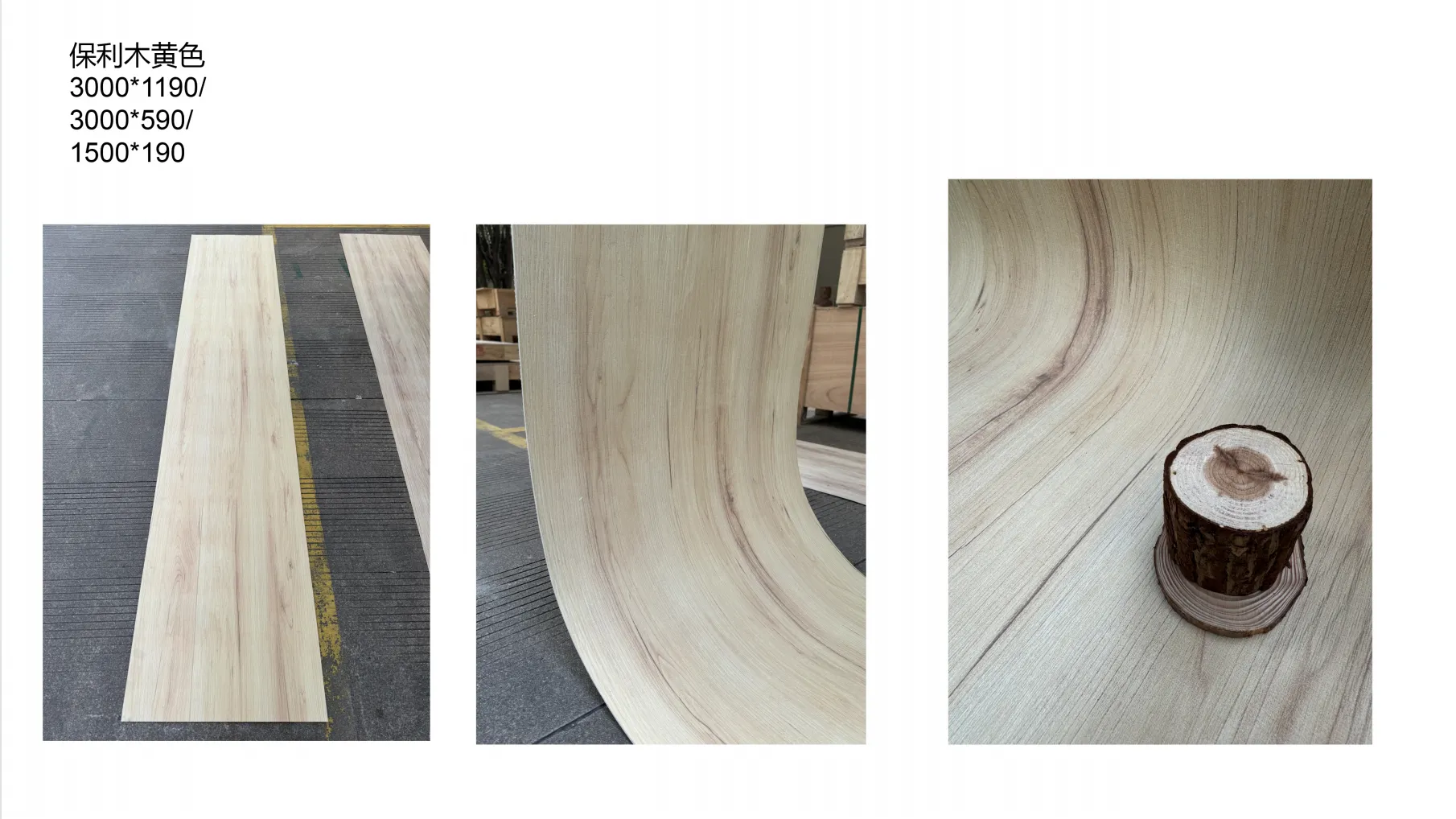
Picture this: You're on a job site, the sun's beating down, and the team's hyped to wrap up the exterior cladding. The client chose poly wood board for its warm, natural look and promise of low maintenance—everyone's excited to see the final result. But a month later, you're back fixing warped panels, loose fasteners, and discolored edges. Sound familiar? Even seasoned contractors can stumble with poly wood board, a material that blends the best of wood aesthetics with modern durability. It's not that it's tricky; it's that the small, easy-to-overlook mistakes often lead to big headaches later. Let's dive into the most common pitfalls and how to steer clear of them, so your next poly wood project shines (and stays that way).
Here's a secret pros sometimes forget: poly wood board is only as good as the surface it's attached to. Walk onto a site, and you'll often see crews eager to start nailing panels up, barely glancing at the substrate. Maybe it's a fair-faced concrete wall that's still dusty from construction, or a wooden frame with a few warped studs—"it'll be fine," someone says. Spoiler: It won't. Poly wood needs a flat, clean, and stable base to perform. Moisture trapped between the substrate and the board? That's a one-way ticket to mold and swelling. Uneven surfaces? Expect panels to bow or crack as they settle. Even minor debris like gravel or leftover mortar can create pressure points, leading to premature wear.
Take it from a contractor who learned the hard way: A commercial project last year used fair-faced concrete as the substrate, but the crew skipped power-washing the surface. Dust and grime acted like sandpaper, wearing down the back of the poly wood panels over time. Six months later, the panels started lifting at the edges. The fix? Scraping off the old boards, cleaning the concrete properly, and reinstalling—costing the team extra days and the client extra cash. Don't be that crew. Spend the time: check moisture levels with a meter (aim for under 12%), fill cracks with a quality filler, and sand down high spots. If the substrate is wood, replace any rotted or warped sections. Think of it like painting a wall—you wouldn't skip priming, right? Same logic applies here.
Grab a handful of nails from the toolbox, fire up the nail gun, and go to town—sounds efficient, but with poly wood board, this is a recipe for disaster. Unlike solid wood, poly wood is a composite material, often blending wood fibers and plastic. That means it reacts differently to fasteners: regular steel nails can corrode, splitting the board or leaving unsightly rust stains. Short screws might not bite deep enough into the substrate, leading to panels that wiggle loose in high winds. Even the angle of the fastener matters—driving them too steeply can crack the panel's surface, creating weak points.
Compare this to installing wood concrete board, another composite material contractors often work with. Wood concrete board also demands specific fasteners—usually coated or stainless steel—to prevent corrosion. Poly wood is no different. Opt for stainless steel or hot-dipped galvanized screws designed for composite decking or cladding; they're resistant to rust and have threads that grip the material without splitting it. And size matters: aim for screws that penetrate the substrate by at least 1.5 inches—any shorter, and you're relying on luck, not engineering. Pro tip: Pre-drill holes for screws near the edges of panels. Poly wood is denser than softwood, and pre-drilling prevents cracking, especially in cold weather when the material is more brittle.
"Let's just butt these panels tight—no one'll notice a tiny gap," a contractor might say, trying to speed up installation. But poly wood board, like most materials, expands when it's hot and contracts when it's cold. Ignore this, and you'll end up with panels that buckle, warp, or even pop off the substrate. On a sweltering summer day, a 10-foot panel can expand by up to 1/4 inch—doesn't sound like much, but multiply that across a wall, and suddenly you've got a wavy mess. It's a mistake even experienced crews make, especially when working with materials that look rigid, like flexible stone cladding (which has its own expansion rules, but with different coefficients).
So how do you get it right? Start by checking the manufacturer's specs—they'll list the recommended gap size based on temperature and panel length. As a general rule, leave a 1/8-inch gap between panels for every 10 feet of length, plus an extra 1/4 inch at the top and bottom of walls to account for vertical movement. Use plastic spacers during installation to keep gaps consistent—they're cheap, reusable, and take the guesswork out of spacing. And don't forget corners! Inside and outside corners are hotspots for expansion issues; leave a 3/16-inch gap there to give the material room to move. Think of it like giving poly wood a little "breathing room"—it'll thank you by staying flat and tight for years.
Poly wood board is marketed as "low maintenance," which somehow translates to "no maintenance" in the minds of some contractors. Big mistake. While it's true that poly wood resists rot and pests better than solid wood, its edges—especially cut edges—are still porous. Leave them unsealed, and rain, dew, or sprinkler water will seep in, causing the edges to swell or discolor over time. Even factory-sealed panels can develop micro-cracks during installation, which act like tiny straws sucking in moisture. It's a problem that creeps up slowly, often not showing until months after the project wraps—by then, the client's not happy, and fixing it means removing and resealing (or replacing) panels.
Here's the fix: Treat every cut edge with a high-quality, UV-resistant sealant designed for composite materials. Don't skimp on the application—use a small brush to work the sealant into the pores, and let it dry completely before installing. For the surface of the panels, a yearly coat of composite deck sealer (yes, even if the manufacturer says it's "pre-sealed") will keep the color vibrant and repel water. Compare this to rammed earth board, another popular cladding option—while rammed earth needs sealing too, its composition (clay, sand, gravel) requires a different type of breathable sealer. Poly wood, being a plastic-wood blend, needs a sealant that bonds to both materials without trapping moisture. Do this, and your panels will stay looking fresh, even in rainy or humid climates.
You've prepped the substrate, used the right screws, left expansion gaps—you're golden, right? Not if you're installing poly wood board directly against the wall with no airflow. Trapped moisture is the silent killer here. Even with a sealed substrate, condensation can form between the board and the wall, especially in humid regions. Without ventilation, that moisture lingers, rotting wooden substrates, corroding fasteners, and even weakening the bond between the panel and the wall. It's a mistake that's easy to make—after all, installing furring strips or a ventilation channel takes extra time and materials. But think of it as an investment: proper airflow can double the lifespan of your poly wood installation.
So how to ventilate? Install furring strips (1x3 or 2x4 lumber) vertically across the substrate, spaced 16-24 inches apart. This creates a 3/4-inch gap between the wall and the poly wood board, letting air circulate and moisture escape. For extra protection, add a breathable house wrap over the substrate before attaching the furring strips—this keeps water out while letting vapor pass through. It's a system that works for similar materials, too: wood concrete board installations often use the same furring strip method to prevent moisture buildup. And don't forget the bottom and top of the wall—leave a 1-inch gap at the base for air intake and a similar gap at the top for exhaust. Think of it like a chimney: air flows in at the bottom, out at the top, carrying moisture with it. Your panels (and your client) will thank you.
| Mistake | Why It Happens | Consequence | Quick Fix |
|---|---|---|---|
| Rushing substrate prep | Overconfidence in "good enough" surfaces | Mold, swelling, uneven panels | Clean, level, and moisture-test substrates; repair cracks/rot |
| Wrong fasteners | Using standard nails/screws out of convenience | Cracking, rust stains, loose panels | Use stainless steel or galvanized screws; pre-drill near edges |
| No thermal gaps | Desire for a "seamless" look | Buckling, warping, popped panels | Follow manufacturer specs; use 1/8-inch gaps per 10ft panel length |
| Skipping sealing | Misinterpreting "low maintenance" as "no maintenance" | Discoloration, edge swelling, moisture damage | Seal cut edges immediately; apply yearly surface sealer |
| Poor ventilation | Wanting to save time on furring strips | Trapped moisture, rotting substrates, corroded fasteners | Install furring strips for 3/4-inch gap; add top/bottom air vents |
At the end of the day, poly wood board is a fantastic material—durable, eco-friendly, and stunning when installed right. The key is respecting its unique properties: it needs a stable base, room to breathe, and a little TLC with sealing and fasteners. By avoiding these five mistakes, you'll not only deliver a better project but also build trust with clients who'll appreciate the attention to detail. Remember, the difference between a "good" installation and a "great" one often lies in the small steps—the substrate check, the spacer in the expansion gap, the extra few minutes to seal an edge. Do those, and your poly wood boards will stand strong, look beautiful, and keep your phone from ringing with repair requests. Now go out there and make that next project one to be proud of.
Recommend Products












