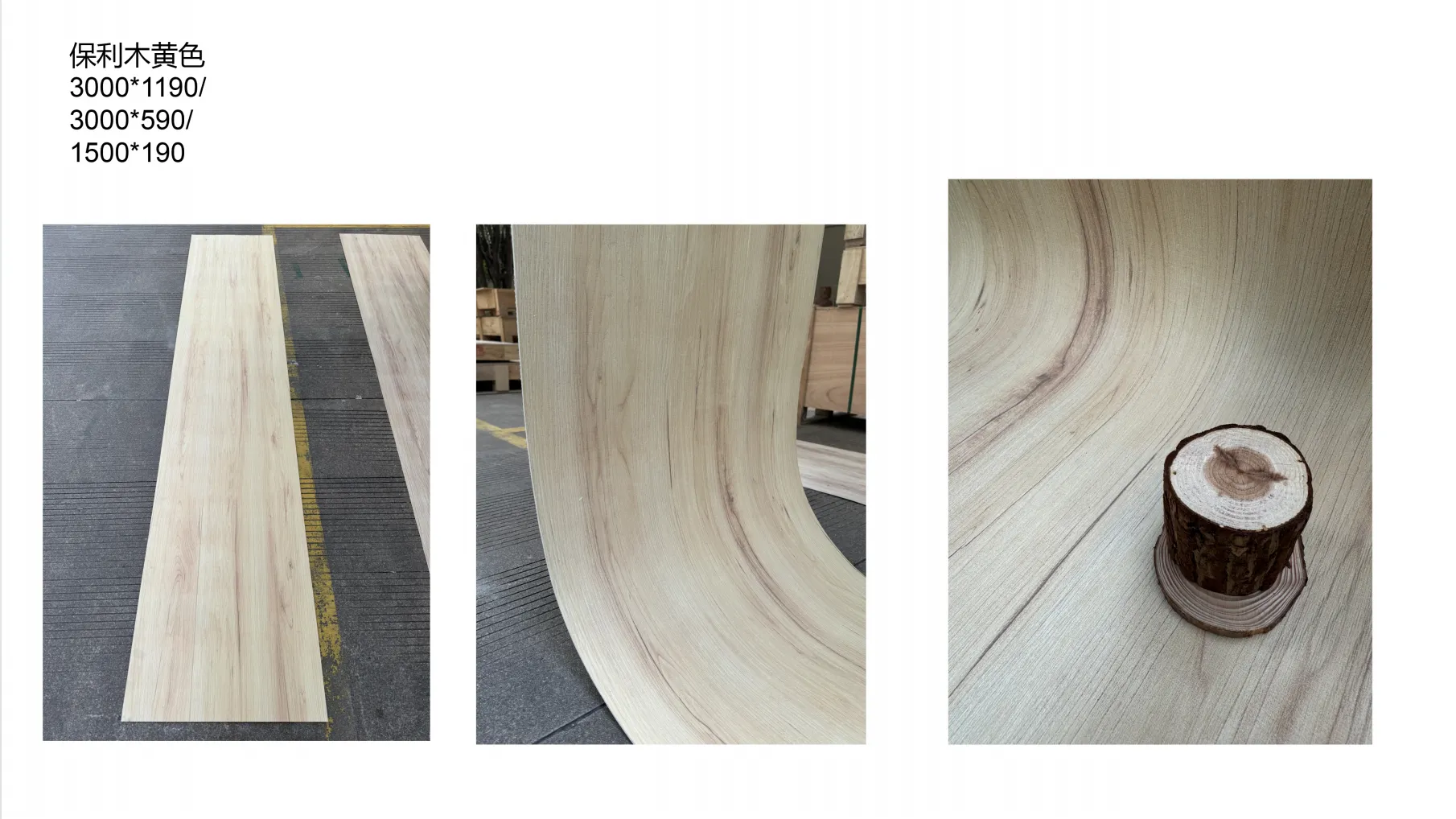
Let's face it: in today's construction and design world, time is more than just money—it's the difference between meeting a deadline, impressing a client, or missing out on an opportunity. Fast-track projects, whether they're retail renovations, hospitality makeovers, or commercial office builds, demand materials that don't just look good but also keep the workflow moving. That's where
poly wood board comes into play. But before we dive into why its installation time is a game-changer, let's set the scene: you're a project manager staring down a 12-week timeline for a boutique hotel lobby renovation. The client wants the warmth of wood without the hassle of traditional materials, and your team is already stretched thin. Sound familiar? If so, you're about to discover why
poly wood board might just become your new best friend.
First things first: let's get clear on what
poly wood board is. Unlike solid hardwood or even engineered wood, poly wood is a modified composite material designed to mimic the look and texture of natural wood—think rich grains, warm tones, and that classic organic feel—without the drawbacks. It's made by blending wood fibers with high-performance polymers, resulting in a material that's lightweight, durable, and surprisingly easy to work with. Here's the thing: it's not just about aesthetics.
Poly wood board is resistant to moisture, rot, and pests, making it ideal for both indoor and outdoor use. But for fast-track projects, its biggest selling point? How quickly it can be installed.
Traditional wood paneling, for example, often requires on-site cutting, sanding, sealing, and multiple coats of finish. That's hours—sometimes days—of labor per section. Solid wood is heavy, too, meaning you need extra hands to maneuver it, and it's prone to warping if not acclimated properly, which adds even more time to the process.
Poly wood board, on the other hand, arrives pre-finished, pre-cut (if you order it that way), and ready to install. No sanding, no sealing, no waiting for coats to dry. It's like the "plug-and-play" of the design world, and that's just the start.
Breaking Down the Installation Time: Why Every Minute Counts
Let's talk numbers. Installation time isn't just about how long it takes to nail or glue a panel to the wall—it's the entire process, from unboxing to cleanup. With
poly wood board, that process is streamlined in ways that traditional materials can't match. Let's break it down step by step:
1. Pre-Installation Prep: Less Hassle, More Hustle
Traditional wood paneling often requires acclimation—leaving the material on-site for 24-48 hours to adjust to temperature and humidity. Skip this step, and you risk warping or cracking down the line.
Poly wood board? No acclimation needed. It's stable across temperature and moisture fluctuations, so your team can start working the minute the delivery truck pulls up. That alone saves 1-2 days right off the bat. Then there's cutting: poly wood boards are lightweight (we're talking 30-50% lighter than solid wood) and easy to cut with standard tools—no need for specialized saws or equipment. This means your crew can pre-cut panels in a fraction of the time it would take with hardwood or even plywood.
2. The Installation Process: Quick, Clean, and Consistent
Here's where
poly wood board really shines. Thanks to its uniform thickness and pre-finished surface, installation is straightforward. Most panels can be secured with adhesives, screws, or even clips—no messy mortar, no lengthy curing times. For example, a team of two can typically install 200-300 square feet of
poly wood board in a single day, depending on the complexity of the design. Compare that to solid wood paneling, which might clock in at 100-150 square feet per day, or
fair-faced concrete, which often requires formwork, pouring, and curing (we're talking days, not hours). And because poly wood is lightweight, you don't need heavy lifting equipment or extra labor to hoist panels into place. A couple of people can carry and position even large panels with ease, reducing the risk of delays due to equipment shortages or worker fatigue.
Pro Tip:
Many manufacturers offer custom pre-cut poly wood boards tailored to your project's dimensions. Ordering these can shave off even more time—no on-site cutting required, just align and attach. It's a small detail that can save hours of work on tight timelines.
3. Post-Installation: Minimal Cleanup, Maximum Momentum
Traditional materials often leave a trail of sawdust, debris, or excess sealant that needs cleanup.
Poly wood board? Since it's pre-finished and easy to cut cleanly, the mess is minimal. No sanding dust, no paint drips, no need for post-installation sealing or staining. Your team can wrap up the installation, do a quick sweep, and move on to the next phase—no waiting around for finishes to dry or adhesives to set. This might seem like a small thing, but in fast-track projects, every hour saved adds up to meeting (or beating) that deadline.
How Does It Stack Up? A Real-World Installation Time Comparison
To really drive home why
poly wood board's installation time matters, let's put it side by side with other common materials. Below is a comparison table based on average installation rates for a 500-square-foot wall in a commercial project, factoring in prep, installation, and cleanup time.
|
Material
|
Total Installation Time (500 sq. ft.)
|
Key Time-Draining Factors
|
|
Poly Wood Board
|
1-2 days
|
Lightweight, pre-cut options, no acclimation or finishing needed
|
|
Solid Hardwood Paneling
|
4-6 days
|
Heavy, requires acclimation, on-site cutting, sanding, staining, and sealing
|
|
Fair-Faced Concrete
|
7-10 days
|
Formwork setup, pouring, curing (24-48 hours), and finishing
|
|
Foamed Aluminium Alloy Board
|
2-3 days
|
Lightweight but may require specialized tools for cutting; similar to poly wood but with slightly more precision needed
|
|
MCM Flexible Stone
|
2-4 days
|
Lightweight and flexible, but may require more careful alignment for natural stone aesthetics
|
The numbers speak for themselves.
Poly wood board cuts installation time by up to 75% compared to solid hardwood and a staggering 85% compared to
fair-faced concrete. For a fast-track project, that's the difference between finishing a week early or scrambling to catch up. But don't just take our word for it—let's look at some real-world examples.
Case Studies: Poly Wood Board in Action (Fast-Track Wins)
Case Study 1: Urban Retail Renovation (4-Week Timeline)
A popular clothing brand needed to renovate its flagship store in downtown Chicago to launch a new line—all within 28 days. The design called for warm, wood-like walls in the fitting rooms and cash wrap area, but the general contractor was concerned about traditional wood's installation time. They opted for
poly wood board in a natural oak finish. The result? A team of three installed 800 square feet of poly wood in just 3 days, including prep and cleanup. The project finished 2 days ahead of schedule, and the client was thrilled with the cost savings from reduced labor hours.
Case Study 2: Boutique Hotel Lobby (10-Week Timeline)
A boutique hotel in Miami was racing to open before the busy tourist season, with a lobby redesign that required a mix of materials:
poly wood board for the reception desk front,
MCM flexible stone for accent walls, and foamed aluminium alloy board (vintage silver) for the ceiling panels. The poly wood installation took just 2 days, freeing up the team to focus on the more intricate
MCM flexible stone work. The general contractor noted that without poly wood's quick installation, they would have had to push back the opening by at least a week—a delay that could have cost the hotel thousands in lost revenue.
Case Study 3: Co-Working Space Build-Out (8-Week Timeline)
A co-working company needed to convert a vacant office space into a 20,000-square-foot hub with private offices, meeting rooms, and communal areas. The design called for
wood grain board in the private offices (to add warmth) and
poly wood board in the communal zones (for durability and speed). The poly wood sections were installed in just 5 days across 3,000 square feet, allowing the electricians and plumbers to start their work earlier than planned. The project manager later commented, "We could have used traditional wood, but the installation time alone would have added 2 weeks to the timeline. Poly wood let us stay on track without sacrificing the look we wanted."
Beyond Poly Wood: Complementary Materials for Fast-Track Success
While
poly wood board is a star player for fast installation, it rarely works alone. Many projects benefit from pairing it with other materials in the MCM (Modified Composite Material) family, like
MCM flexible stone, foamed aluminium alloy board, and even
wood grain board. Let's take a quick look at how these materials complement poly wood and keep the project moving:
MCM flexible stone is another game-changer for fast-track projects. It mimics the look of natural stone—think
travertine, marble, or slate—but in a lightweight, flexible sheet that's easy to install. Like
poly wood board, it's pre-finished and requires minimal prep time. For example, using
MCM flexible stone as an accent wall alongside
poly wood board in a restaurant renovation can create a high-end, textured look without the installation hassle of real stone (which often requires mortar, grouting, and curing). The combination allows designers to mix materials for visual interest while keeping installation times in check.
Foamed Aluminium Alloy Board: Sleek and Speedy
For modern, industrial-inspired designs, foamed aluminium alloy board is a top pick. Available in finishes like vintage silver, vintage gold, and gold, it's lightweight, corrosion-resistant, and quick to install—though slightly more precision-oriented than
poly wood board. When paired with poly wood, it adds a contemporary contrast, as seen in the Miami hotel lobby. The key here is that both materials play well together in terms of installation speed, so your team isn't stuck waiting for one to finish before starting the other.
Wood Grain Board: Cohesive Design, Consistent Speed
Wood grain board is another composite material that shares poly wood's installation efficiency but with a more pronounced grain pattern, ideal for spaces where the wood aesthetic is front and center. Using it alongside poly wood (say, wood grain for feature walls and poly wood for wainscoting) creates a cohesive look without doubling the installation time. Both materials are lightweight, pre-cut, and easy to handle, so your crew can tackle them in tandem, keeping the project on schedule.
Expert Tips to Maximize Installation Efficiency with Poly Wood Board
Even with a fast-install material like
poly wood board, there are ways to squeeze even more efficiency out of the process. We spoke with three seasoned contractors and design professionals to get their top tips:
1. Invest in Pre-Measurement and Custom Cuts
"Don't skimp on pre-job measurements," advises Maria Gonzalez, a project manager with 15 years in commercial construction. "Ordering custom-cut poly wood boards to your exact wall dimensions eliminates on-site cutting time and reduces waste. Most manufacturers offer this service at little to no extra cost, and it's worth every penny when you're on a tight timeline."
2. Coordinate with Other Trades Early
"The biggest delay I see isn't the material itself—it's waiting for other trades to finish," says James Lee, a contractor specializing in fast-track retail projects. "If you're installing
poly wood board on a wall that needs electrical outlets or HVAC vents, make sure the electricians and HVAC team are in and out before you start. Coordination meetings upfront save hours of waiting later."
3. Use the Right Adhesives
"Not all adhesives are created equal," notes Sarah Patel, a design consultant for hospitality projects. "For
poly wood board, go with a high-strength, quick-drying adhesive recommended by the manufacturer. Some adhesives set in as little as 30 minutes, allowing you to move on to the next panel without waiting for hours. It's a small detail, but it adds up."
4. Weather-Proof When Needed
If you're installing
poly wood board outdoors (yes, it's durable enough!), plan around the weather. While it's moisture-resistant, heavy rain or extreme temperatures can slow down installation. Schedule outdoor work during dry spells, and have a temporary shelter ready just in case. A little weather planning can prevent costly delays.
Wrapping It Up: Why Poly Wood Board is a Fast-Track Project Must-Have
At the end of the day, fast-track projects are all about balance: balancing quality, aesthetics, and speed.
Poly wood board doesn't just tip the scales in favor of speed—it delivers on the other two, too. Its realistic wood look, durability, and minimal maintenance needs make it a smart choice for any project, but it's the installation time that truly sets it apart. When you're staring down a tight deadline, every hour saved on installation is an hour you can spend refining details, addressing unexpected issues, or simply breathing easier knowing you're on track.
And let's not forget the bigger picture:
poly wood board is part of a broader family of innovative materials—like
MCM flexible stone, foamed aluminium alloy board, and
wood grain board—that are redefining what's possible in fast-track construction. By combining these materials, you can create stunning, high-performance spaces without sacrificing time or budget. So the next time you're planning a project with no room for delays, remember: the right material isn't just about how it looks. It's about how quickly it can turn your vision into reality. And in that race,
poly wood board is already miles ahead.