
Why the "Cheaper" Option Might Cost You Thousands in the Long Run
Let's start with a scenario we've all lived through (or will, eventually): You're standing in front of a stack of samples at the hardware store, or scrolling through endless material catalogs online, trying to pick the perfect cladding for your project. Maybe it's a home renovation, a café patio, or a commercial building's exterior. The options are overwhelming—warm wood grains, sleek natural stone, industrial concrete. And then there's that one sample labeled "Poly Wood Board" that the sales rep keeps mentioning. "It looks like wood, but it's tougher," they say. "Lower maintenance," they add. But your brain is already stuck on the price tag: "Wood is cheaper upfront, right? Stone is timeless—surely it's worth the splurge?"
Here's the thing no one tells you until years later: The cost of a material isn't just what you pay at the register. It's the stains, the sealants, the repairs, the replacements, and the hours of your life spent maintaining it. Today, we're pulling back the curtain on that hidden world of maintenance costs—specifically, how Poly Wood Board stacks up against the traditional materials we've relied on for decades. By the end, you'll know exactly which choice makes sense for your wallet, your schedule, and your peace of mind.
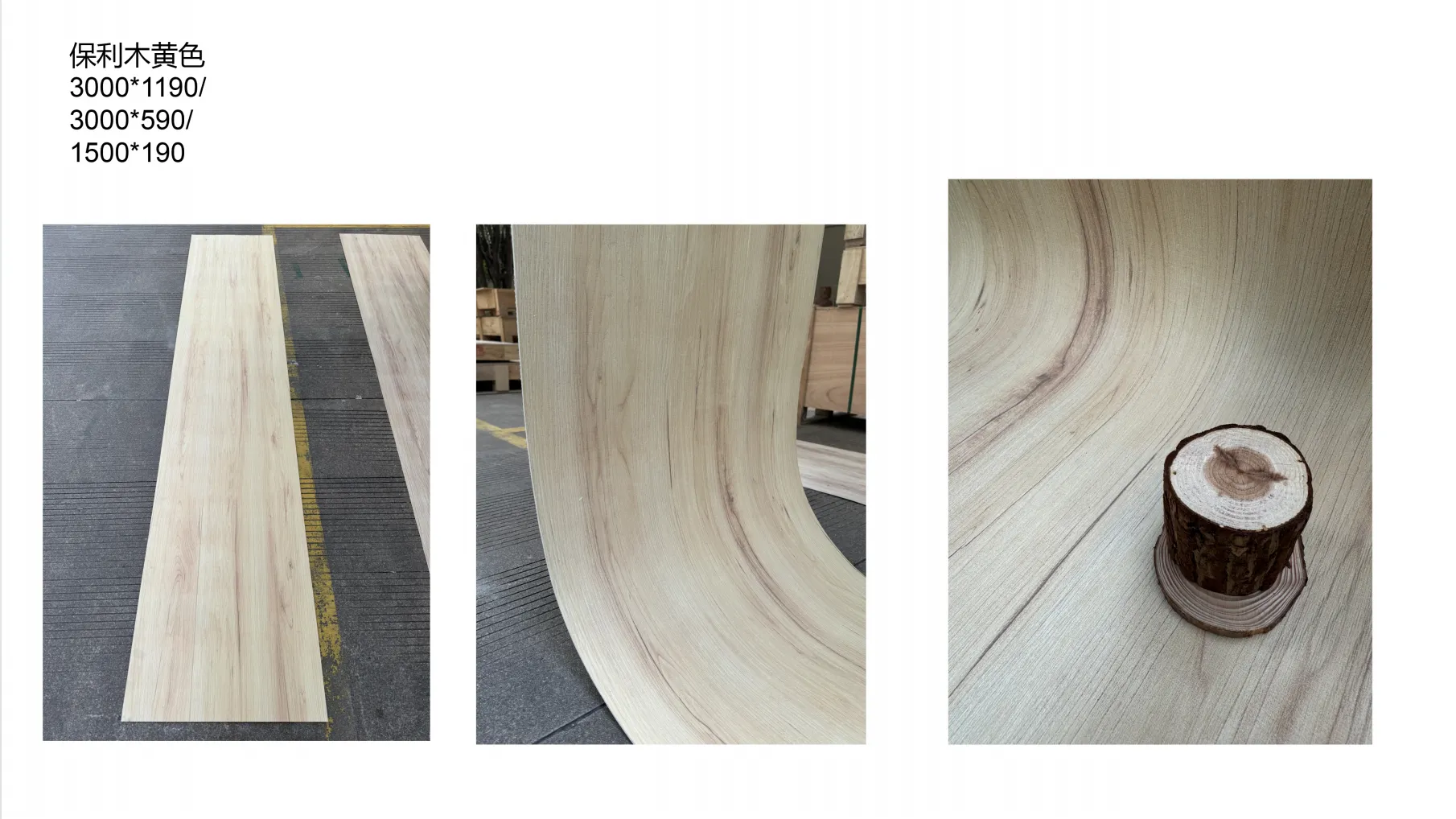
Before we dive into comparisons, let's get acquainted with the star of the show. Poly Wood Board (sometimes called "polywood" or "composite wood board") is a modern composite material made by blending recycled plastic fibers (think: old water bottles, milk jugs) with wood fibers or sawdust. The result? A material that looks and feels eerily similar to real wood—complete with grains, knots, and texture—but with a superpower: it's built to outlast the elements without breaking a sweat.
Imagine a deck board that doesn't warp when it rains, a siding panel that won't rot after a humid summer, or a patio tile that stays looking brand-new even after years of foot traffic and UV rays. That's Poly Wood Board. It's not "fake wood"—it's wood's smarter, more resilient cousin. And while it's been around for a few decades, recent advancements in manufacturing have made it nearly indistinguishable from solid wood, minus all the hassle.
To understand why Poly Wood Board is turning heads, we need to talk about the materials it's up against. These are the classics—the ones your parents used, the ones that grace the pages of home magazines, the ones that feel "safe." Let's break down the big three: solid wood (and wood grain board), natural stone (like rough granite stone or marble series), and concrete.
There's no denying it: wood is charming. A wood grain board wall adds coziness to a café; a cedar siding home feels like a hug. But wood's Achilles' heel? It's a living material. Even treated wood (like pressure-treated pine) or engineered wood grain board can't escape the basics: moisture, pests, and time.
Think about a wooden deck in a rainy climate. After a few seasons, you'll notice splinters. Then, maybe a little rot around the edges. To keep it looking good, you'll need to sand it, stain it, and seal it—usually every 1-2 years. Skip a year? The color fades, the wood weakens, and suddenly you're replacing boards. And let's not forget pests: termites, carpenter ants, even mold love wood. A single infestation can cost hundreds (or thousands) to treat, not to mention the repairs.
Natural stone—think rough granite stone countertops, marble series floors, or travertine walls—screams luxury. It's durable, heat-resistant, and each slab is one-of-a-kind. But that luxury comes with a maintenance bill that sneaks up on you. Take rough granite stone, for example. It's tough, but it's porous. Spill a glass of wine or a lemonade, and if it's not sealed, that liquid will seep in, leaving a stain that's nearly impossible to remove. So you seal it—every 1-3 years, depending on the stone. That's a professional service (or a messy DIY project) costing $200-$500 per 100 square feet.
Marble series is even pickier. It etches easily with acidic substances (hello, coffee, vinegar, citrus), so you're constantly wiping up spills. And if a corner chips? Repairing stone isn't like patching drywall. You'll need a specialist to match the color and texture, which can run $300-$800 for a small fix. Over time, those "little" costs add up faster than you'd think.
Concrete (and its cousin, fair-faced concrete) has become trendy in modern design for its raw, minimalist look. It's strong, fire-resistant, and relatively cheap upfront. But don't let the "low maintenance" hype fool you. Unsealed concrete absorbs moisture, leading to cracks in freezing temperatures. It stains easily—oil, dirt, even leaves can leave permanent marks. And while it might not rot or warp, it does fade in sunlight, turning from a crisp gray to a dull, uneven shade over time. To keep it looking sharp, you'll need to seal it every 2-5 years, and deep-clean it with harsh chemicals that aren't exactly eco-friendly.
Enough talk—let's get to the good stuff: how much each material really costs over time. We'll break it down into four categories: initial cost, annual maintenance, lifespan, and total cost over 10 years (a typical timeline for evaluating long-term value). Spoiler: The "cheapest" upfront option rarely stays that way.
| Material | Initial Cost (per sq. ft.) | Annual Maintenance Cost (avg.) | Lifespan (years) | Total Cost Over 10 Years (per sq. ft.) | Biggest Maintenance Headache |
|---|---|---|---|---|---|
| Poly Wood Board | $8–$15 | $5–$15 (soap, water, occasional pressure wash) | 25–30+ | $85–$165 (no replacement needed) | Fading (minimal, with UV-resistant options) |
| Solid Wood / Wood Grain Board | $4–$10 | $30–$80 (staining, sealing, repairs for rot/warping) | 10–15 (if well-maintained) | $340–$900 (includes 1 replacement) | Rot, termites, warping, and frequent refinishing |
| Rough Granite Stone | $15–$30 | $40–$100 (sealing, professional cleaning, stain removal) | 20–30 (with rigorous maintenance) | $550–$1,300 | Staining, chipping, and expensive repairs |
| Marble Series | $20–$40 | $60–$150 (sealing, etching repairs, polishing) | 15–25 (prone to etching/damage) | $800–$1,900 | Etching from acidic substances, high repair costs |
| Concrete / Fair-Faced Concrete | $3–$8 | $20–$60 (sealing, stain removal, crack repairs) | 15–20 (with cracking over time) | $230–$680 | Staining, cracking, and uneven fading |
Let that sink in. Over 10 years, a square foot of wood grain board could cost you up to $900—while Poly Wood Board tops out at $165 for the same area. Even concrete, the "budget" option, ends up costing nearly twice as much as Poly Wood Board over a decade. And remember: these are averages. If you live in a rainy climate, wood's rot issues will hike costs higher. If you have kids or pets (read: more spills), marble's etching problems will hit harder. Poly Wood Board? It's the steady Eddie in the room—no surprises, no sudden bills, just predictable, low costs year after year.
Here's something the table can't capture: time. Let's say you have a 500 sq. ft. deck. With wood, you're looking at 2–3 weekends a year sanding, staining, and sealing. That's 10–15 hours annually—time you could spend hiking, hosting a BBQ, or binge-watching your favorite show. With rough granite stone, you're scheduling a professional sealer every 1–2 years, waiting around for them to finish, and hoping they don't miss a spot. With Poly Wood Board? A quick hose-down with soap and water once a season. That's it. No ladders, no messy stain, no "oops, I missed a section" panic.
Then there's stress. Ever walked outside after a rainstorm and noticed a water stain on your marble floor? Or found termite damage in your wooden siding? Those moments aren't just inconvenient—they're stressful. They make you second-guess your choice, wonder if you're doing enough to maintain it, and dread the repair bill. Poly Wood Board eliminates that. It's designed to be "set it and forget it." UV-resistant, moisture-resistant, pest-resistant—you can walk away for a month (or a year) and come back to a surface that looks like you just installed it.
Maria owns a small café in Portland, Oregon—a city known for rain. For years, she had a wooden patio with wood grain board tables and benches. "Every spring, I'd close for a week to sand and stain everything," she says. "It cost $800 in materials alone, not to mention losing business. Then, after a particularly wet winter, half the boards rotted. I spent $3,000 replacing them. That's when I switched to Poly Wood Board." Now, three years later, she hasn't spent a dime on maintenance. "I hose down the tables once a week. They look brand-new. I saved $5,000 in three years—and I never have to close for repairs again."
James and Lisa built their dream home in Arizona, choosing rough granite stone for their outdoor kitchen countertops. "We loved the look—until the first time we spilled lemon juice," Lisa recalls. "It etched the stone, and the repair guy charged $400 to fix a spot the size of a quarter. Then, we had to seal it every year, which cost $300. After five years, we'd spent over $2,000 on maintenance. We replaced it with Poly Wood Board last year. It looks like wood, but it's impervious to stains. We've spilled everything from wine to barbecue sauce on it, and it wipes clean. No sealing, no repairs. Best decision we ever made."
Poly Wood Board isn't a magic bullet, but it's pretty close for most projects. It shines in high-moisture areas (like bathrooms, kitchens, or outdoor spaces), high-traffic zones (restaurants, offices), or places where maintenance time is limited (busy families, rental properties). It's also a win for eco-conscious builders: since it's made from recycled materials, it reduces waste and cuts down on deforestation.
The only scenario where traditional materials might still make sense? If you're going for a hyper-specific historical look (like a heritage home that requires authentic stone) or if you have an unlimited budget and don't mind the upkeep. But for the rest of us—those who want beauty, durability, and savings—Poly Wood Board is a no-brainer.
Choosing a building material is like choosing a partner: it's not just about the first date (initial cost). It's about the years ahead—the ups, the downs, the bills, the moments of joy. Traditional materials are like that charming but high-maintenance partner who looks great but leaves you stressed and broke. Poly Wood Board? It's the reliable, low-drama partner who's in it for the long haul—no hidden costs, no surprises, just steady, consistent value.
So, whether you're planning a tiny backyard patio or a sprawling commercial complex, remember this: the material you choose today will shape your budget, your schedule, and your sanity for decades. Don't let the upfront price tag fool you. Look at the big picture. Look at the maintenance costs. Look at the stories of people who've been there. And when you do, we think you'll find that Poly Wood Board isn't just a trend—it's the future of smart, sustainable building.
Here's to materials that work for you, not against you. Your wallet (and your weekends) will thank you.
Recommend Products












