
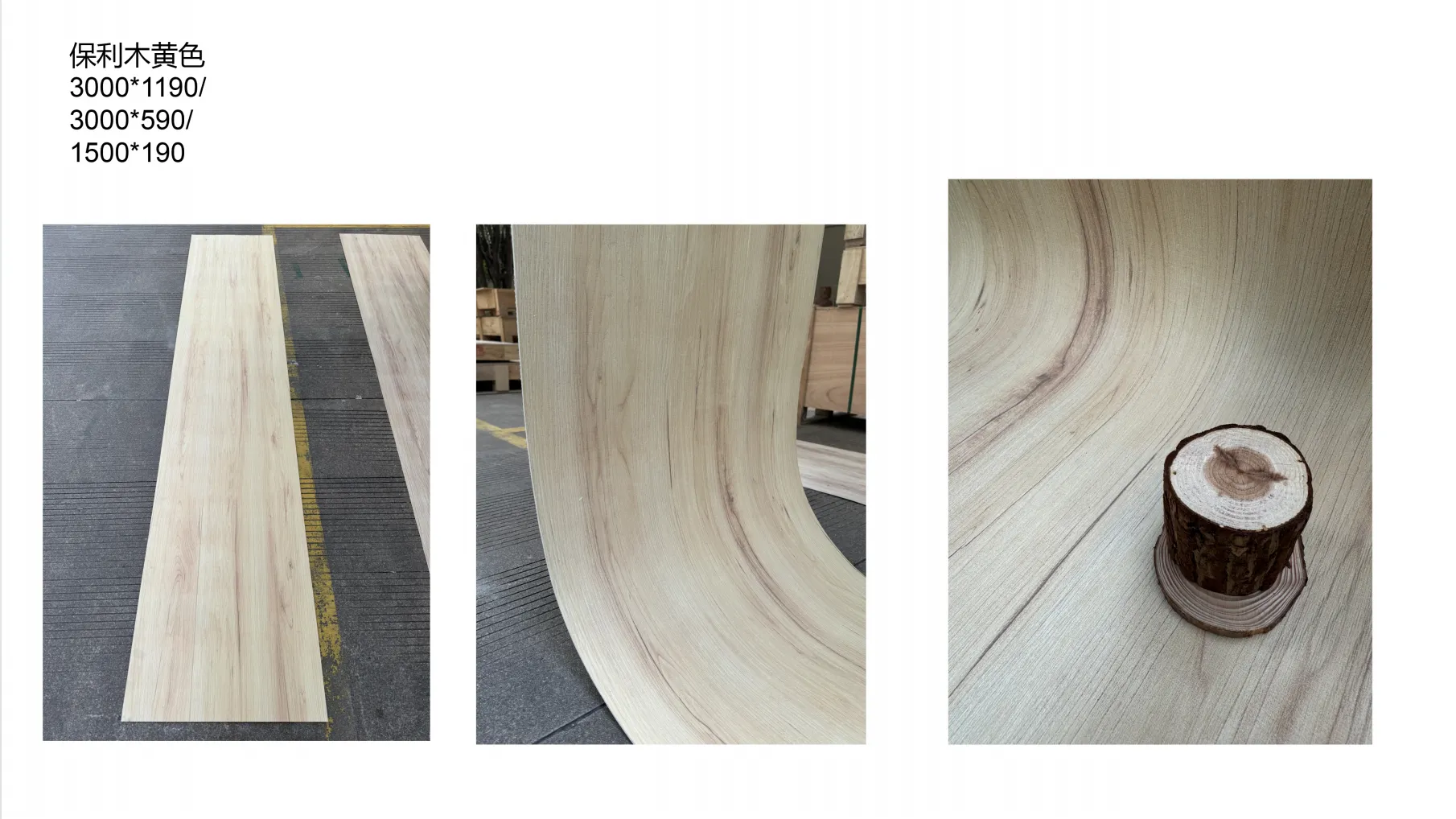
There's something inherently inviting about the look and feel of wood. It adds warmth to a kitchen backsplash, character to a patio deck, and a touch of nature to even the most modern spaces. But for all its beauty, natural wood comes with a laundry list of demands: regular staining, sealing, and protection from rot, pests, and the elements. That's where poly wood boards step in—offering the best of both worlds. Designed to mimic the rich texture and appearance of real wood, these engineered boards are built to withstand the chaos of daily life, from spills in the dining area to harsh sunlight on outdoor furniture. Yet, like any material, they need a little care to keep looking their best. In this guide, we'll walk through simple, actionable steps to maintain your poly wood boards, ensuring they stay vibrant, durable, and ready to elevate your space for years to come.
You've invested in poly wood boards for their blend of aesthetics and resilience, but even the toughest materials need attention. Think of maintenance as an insurance policy—not just for keeping your boards looking new, but for preserving their structural integrity. Without regular care, poly wood can lose its luster, develop stubborn stains, or even become prone to cracks over time. For outdoor installations, exposure to rain, UV rays, and temperature swings can accelerate wear, while indoor boards might suffer from spills, scratches, or buildup of dust and grime. The good news? With a little effort, you can extend the lifespan of your poly wood boards by years, ensuring they remain a focal point of your home rather than a project to replace.
Caring for poly wood doesn't require fancy tools or hours of work. These straightforward steps will keep your boards in top shape with minimal hassle.
Dirt, dust, and spills are the biggest enemies of poly wood's appearance. A quick weekly clean can prevent buildup and make deep cleaning a breeze. Start with a soft-bristle brush or a microfiber cloth to sweep away loose debris—this is especially important for outdoor boards, where leaves, pollen, or dirt can accumulate in crevices. For a deeper clean, mix a few drops of mild dish soap with warm water and use a soft sponge or cloth to wipe down the surface. Avoid abrasive scrubbers or steel wool, which can scratch the finish. Rinse thoroughly with clean water and dry with a towel to prevent water spots, especially on indoor boards or areas with hard water.
For tougher stains—like oil, sauce, or bird droppings—act fast. Blot the spill with a paper towel to absorb excess liquid, then apply a mixture of baking soda and water to the area (a paste consistency works best). Let it sit for 10–15 minutes, then gently scrub with a soft brush and rinse. Harsh chemicals like bleach or ammonia should be avoided, as they can discolor or weaken the poly wood's surface.
UV rays from the sun can cause poly wood to fade over time, especially darker-colored boards. If your poly wood is installed outdoors—like a patio deck or garden bench—consider applying a UV protectant spray designed for synthetic wood. These sprays create a barrier against sunlight and can be applied every 6–12 months, depending on exposure. Look for products labeled "safe for polypropylene" or "UV-resistant for engineered wood" to avoid damaging the material.
Moisture is another concern, even though poly wood is more water-resistant than natural wood. Standing water can seep into seams or cracks, leading to mold or mildew growth, especially in humid climates. Ensure outdoor installations have proper drainage—for example, deck boards should be spaced slightly apart to allow water to run off, and furniture legs should have coasters to prevent pooling underneath. After rain or cleaning, wipe down horizontal surfaces to remove excess water, and avoid covering wet boards with tarps (this traps moisture and can promote mildew). For indoor boards, use coasters under plants or cups to prevent water rings, and wipe up spills immediately.
Even with careful use, poly wood boards can develop minor scratches—from moving furniture, pet claws, or everyday use. The good news is that most surface scratches can be easily repaired. For light scratches, try buffing the area with a clean, dry microfiber cloth using circular motions—sometimes the friction alone can blend the scratch into the surrounding surface. For deeper scratches, use a touch-up pen or marker designed for poly wood (many manufacturers offer these in matching colors). Apply a small amount to the scratch, let it dry, then buff gently with a cloth to smooth the edges.
For more significant damage, like chips or cracks, contact the manufacturer for repair kits or professional advice. Avoid DIY fixes with super glue or epoxy, which can discolor the board or create a sticky surface that attracts dirt.
Your poly wood boards face different challenges with each season—adjusting your care routine can help them thrive year-round.
Wondering how poly wood stacks up against other materials like wood grain board or charcoal burnt wood board? This table breaks down key maintenance needs to help you see why poly wood is a low-effort choice:
| Material | Cleaning Frequency | Scratch Resistance | Water Resistance | Annual Maintenance Tasks |
|---|---|---|---|---|
| Poly Wood Board | Weekly (light clean); Monthly (deep clean) | High (minor scratches buff out easily) | Excellent (resistant to rot/mildew) | UV protectant spray (outdoor); occasional touch-ups for scratches |
| Wood Grain Board | Weekly (light clean); Bi-weekly (deep clean) | Moderate (prone to visible scratches) | Moderate (requires sealing every 6–12 months) | Re-sealing; sanding for deep scratches; stain touch-ups |
| Charcoal Burnt Wood Board | Bi-weekly (light clean); Monthly (deep clean) | Low (delicate burnt finish scratches easily) | Low (requires frequent sealing; prone to water damage) | Re-sealing (2–3 times/year); careful cleaning to avoid stripping burnt layer |
Even with the best intentions, small missteps can undo your maintenance efforts. Here are a few pitfalls to steer clear of:
Poly wood boards are designed to make your life easier, not add more to your to-do list. With these simple maintenance steps, you can keep them looking beautiful with minimal effort—whether they're gracing your patio, kitchen, or living room. Remember, consistency is key: a quick weekly clean, prompt attention to spills, and annual UV protection (for outdoor use) will go a long way. By treating your poly wood boards with care, you're not just maintaining a material—you're preserving a space that brings joy, functionality, and style to your home. So grab your cleaning supplies, set a reminder on your calendar, and get ready to enjoy your poly wood boards for years to come.
Recommend Products












