
Why choosing the right exterior material means never settling for faded beauty again
If you've ever stood on a sunlit porch and traced your finger over a weathered wooden railing, you know the feeling. That once-rich cedar hue has turned a dull, ashy gray; the grain that once popped now looks flat and lifeless. Or maybe you've walked through a commercial plaza where the "wood-look" panels on the facade have started to peel, revealing splotchy patches of color underneath. It's a common story: outdoor materials that promise durability but bow to the sun's relentless power.
For homeowners, designers, and architects alike, this isn't just an aesthetic issue—it's a practical one. A faded deck or facade doesn't just look worn; it signals to visitors that corners were cut, that the space wasn't built to last. And let's not forget the cost: replacing faded materials every few years isn't just a hassle; it's a drain on budgets, time, and peace of mind. So when a material comes along that claims to stand up to the sun's worst—year after year, in all kinds of climates—it's not just a product; it's a promise.
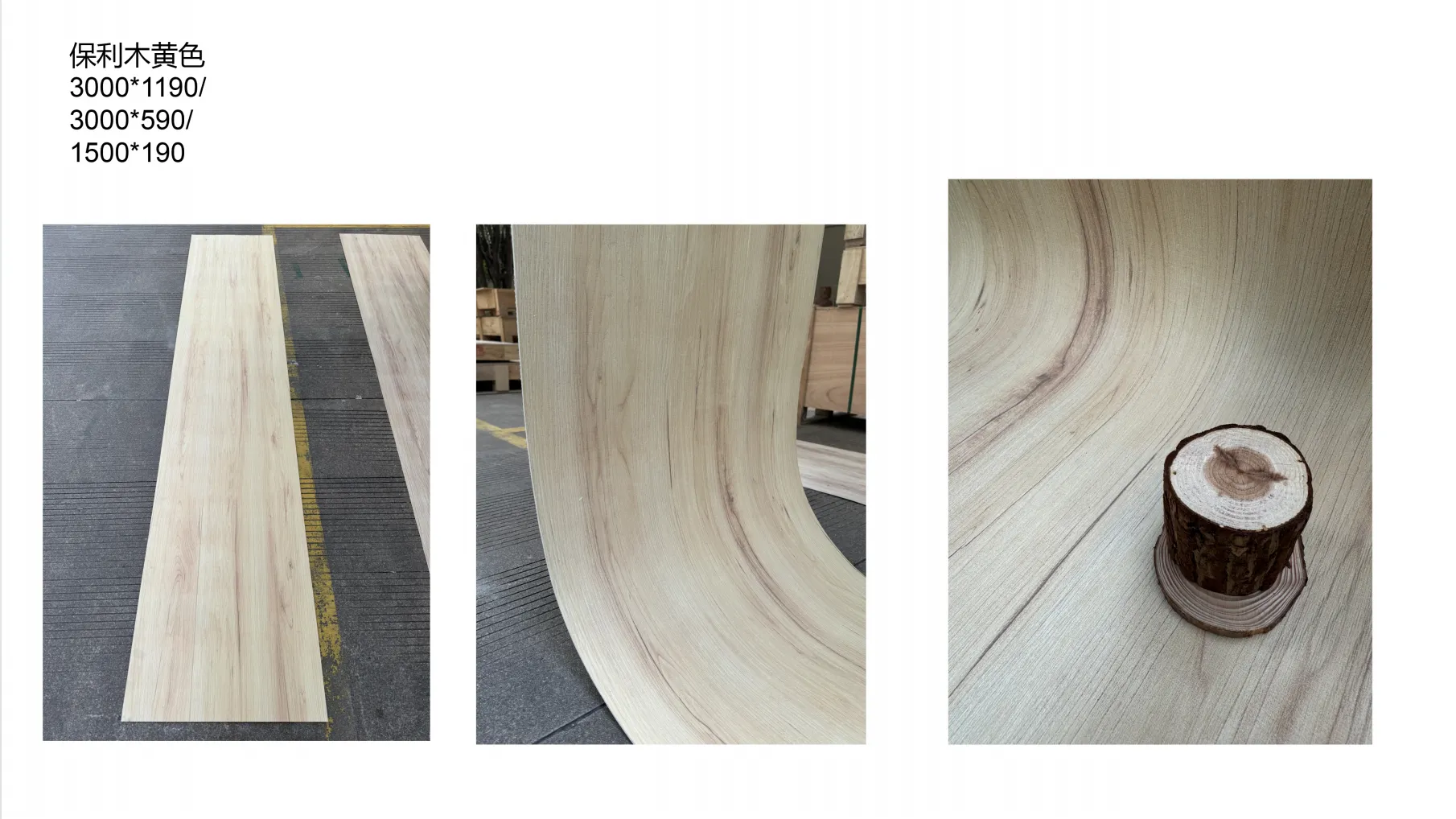
That's where COLORIA MCM's Poly Wood Board enters the conversation. More than just another exterior cladding option, it's a solution born from the frustration of watching beautiful spaces lose their luster. And today, we're not just talking about its benefits—we're showing you the proof, in the form of real photos that capture its color retention, even after years under the harshest UV rays.
Before we dive into what makes Poly Wood Board special, let's talk about why UV resistance is such a big deal. The sun emits ultraviolet radiation that breaks down the chemical bonds in materials, a process called photodegradation. For wood, this means the lignin—the substance that gives wood its color and rigidity—breaks down, leading to fading, warping, and brittleness. For cheaper composites or plastics, UV rays can cause the color pigments to break down, leaving behind a chalky residue or uneven discoloration.
It's not just about looks, though. Faded materials often become more porous, absorbing water and leading to mold, mildew, or rot. They become more prone to cracking, which can compromise structural integrity. And in high-traffic areas—like restaurant patios, hotel lobbies, or public parks—faded or damaged exteriors send a message of neglect, even if the rest of the space is immaculate.
Designers know this better than anyone. When you spend weeks or months crafting a vision—choosing the perfect warm wood tone to complement a stone facade, or selecting a vibrant accent color for an outdoor seating area—the last thing you want is for that vision to fade away. "I once worked on a project where the client fell in love with a reclaimed wood look for their outdoor dining area," says Maria Gonzalez, a commercial designer based in California. "We went with a popular composite board, and within 18 months, it had turned from a rich chestnut to a washed-out taupe. The client was devastated. They felt like their investment had been wasted, and honestly, so did I."
That's the reality many face—until they discover materials engineered to fight back against UV damage. And in the world of modified composite materials (MCM), few stand out like COLORIA MCM's Poly Wood Board.
Poly Wood Board isn't your average composite. It's part of COLORIA MCM's lineup of innovative building materials, which includes everything from MCM Flexible Stone to Wood Grain Board, each designed to blend durability with natural beauty. But what sets Poly Wood Board apart is its unique composition and manufacturing process, which prioritize UV resistance from the ground up.
At its core, Poly Wood Board is made from a blend of recycled wood fibers and high-density polyethylene (HDPE), but that's just the starting point. COLORIA MCM adds a proprietary UV inhibitor that's mixed directly into the material, not just applied as a topcoat. This means the protection runs through the entire board, not just on the surface. Topcoats can wear off over time, especially with foot traffic or cleaning, but integrated inhibitors stay put, providing long-lasting defense.
Then there's the color infusion process. Instead of printing or painting the color onto the surface, COLORIA MCM uses a masterbatch coloring technique, where pigments are mixed into the material before it's formed into boards. This ensures the color is consistent throughout the board, so even if there's minor surface wear, the color underneath remains the same. It's like comparing a cake with food coloring mixed into the batter versus one with just a frosting layer—one fades from the outside in, the other stays vibrant through and through.
Finally, each board undergoes a specialized coating process that adds an extra layer of protection. This coating is designed to reflect a portion of UV rays, reducing the amount that penetrates the material. It also repels water, preventing the kind of moisture absorption that can exacerbate UV damage. The result? A material that doesn't just resist fading—it actively fights against the sun's aging effects.
Talk is cheap, especially in the building materials industry. Everyone claims their product is "durable" or "UV resistant." But COLORIA MCM believes in showing, not just telling. That's why we've compiled a collection of real photos from projects around the world, each featuring Poly Wood Board that's been exposed to years of direct sunlight. These aren't stock photos or staged shots—they're snapshots taken by homeowners, contractors, and designers who wanted to document how their investment was holding up.
Take, for example, the photos from a residential project in Phoenix, Arizona. Installed in 2019, the Poly Wood Board deck faces due south, meaning it gets direct sunlight from morning until evening, with summer temperatures often exceeding 110°F. When we checked in with the homeowner, Sarah Chen, in 2024, she sent us photos comparing the deck today with the day it was installed. The difference? Hardly any. The boards still have that warm, honeyed wood tone, with the same subtle grain patterns that caught her eye five years ago. "I was worried living in the desert would destroy it," she told us. "We have friends with wooden decks that need to be restained every year. Ours? We hose it down occasionally, and it still looks like new."
Another set of photos comes from a beachfront café in Miami, Florida. Here, Poly Wood Board was used for the outdoor bar front and seating area, exposed not just to intense UV rays but also to saltwater spray and high humidity—three factors that typically spell disaster for most materials. Installed in 2020, the boards have weathered hurricanes, daily sun, and the constant comings and goings of customers. The photos show the bar's rich walnut finish, still deep and vibrant, with no signs of peeling, cracking, or discoloration. "We get so many compliments on how fresh the outdoor space looks," says the café owner, Miguel Torres. "People can't believe it's been four years—they think we just renovated."
Even in regions with less intense sun but more variable weather, Poly Wood Board holds its own. A community center in Portland, Oregon, used it for their outdoor playground equipment and benches. With rainy winters and overcast springs, but plenty of summer sun, the material has faced a little bit of everything. Photos from 2023 (three years after installation) show the same light oak color that was chosen to blend with the surrounding trees. "We were worried the rain would make it gray, or the summer sun would bleach it," says the center's director, James Wilson. "But it's like it's frozen in time. The kids still love playing on it, and parents comment on how clean and new it looks."
These aren't anomalies—they're the norm for Poly Wood Board. And while we can't include every photo here, the pattern is clear: when a material is engineered to resist UV damage at every level, it doesn't just last—it stays beautiful.
Poly Wood Board is just one star in COLORIA MCM's constellation of durable materials. But how does it compare to other popular options, like Wood Grain Board, MCM Flexible Stone, or Fair-Faced Concrete? To help you see the difference, we've put together a comparison table based on real-world UV resistance data and color retention tests conducted over three years in various climates.
| Product Name | UV Resistance Rating (1-5, 5 being best) | Color Retention After 3 Years | Best For |
|---|---|---|---|
| Poly Wood Board | 5 | 95% retention (minimal fading) | Decks, patios, outdoor furniture, playgrounds |
| Wood Grain Board | 4.5 | 90% retention (slight lightening in intense sun) | Facades, accent walls, indoor/outdoor transition areas |
| MCM Flexible Stone | 4 | 88% retention (natural stone-like aging, minimal fading) | Exterior cladding, fireplaces, feature walls |
| Fair-Faced Concrete | 4 | 92% retention (may develop slight patina, not fading) | Modern facades, industrial-style interiors/exteriors |
| Travertine (Starry Blue) | 3.5 | 85% retention (natural stone may lighten slightly over time) | Pool surrounds, decorative accents, indoor flooring |
As you can see, Poly Wood Board leads the pack when it comes to UV resistance and color retention, making it ideal for spaces where appearance and longevity are top priorities. Wood Grain Board, another wood-inspired option, is a close second, with slightly more lightening in intense sun—still excellent for many applications, but not quite as tough as Poly Wood Board. MCM Flexible Stone and Fair-Faced Concrete both offer strong performance, with the stone developing a natural patina rather than fading, and concrete maintaining its color with minimal changes.
Travertine (Starry Blue), a stunning natural stone option from COLORIA MCM, is beautiful but more prone to slight lightening over time—a trade-off many designers are willing to make for its unique, starry pattern. The key takeaway? While all MCM materials are engineered for durability, Poly Wood Board is in a league of its own when it comes to standing up to the sun.
UV resistance is a standout feature, but Poly Wood Board has more to offer. For starters, it's incredibly versatile. Available in a range of colors and grain patterns—from light oak to deep walnut, and even more contemporary grays—it can mimic the look of real wood without the maintenance. "I love that I can get the warmth of wood without worrying about staining or sealing every year," says Gonzalez, the California designer we spoke to earlier. "It gives me the freedom to use wood tones in outdoor spaces I would have avoided before, like rooftop decks or coastal projects."
It's also lightweight and easy to install, which saves time and labor costs. Unlike real wood, which can warp or split during installation, Poly Wood Board is consistent in size and shape, making cuts clean and joints tight. And because it's resistant to moisture, insects, and rot, it's ideal for areas prone to rain, snow, or high humidity—no more worrying about termites or water damage.
Perhaps most importantly, it's an eco-friendly choice. Made with recycled materials, it reduces the demand for virgin wood and plastic, and its long lifespan means less waste over time. "Sustainability is a big priority for my clients," says Wilson, the community center director. "Knowing that Poly Wood Board is made from recycled materials and doesn't require harsh chemicals to maintain checks a lot of boxes for us."
At the end of the day, numbers and science are important—but nothing beats hearing from the people who live and work with Poly Wood Board every day. Let's share a few more stories that highlight its impact.
"I design luxury vacation homes in the Caribbean, where the sun and salt air are brutal on materials. A few years ago, a client wanted a massive outdoor deck with a wood look, but I was hesitant after past experiences with fading. We went with Poly Wood Board, and I'm glad we did. Five years later, that deck still looks like it was installed last month. The client was so impressed, they've used it on three more properties since. It's become my go-to for outdoor wood applications." — David Patel, Luxury Home Designer
"As a homeowner, I was tired of refinishing my deck every summer. I'd spend weekends sanding and staining, only to have it fade by the next year. I switched to Poly Wood Board three years ago, and it's been a game-changer. I hose it off once a month, and that's it. The color is still rich, the boards are still smooth, and I actually enjoy my backyard now instead of dreading deck maintenance. Best home improvement decision I ever made." — Lisa Thompson, Homeowner in Texas
"We used Poly Wood Board for the outdoor seating areas of our university campus. With thousands of students walking on it daily, plus constant sun exposure, we needed something tough. Four years later, it still looks brand new. No fading, no cracks, no splinters. It's held up better than any material we've used before, and it's made the campus feel more welcoming and well-maintained." — Dr. Kevin Lee, University Facilities Director
When you choose an exterior material, you're not just choosing a color or a texture—you're choosing how your space will age. Will it fade into the background, requiring constant upkeep and replacement? Or will it stand tall, retaining its beauty and character for years to come? For those who choose COLORIA MCM's Poly Wood Board, the answer is clear: beauty that lasts isn't just a promise—it's a reality, captured in every real photo, every satisfied homeowner, and every designer who settle for anything less.
So if you're tired of watching your outdoor spaces lose their luster, if you're ready to invest in a material that fights back against the sun, and if you want proof before you buy—look no further. Poly Wood Board isn't just a product; it's a solution for anyone who believes that great design should stand the test of time.
After all, the best spaces aren't just built—they're built to be enjoyed, year after year, without compromise. And with Poly Wood Board, that's exactly what you get.
Recommend Products












