
Imagine stepping onto your backyard deck on a crisp autumn morning, coffee in hand, and pausing to admire the view. The sun glints off the boards underfoot, and you notice—for the tenth year in a row—they still look as good as the day they were installed. Now, picture that same scenario with a deck that's warped, faded, or dotted with mold after just three seasons. The difference? The material beneath your feet. When it comes to outdoor spaces, the battle between beauty and durability is real. Homeowners, architects, and builders alike grapple with choosing materials that stand up to rain, sun, pests, and temperature swings while still looking inviting. Today, we're putting two popular contenders head-to-head: poly wood board and engineered wood. Which one truly delivers when the elements come calling?
Before we dive into durability, let's get clear on what these materials are. They might both look like wood, but their DNA—and their ability to handle the great outdoors—couldn't be more different.
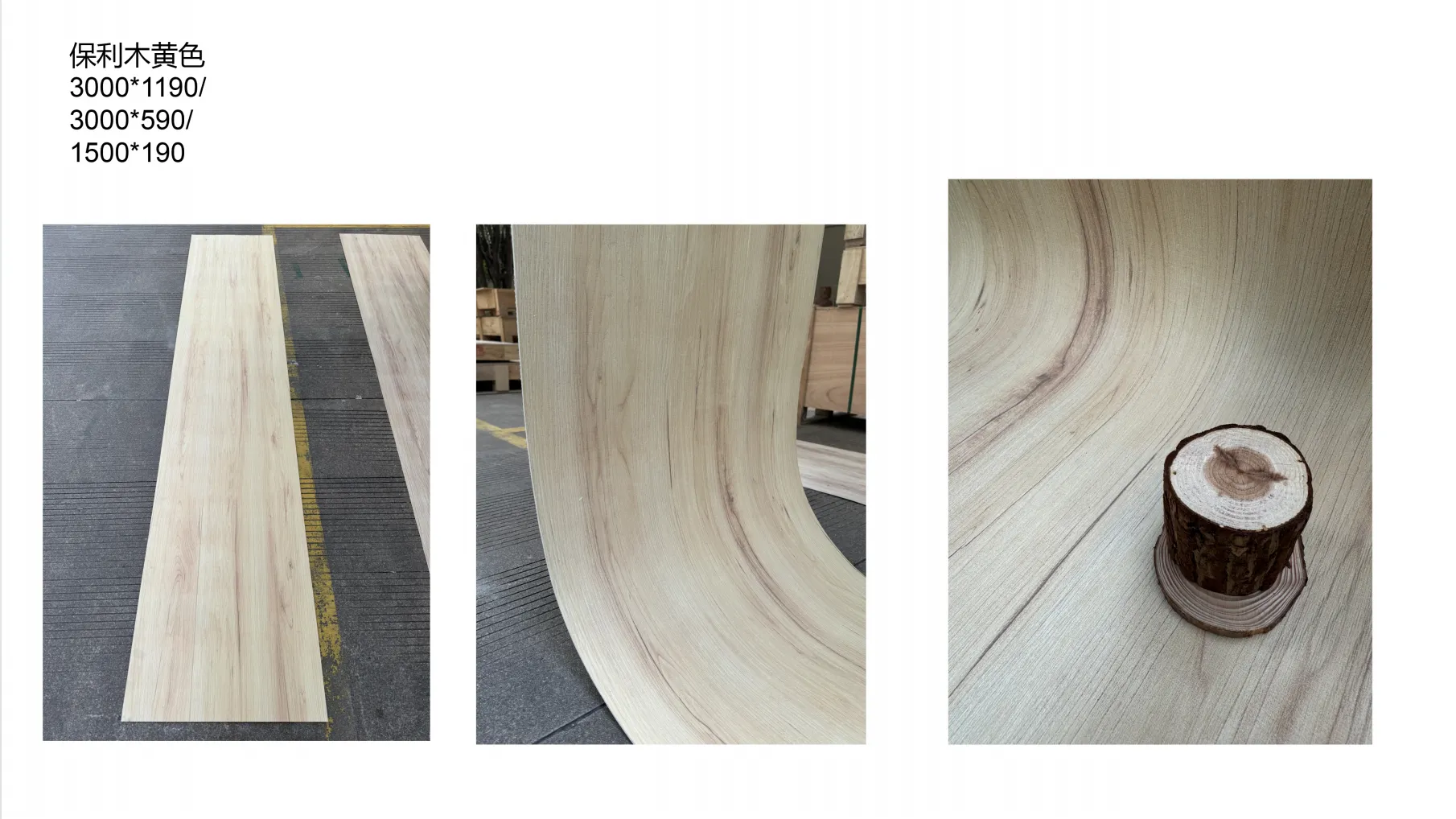
If engineered wood is the traditionalist, poly wood board is the innovator. Born from the need for a material that mimics wood's warmth without its weaknesses, poly wood (short for "polyethylene wood") is a composite of recycled plastics (think milk jugs, detergent bottles) and wood fibers. It's part of a new generation of exterior solutions, often grouped with advanced lines like the mcm project board series, which prioritize resilience and sustainability. Here's how it's made: recycled plastic is melted down, mixed with wood flour (ground wood fibers), and blended with additives like UV stabilizers, colorants, and impact modifiers. The mixture is then extruded into boards that can be cut, nailed, or screwed just like real wood—but with a superpower: it's designed to resist the elements, not just tolerate them.
Sustainability is a nice bonus, too. Many poly wood boards are made from 90% recycled materials, keeping plastic out of landfills while reducing the need to harvest new timber. But let's be clear: its main claim to fame isn't eco-friendliness (though that's a win). It's durability. Manufacturers often tout it as "low-maintenance" or "weatherproof," but does it live up to the hype?
Engineered wood, on the other hand, is a tried-and-true player in the construction world. You've probably seen it in flooring, cabinets, or even outdoor furniture. Unlike solid wood (which is a single slab), engineered wood is a sandwich of layers: a core of plywood, fiberboard, or particleboard, topped with a thin veneer of real wood (like oak, cedar, or teak). This layered structure was originally designed to reduce warping and make use of smaller, more sustainable wood pieces. For indoor use, it's a star—stable, affordable, and versatile. But outdoors? That's where the story gets complicated.
Engineered wood's outdoor credibility relies heavily on treatments and sealants. Some products are marketed as "exterior-grade," coated in water-resistant chemicals or wrapped in plastic overlays to fend off moisture. But at its core, it's still wood-based—meaning it's inherently vulnerable to the very things that plague solid wood: rot, pests, and decay. It's popular for its natural look and lower upfront cost, but how does that translate to long-term performance outside?
To really test these materials, we need to throw the worst Mother Nature has to offer at them. Let's break down the critical factors that determine outdoor durability—and see how poly wood and engineered wood stack up.
| Durability Factor | Poly Wood Board | Engineered Wood |
|---|---|---|
| Moisture Resistance | Repels water; no swelling, rotting, or delamination | Absorbs moisture without sealing; prone to warping or delamination |
| UV Radiation | UV stabilizers prevent fading/cracking (5-10 years color retention) | Veneer fades; top layer may crack or peel over time |
| Pest Resistance | Impervious to termites, ants, and fungi | Treated versions resist pests temporarily; vulnerable if sealant fails |
| Temperature Extremes | Minimal expansion/contraction; stable in heat/cold | Prone to warping in heat, cracking in cold |
| Maintenance Needs | Hose off occasionally; no sanding, staining, or sealing | Annual sealing/staining; sanding to repair scratches |
| Average Lifespan (Outdoors) | 20-30 years | 5-10 years (with heavy maintenance) |
Rain, snow, humidity, morning dew—outdoor spaces are swimming in moisture, and water is wood's worst enemy. Let's start here because it's often the first cause of failure for outdoor materials.
Poly wood board laughs in the face of moisture. Thanks to its plastic core, it's inherently water-resistant. Unlike wood, it doesn't absorb liquid; instead, water beads up and runs off. That means no swelling, no rotting, and no delamination (the layers splitting apart). Even if you live in a rainy climate—think Seattle or the Pacific Northwest—poly wood boards stay stable. I spoke with a contractor in Portland who installed a poly wood deck eight years ago: "We get 40 inches of rain a year, and that deck still looks brand new. No mold, no soft spots—nothing. The homeowners love that they never have to worry about it after a storm."
Engineered wood? It's a different story. Even "exterior-grade" engineered wood is still made of wood fibers and adhesives. Without a thick, intact sealant, moisture seeps into the core. Over time, that leads to swelling, which can warp boards or cause the veneer to bubble. Once water gets in, it also creates a breeding ground for mold and mildew. A friend in Chicago learned this the hard way: she installed engineered wood siding on her garage, thinking the "waterproof" label meant set-it-and-forget-it. Three winters later, the bottom boards were soft to the touch, and black mold was creeping up the seams. "I sealed it every year, but the snow and ice still got in," she said. "Now I'm ripping it all out and replacing it with poly wood. Lesson learned."
The sun is great for barbecues and garden parties, but its UV rays are brutal on building materials. Over time, sunlight breaks down molecules, causing fading, cracking, and brittleness. How do our contenders hold up?
Poly wood board is formulated with UV stabilizers—additives that act like sunscreen for the material. These stabilizers absorb or reflect UV rays, preventing them from breaking down the plastic and wood fibers. Most manufacturers guarantee color retention for 5-10 years, and in real-world use, many boards still look vibrant after 15+ years (they may fade slightly, but not unevenly or dramatically). Compare that to engineered wood: its top veneer is often a thin layer of real wood, which has no built-in UV protection. Without regular staining (every 1-2 years), the veneer fades to a dull gray, and the wood fibers can dry out and crack. Even with staining, the sun will eventually win—many homeowners report noticeable fading within 2-3 years.
Termites, carpenter ants, and wood-boring beetles don't care about your design aesthetic—they just want a meal. For wood-based materials, pests are a constant threat. But poly wood? It's basically a pest repellent in board form.
Since poly wood is made of plastic and recycled wood fibers (not actual living wood), termites and ants have zero interest. There's no cellulose for them to digest, so they leave it alone. Fungi and mold? They need moisture and organic material to thrive—and poly wood provides neither. It's inert, meaning it won't decay or support microbial growth. Engineered wood, even when pressure-treated, is still wood at heart. The treatments (like borate or copper compounds) can deter pests for a few years, but once the sealant wears off or cracks, the wood becomes vulnerable. Termites can tunnel through the core, and mold can take hold in damp corners. In humid regions like the Southeast, this is a major concern—engineered wood decks often require annual pest inspections, adding to the maintenance burden.
Materials expand in heat and contract in cold—it's physics. But some handle these changes better than others. In regions with extreme temperature swings (looking at you, New England and the Midwest), this can make or break a material's lifespan.
Poly wood board is designed to be dimensionally stable. Its plastic component resists expansion, and the wood fibers help prevent excessive contraction. This means minimal warping, bowing, or cracking, even when temperatures swing from -20°F in winter to 100°F in summer. Engineered wood, however, is prone to movement. The layers of plywood or fiberboard expand and contract at different rates when heated or cooled, leading to warping or "cupping" (edges curling upward). In direct sunlight, engineered wood can get hot enough to soften adhesives, causing the veneer to lift. In freezing temperatures, moisture trapped inside can expand, creating cracks. Over time, these small movements add up, leaving boards uneven and unsightly.
Durability isn't just about how long a material lasts—it's about how much work you have to put in to keep it alive. Let's talk maintenance.
Poly wood board is the poster child for "set it and forget it." Need to clean it? Hose it off with soap and water once or twice a year. Got a stubborn stain? A little baking soda and a brush will do the trick. No sanding, no staining, no sealing, no painting. It's perfect for busy homeowners or anyone who'd rather spend weekends grilling than refinishing decks. Engineered wood? It's high-maintenance by comparison. To keep it looking good and protected, you'll need to seal or stain it every 1-2 years . If it gets scratched (and it will—from patio furniture, pets, or kids), you'll have to sand down the area and reapply stain to match. Miss a year of maintenance? Prepare for fading, mold, or worse. As one contractor put it: "Engineered wood outdoors is like a high-maintenance pet. It's cute, but it needs constant attention."
Numbers and specs are great, but nothing beats real-world experience. Let's look at two case studies that highlight the differences in longevity.
A homeowner in Charleston, South Carolina, installed an engineered wood deck in 2015. By 2018, the boards were warping, and salt air had accelerated fading. By 2020, mold was growing between the boards, and several had delaminated. Total lifespan: 5 years, with $800 spent on annual sealing. In 2021, they replaced it with poly wood board. Today, 3 years later, the deck looks new. No warping, no mold, and the color has barely faded—even with daily exposure to humidity and salt spray. "I used to dread deck maintenance weekend," the homeowner said. "Now I just hose it off and enjoy it."
In Colorado, a family built a cabin with engineered wood siding in 2010. The harsh winters (freezing temps, heavy snow) and hot, dry summers took a toll. By 2016, the siding was cracked, and some boards had split along the grain. They replaced it with poly wood board in 2017. As of 2024, the siding has withstood seven winters of snow and ice, and summer UV rays, with no visible damage. "We don't have to scrape snow off it immediately or worry about ice dams rotting the wood anymore," they noted. "It's been bulletproof."
Let's address the elephant in the room: poly wood board costs more upfront. On average, it's 2-3 times pricier than engineered wood per square foot. For a 200 sq. ft. deck, that could mean paying $2,000-$3,000 for poly wood vs. $800-$1,200 for engineered wood. But here's the catch: engineered wood's "cheaper" upfront cost is misleading. When you factor in maintenance (stain, sealant, tools, labor) and replacement costs, the tables turn.
Let's do the math: If you spend $1,000 on engineered wood and $200/year on maintenance (stain, sealant, repairs), after 10 years, you've spent $3,000—and you'll likely need to replace it. A poly wood deck costing $3,000 upfront with $50/year in maintenance (soap and water) will last 20-30 years, costing just $4,000 total over 30 years. Engineered wood, replaced every 10 years, would cost $9,000 over the same period. Suddenly, poly wood looks like the budget-friendly choice.
We've sung poly wood's praises, but engineered wood isn't without its place. If you're on a tight budget and don't mind annual maintenance, or if you're building a temporary structure (like a rental property you plan to sell in 5 years), engineered wood could work. It also offers a wider range of "natural" wood looks—think rare species like teak or mahogany—that poly wood sometimes can't replicate perfectly. But for permanent outdoor spaces where durability and low maintenance are priorities? Poly wood is the clear winner.
When it comes to exterior durability, poly wood board outperforms engineered wood in nearly every category. It repels moisture, resists UV rays, laughs off pests, handles temperature swings, and requires almost no maintenance. Engineered wood, while initially cheaper and aesthetically versatile, simply can't stand up to the elements long-term without constant care. For homeowners who want outdoor spaces that look great and last, poly wood isn't just a choice—it's an investment in peace of mind.
So, the next time you're planning a deck, patio, or outdoor siding, remember: the best material isn't the one that saves you money today. It's the one that's still standing strong when your kids (or grandkids) are enjoying that morning coffee on the deck. And for that? Poly wood board is hard to beat.
Recommend Products












