
Walk into any space—whether it's a cozy backyard deck, a sleek office lobby, or a historic building's facade—and the first thing you'll notice isn't just the layout. It's the materials. The way they catch the light, the texture under your fingertips, the subtle warmth or coolness they radiate. Building materials aren't just "stuff" we build with; they're storytellers. They shape how we feel in a room, how long that room lasts, and even how it interacts with the world around it. Today, we're diving into two materials that often stand at the crossroads of style and practicality: Poly Wood Board and MCM (Modified Composite Material) . If you've ever wondered which one belongs in your next project, let's break down their differences—no jargon, just real talk about what matters most.
Before we jump into differences, let's get clear on what each material is. Think of this as a quick "meet the contestants" round.
If you love the look of wood but hate the hassle, Poly Wood Board is your new best friend. It's a composite material, blending recycled plastic (like polyethylene) with wood fibers (think sawdust or wood flour) and a dash of additives to boost durability. The result? A material that looks and feels like real wood—complete with grain patterns, warm tones, and that classic "organic" vibe—but skips the rotting, warping, or insect damage that plagues natural wood. It's the reason so many homeowners now swap their old wooden decks for Poly Wood: it keeps the charm without the constant upkeep.
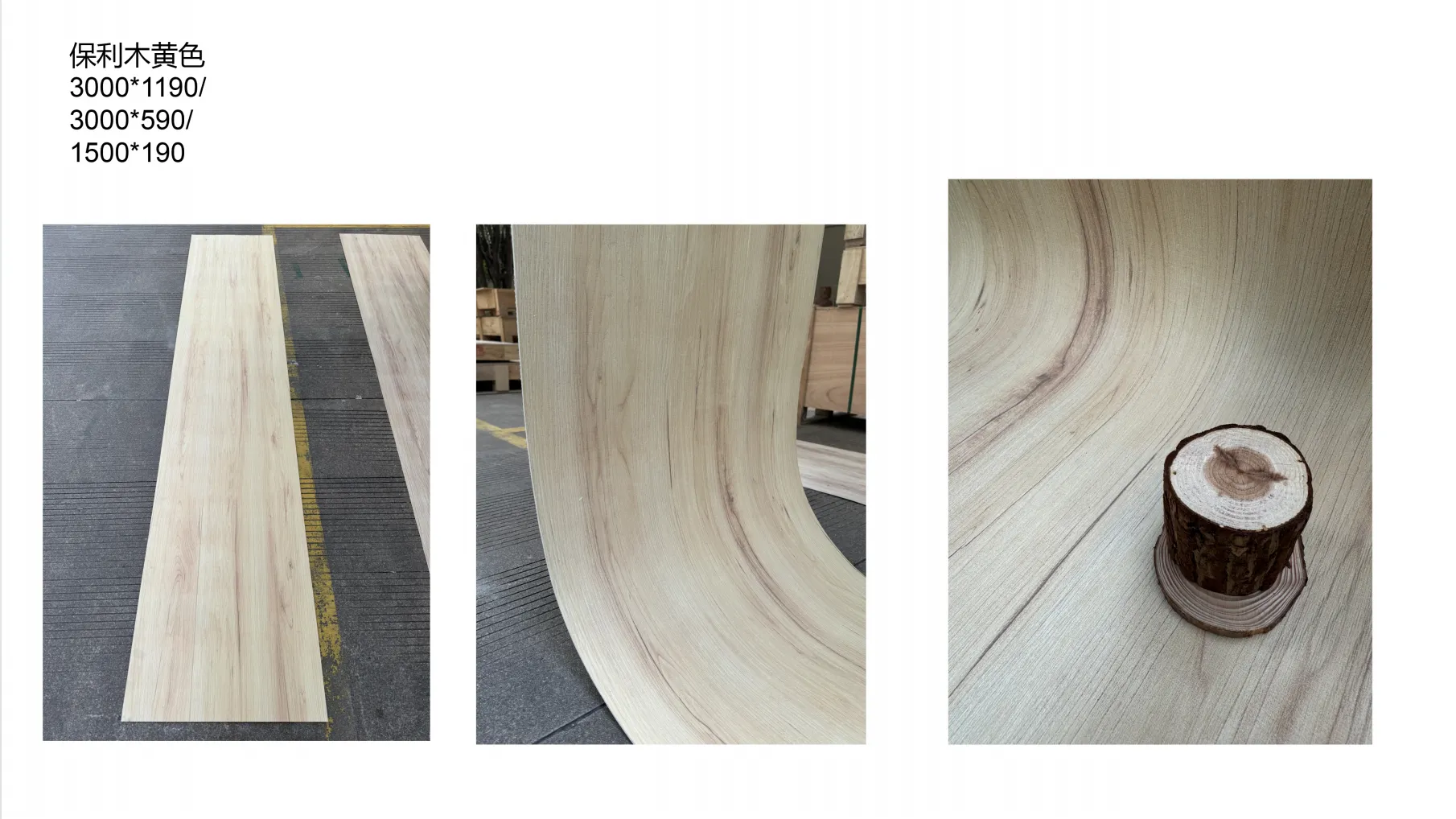
MCM, short for Modified Composite Material, is like the Swiss Army knife of building materials. It starts with stone powder (think marble, travertine, or limestone), mixed with polymers and reinforced with fibers (often fiberglass) to create a thin, flexible sheet. What makes MCM special? It's adaptable . Want the rugged look of fair-faced concrete ? MCM can do that. Dreaming of a facade that shimmers like a starry night? Check out travertine (starry green) from MCM's lineup. It's lightweight, bendable, and comes in textures that range from smooth as silk to rough as a mountain cliff—thanks to innovations like 3D printing and custom molding. MCM isn't just about looking good; it's about turning walls, facades, and surfaces into works of art.
To really understand these materials, let's put them side by side. We'll cover everything from what they're made of to how they perform in the real world.
| Aspect | Poly Wood Board | MCM |
|---|---|---|
| Composition | Recycled plastic + wood fibers + additives (UV stabilizers, colorants) | Stone powder (travertine, limestone) + polymers + fiberglass mesh (for flexibility) |
| Aesthetics | Warm, wood-like grain; earthy tones (oak, teak, walnut); matte/semi-gloss finishes | Stone-like textures (e.g., travertine (starry green) , fair-faced concrete ); metallic accents; 3D patterns; bold colors (starry red, golden sunset) |
| Durability | Resists rot, mold, insects; fades slowly in sunlight; handles moisture (great for rain/snow) | Weather-resistant; fire-retardant; impact-resistant; flexible (won't crack in temperature swings) |
| Best For | Decks, fences, outdoor furniture, indoor accent walls (wood-look) | Building facades, interior feature walls, cladding, high-impact areas (e.g., lobbies, restaurants) |
Let's talk about the "feel" factor. Poly Wood Board is all about warmth . It's the material that makes you want to kick off your shoes and relax. Imagine a backyard deck with Poly Wood in a rich teak finish—sunlight filters through the trees, and the boards feel smooth but not slippery underfoot. It's wood without the splinters, the warping, or the annual sanding. It's for people who love the idea of a cabin in the woods but live in the city.
MCM, on the other hand, is a drama queen —and we mean that in the best way. It's not here to blend in; it's here to make a statement. Take travertine (starry green) , for example. Run your hand over it, and you'll feel tiny, glittering particles that catch the light like stars in a forest. Or fair-faced concrete MCM, which mimics the raw, industrial beauty of poured concrete but with a fraction of the weight. MCM comes in textures that range from rippled wave panels to the rough-hewn look of lunar peak silvery , a finish that looks like moonlight on stone. It's for designers who want walls that tell stories—of mountains, of galaxies, of ancient ruins.
Let's get practical: no one wants to redo their project every five years. Poly Wood Board and MCM both promise longevity, but they tackle wear and tear in different ways.
Poly Wood Board is a workhorse for outdoor living . Rain? No problem—unlike real wood, it won't swell or rot. Snow? It won't crack when temperatures drop. Bugs? Termites and carpenter ants turn up their noses at it. The only catch? It can fade a bit in harsh sunlight over time, but most brands add UV stabilizers to slow that down. Think of it as the "set-it-and-forget-it" option for decks and patios.
MCM, though, is built for extreme conditions . It's used on skyscraper facades in hurricane zones and historic building restorations in freeze-thaw climates. Why? Because it's flexible. When the temperature spikes or drops, MCM bends slightly instead of cracking—a huge plus for areas with wild weather. It's also fire-retardant (important for commercial spaces) and resistant to scratches, which is why you'll often see it in high-traffic lobbies or restaurant walls. And because it's so lightweight, it puts less stress on buildings than traditional stone cladding, which means fewer structural issues down the line.
Numbers and specs are great, but let's look at real-world examples. These projects show how Poly Wood Board and MCM shine in different settings.
A family in Portland, Oregon, wanted a deck that could handle rain, snow, and two rambunctious kids. They went with Poly Wood Board in a "natural oak" finish. Three years later, the deck still looks brand-new. No splinters, no warped boards, and the color has only softened slightly—like a well-loved book. "We used to spend every spring sanding and staining our old wooden deck," the homeowner said. "Now? We just hose it off and enjoy."
A contemporary art gallery in Chicago wanted a facade that would stand out in the city skyline. They chose MCM panels in travertine (starry green) and fair-faced concrete finishes. The result? A building that shimmers during the day (thanks to the starry green's glittering particles) and glows softly at night, with the concrete panels adding a sleek, industrial contrast. "We wanted the building to feel like part of the art," the gallery director explained. "MCM let us mix textures and colors in a way traditional stone never could."
At the end of the day, there's no "better" material—only the right one for your project. Here's a quick cheat sheet:
Both materials are stepping up the game—Poly Wood Board is redefining "outdoor wood," and MCM is turning building facades into canvases. Whichever you pick, remember: the best material is the one that makes your space feel like yours .
So go ahead—touch the samples, imagine the light, and let the material tell your story. After all, great spaces aren't built with materials alone. They're built with intention.
Recommend Products












