
Walk into any modern commercial space—a bustling café, a sleek retail store, or a cutting-edge office—and you'll quickly realize that building materials do more than just hold structures together. They set the mood, tell a story, and even shape how we interact with the space. For architects and designers, choosing the right materials is like picking the perfect palette for a painting; it's equal parts art and science. Today, we're diving into two heavyweights in the world of commercial building materials: Poly Wood Board and MCM Project Board. We'll explore their unique traits, real-world applications, and why they've become go-to choices for transforming ordinary spaces into memorable ones.
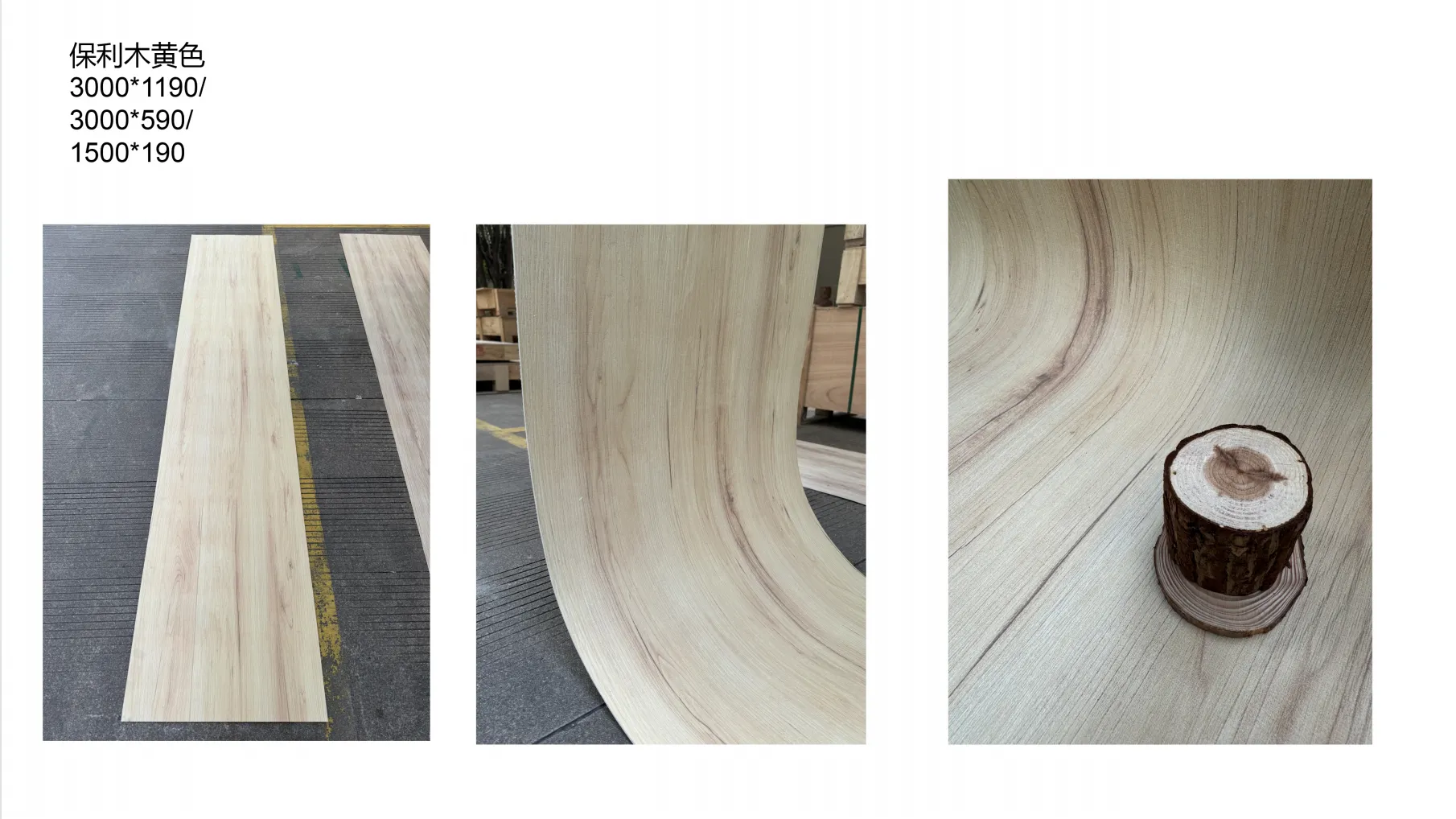
If there's one material that never goes out of style, it's wood. Its natural grain, warm tones, and organic texture make it a favorite for creating inviting spaces. But traditional wood has its downsides—warping in humidity, fading in sunlight, and requiring constant maintenance. Enter Poly Wood Board: a composite material designed to capture wood's charm while solving its biggest headaches.
At its core, Poly Wood Board is a blend of recycled plastics and wood fibers, pressed into panels that mimic everything from oak to teak. What sets it apart? Durability. Unlike real wood, it resists rot, insects, and moisture, making it ideal for both indoor and outdoor use. And while it looks like the real deal, it's lighter and easier to install—no need for specialized tools or treatments. For designers aiming for that "cozy cabin" vibe without the upkeep, this material is a game-changer.
Picture a beachside café in Bali, where the salty breeze and occasional rainstorm would spell disaster for traditional wooden siding. The architects here chose Poly Wood Board in a light oak finish for the exterior walls and patio decking. Three years later, the panels still look brand-new—no peeling paint, no water damage, just that same warm, sun-bleached glow. "Our customers often comment on how the wood feels 'alive,'" says the café owner. "Little do they know it's actually Poly Wood—we've saved so much time on maintenance, we can focus on what matters: great coffee and good vibes."
But Poly Wood Board isn't just for exteriors. Indoors, it shines as ceiling panels, accent walls, or even furniture. Take a downtown bookstore in Portland, for example. The designers used wood grain board (a variant of Poly Wood) for the bookshelves and checkout counter. The result? A space that feels like a cozy library, but with shelves that withstand years of heavy books and the occasional spilled latte. And because it's available in a range of colors—from rich walnut to pale maple—it's easy to match any aesthetic, whether you're going for rustic or modern.
Another standout feature? Sustainability. Most Poly Wood Boards are made from recycled materials, reducing reliance on deforestation. For brands prioritizing eco-friendly design, this is a major plus. Imagine a yoga studio in Seattle using Poly Wood Board for its flooring—students walk in, feel the soft texture underfoot, and learn the material is helping keep plastic out of landfills. It's a story that adds depth to the space, making the studio not just a place to practice, but a reflection of shared values.
If Poly Wood Board is about warmth, MCM Project Board is about innovation. Short for "Modified Composite Material," MCM is a high-tech panel that's revolutionizing how buildings look and function. Think of it as a chameleon: thin, lightweight, and infinitely customizable, it can mimic stone, concrete, or even metal—all while being easier to work with than traditional materials.
At just 3-5mm thick, MCM Project Board is surprisingly strong. Its secret? A core of aluminum mesh sandwiched between layers of modified stone or resin, making it flexible enough to bend around curves but tough enough to withstand high winds and extreme temperatures. This flexibility is a dream for architects pushing the boundaries of design—no more boxy, flat walls when you can create sweeping, organic shapes.
In Berlin, a new modern art gallery wanted an exterior that felt both bold and understated—something that would let the art inside take center stage, but still make a statement. The solution? MCM Project Board in a fair-faced concrete finish, paired with sleek glass windows. The panels were curved to create a wave-like facade, reflecting the city's skyline as the sun sets. "Traditional concrete would have been too heavy for those curves," explains the lead architect. "MCM let us achieve the industrial, raw look we wanted without compromising on design. Plus, it's so lightweight, we saved on structural costs—money we could reinvest in the gallery's lighting and exhibits."
MCM Project Board also shines in sustainability. Its lightweight nature reduces transportation emissions, and many variants are made with recycled stone dust. For a corporate headquarters in Singapore, the design team used MCM flexible stone panels for the exterior, cutting the building's carbon footprint by 20% compared to traditional stone cladding. Employees love it too: "The building feels connected to nature, even in the middle of the city," says one office worker. "The stone texture is so realistic, I forget it's actually a composite—until it rains, and I notice it dries in minutes, no streaks or water spots."
Choosing between Poly Wood Board and MCM Project Board depends on your project's needs—budget, location, aesthetic, and function. To help visualize the differences, here's a breakdown of their key features:
| Feature | Poly Wood Board | MCM Project Board |
|---|---|---|
| Primary Aesthetic | Warm, organic, wood-like; available in oak, teak, and bamboo mat board finishes | Sleek, modern; mimics stone, concrete, metal, or MCM flexible stone |
| Durability | Resists moisture, rot, and insects; ideal for humid or coastal areas | Weather-resistant, fire-retardant, and impact-proof; great for high-rises or harsh climates |
| Installation | Lightweight and easy to cut; can be nailed or screwed like wood | Requires adhesive or mechanical fastening; flexible for curved surfaces |
| Cost | Mid-range; more affordable than real wood, pricier than basic vinyl | Higher upfront cost; saves on long-term maintenance and structural support |
| Sustainability | Made with recycled materials; low maintenance reduces chemical use | Lightweight design cuts transportation emissions; some variants use recycled stone |
We talked to three architects about their go-to material for different projects, and their answers highlight how context matters:
For a (farmhouse-style restaurant) in rural Japan: "We wanted that 'rustic charm' without the risk of wood rot from the frequent rain. Poly Wood Board was the obvious choice—its wood grain board finish felt authentic, and the owner loves that he doesn't have to stain it every year." — Yuki Tanaka, Architect
For a luxury hotel in Dubai: "The client wanted a facade that stood out in the desert sun. MCM Project Board in a golden limestone finish was perfect—it reflects heat, stays cool to the touch, and looks stunning against the skyline. Traditional stone would have been too heavy for the building's structure." — Amira Hassan, Designer
For a community center in Minnesota: "We needed something durable enough for kids' play areas and affordable enough for the tight budget. Poly Wood Board for the indoor walls (warm and inviting) and MCM Project Board for the outdoor sports pavilion (tough against snow and ice). The combination works beautifully—functional and friendly." — Marcus Johnson, Architect
At the end of the day, Poly Wood Board and MCM Project Board are more than just building materials—they're tools for storytelling. Poly Wood Board whispers of nature, warmth, and nostalgia, perfect for spaces where connection and comfort are key. MCM Project Board shouts innovation, sleekness, and progress, ideal for projects that aim to push boundaries. Whether you're designing a cozy café or a towering skyscraper, the right material can turn a structure into a space that feels alive.
So, what's the takeaway? There's no "better" option—only the right one for your vision. As one designer put it: "Materials should work with you, not against you. Poly Wood and MCM both do that—they let us focus on creating spaces that people love, not fixing problems down the line." And in the end, isn't that what great design is all about?
Recommend Products












