
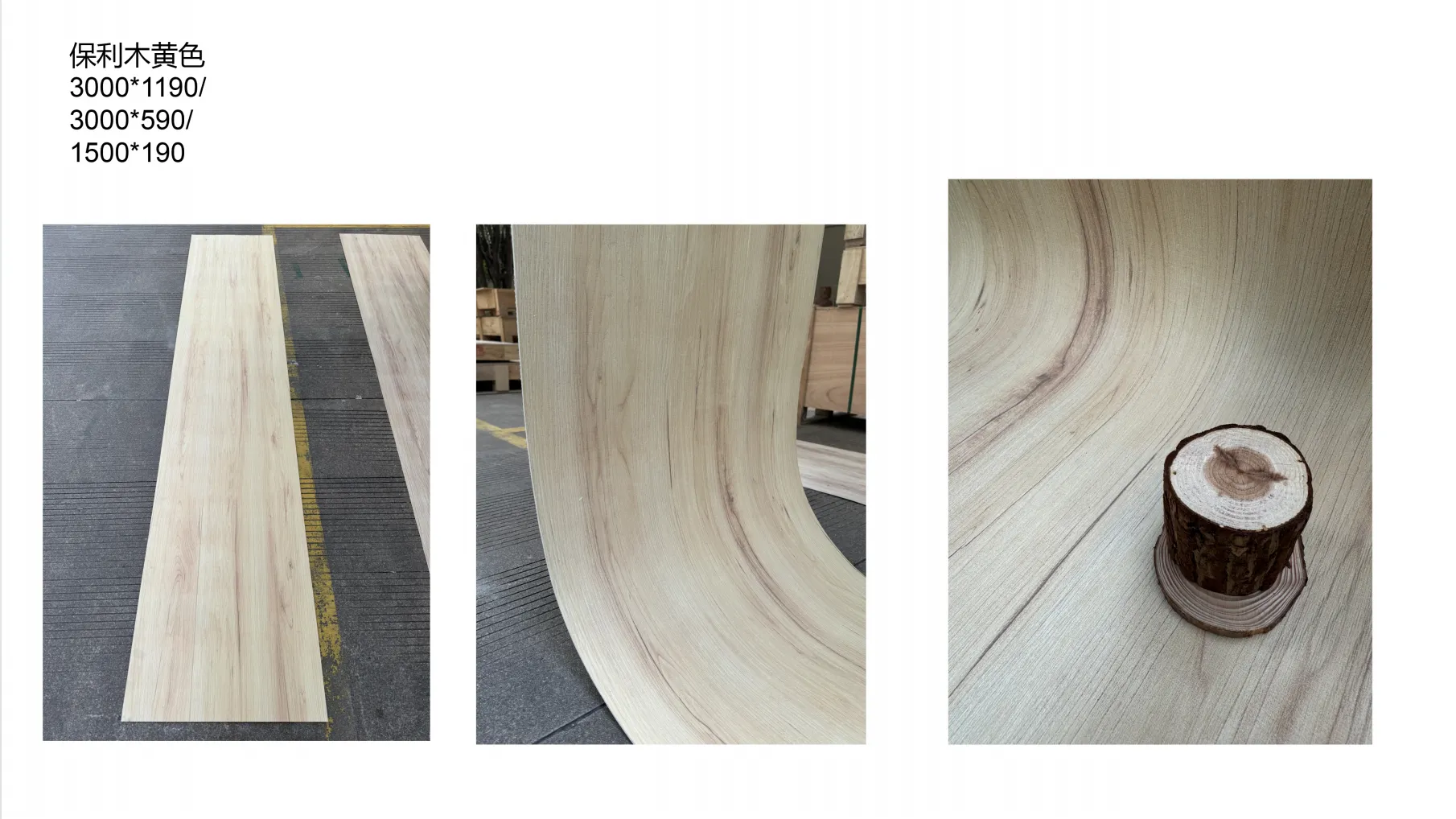
Let's talk about the "skin" of your building—exterior cladding. It's not just about making walls look pretty; it's the first line of defense against rain, wind, UV rays, and whatever else Mother Nature throws at it. And let's be real, in a world where first impressions matter, cladding also sets the tone for your home or commercial space. But with so many options out there, narrowing it down can feel overwhelming. Lately, two materials have been duking it out for the top spot: poly wood board and PVC. If you've found yourself stuck between these two, you're not alone. They both promise durability, style, and low maintenance—but are they really created equal? Let's dive in, break down the pros and cons, and help you figure out which one deserves a spot on your walls.
Before we start nitpicking, let's make sure we're on the same page about what these materials even are. Let's start with poly wood board —the new kid on the block that's been turning heads. Think of it as a hybrid: it's made by blending wood fibers (often recycled) with polymers (like HDPE or PVC). The result? A material that looks and feels like real wood but skips the downsides—no splinters, no rot, no constant staining. It's like nature's best features got a high-tech upgrade.
Then there's PVC cladding —the old reliable (or is it?). PVC, short for polyvinyl chloride, is a synthetic plastic that's been around for decades. It's made from petroleum-based chemicals, melted down, and formed into boards, panels, or sheets. It's lightweight, super affordable, and comes in a rainbow of colors. But here's the catch: it's plastic through and through. And while that makes it tough, it also gives it that… well, "plastic" reputation.
So, we're pitting a wood-polymer hybrid against a fully synthetic plastic. One leans into natural aesthetics; the other leans into affordability and simplicity. Let's see how they stack up where it counts.
Let's cut to the chase: your cladding is going to take a beating. Rain, snow, UV rays, humidity, maybe even salt air if you're near the coast. So, which material laughs in the face of Mother Nature?
Let's start with moisture resistance —a big one for any exterior. Real wood rots when it gets wet, but poly wood board? It's practically waterproof. The polymer binders seal out moisture, so even if it rains for a week straight, you won't get mold or mildew. I once visited a cabin in the Pacific Northwest (where "rainy season" is basically 10 months a year) that used poly wood board cladding. After 10 years, it still looked brand new—no warping, no discoloration, just that same warm wood tone.
PVC is also moisture-resistant—plastic doesn't absorb water, after all. But here's the problem: temperature swings . PVC has a low melting point, so in hot climates, it can soften and warp. I've seen PVC cladding on a south-facing wall in Arizona that started to bow after just two summers. The sun beat down on it, and the panels literally sagged. On the flip side, in freezing temperatures, PVC can become brittle. A friend in Minnesota had PVC trim that cracked when a heavy icicle fell on it—something that wouldn't have happened with a sturdier material.
What about UV resistance ? Both materials fade over time, but poly wood board tends to hold its color better. Many brands add UV stabilizers during manufacturing, so the wood grain and tone stay vibrant for 15–20 years. PVC fades too, but faster—especially darker colors. A red PVC panel might turn pink after 5 years, while a poly wood board in the same color would still look rich.
And let's not forget impact resistance . Hail, flying debris, kids with baseballs—stuff happens. Poly wood board is dense and rigid, so it can take a hit without cracking. PVC is lighter, which makes it easier to install, but it's also more prone to dents. I've seen a PVC panel that got a golf ball-sized dent from a hailstorm; the poly wood board next to it? Not a scratch.
So, when it comes to durability, poly wood board edges out PVC. It handles moisture, temperature, UV rays, and impacts better. PVC is no slouch, but it has clear weaknesses—especially in extreme climates.
Let's be honest: even if a material is indestructible, if it looks cheap, you're not going to want it on your building. Cladding is about curb appeal, and that means nailing the look .
Poly wood board is a rockstar here. Since it's made with real wood fibers, it captures that authentic wood grain—those subtle knots, the variation in tone, the warmth that plastic just can't replicate. Some high-end brands even add texture, so when you run your hand over it, you feel the grain, not a smooth plastic surface. It's the kind of material that makes neighbors stop and say, "Is that real wood?" (Spoiler: You can tell them it's better.)
And the color options? They're endless. Want a weathered gray that looks like driftwood? Done. A rich mahogany that feels timeless? Check. Even bold hues like navy or forest green, but with a woody undertone that keeps them from looking garish. It's versatile enough for a modern farmhouse, a coastal cottage, or a sleek urban townhouse.
Now, PVC cladding … well, it tries. It comes in solid colors, wood-look prints, and even stone textures. But here's the issue: the prints are just that— prints . Up close, you can see the pixelation or the repeating pattern, and it never quite fools the eye. I once saw a PVC panel that was supposed to look like cedar; from 20 feet away, it was passable, but up close? It looked like a sticker. And the color? It's flat, no depth. A red PVC panel is just… red. A red poly wood board has undertones, variations, like real wood does.
There's also the sheen factor . PVC has a glossy finish that screams "plastic," especially in direct sunlight. It reflects light in a way that feels artificial, while poly wood board has a matte, natural-looking finish. Even the best PVC can't shake that "vinyl siding" vibe—and let's be real, vinyl siding hasn't been cool since the '90s.
For those who want the ultimate in aesthetics, there are premium options like flexible stone or travertine cladding, but those come with a premium price tag. If you're balancing beauty and budget, poly wood board gives you that high-end, natural look without the flex-stone price. PVC, unfortunately, leans more toward "practical" than "picturesque."
These days, every building decision comes with a side of eco-guilt. Is this material going to end up in a landfill? Did it take a forest to make it? Let's talk green building materials —because sustainability isn't just a buzzword; it's about leaving a lighter footprint.
Let's start with poly wood board . Most brands use recycled wood fibers (from sawdust or scrap wood) and recycled plastics (like old milk jugs or detergent bottles). That means they're diverting waste from landfills and reducing the need for virgin materials. For example, one major manufacturer claims that every 500 square feet of their poly wood board keeps 3,000 plastic bottles out of oceans and landfills. That's a win for the planet right there.
And since poly wood board lasts 25–30 years without needing replacement, it has a low "embodied carbon" over its lifetime. Embodied carbon is the total emissions from making, transporting, and installing a material. Since you're not replacing it every 10 years (like you might with wood or even PVC), the total carbon footprint is lower.
Now, PVC … here's where things get tricky. PVC is made from petroleum, a non-renewable resource. The manufacturing process releases toxic chemicals like dioxins, which are linked to cancer and environmental damage. And when PVC is incinerated (which often happens in landfills), it releases even more toxins. Recycling PVC is also a nightmare—only about 10% of PVC is recycled globally, because it's hard to separate from other plastics and degrades during recycling.
Let's put it this way: if poly wood board is a hybrid car, PVC is a gas-guzzling SUV. One is trying to do better; the other is stuck in old habits. If sustainability is a priority for you (and let's hope it is), poly wood board is the clear choice.
Let's get practical: installing cladding shouldn't require a PhD in construction, and maintaining it shouldn't feel like a second job. How do these two stack up for busy homeowners or contractors?
Installation -wise, PVC is lightweight—like, "one person can carry a 12-foot panel" lightweight. That makes it easy to haul up ladders and nail into place. It cuts with standard tools, and most panels snap together with a tongue-and-groove system, so you don't need to be a pro to get a decent finish. But here's the catch: because it's so light, it can flex and bow during installation, making it hard to get perfectly straight lines. I've seen DIYers spend hours trying to align PVC panels only to have them shift when the sun hits them.
Poly wood board is denser, so it's heavier—you might need a helper to lift longer panels. But that weight works in your favor during installation: it stays put. It also cuts and drills like wood (no special tools needed), and many brands have hidden fastening systems that give a clean, seamless look. One contractor I talked to said, "Installing poly wood board is like installing premium lumber, but without worrying about warping mid-project."
Now, maintenance —the part no one wants to think about but everyone has to. Let's start with PVC: it's low-maintenance, but not "no-maintenance." You'll need to hose it down a few times a year to remove dirt and grime. If it fades, you can paint it, but paint on PVC tends to peel unless you use a special primer. And if a panel cracks or warps? You'll need to replace the whole thing, because PVC doesn't patch well.
Poly wood board? It's basically "set it and forget it." A quick hose-down with soap and water once a year is all it takes. No painting, no staining, no sealing. And if it gets a scratch? A little sandpaper and some wood filler (yes, it works on poly wood!) will make it disappear. I have a client who installed poly wood board on their lake house 15 years ago—they've never done more than wash it, and it still looks like the day it went up.
So, installation: PVC is easier for solo DIYers, but poly wood board is more forgiving for a polished finish. Maintenance: poly wood board wins hands down. Less work, less stress, more time enjoying your building instead of fixing it.
Let's talk money—the elephant in the room. PVC is known for being cheap, but is it really the best deal? Let's break it down.
Initial cost : PVC cladding is definitely cheaper upfront. You'll pay around $2–$5 per square foot for materials, depending on the brand and style. Poly wood board, on the other hand, starts at $6–$12 per square foot. That's a big difference—if you're cladding a 1,000-square-foot exterior, PVC could save you $4,000–$7,000 upfront. Ouch.
But here's where it gets interesting: lifespan and maintenance costs . PVC cladding lasts about 10–15 years before it starts to fade, warp, or crack. After that, you'll need to replace it. And in those 10–15 years, you might need to repaint it once or twice ($300–$500 per job) and replace a few warped panels ($100–$200 per panel).
Poly wood board, meanwhile, lasts 25–30 years with zero maintenance costs. No repainting, no panel replacements, no staining. So, let's do the math for a 1,000-square-foot project:
| Cost Factor | PVC Cladding | Poly Wood Board |
|---|---|---|
| Initial Material Cost | $2,000–$5,000 | $6,000–$12,000 |
| Installation Cost | $1,000–$2,000 | $1,500–$3,000 |
| Maintenance (15 years) | $800–$1,500 (painting + repairs) | $0 |
| Replacement After Lifespan | $3,000–$7,000 (after 15 years) | No replacement needed (lasts 25+ years) |
| Total Cost Over 30 Years | $6,800–$15,500 (2 replacements + maintenance) | $7,500–$15,000 (1 installation, no maintenance) |
Suddenly, that "cheap" PVC doesn't look so cheap. Over 30 years, the total cost is almost the same—and poly wood board gives you a better-looking, more durable, and more sustainable cladding for that money. It's the classic "pay more now, save later" scenario. If you're in it for the long haul, poly wood board is the smarter investment.
Numbers and specs are great, but let's hear from people who've actually lived with these materials. I talked to two homeowners—one who chose PVC, one who chose poly wood board—to get the real scoop.
Sarah, a homeowner in Illinois, chose PVC cladding for her 1,800-square-foot home in 2015. "I went with PVC because it was the cheapest option," she told me. "I was on a tight budget, and the salesman said it was 'maintenance-free.'"
Fast forward eight years, and Sarah has mixed feelings. "The white panels started yellowing after two years—badly. The south side of the house looks like it's been sun-bleached, and the north side is still bright white. It's so noticeable, I'm embarrassed to have guests over. Last summer, a hailstorm dented three panels, and replacing them cost $400. And don't get me started on the warping—some panels near the roofline are bowing, and the contractor says there's nothing to do but replace them."
Sarah's takeaway? "If I could do it over, I'd spend the extra money. PVC was a quick fix, but now I'm looking at replacing the whole thing in the next five years. It's not worth the hassle."
Mike, who owns a beach house in North Carolina, installed poly wood board cladding in 2010. "I wanted something that looked like wood but could handle salt air and humidity," he said. "I'd seen friends' wooden beach houses rot within 10 years, so I was skeptical of anything 'natural.'"
Thirteen years later, Mike is thrilled. "It still looks exactly like it did the day it went up. No rot, no splinters, no yellowing. We hose it down once a year, and that's it. Last year, Hurricane Florence hit—120 mph winds, storm surge—and the cladding didn't budge. A few shingles blew off the roof, but the poly wood board? Perfect. Neighbors with PVC cladding had panels torn off. I even get compliments on the 'wood' siding—people can't believe it's not real cedar."
Mike's only regret? "I wish I'd used it on the deck too! The deck is real wood, and I'm replacing it next year—with poly wood board, of course."
Let's cut through the noise: there's no one-size-fits-all answer, but there are clear winners for different priorities.
Choose PVC cladding if… you're on a super tight budget, you need a quick, temporary fix, or you're cladding a low-visibility area (like a shed or utility room). It's affordable and easy to install, but don't expect it to look great or last long.
Choose poly wood board if… you care about aesthetics, durability, sustainability, or long-term value. It's the better investment, hands down. Whether you're building a forever home, a commercial space, or a vacation property, it will look better, last longer, and save you money in the long run.
And if you're thinking, "What if I want something even more unique?" There are premium options out there—like flexible stone or travertine cladding—that offer the beauty of natural stone with the durability of modern materials. But those come with a much higher price tag (we're talking $20–$50 per square foot). For most people, poly wood board hits that sweet spot between luxury and practicality.
At the end of the day, exterior cladding is an investment in your building's future. It's not just about covering walls—it's about protecting your home, enhancing its beauty, and making a statement. PVC might seem like the easy choice now, but poly wood board is the choice that will make you smile every time you pull into the driveway for decades to come. It's durable, it's sustainable, it looks amazing, and it won't break the bank in the long run. So, go ahead—give your building the skin it deserves.
Recommend Products












