
Walk into any architect's studio or designer's workshop, and you'll likely find a common dilemma: how to balance the timeless charm of natural materials with the practical demands of modern construction. For decades, traditional wood has reigned as a symbol of warmth and authenticity, gracing everything from cozy cabins to grand commercial spaces. But in recent years, a new contender has emerged: poly wood board. Blending innovation with sustainability, this composite material promises to bridge the gap between tradition and technology. Today, we're diving deep into the world of wood—both natural and engineered—to explore which material truly stands the test of time.
Before we weigh the pros and cons, let's clarify what we're dealing with. Traditional wood is exactly what it sounds like: solid timber harvested from trees, with all the unique grain patterns, knots, and color variations that make each plank one-of-a-kind. It's the material our grandparents used for decks, furniture, and flooring—raw, organic, and deeply connected to nature. But its beauty comes with a catch: it's a living material, prone to the whims of weather, pests, and time.
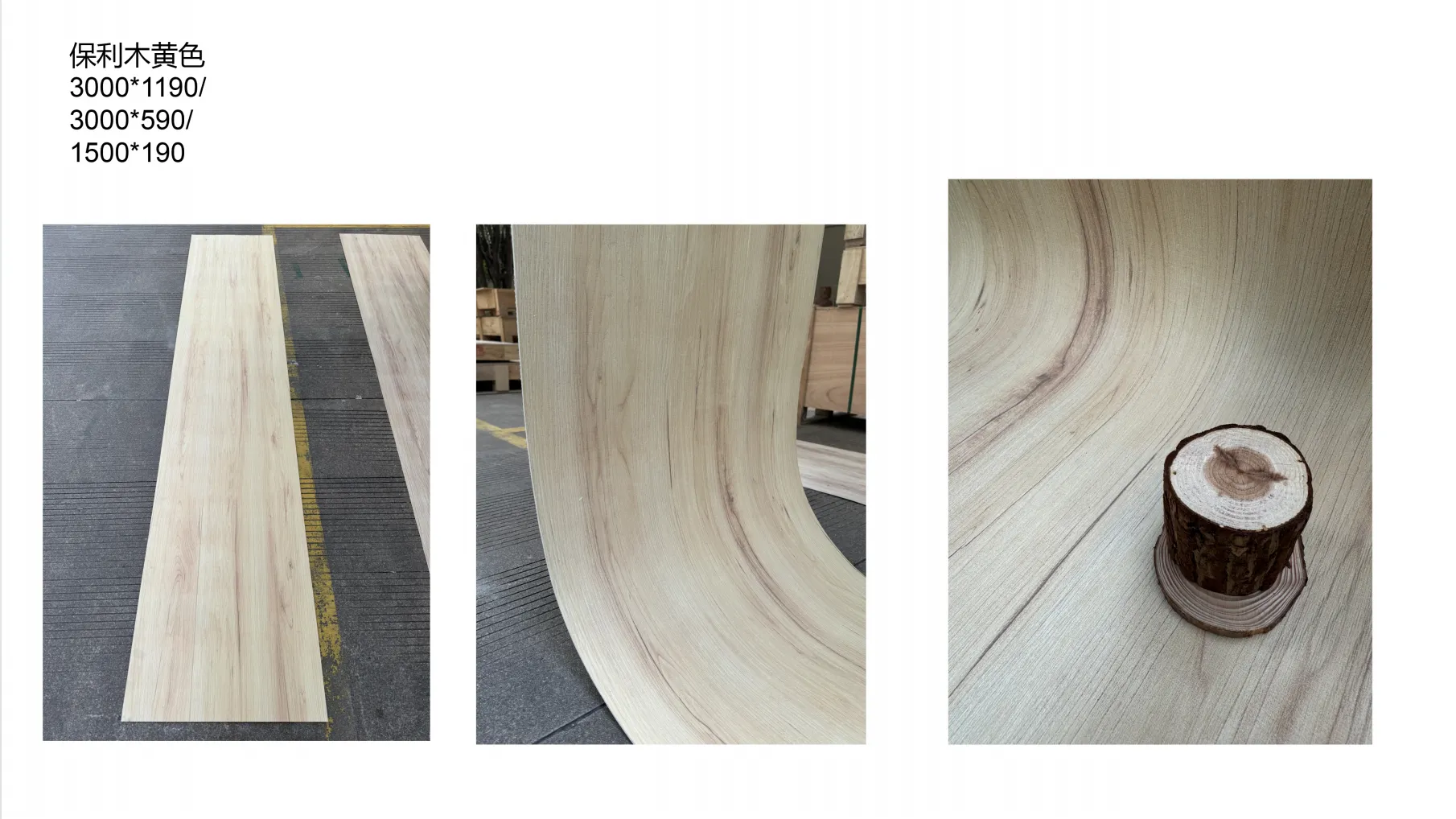
Poly wood board , on the other hand, is a modern composite. Think of it as wood's tech-savvy cousin: typically made from a blend of recycled wood fibers, plastics, and binding agents, it's designed to mimic the look and feel of natural wood without the maintenance headaches. Unlike traditional wood, it's a manufactured product, engineered for consistency and resilience. And while it might not have the same "story" as a century-old oak beam, it brings a new set of strengths to the table—strengths that are reshaping how we build and design.
Let's start with the basics: how well do these materials hold up in the real world? Traditional wood, for all its charm, is surprisingly fragile. Expose it to rain, humidity, or extreme temperatures, and you'll quickly see issues: warping, cracking, or worse, rot. Termites and wood-boring insects find it irresistible, turning a beautiful deck into a hollowed-out mess in just a few seasons. Even with regular care—sanding, staining, sealing—most traditional wood structures need major repairs every 5–10 years. Imagine a wooden fence in a coastal area, battered by salt spray: within a decade, it might look more like driftwood than a boundary.
Poly wood board, by contrast, is built to resist the elements. Its composite makeup means no water absorption, so rot and mold are non-starters. Insects? They can't digest the plastic components, so your poly wood deck remains untouched by termites. UV-resistant additives prevent fading, even in harsh sunlight. We've seen poly wood installations in tropical climates—think Bali's humid resorts or Florida's sunny boardwalks—look virtually unchanged after 15 years. That's not just durability; that's peace of mind for homeowners and business owners alike.
Traditional wood thrives on attention. Skip a year of sealing, and you'll notice the difference: discoloration, splintering, and a dull, weathered appearance. Poly wood board? It's the low-maintenance friend we all need. A quick hose-down with soap and water is all it takes to keep it looking fresh. No sanding, no painting, no costly annual treatments. For busy families or commercial properties with tight budgets, this alone can tip the scales.
| Factor | Traditional Wood | Poly Wood Board |
|---|---|---|
| Moisture Resistance | Low (prone to rot) | High (waterproof) |
| Insect Resistance | Low (attracts pests) | High (insect-proof) |
| Maintenance Frequency | Annual (sealing/staining) | Minimal (occasional cleaning) |
| Expected Lifespan | 5–15 years (with care) | 20–30+ years |
In an era where every choice impacts the planet, sustainability is no longer a buzzword—it's a responsibility. Traditional wood's environmental impact is a mixed bag. On one hand, wood is a renewable resource, and FSC-certified options ensure responsible forestry. On the other, logging contributes to deforestation, and transporting heavy timber across the globe leaves a large carbon footprint. Even with replanting efforts, growing a mature tree takes decades, and many species used in construction (like teak or mahogany) are endangered.
Poly wood board, by contrast, is a champion of green building materials . Most poly wood products are made from recycled plastics (think: plastic bottles, bags) and wood waste (sawdust, scraps that would otherwise go to landfills). This diverts tons of waste from oceans and dumps, giving new life to materials that would otherwise pollute our planet. And since it lasts longer, it reduces the need for frequent replacements—meaning fewer resources used over time. Some manufacturers even offer recyclable poly wood, closing the loop on sustainability. It's not just eco-friendly; it's a circular approach to building.
That said, traditional wood has a lower embodied energy—meaning it takes less energy to produce than poly wood, which requires manufacturing processes. For small-scale projects or those prioritizing local sourcing, traditional wood can still be a sustainable choice. The key is balance: using FSC-certified wood for interior accents and poly wood for high-impact exteriors, where durability and low maintenance shine.
Here's the million-dollar question: does poly wood board look "fake"? Ten years ago, the answer might have been yes—early poly wood products had a plastic-y sheen and uniform, artificial grain. But today's technology has changed the game. Advanced molding techniques allow poly wood to mimic the look of real wood with stunning accuracy, right down to the knots, swirls, and wood grain board patterns we love. You can find poly wood in oak, maple, cedar, and even exotic species like ipe, all with the same warm tones and texture of natural wood.
Traditional wood, of course, has the edge in uniqueness. No two planks are identical; each has its own story told through its grain. That wood line —the natural direction of the fibers—creates movement and depth that's hard to replicate. For projects where authenticity is paramount—a historic restoration or a luxury home with a rustic vibe—traditional wood adds irreplaceable character. But for designers seeking consistency, poly wood is a dream: no unexpected color variations, no warped planks, just a uniform look that's perfect for modern, minimalist spaces.
Another advantage of poly wood? Versatility. It comes in a range of colors beyond natural wood tones—grays, blacks, even bold hues like navy or red—allowing designers to get creative without sacrificing the wood-like texture. Imagine a rooftop bar with poly wood seating in a sleek charcoal finish, paired with natural wood accents for warmth. It's the best of both worlds.
Let's talk numbers. Traditional wood has a lower upfront cost—sometimes half the price of poly wood board. A basic pine deck might cost $15–$25 per square foot, while poly wood starts around $30–$45 per square foot. At first glance, traditional wood seems like the budget-friendly choice. But here's the catch: long-term costs. Over 20 years, a traditional wood deck will require staining (at $2–$4 per square foot every 2–3 years), repairs (replacing rotted boards), and eventually, full replacement. That initial $15 per square foot can balloon to $50 or more when you factor in maintenance.
Poly wood, with its higher upfront cost, has virtually no long-term expenses. No staining, no repairs, no replacement. Over 20 years, it often works out cheaper than traditional wood. For commercial projects—like hotels or restaurants with high foot traffic—the savings are even more dramatic. A poly wood outdoor dining area might cost more to install, but it won't need to be closed for repairs or refinishing, keeping revenue flowing.
So, when should you choose traditional wood, and when is poly wood board the better fit? Let's break it down:
At the end of the day, poly wood board and traditional wood aren't enemies—they're collaborators. Traditional wood brings warmth, history, and natural beauty; poly wood brings durability, sustainability, and convenience. The best designs often use both: a traditional wood ceiling in a restaurant, paired with poly wood outdoor seating; a cedar-shingled roof atop a home with poly wood siding. It's about choosing the right material for the right job, not picking sides.
For homeowners and designers willing to invest in maintenance and cherish natural variation, traditional wood will always hold a special place. For those seeking longevity, sustainability, and low stress, poly wood board is a revolutionary option. Whichever you choose, the future of building materials is bright—blending the best of the past with the innovations of today to create spaces that are not just beautiful, but built to last.
Recommend Products












