
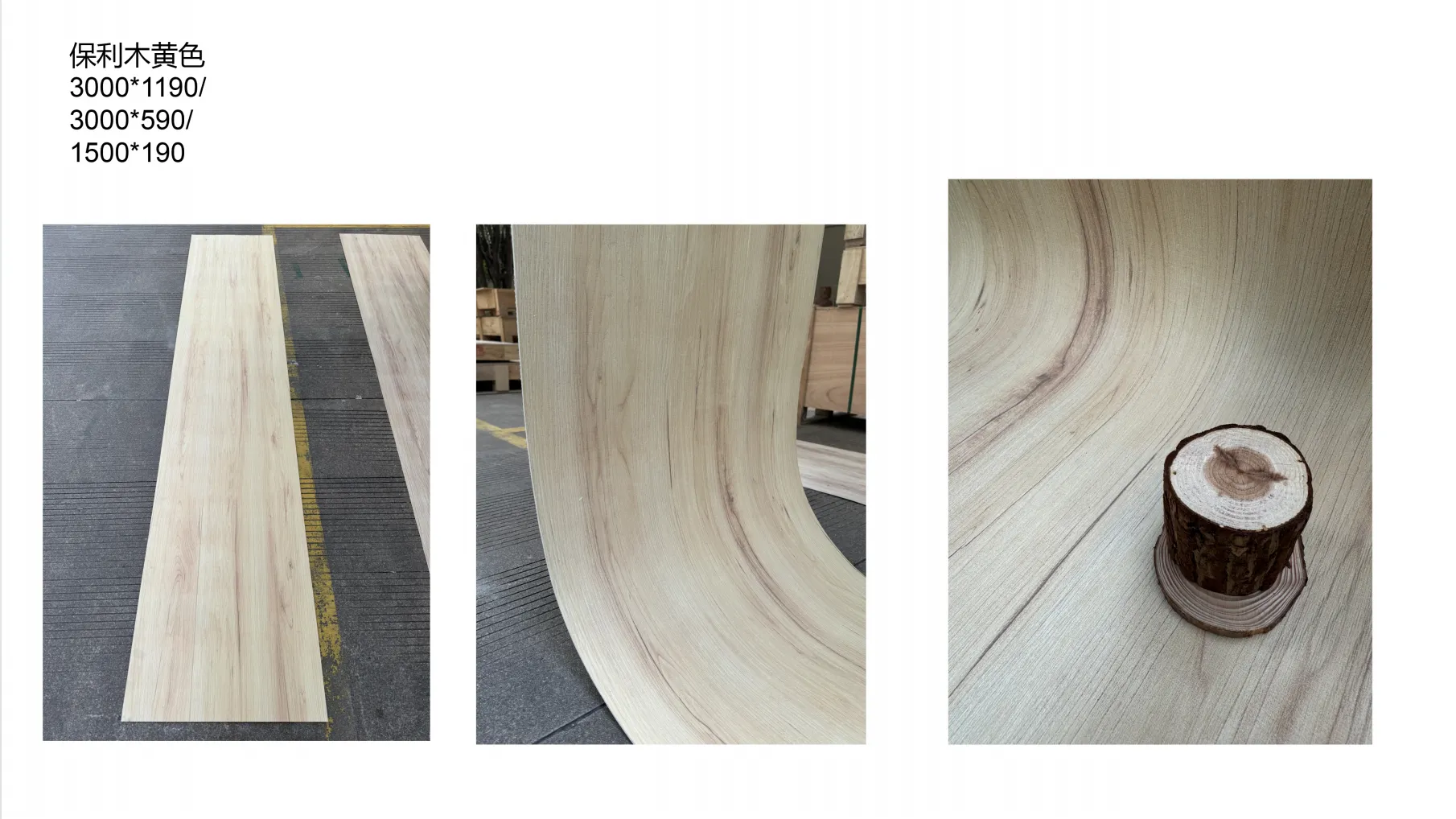
Let's say you've just decided to upgrade your outdoor space—maybe a new deck, a patio cover, or even custom siding for your home. You've heard all about poly wood boards: their resistance to rot, low maintenance needs, and how they fit perfectly into green building materials trends. But here's the thing no one tells you until after the purchase: that shiny new poly wood board's longevity isn't just about its quality—it's also about the warranty that comes with it. Warranties are more than just fine print; they're a supplier's promise that they stand behind their product. For homeowners and contractors alike, understanding what to expect from a poly wood board warranty can mean the difference between a stress-free investment and a costly headache down the line. So, let's dive in—no jargon, no confusing legalese—just the real talk you need to protect your project.
First, let's get clear on what poly wood boards are. Unlike traditional lumber or even wood grain board, poly wood (short for polyethylene wood) is a composite material made from recycled plastics and wood fibers. That blend gives it superpowers: it won't warp in the rain, splinter underfoot, or attract termites. But here's the catch: because it's a composite, its performance depends on the quality of that blend and the manufacturing process. A cheap poly wood board might look great at first, but after a few seasons of harsh sun, heavy rain, or extreme temperatures, you could start noticing cracks, color fading, or even structural weakening. That's where warranties step in. They're your safety net, ensuring that if the product fails prematurely—through no fault of your own—you're not stuck footing the bill for replacements.
Think about it this way: when you buy a car, you don't just look at the horsepower—you check the warranty to see if the engine's covered. The same logic applies here. Poly wood boards are an investment, often costing more upfront than pressure-treated wood. But their long-term savings (no painting, staining, or replacing every few years) make them worth it—if the warranty holds up. A strong warranty isn't just a sign of a confident supplier; it's proof they've tested their product to withstand real-world conditions.
Pro Tip: Always ask suppliers for a copy of the warranty before purchasing. If they hesitate or say it's "standard" without sharing details, that's a red flag. Reputable brands are proud to show off their warranty terms.
Not all warranties are created equal. A flimsy one might promise "10 years of coverage!" but bury exceptions in the fine print that make it practically useless. A strong warranty, on the other hand, will spell out exactly what's covered, for how long, and under what conditions. Here are the must-have components to look for:
Warranties for poly wood boards typically range from 10 to 25 years, but don't be swayed by the biggest number alone. A 20-year warranty that only covers color fading isn't better than a 15-year warranty that includes structural defects. Instead, look for comprehensive coverage periods. For example, some suppliers split their warranties: 25 years for structural integrity (like cracks or warping) and 10 years for color retention (how well the board resists fading). That makes sense—structural issues are more critical than a slight color shift over time.
The best warranties answer the "what ifs" you're already worrying about. Here are the most important coverage areas to check:
Let's say you sell your house five years after installing poly wood decking. Is the warranty transferable to the new homeowner? Some suppliers allow this (with a simple notification), which can boost your home's resale value. Others don't, meaning the warranty dies when you move. If you think you might sell your property someday, this is a key detail to ask about.
Warranties aren't blank checks. Every supplier has exclusions—situations where they won't honor a claim. The trick is to spot these early so you're not caught off guard. Here are the most common ones to watch for:
Improper Installation: This is the biggest exclusion. If you or your contractor didn't follow the supplier's installation guidelines (e.g., using the wrong fasteners, spacing boards incorrectly, or installing in an area with poor drainage), the warranty might be void. Always keep a copy of the installation manual and take photos during the process—you'll need them if you ever file a claim.
Extreme Events: Most warranties exclude damage from "acts of God," like hurricanes, tornadoes, or floods. That's standard, but some suppliers go a step further to exclude "abnormal weather conditions," which can be vague. If you live in an area with harsh winters or monsoons, ask for clarification on what counts as "abnormal."
Neglect or Abuse: Poly wood is low-maintenance, but it's not no-maintenance. If you never clean off mold (yes, even composites can get mold in damp, shaded areas) or drag heavy furniture across the boards, causing scratches, the warranty might not cover it. The good news? Basic care—hosing it down occasionally, sweeping debris—is usually all it takes to stay covered.
Heads Up: Some suppliers exclude "cosmetic damage" like minor scratches or scuffs. That's reasonable—no material is 100% scratch-proof. But if the scratch leads to structural issues (e.g., water seeping in and causing delamination), that should still be covered.
To make this tangible, let's compare three hypothetical suppliers—we'll call them EcoComposite, Duraboard, and GreenPlank—and their poly wood board warranties. This table breaks down what matters most, so you can see how they stack up:
| Supplier | Warranty Duration | Coverage Highlights | Key Exclusions | Claim Process |
|---|---|---|---|---|
| EcoComposite | 25 years (structural), 15 years (color fading) | Covers weather damage, 5% max color fade, pest/rot resistance | Improper installation, extreme weather (hurricanes/tornadoes) | Online claim form + photos; response within 5 business days |
| Duraboard | 20 years (all-inclusive) | Covers structural issues, 10% max color fade, scratches deeper than 1mm | Neglect (no cleaning for >2 years), commercial use (residential only) | Call customer service; requires original receipt + installation docs |
| GreenPlank | 15 years (structural), 10 years (color fading) | Covers warping, delamination, color fade up to 7% | Abnormal weather, DIY modifications (e.g., cutting boards to non-standard sizes) | Email claim with photos; on-site inspection for claims over $500 |
Notice how EcoComposite and GreenPlank split their warranties by coverage type, while Duraboard offers an "all-inclusive" term. EcoComposite's 5% color fade limit is stricter (better for you) than GreenPlank's 7%. Duraboard's exclusion of commercial use is a red flag if you're buying for a business (like a restaurant patio). And EcoComposite's online claim process is more convenient than Duraboard's phone-only system—time matters when you need a replacement!
Let's say the worst happens: after three years, your poly wood deck boards start fading way more than the warranty allows. What do you do next? A smooth claim process can save you hours of frustration, so here's what to expect (and how to prepare):
Step 1: Dig Up Your Paperwork Suppliers will ask for proof of purchase (receipt or invoice), the product's batch number (usually on the board or packaging), and a copy of the warranty document. Keep these in a safe place—maybe a folder labeled "Home Renovations" with all your project docs.
Step 2: Document the Issue Take clear photos or videos of the problem. If it's color fading, include a photo next to an uninstalled board (if you saved one) for comparison. For structural issues, measure cracks or warping and note the location (e.g., "3 boards on the south-facing side of the deck"). The more details, the faster your claim will be processed.
Step 3: Contact the Supplier Follow their claim process—whether online, email, or phone. Be polite but specific: "I purchased EcoComposite poly wood boards in March 2022 for my deck, and after 3 years, the color has faded by what looks like 15%, which exceeds the 5% allowed in the warranty. I've attached photos and my receipt."
Step 4: Wait for a Response Most suppliers aim to respond within 5–10 business days. They might send a representative to inspect the issue in person, especially for large claims. If approved, they'll either send replacement boards or issue a refund (pro-rated based on how long you've had the product).
The key here? Don't delay. Warranties have time limits for filing claims—some require you to report issues within 30 days of noticing them. The longer you wait, the harder it is to prove the damage wasn't caused by neglect.
At the end of the day, a warranty is only as good as the supplier backing it. A 25-year warranty from a fly-by-night company that might go out of business next year isn't worth the paper it's printed on. So, do your homework: check online reviews (look for patterns, like "never responded to my claim"), ask contractors which suppliers they trust, and see how long the company has been in business. Brands with a decade or more of experience in green building materials are more likely to honor their warranties—they've built their reputation on reliability.
And remember: the best warranty is the one you never have to use. But knowing it's there? That's the peace of mind that turns a home improvement project into a source of pride, not stress.
Poly wood boards are a game-changer for anyone tired of the endless upkeep of traditional wood. But to make sure that game-changer stays a win, you need to look beyond the product itself and into the warranty. Ask questions, read the fine print, and don't be afraid to walk away from a supplier who can't clearly explain their coverage. After all, you're not just buying a board—you're buying the confidence that it will stand the test of time. And in the end, that confidence is worth every minute you spend researching.
So, go forth, armed with this knowledge, and find the poly wood board that's not just durable, but backed by a warranty that has your back. Your future self (and your outdoor space) will thank you.
Recommend Products












