


Let's start with a scenario we've all encountered (or feared): You walk into a friend's backyard, and their once-beautiful wooden deck is now a patchwork of warped planks, faded stains, and—if you look closely—tiny black spots of mold. "We just replaced this two years ago," they sigh, kicking at a loose board. "Between the rain and the humidity, it never stood a chance."
Or maybe you're a designer, sketching up a cozy café with an indoor-outdoor flow. The client wants the warmth of wood, but the space is in a coastal city where salt air and afternoon showers are a daily occurrence. Traditional wood? It would need sealing every six months, and even then, you're crossing your fingers it doesn't rot. Composite wood? You've heard horror stories of cheap versions warping in the sun or trapping moisture between planks.
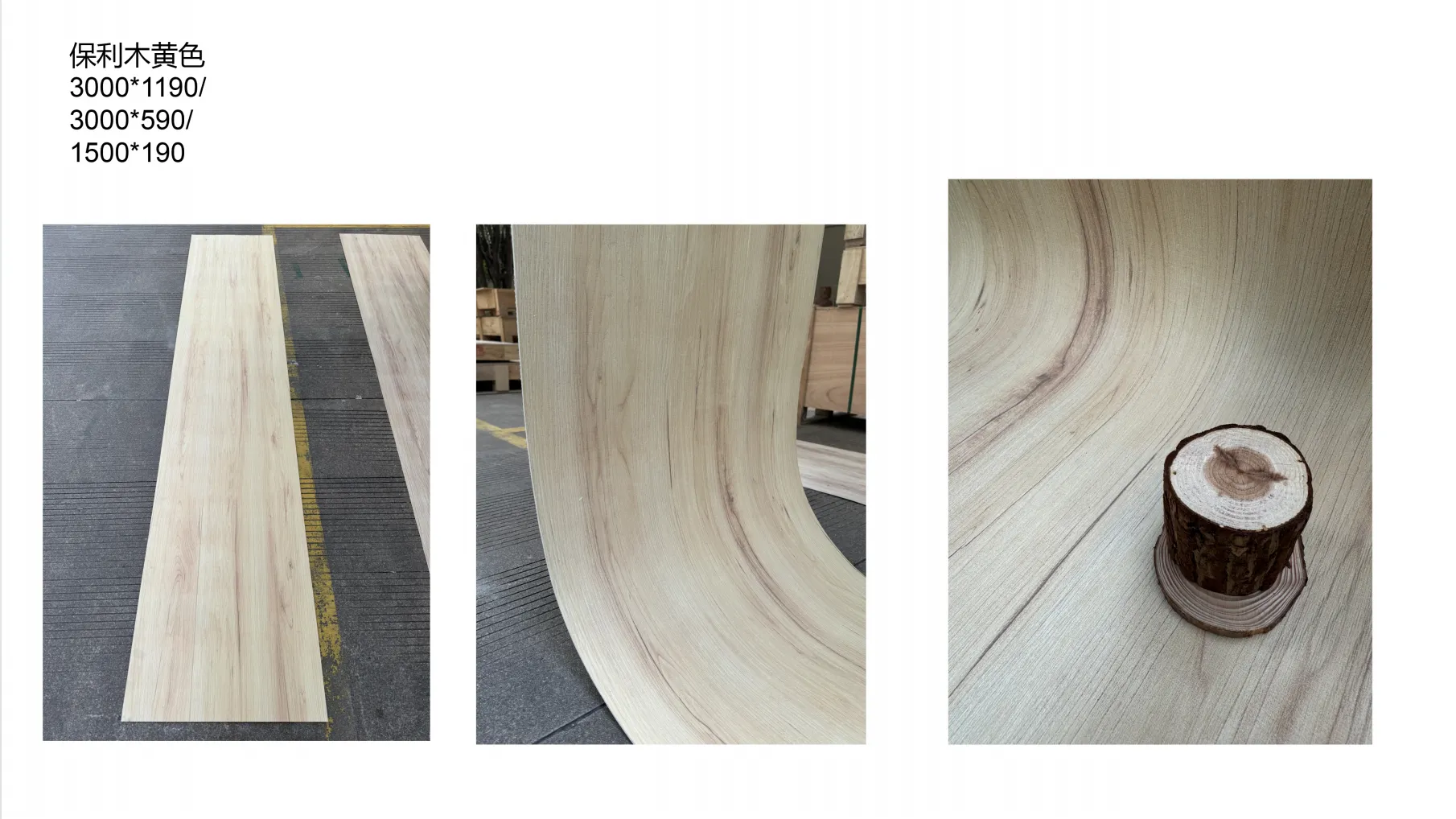
Wood's charm is undeniable—it adds texture, warmth, and a connection to nature that few materials can match. But its Achilles' heel? Water. From rain and snow to spills and humidity, moisture turns wood from a statement piece into a maintenance nightmare. And that's where COLORIA MCM's Poly Wood Board comes in. This isn't just another "wood-look" product; it's a reinvention of what wood can be—durable, sustainable, and unfazed by water .
But don't just take our word for it. We recently put the Poly Wood Board through a series of grueling water resistance tests—think heavy rain simulations, submersion trials, and even freeze-thaw cycles—to see if it lives up to the hype. Today, we're pulling back the curtain on those tests, sharing real (verbal) snapshots of the results, and explaining why this material might just be the solution to the "wood vs. water" battle that's plagued homeowners and designers for decades.










